
Exciting new series on “Voice, Body and Movement for Lawyers – How to connect with the jury and find Justice Through Dramatic Technique!”
Click here to find out more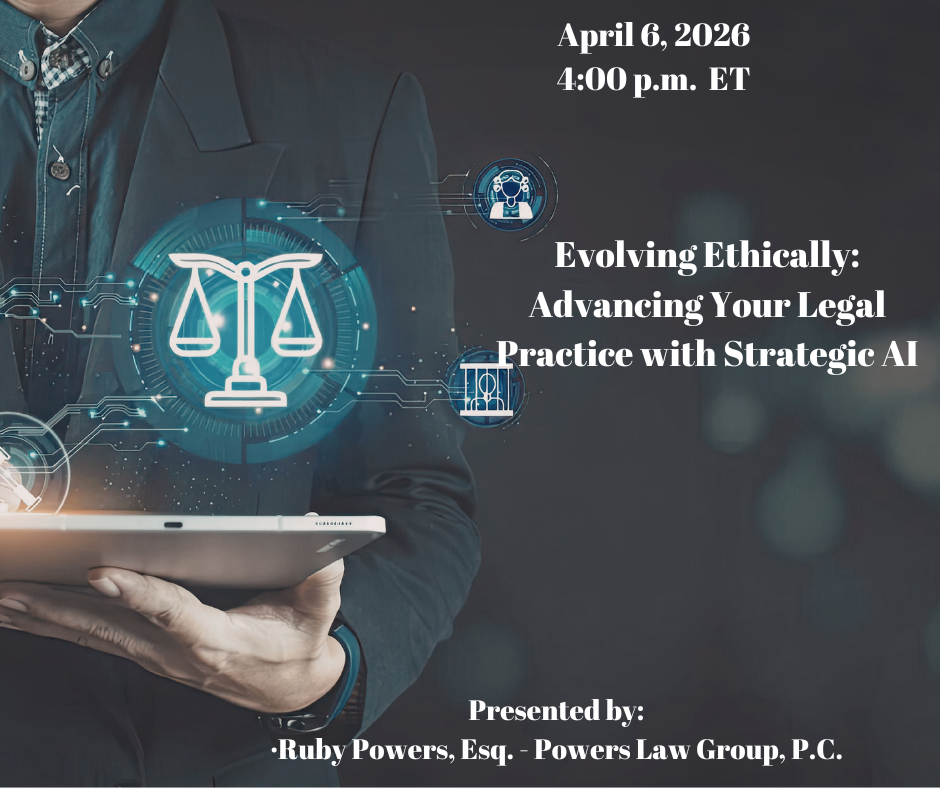
This course provides a roadmap for ethical AI integration in high-volume practices through real-world hypotheticals. Attendees will evaluate the duty of Competence (Rule 1.1) regarding AI hallucinations and Confidentiality (Rule 1.6) when vetting intake and drafting tools.
Learning objectives include establishing protocols for the Supervision (Rules 5.1 & 5.3) of AI-generated work, such as RFEs and petitions, to ensure professional accuracy and accountability.
Participants will leave with a framework for maintaining Candor (Rule 3.3) while leveraging automation to protect client interests and maintain ethical standards.

This course is meant for lawyers of all levels and areas of practice, and in it, we will explore way...

Perfectionism is often rewarded in the legal profession. It drives attention to detail, thorough pre...
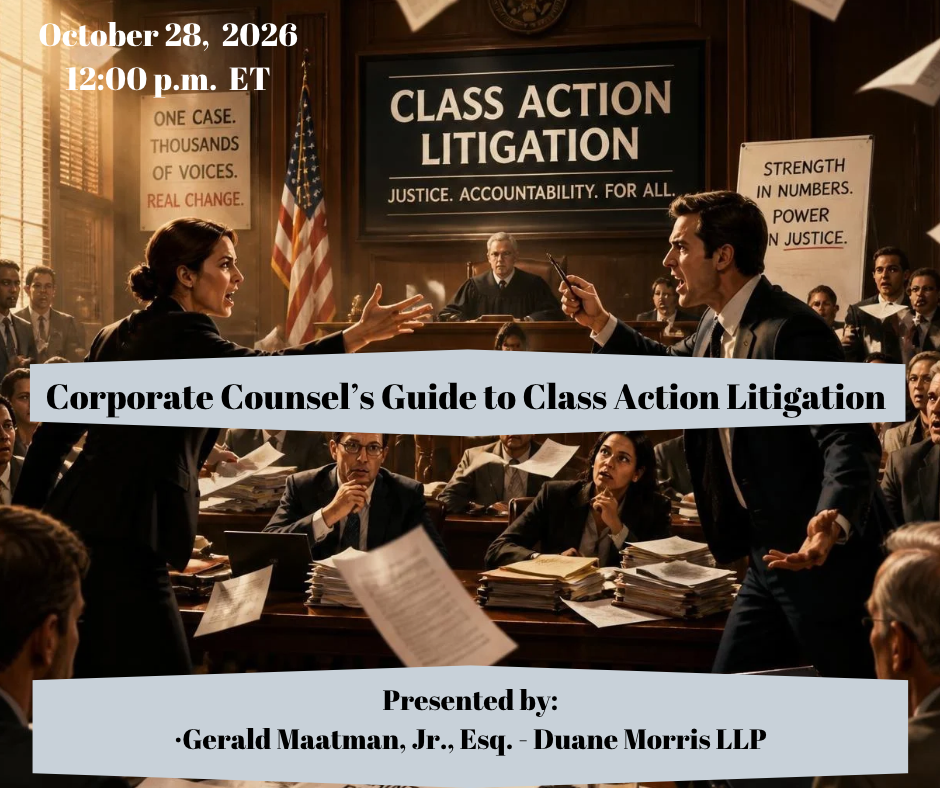
Class action litigation continues to expand in both number of filings and monetary exposure, with se...

The practice of law places legal professionals under extraordinary and often chronic stress, making ...

Data privacy remains one of the most rapid areas of growth in the class action space. Plaintiffs con...

During this course you will take a deep dive into federal bid protest litigation at the U.S. Court o...

Turn decades of client relationships into lasting equity. This practical CLE shows attorneys how to ...
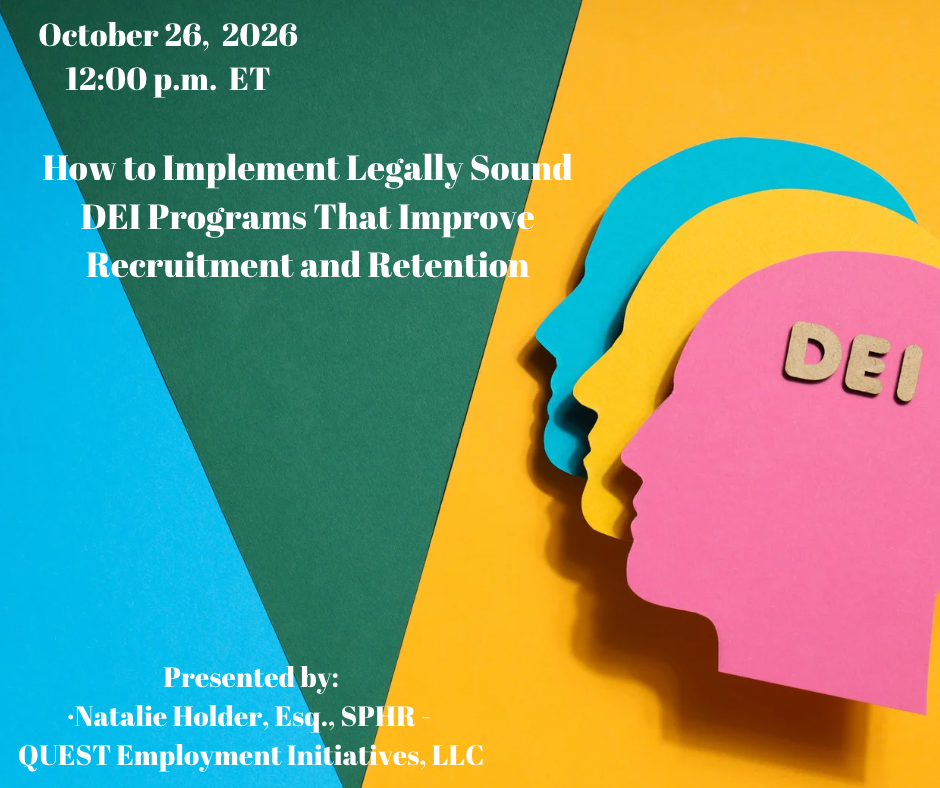
This program will discuss how to design and implement legally sound diversity, equity, and inclusion...
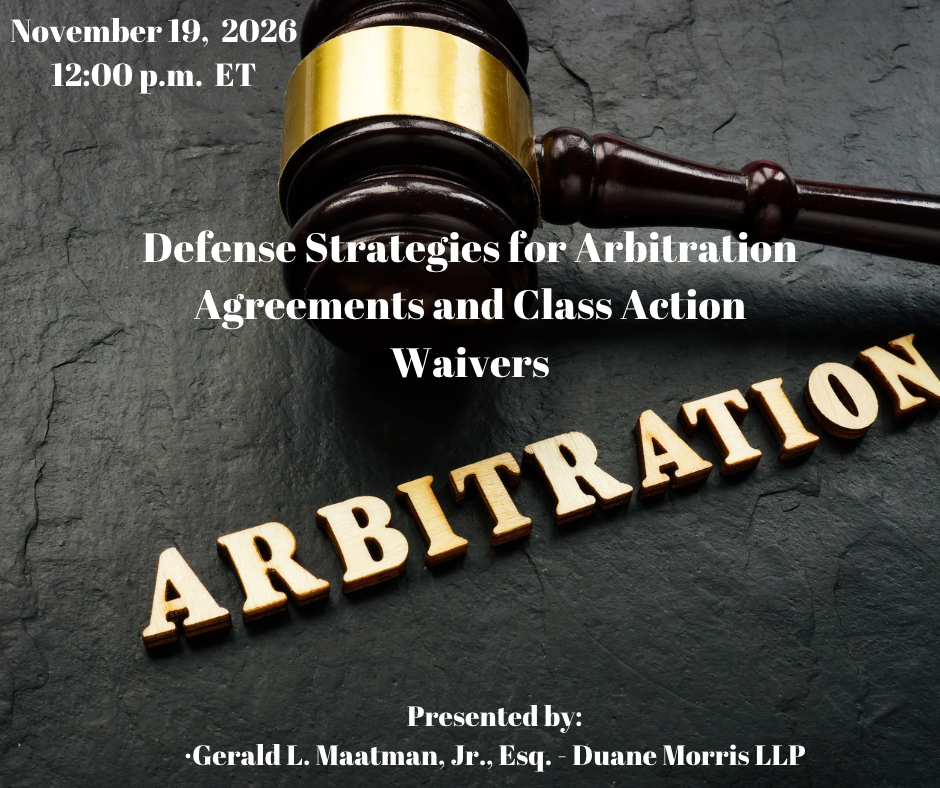
Class action waivers in arbitration agreements remain enforceable, but a decade of U.S. Supreme Cour...
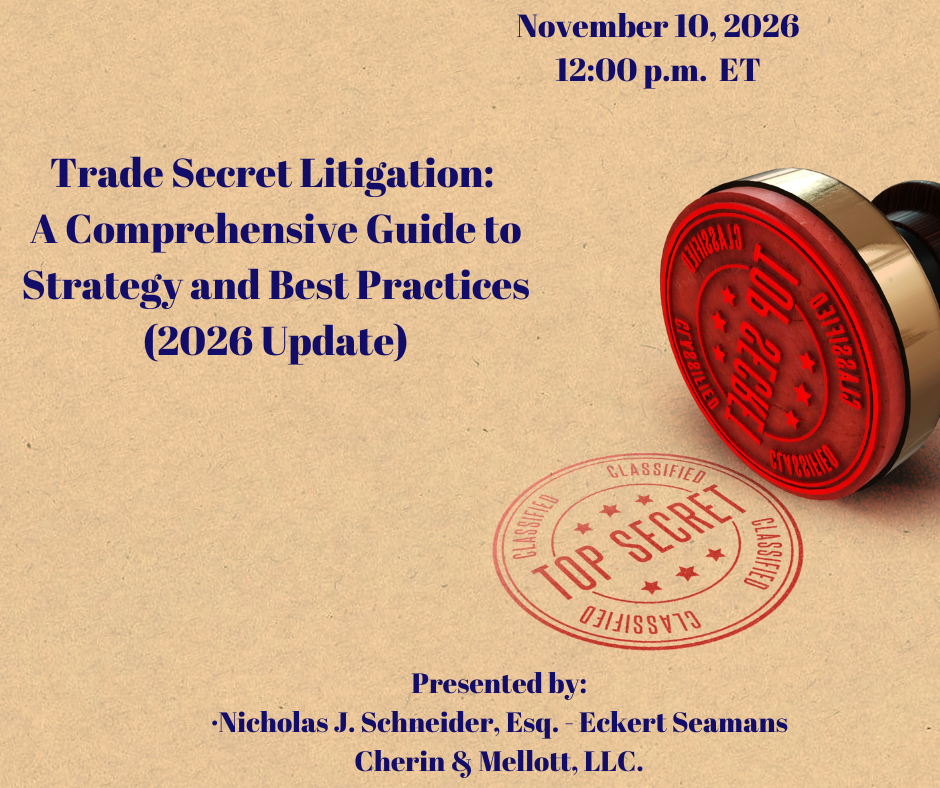
This course on trade secrets litigation provides real-world best practices through all key stages of...