
Exciting new series on “Voice, Body and Movement for Lawyers – How to connect with the jury and find Justice Through Dramatic Technique!”
Click here to find out more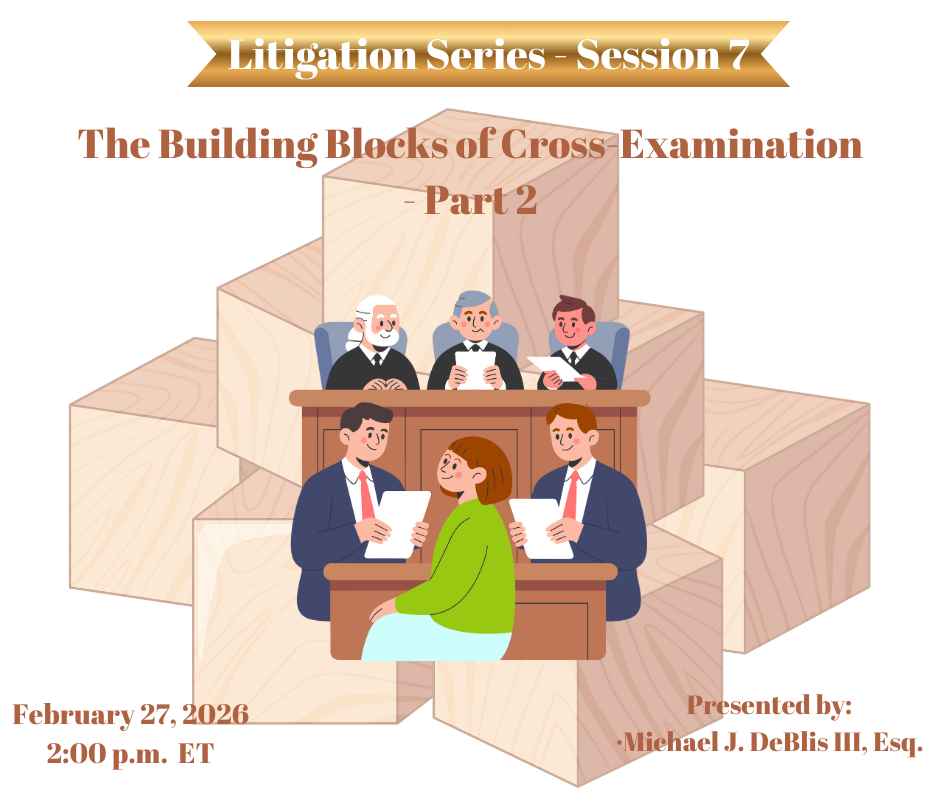
Part 2 dives deeper into advanced cross?examination techniques, teaching attorneys how to maintain control, structure questioning sequences, and expose weaknesses without appearing aggressive. It focuses on the psychological aspects of witness management, demonstrating how pacing, tone, and precision can reveal inconsistencies more effectively than confrontation.
Overall, the presentation emphasizes discipline, preparation, and the power of short, leading questions to shape testimony and influence juror perception.
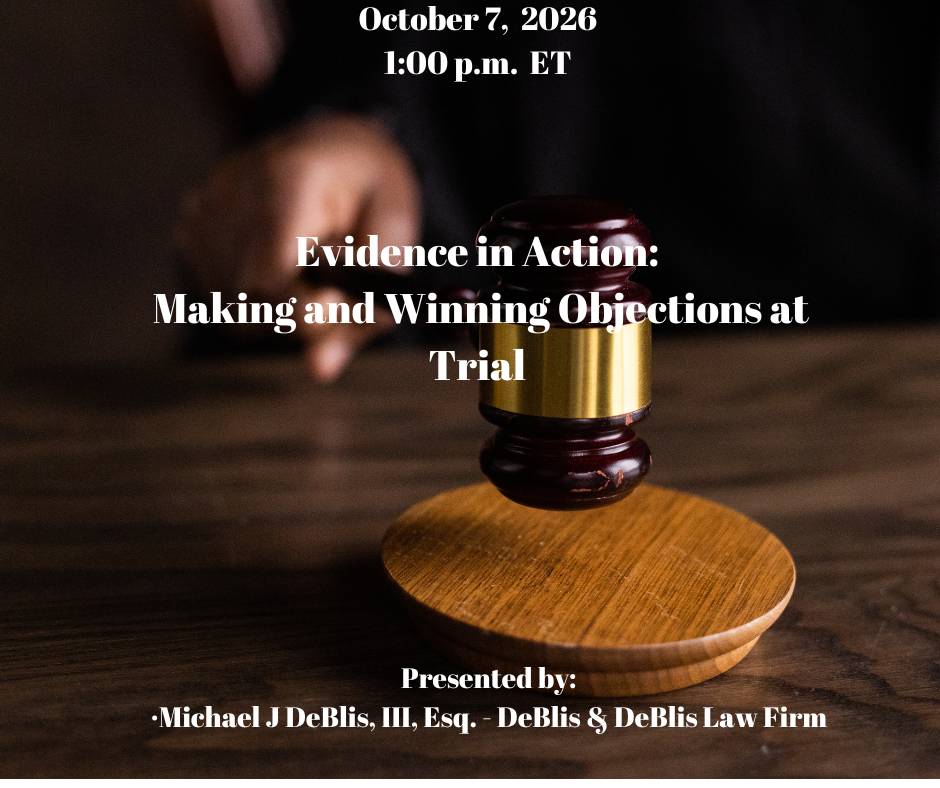
Objections are among the most powerful — and most misunderstood — tools in a trial lawye...
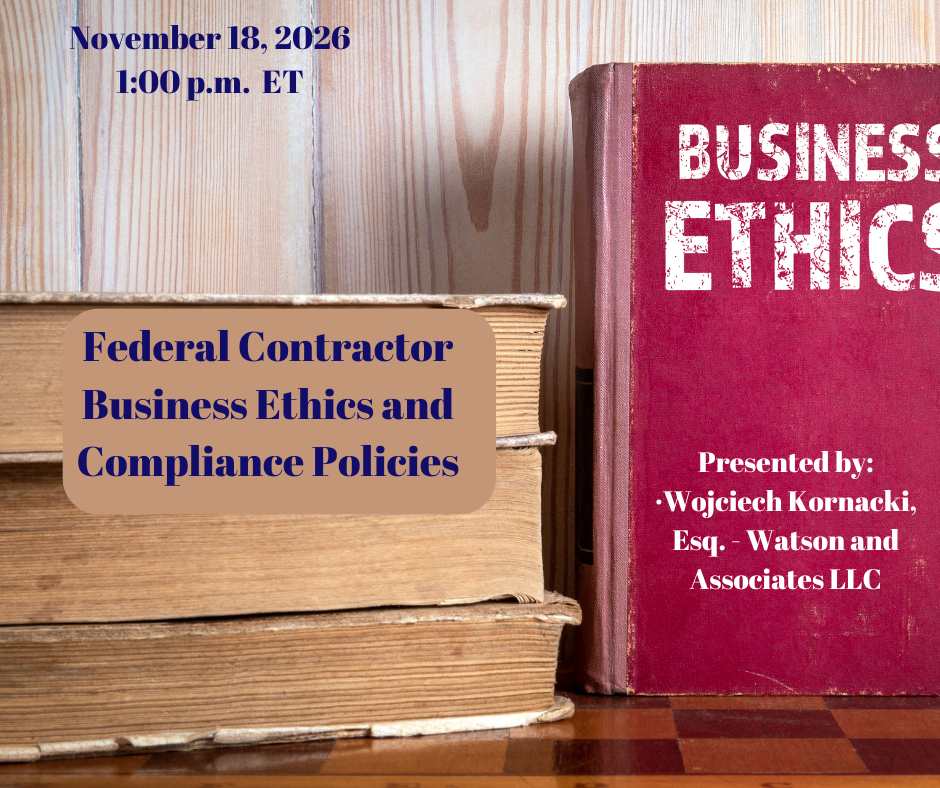
As the largest purchaser of goods and services in the world, the United States Government requires f...
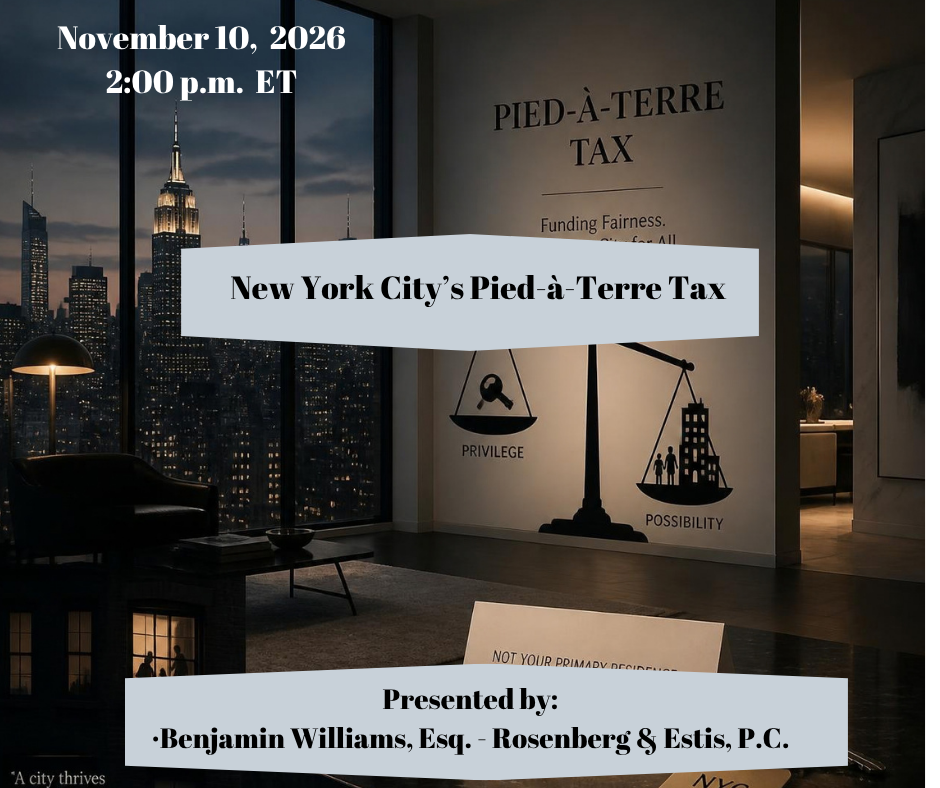
New York City’s new Non-Primary Residence Property Surcharge—commonly known as the pied-...
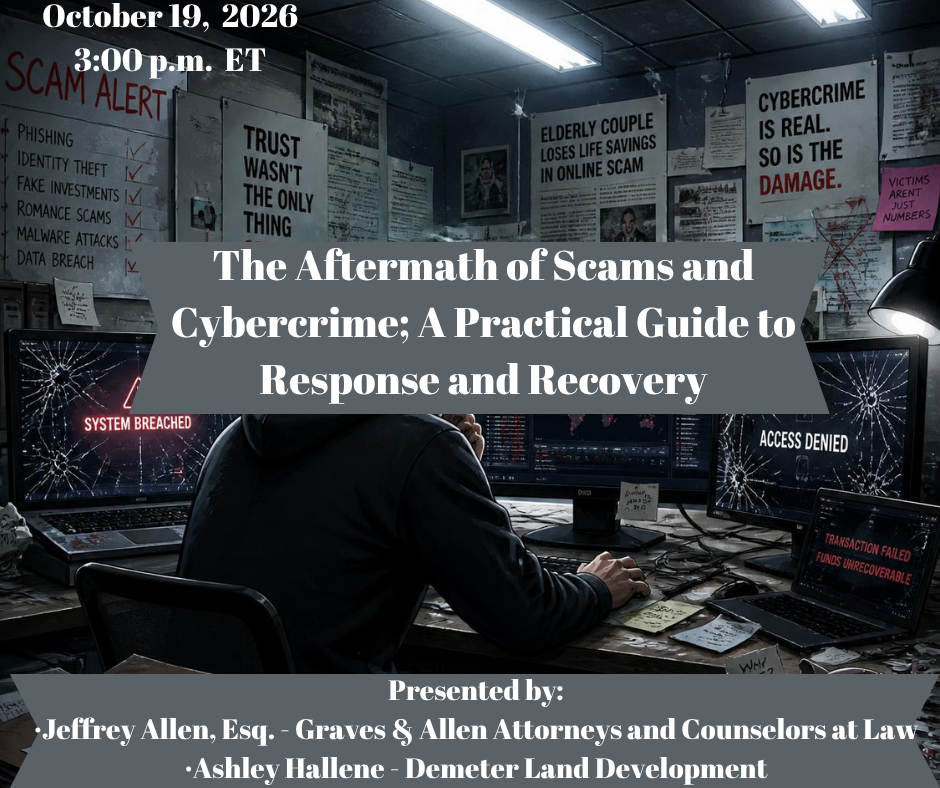
The Aftermath of Scams and Cybercrime: A Practical Guide to Response and Recovery examines the immed...
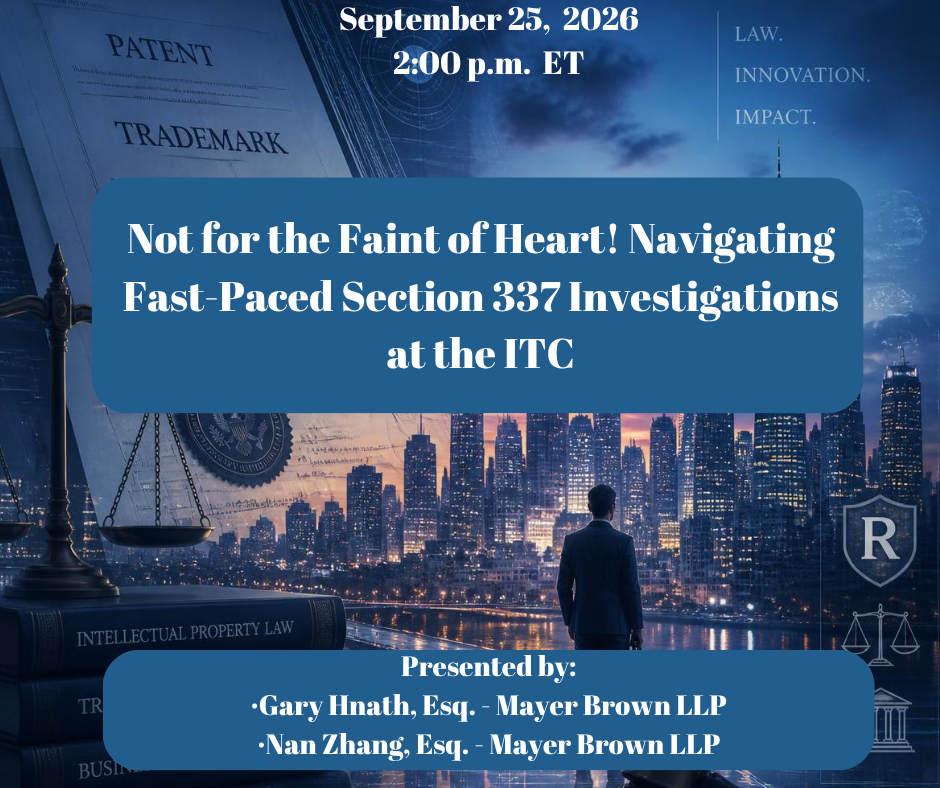
Section 337 provides powerful, efficient and rapid remedies for a wide range of unfair methods of co...
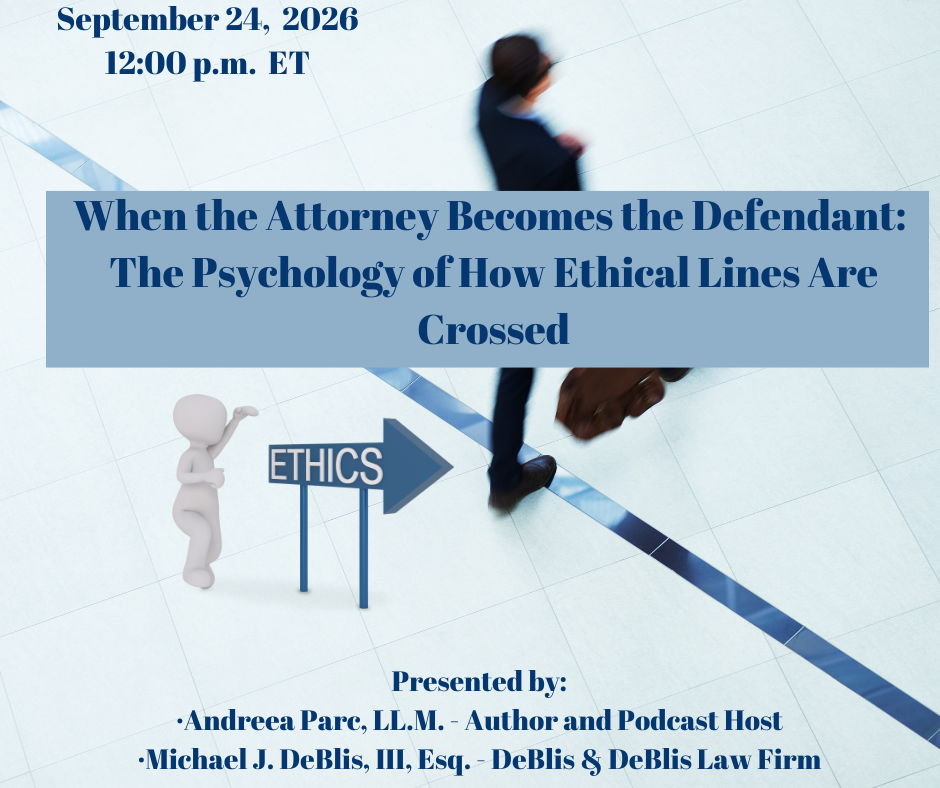
This program addresses a gap no standard ethics CLE reaches: the psychology of what happens inside t...
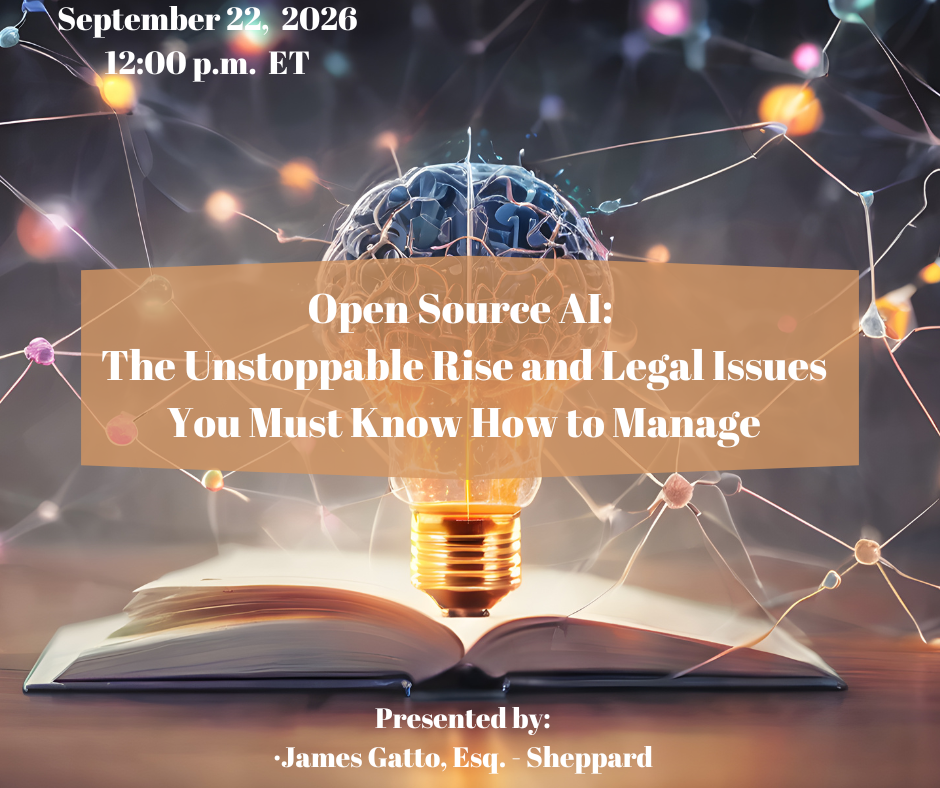
Open-source AI models have gone from niche developer tools to enterprise essentials almost overnight...
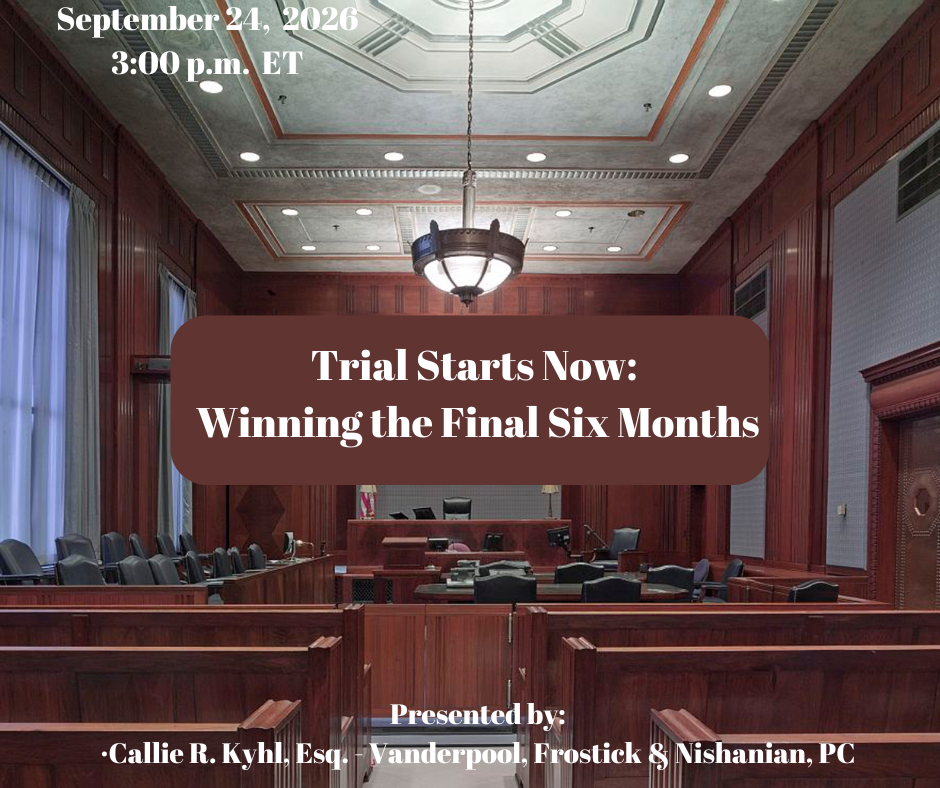
Trial Starts Now: Winning the Final Six Months provides a comprehensive guide to the critical tasks ...
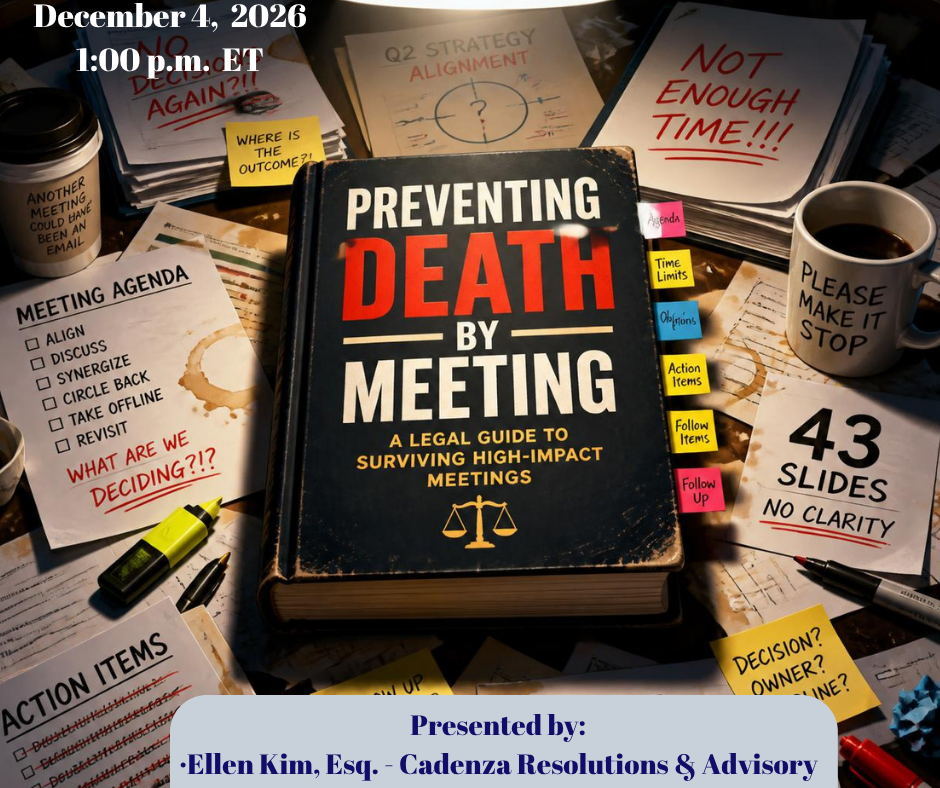
Lawyers lose hundreds of billable and operational hours every year to poorly managed meetings. Unfoc...
Decentralized Autonomous Organizations (DAOs) and other digital-native structures have moved from ni...