
Exciting new series on “Voice, Body and Movement for Lawyers – How to connect with the jury and find Justice Through Dramatic Technique!”
Click here to find out more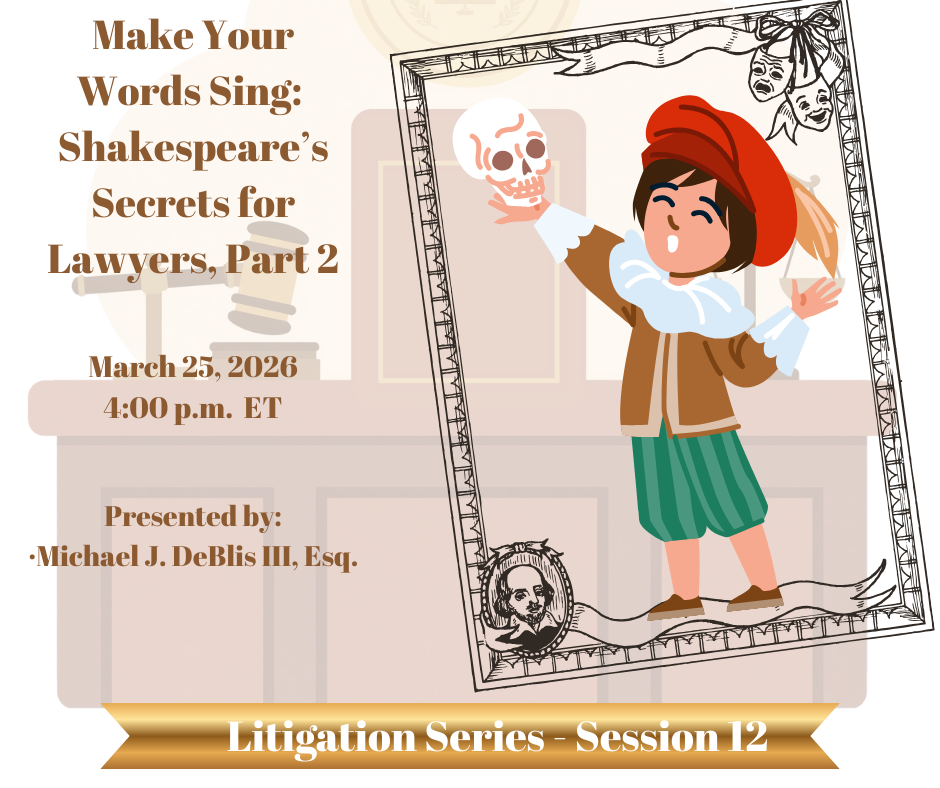
This companion program to Part 1 goes deeper into the rhetorical power of Shakespeare, emphasizing how verse, rhythm, and linguistic precision can elevate persuasion. It demonstrates how Shakespearean rhetoric—rooted in clarity, emotional accessibility, and structured argument—provides a blueprint for powerful opening statements, cross?examinations, and closings.
By embracing rhetorical tools such as cadence, emphasis, and imagery, attorneys can communicate with greater impact while maintaining authenticity and sincerity.
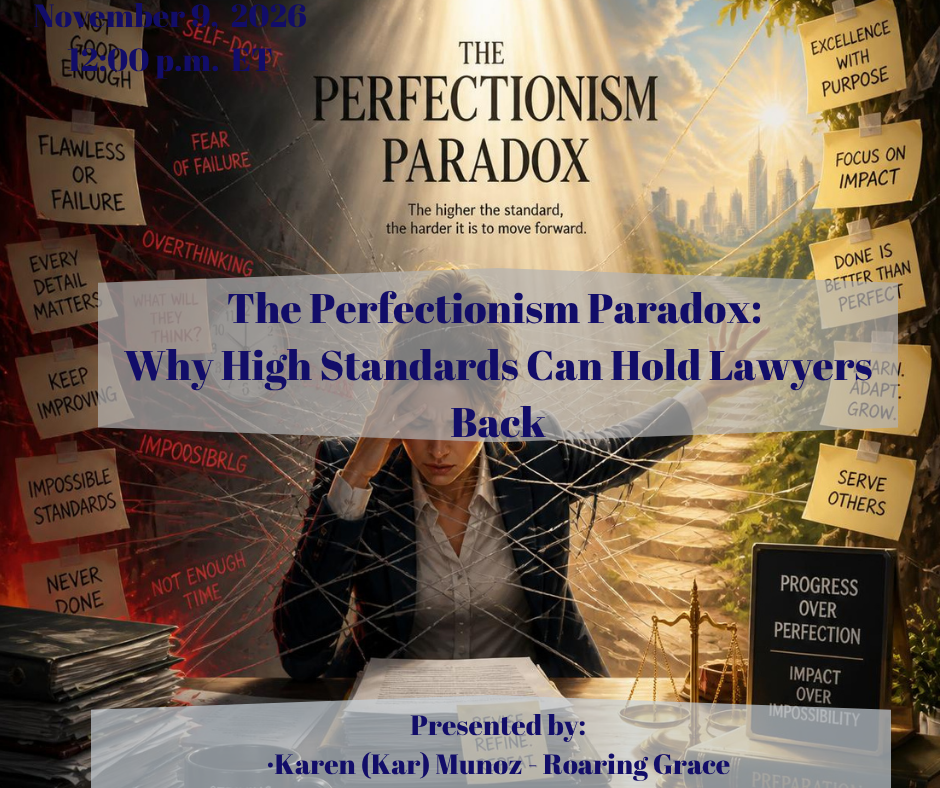
Perfectionism is often rewarded in the legal profession. It drives attention to detail, thorough pre...
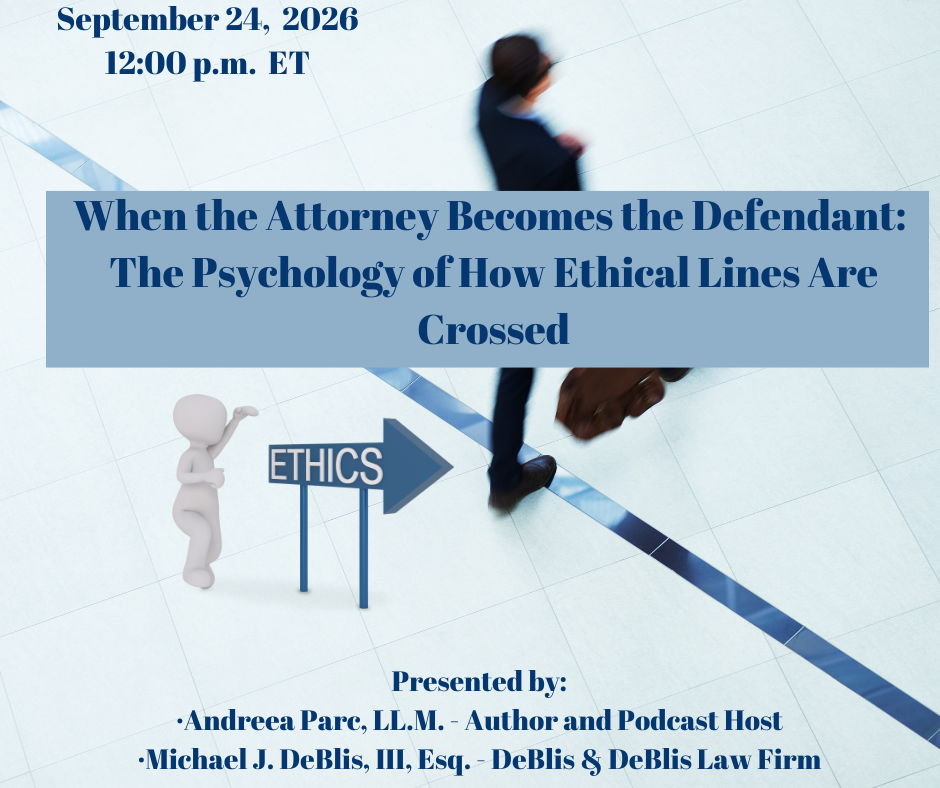
This program addresses a gap no standard ethics CLE reaches: the psychology of what happens inside t...
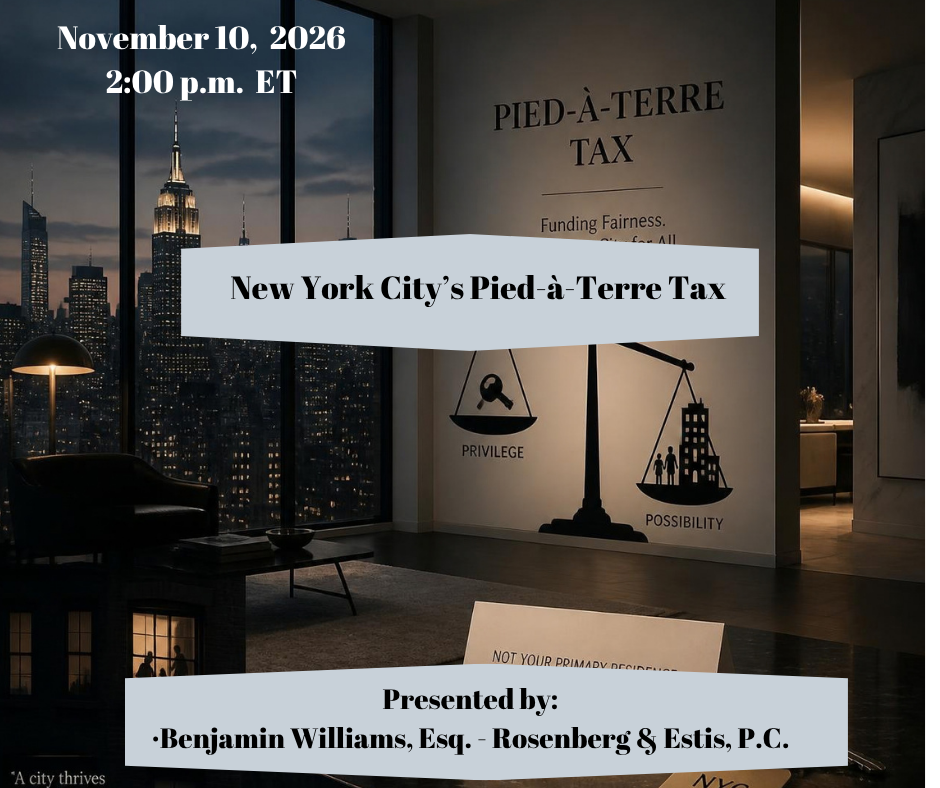
New York City’s new Non-Primary Residence Property Surcharge—commonly known as the pied-...
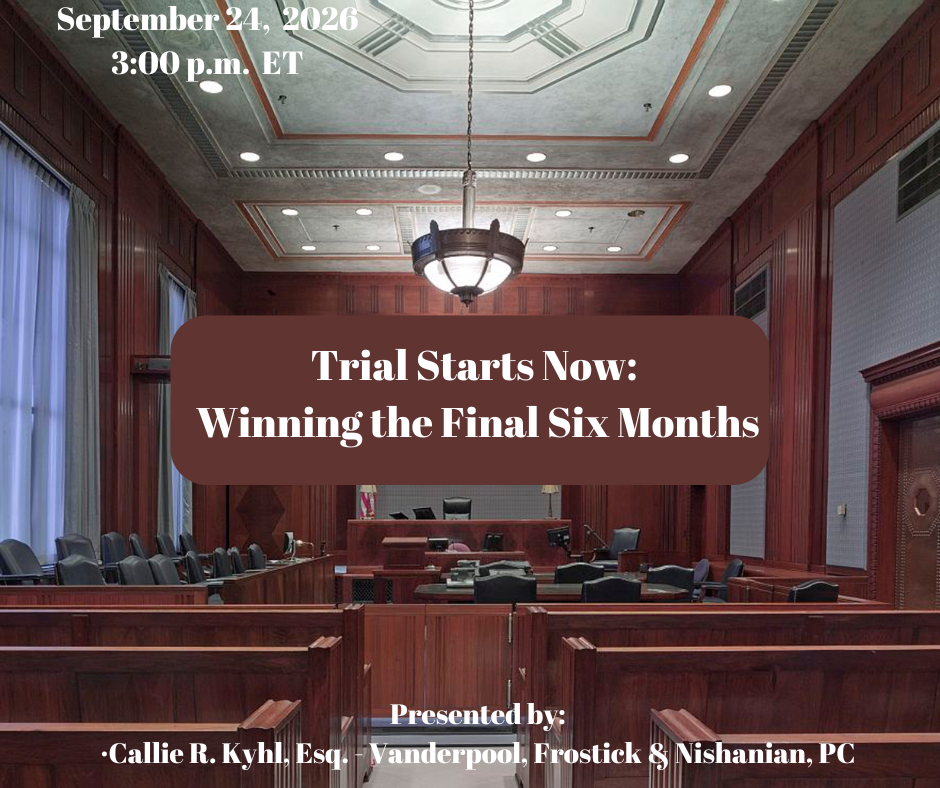
Trial Starts Now: Winning the Final Six Months provides a comprehensive guide to the critical tasks ...
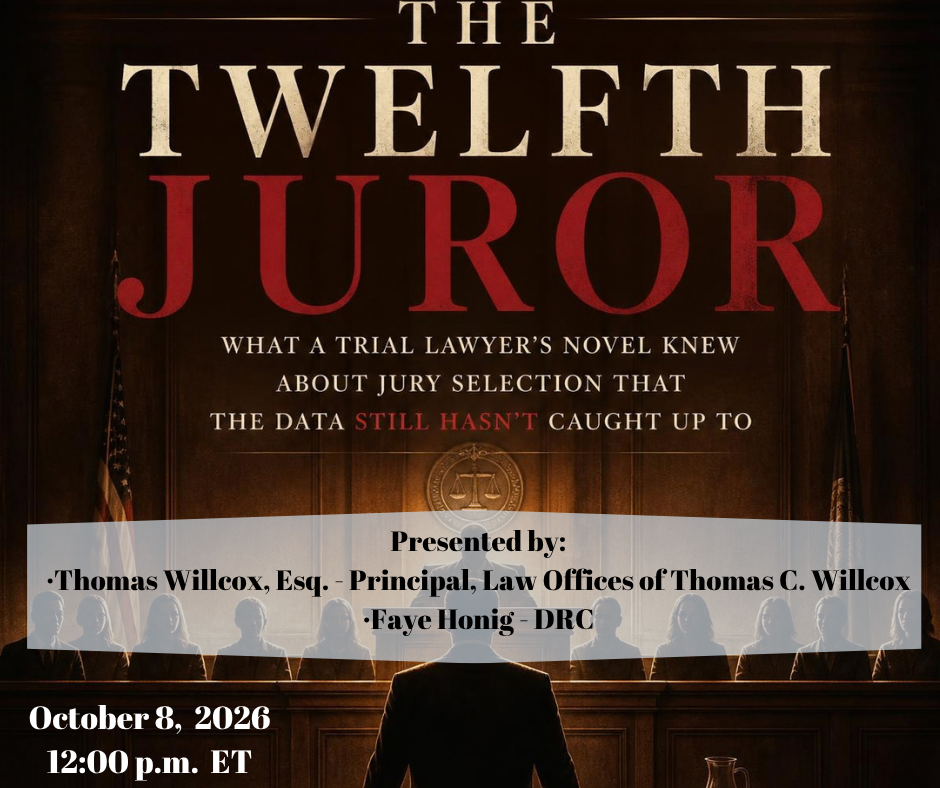
The Twelfth Juror: Lessons on Jury Selection from a Trial Lawyer’s Novel and a Trial Consultan...
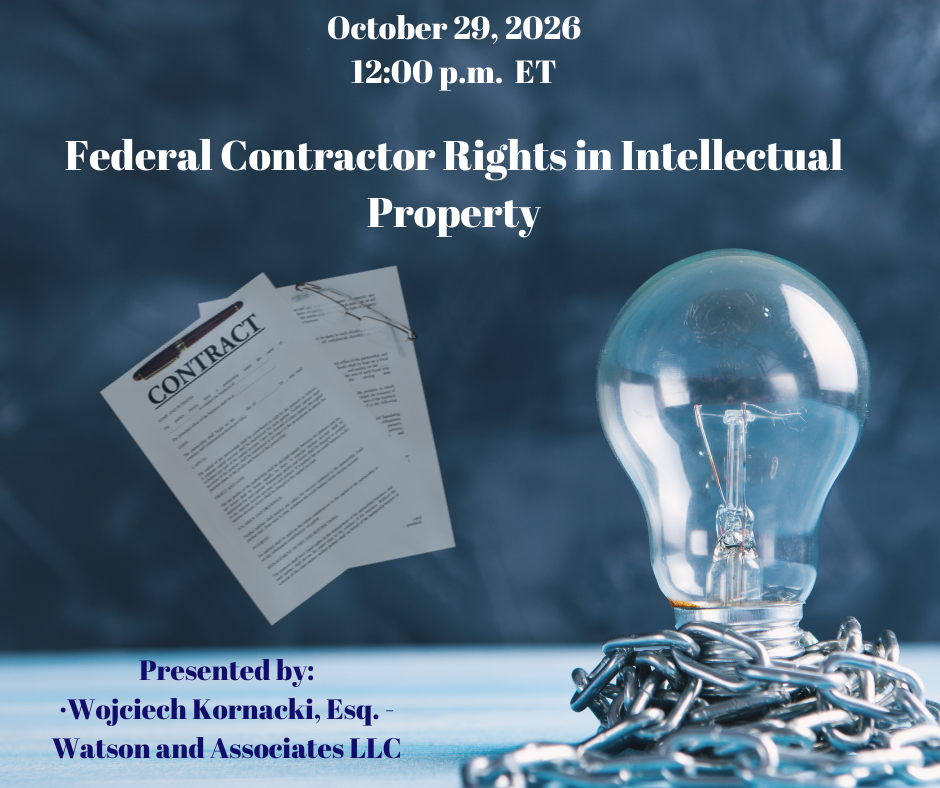
During this course, you will learn about best practices and strategies for retaining intellectual pr...
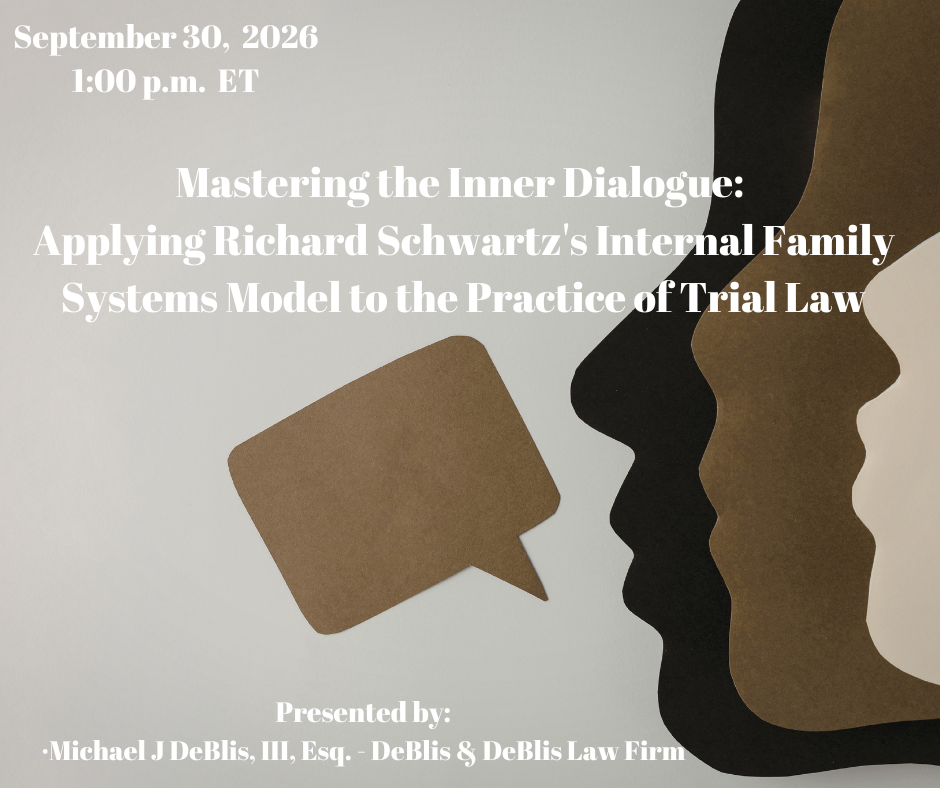
Every trial lawyer has experienced it: the inner critic before opening statements, the surge of ange...
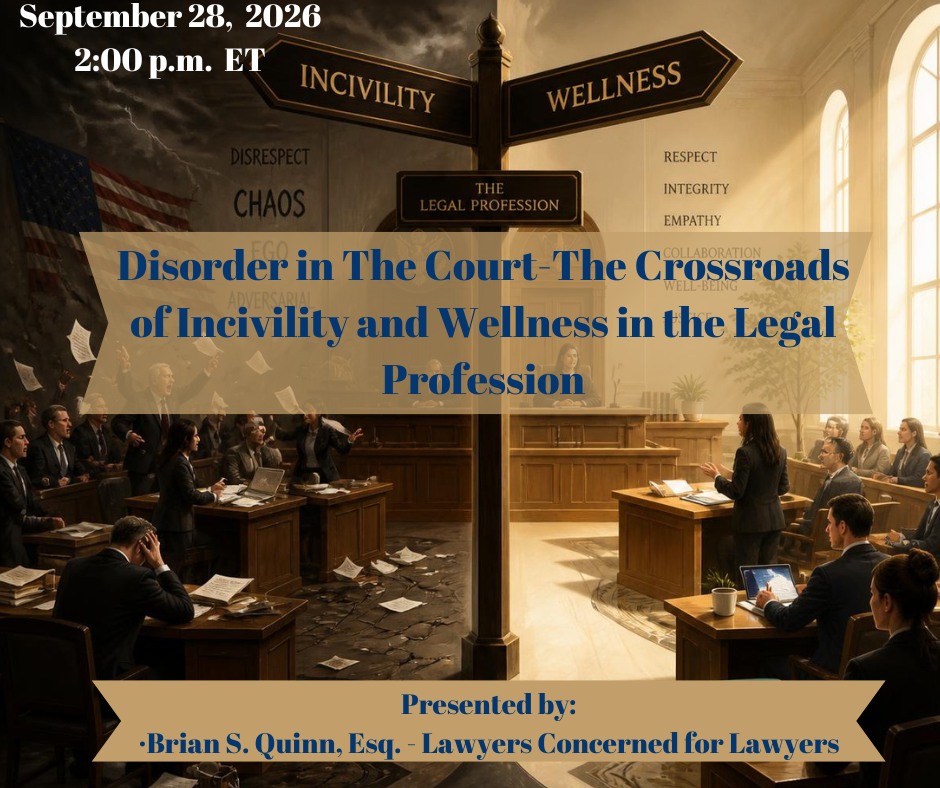
Abrasive or burned out? Overworked or uncivil? Zealous advocate or bully? The legal profession is c...
Open-source AI models have gone from niche developer tools to enterprise essentials almost overnight...
Section 337 provides powerful, efficient and rapid remedies for a wide range of unfair methods of co...