
Exciting new series on “Voice, Body and Movement for Lawyers – How to connect with the jury and find Justice Through Dramatic Technique!”
Click here to find out more
This podcast will explore the changes that have been adopted in some states, as well as those being contemplated in other jurisdictions around the country, to legal ethics rules and other regulations in an attempt to expand the legal profession’s ability to collaborate and partner with nonlawyers and thereby increase efficiency, expand opportunity, promote innovation, and improve access to legal services. *We’ll discuss how the American Bar Association’s Model Rules of Professional Conduct Rule 5.4 on lawyer professional independence and Rule 5.5 on unauthorized practice of law may unnecessarily impede lawyers who want to collaborate with nonlawyers and who wish to provide legal services across state lines. *The historical background of these rules and issues that conflict with law practice in a digital age were already a hot topic of discussion before the pandemic but have rapidly moved to the forefront as the pandemic forced lawyers to work from home and embrace the increased use of technology in the practice of law.
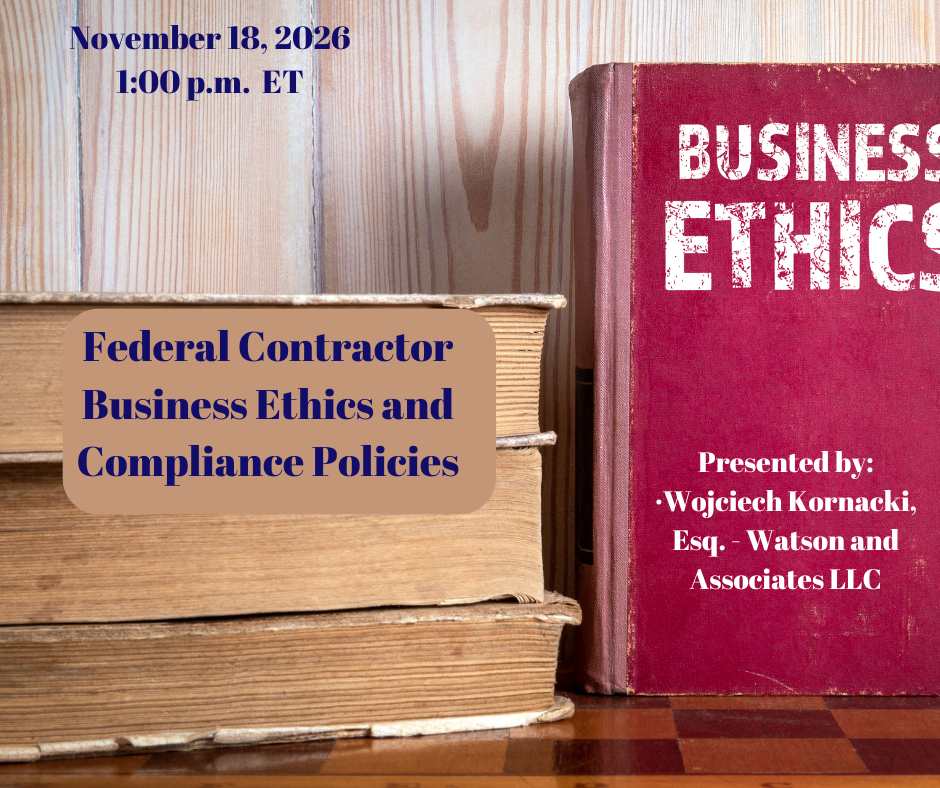
As the largest purchaser of goods and services in the world, the United States Government requires f...
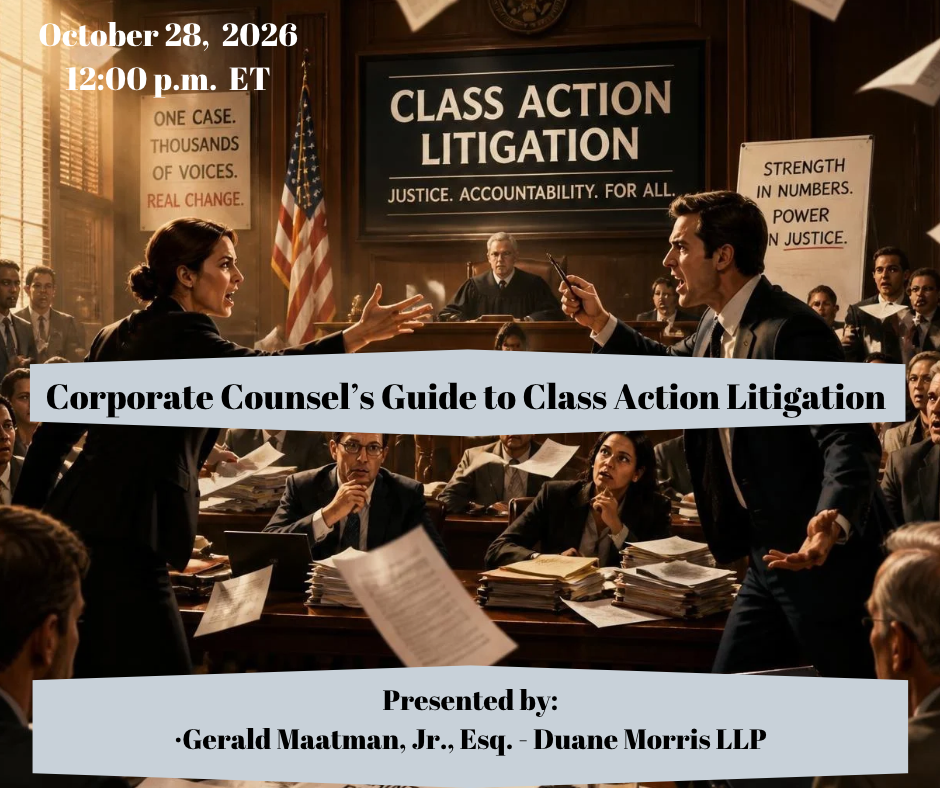
Class action litigation continues to expand in both number of filings and monetary exposure, with se...
Data privacy remains one of the most rapid areas of growth in the class action space. Plaintiffs con...
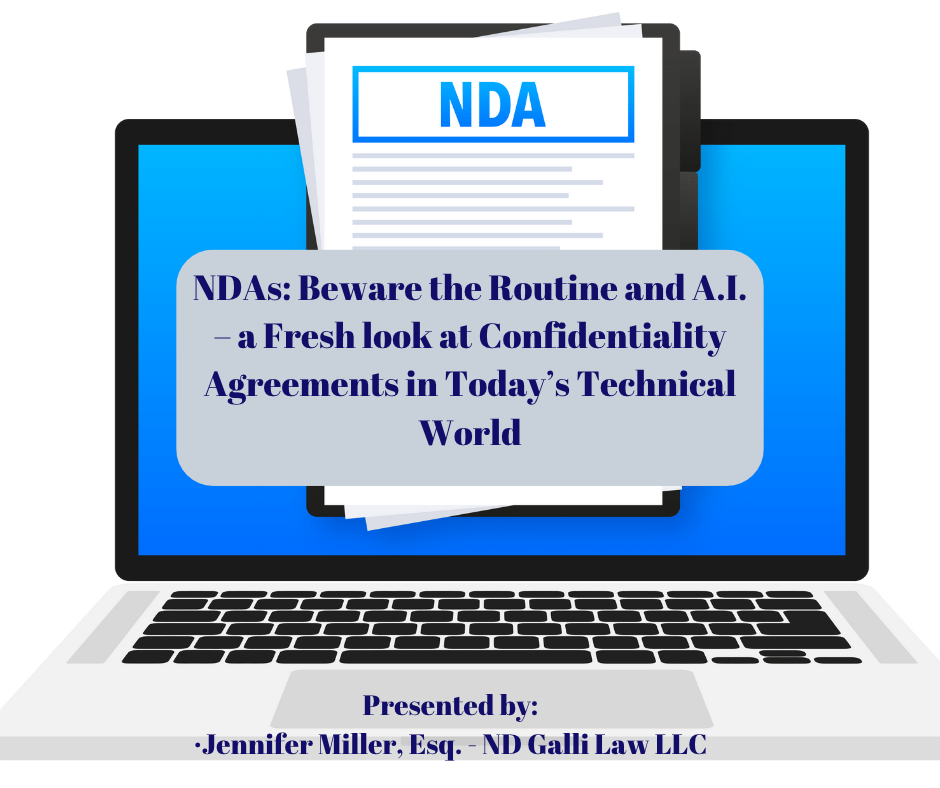
Confidentiality Agreements (also called NDAs) are too often treated as routine. So routine, th...
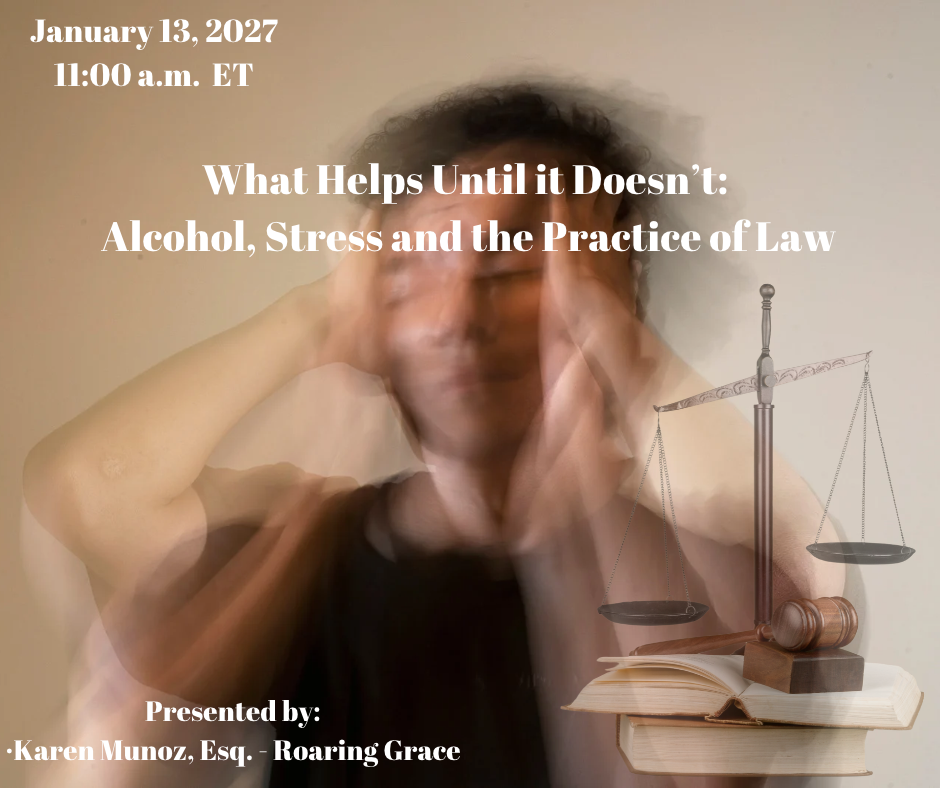
The practice of law places legal professionals under extraordinary and often chronic stress, making ...
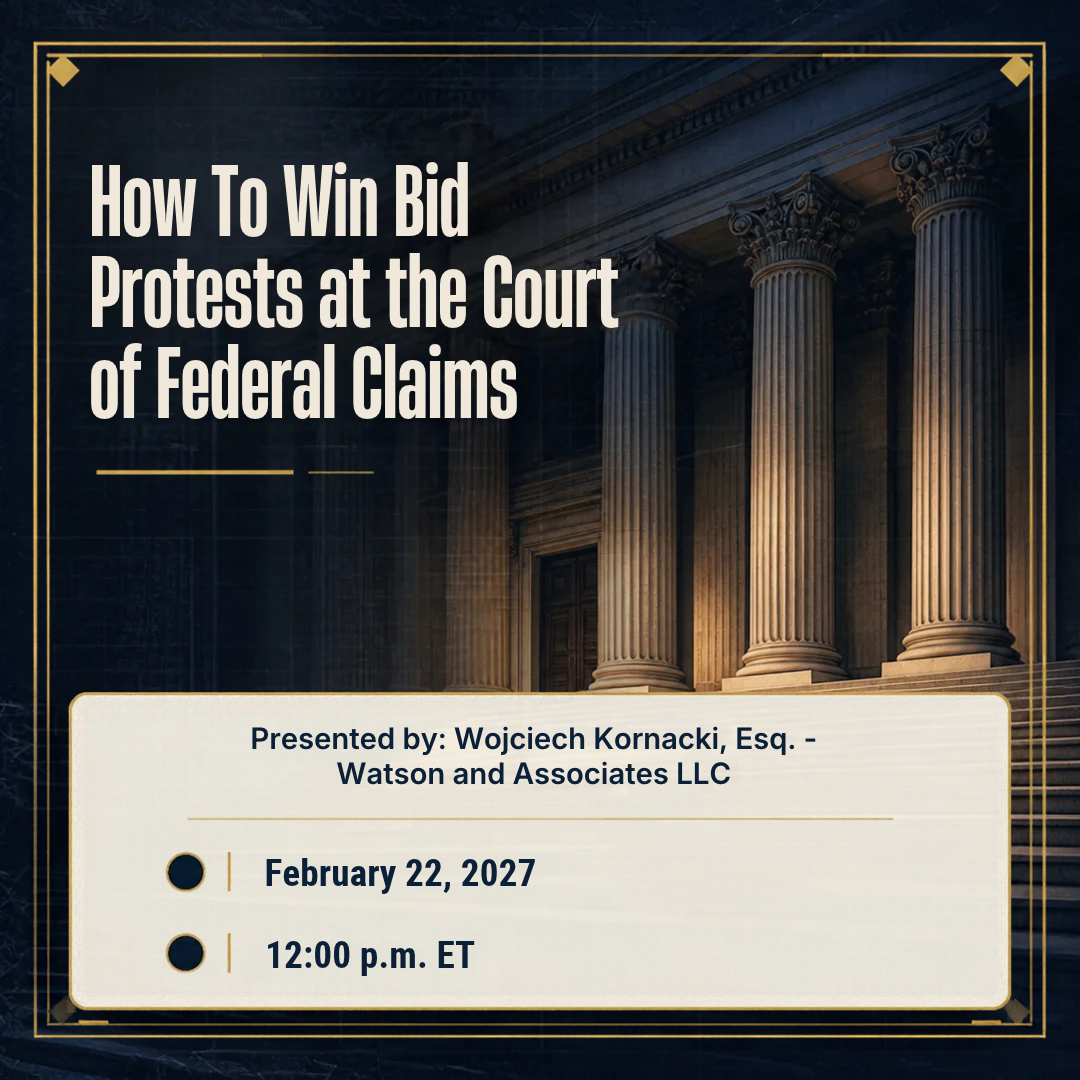
During this course you will take a deep dive into federal bid protest litigation at the U.S. Court o...
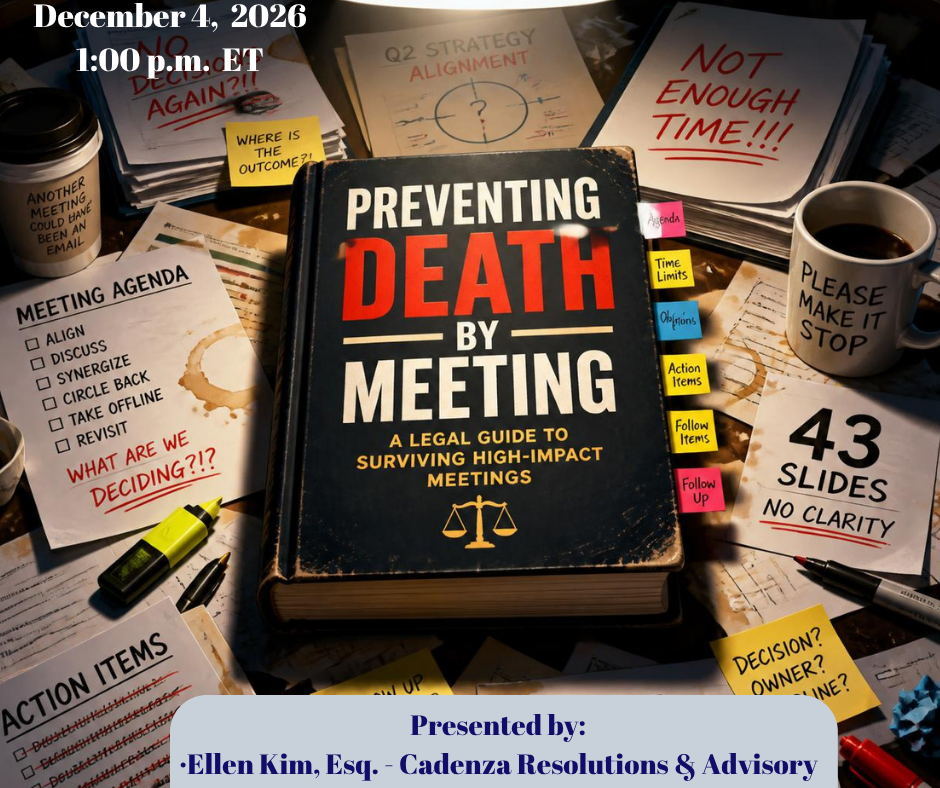
Lawyers lose hundreds of billable and operational hours every year to poorly managed meetings. Unfoc...
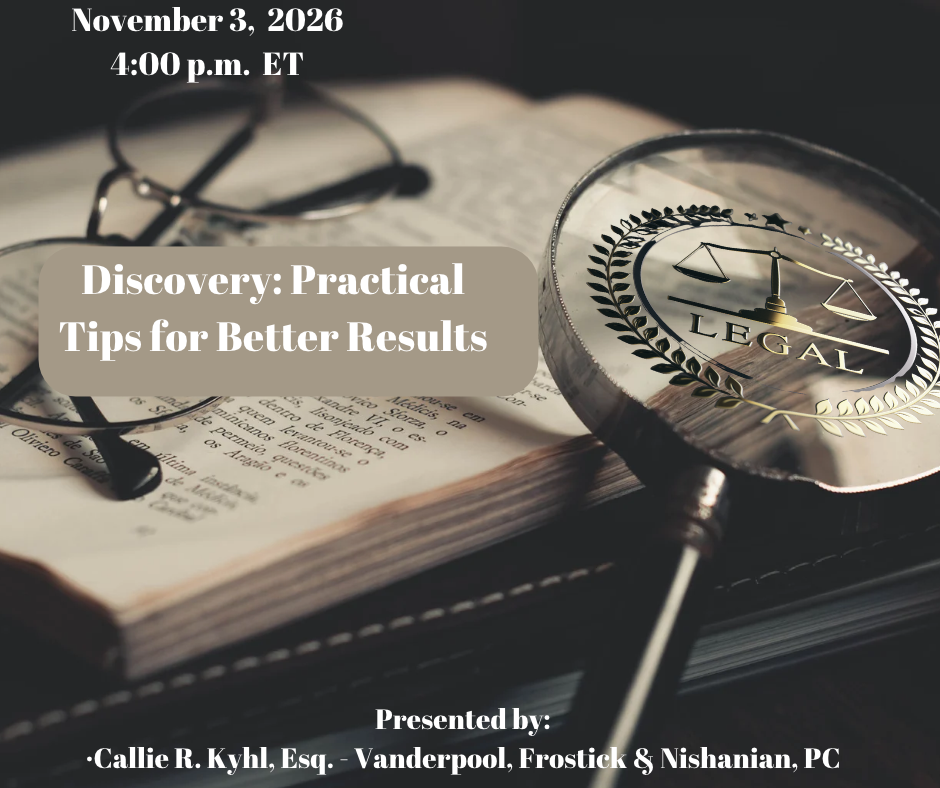
This program provides a practical roadmap to mastering every stage of the discovery process in civil...

This course is meant for lawyers of all levels and areas of practice, and in it, we will explore way...
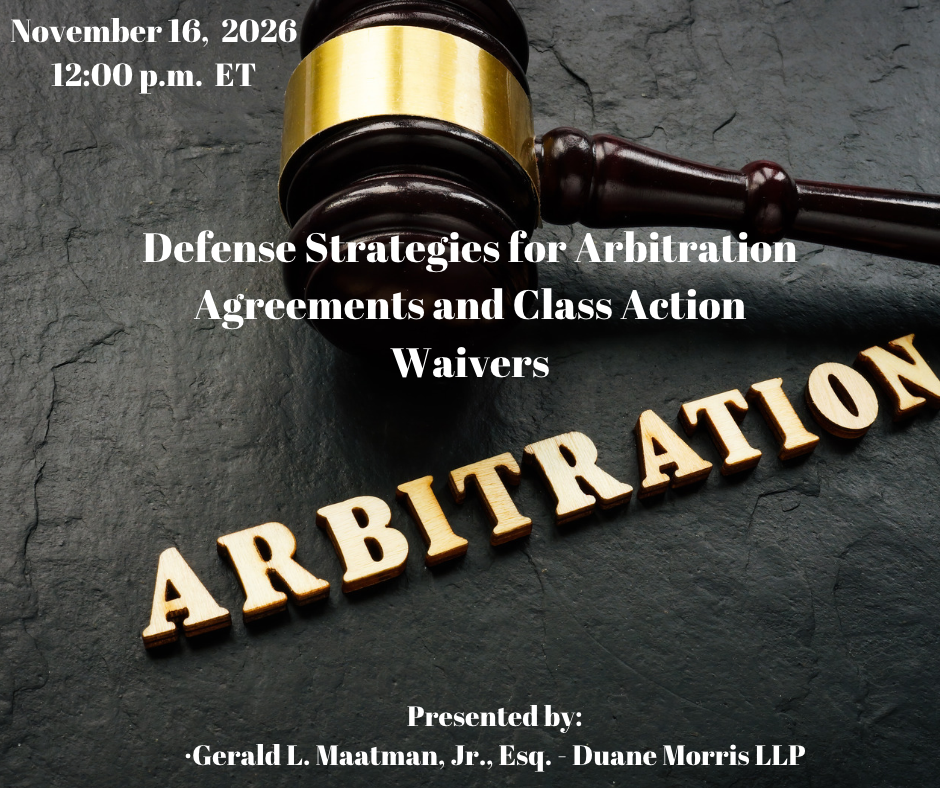
Class action waivers in arbitration agreements remain enforceable, but a decade of U.S. Supreme Cour...