
Exciting new series on “Voice, Body and Movement for Lawyers – How to connect with the jury and find Justice Through Dramatic Technique!”
Click here to find out more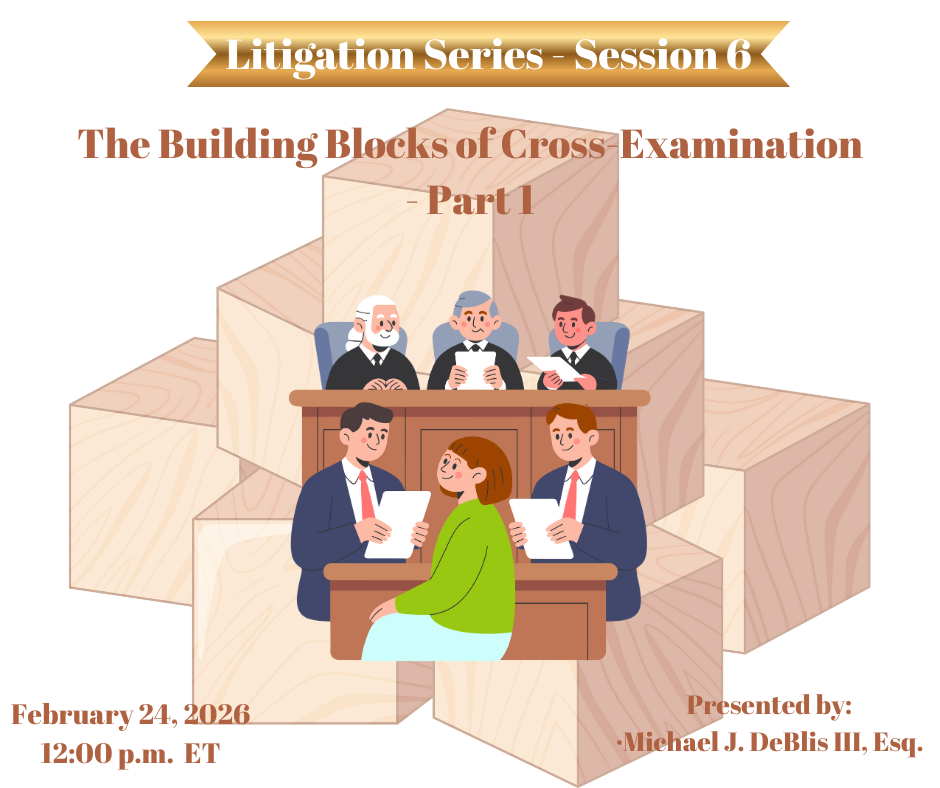
Part I introduces the foundational principles of cross?examination, explaining how lawyers must methodically prepare, identify vulnerabilities in testimony, and execute questioning with clarity and purpose. The program stresses that effective cross is not improvisation—it is a controlled performance anchored in careful anticipation of witness behavior.
By teaching attorneys to simplify objectives and avoid unnecessary risks, the presentation reframes cross?examination as a strategic storytelling device rather than a spontaneous battle.

New York City’s new Non-Primary Residence Property Surcharge—commonly known as the pied-...
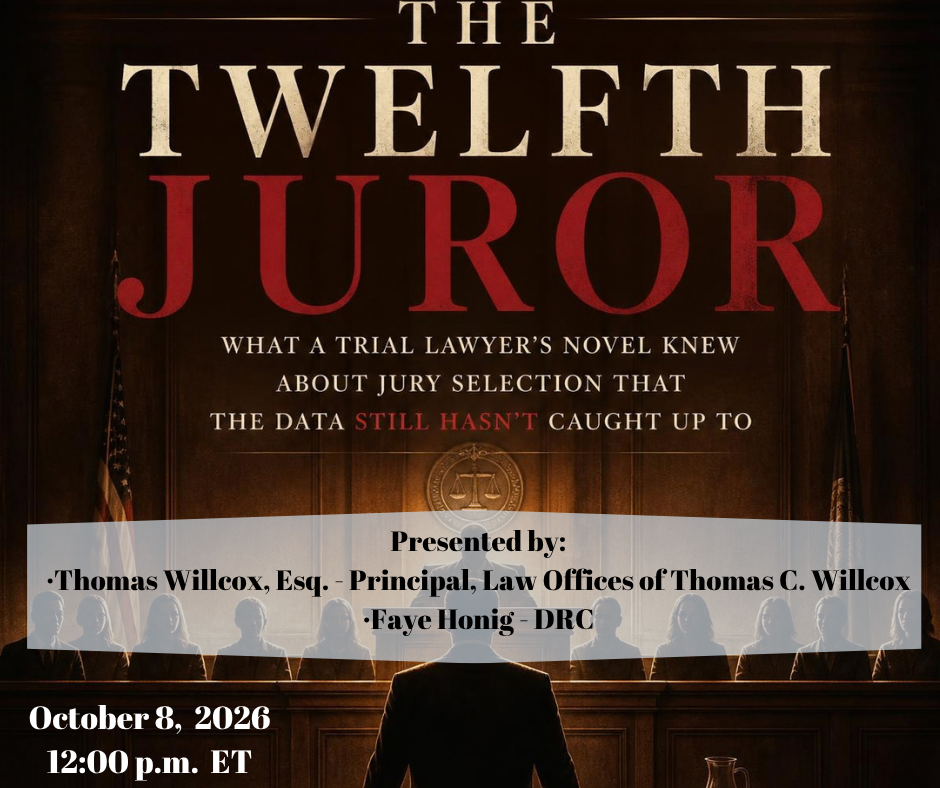
The Twelfth Juror: Lessons on Jury Selection from a Trial Lawyer’s Novel and a Trial Consultan...
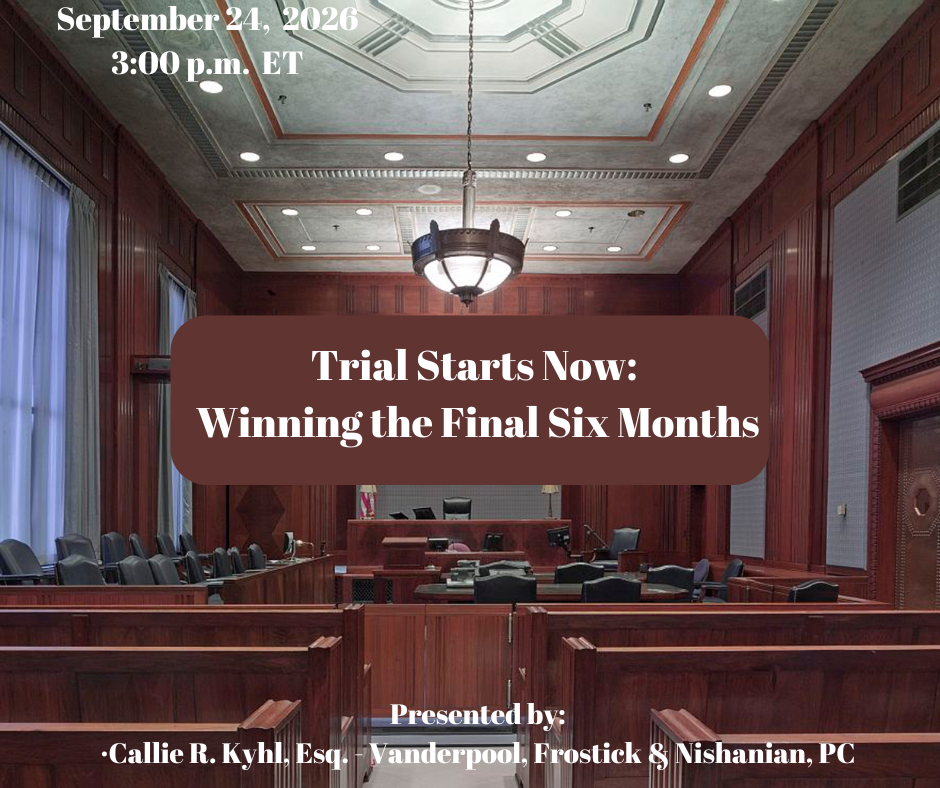
Trial Starts Now: Winning the Final Six Months provides a comprehensive guide to the critical tasks ...
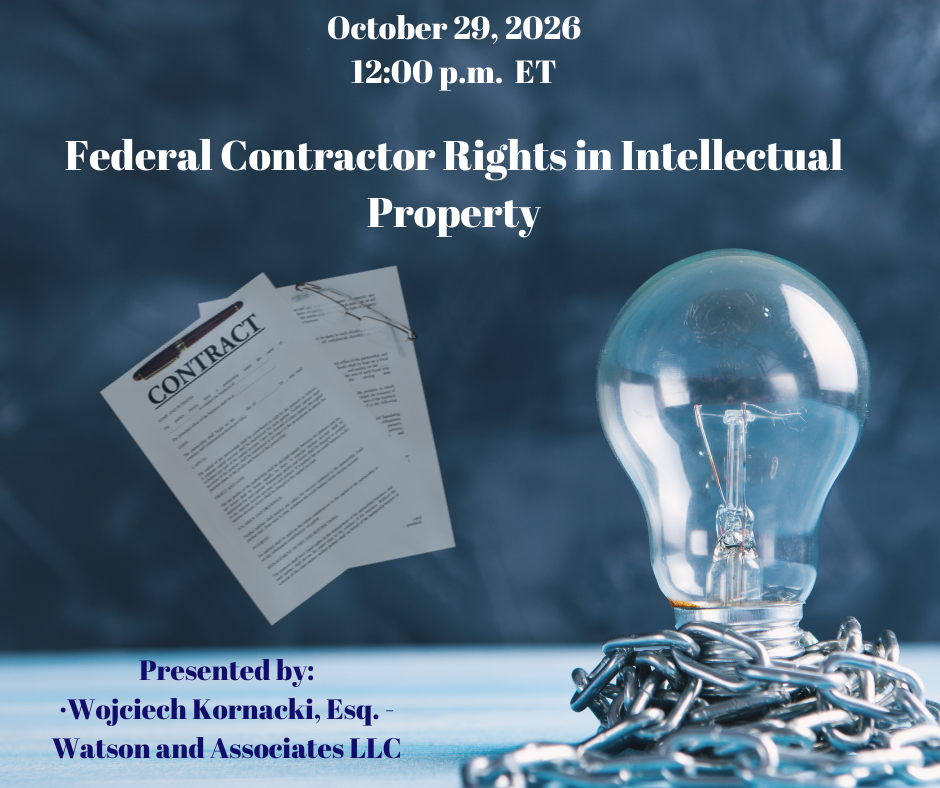
During this course, you will learn about best practices and strategies for retaining intellectual pr...
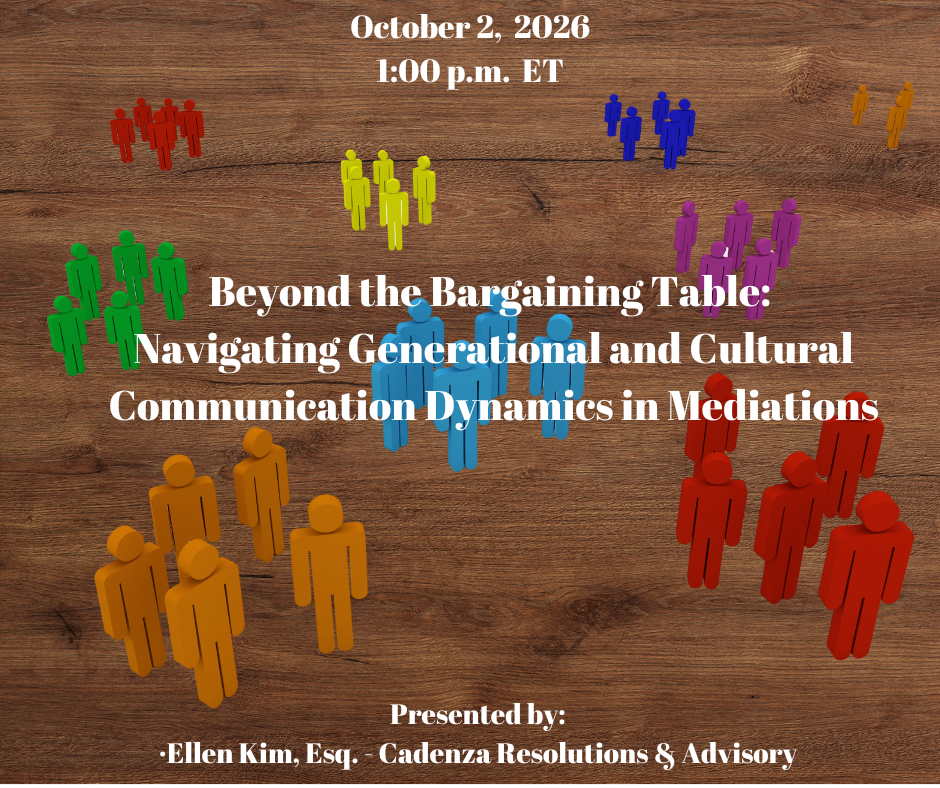
Modern mediation increasingly brings together parties, counsel, and neutrals across a broad range of...
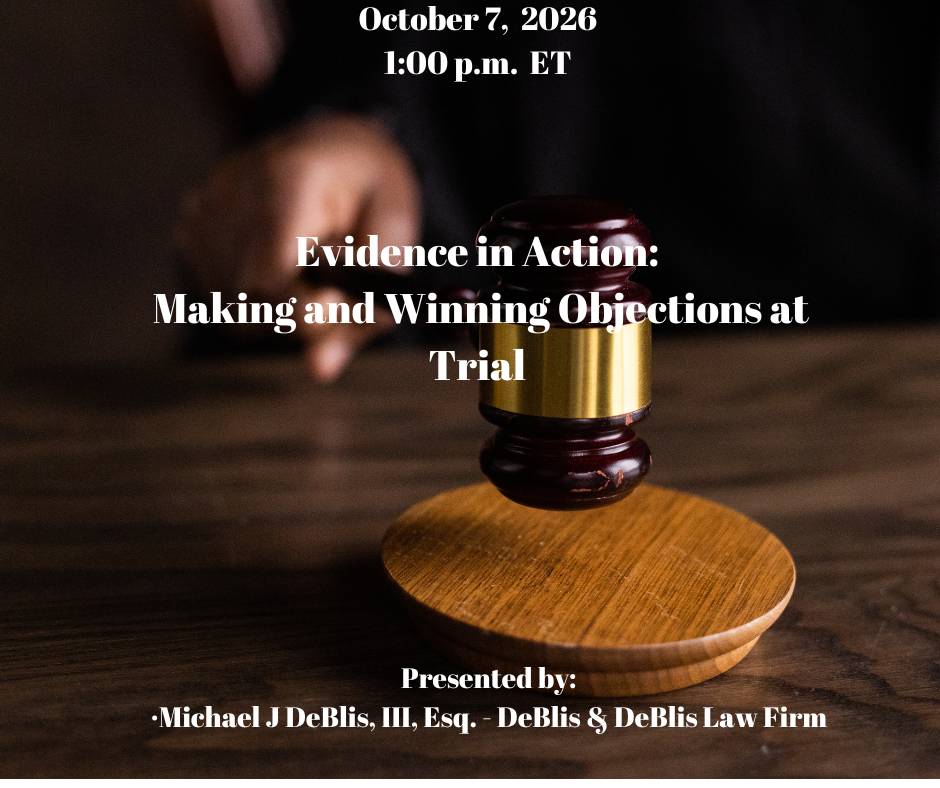
Objections are among the most powerful — and most misunderstood — tools in a trial lawye...
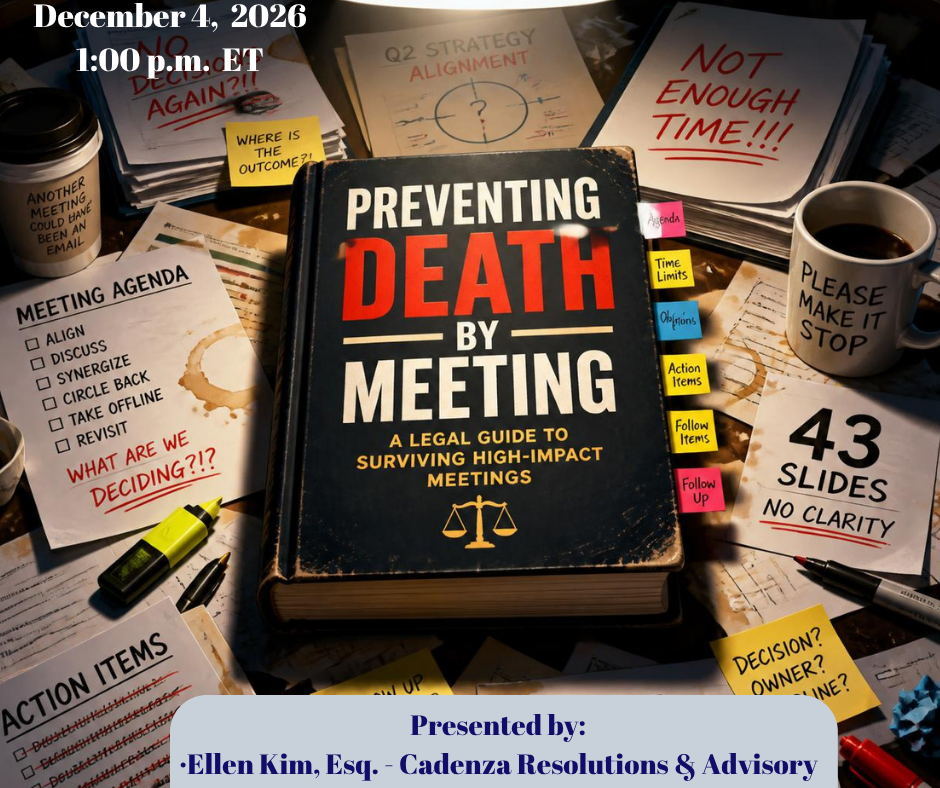
Lawyers lose hundreds of billable and operational hours every year to poorly managed meetings. Unfoc...
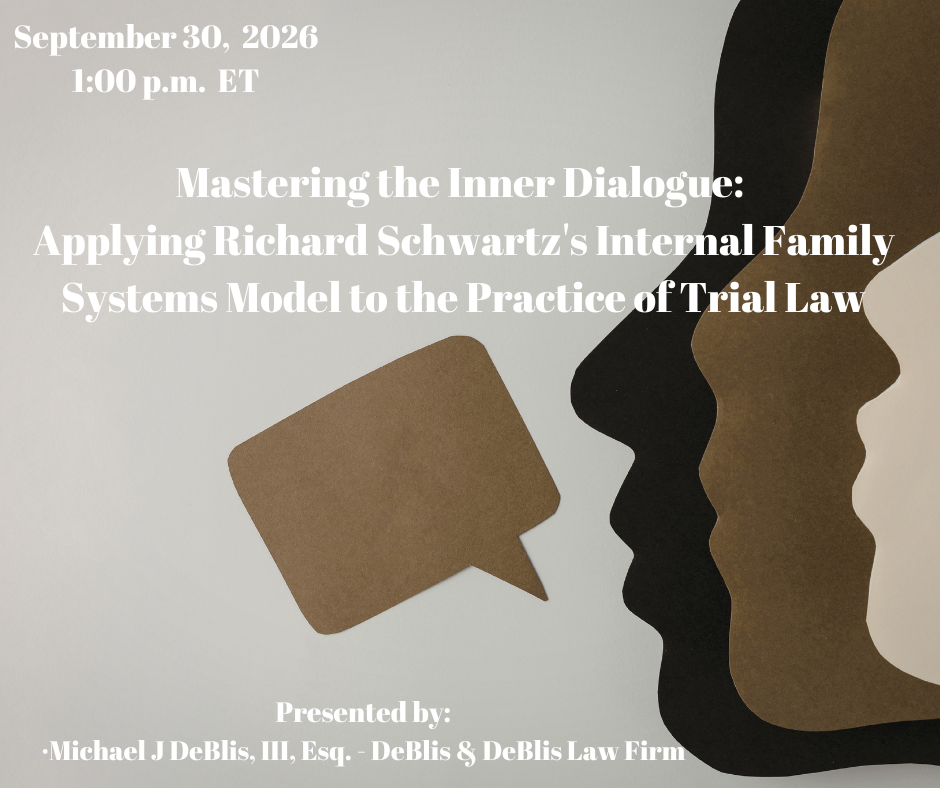
Every trial lawyer has experienced it: the inner critic before opening statements, the surge of ange...
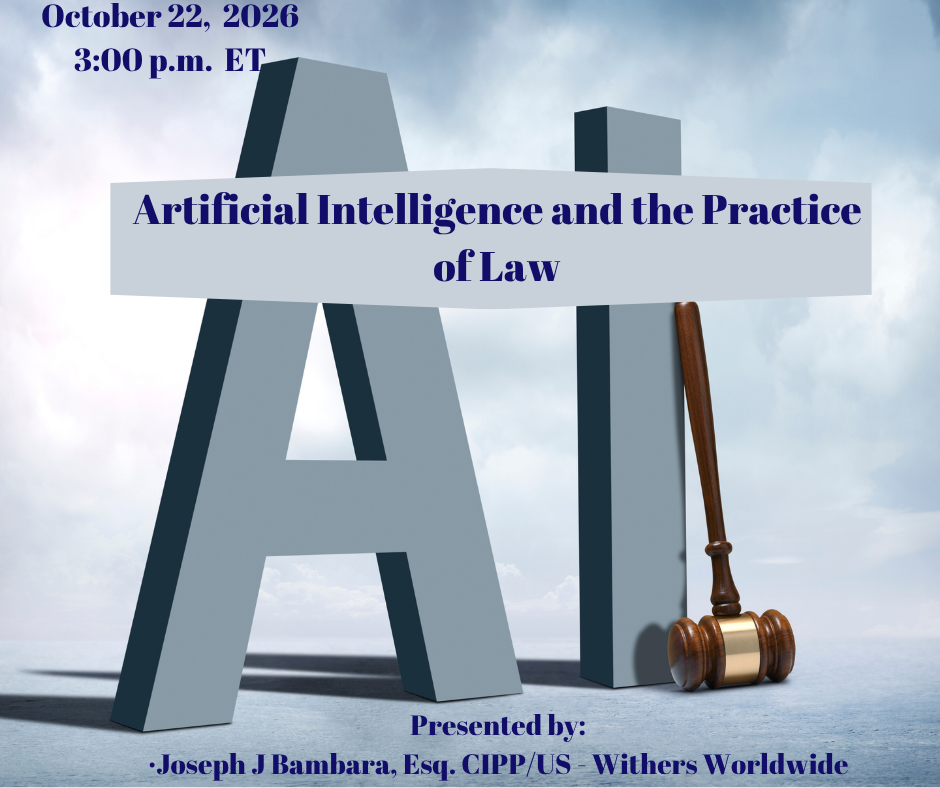
"Artificial Intelligence and the Practice of Law" (updated through 2026), is a 50-slide primer desig...
Decentralized Autonomous Organizations (DAOs) and other digital-native structures have moved from ni...