
Exciting new series on “Voice, Body and Movement for Lawyers – How to connect with the jury and find Justice Through Dramatic Technique!”
Click here to find out more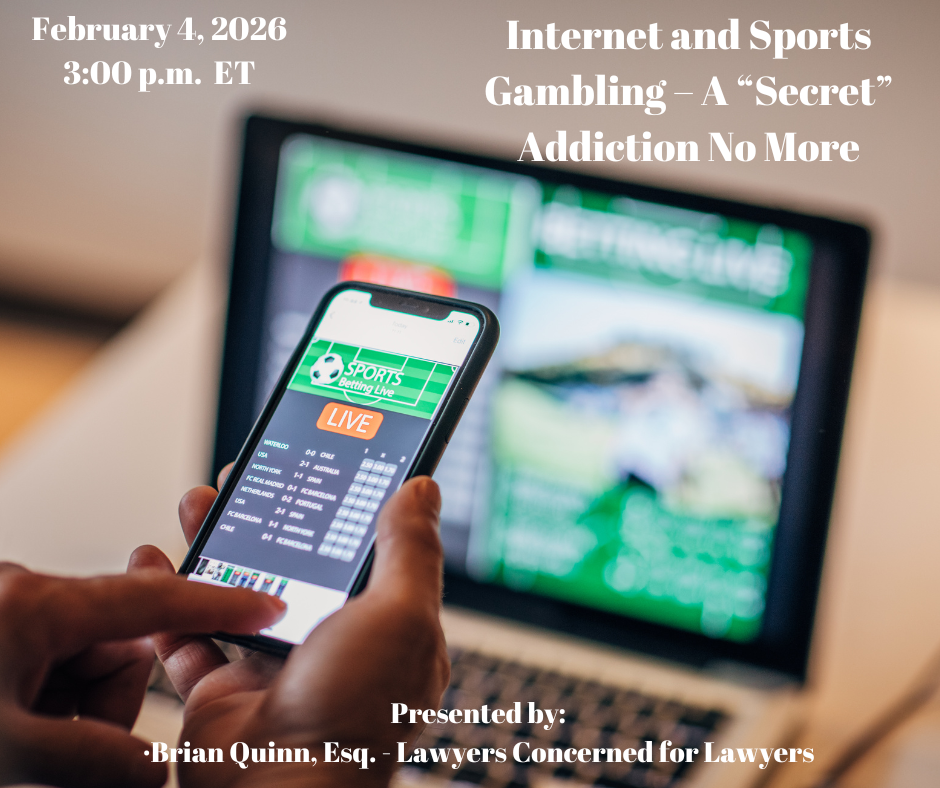
The statistics are compelling and clearly indicate that 1 out of 3 attorneys will likely have a need for substance use or mental health services at some point in their careers.
What about that “other” addiction – Gambling?
In 2018, the United States Supreme Court, in Murphy Vs. NCAA, held that sports gambling was legal in all of the United States. By 2019, many states began approving both traditional and sports betting, making on-line gambling accessible by cell phone, computer, and tablets. As the world changed in 2020 with the onset of work from home law practices due to COVID-19, isolation and easy access to gambling followed. With it came the compulsive gambler.
Internet gambling and Sports betting apps are now an everyday part of watching television. Whether these forms of gambling are ever “risk free” may depend upon the nature of the risk involved. The connection between compulsive gambling, financial crimes and self-harm is compelling.
This program will explore not only Gambling Disorder, but also the connection between gambling and the more well-known forms of impairment and why lawyers are at higher risk to develop problems. The results are startling.
Key Topics:
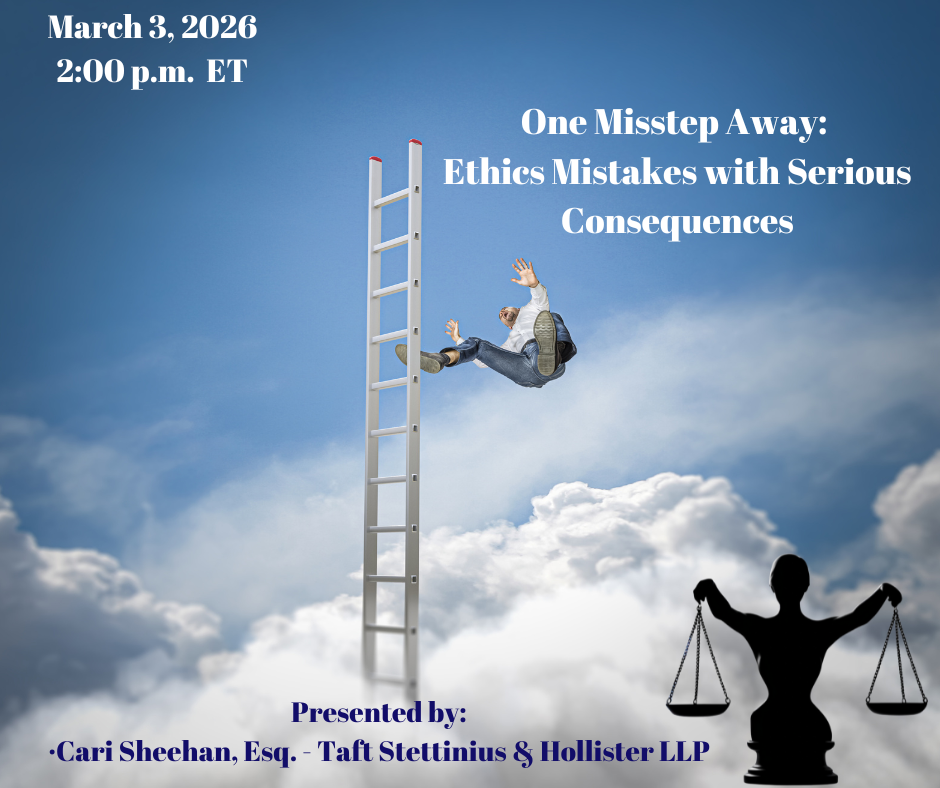
This ethics program examines common, but often avoidable, professional responsibility mistakes that ...
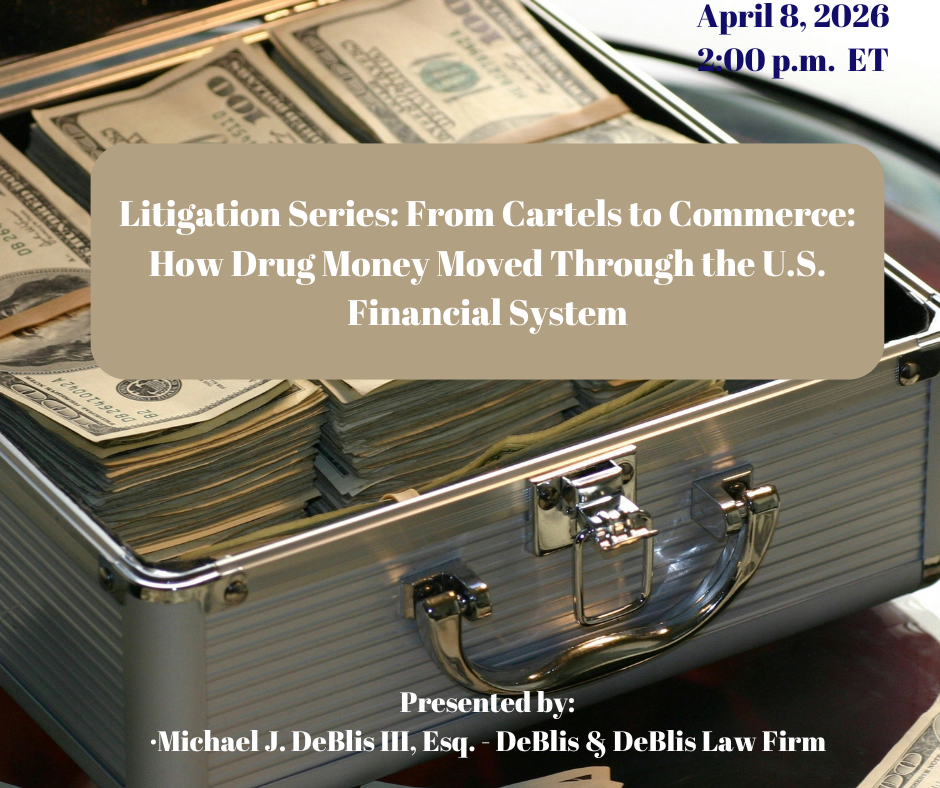
This program provides a detailed examination of the Black Market Peso Exchange (BMPE), one of the mo...
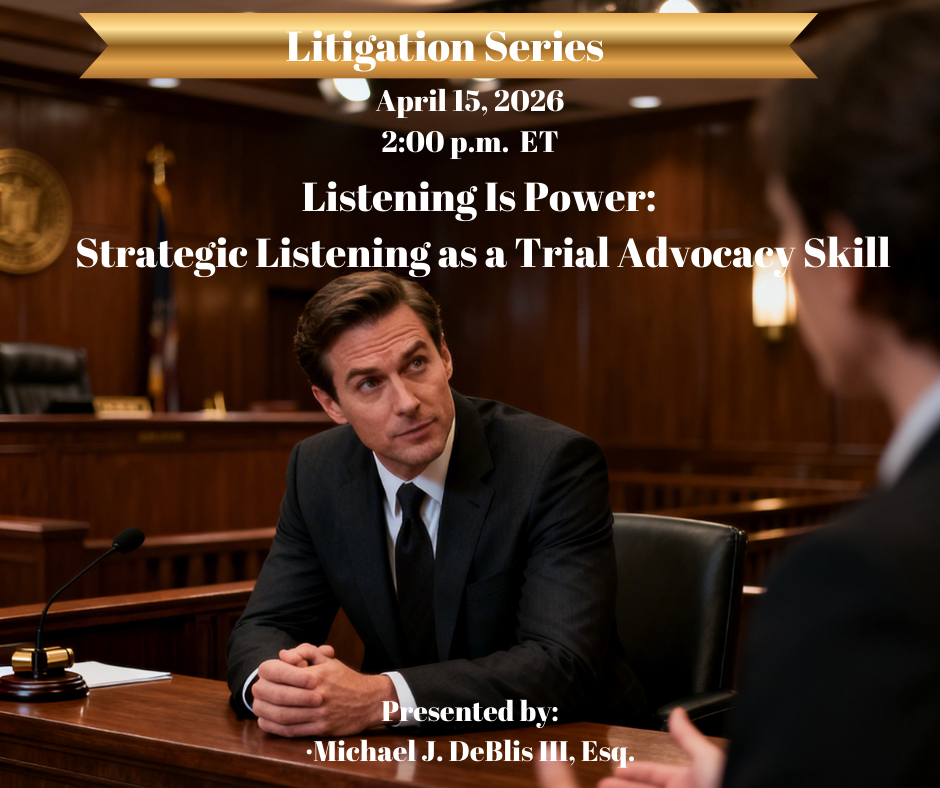
This program examines listening as an active, strategic trial advocacy skill rather than a passive c...
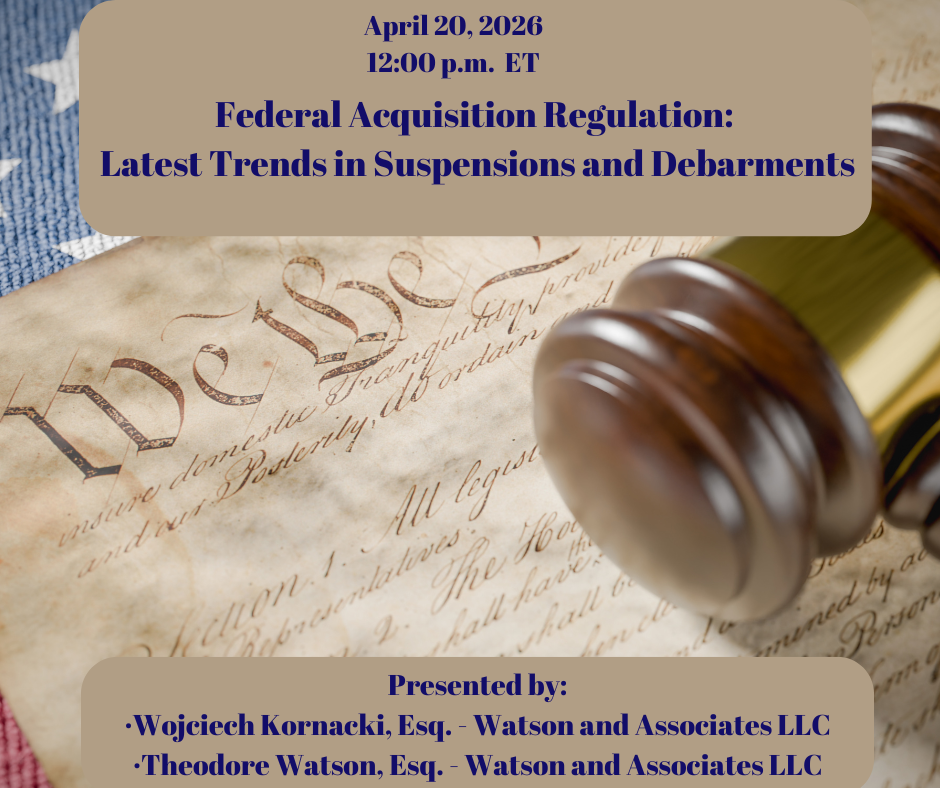
Learn about the latest trends in Federal Suspension and Debarments. This presentation will assist yo...
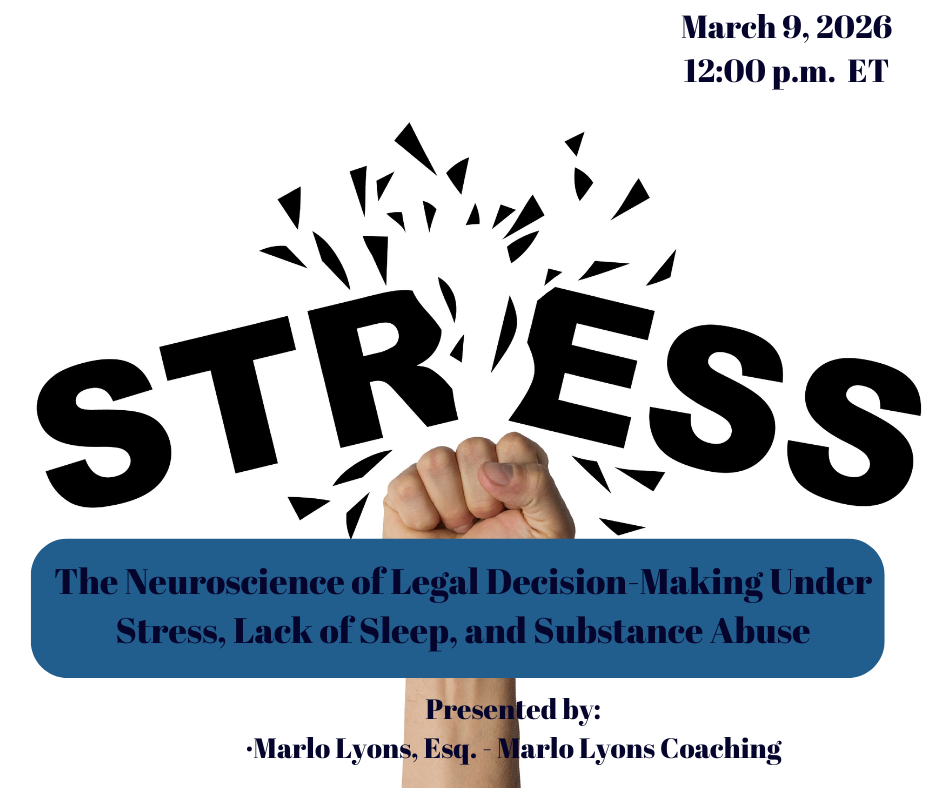
This dynamic and compelling presentation explores how chronic stress, sleep deprivation, and substan...
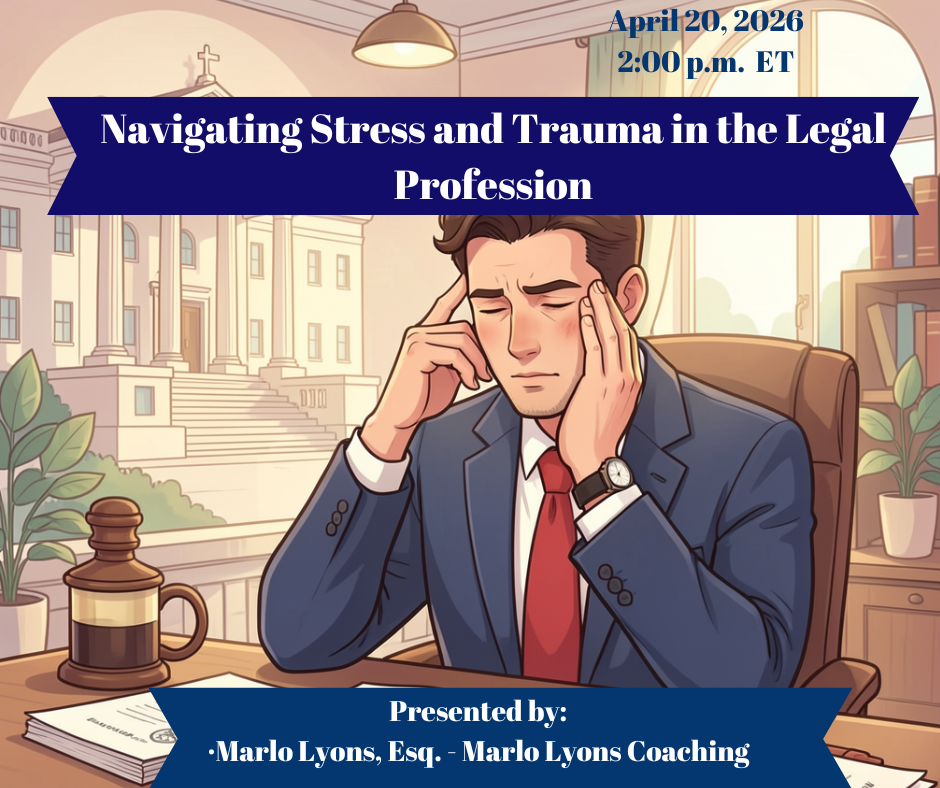
Navigating Stress and Trauma in the Legal Profession, explores the unique challenges faced by legal ...
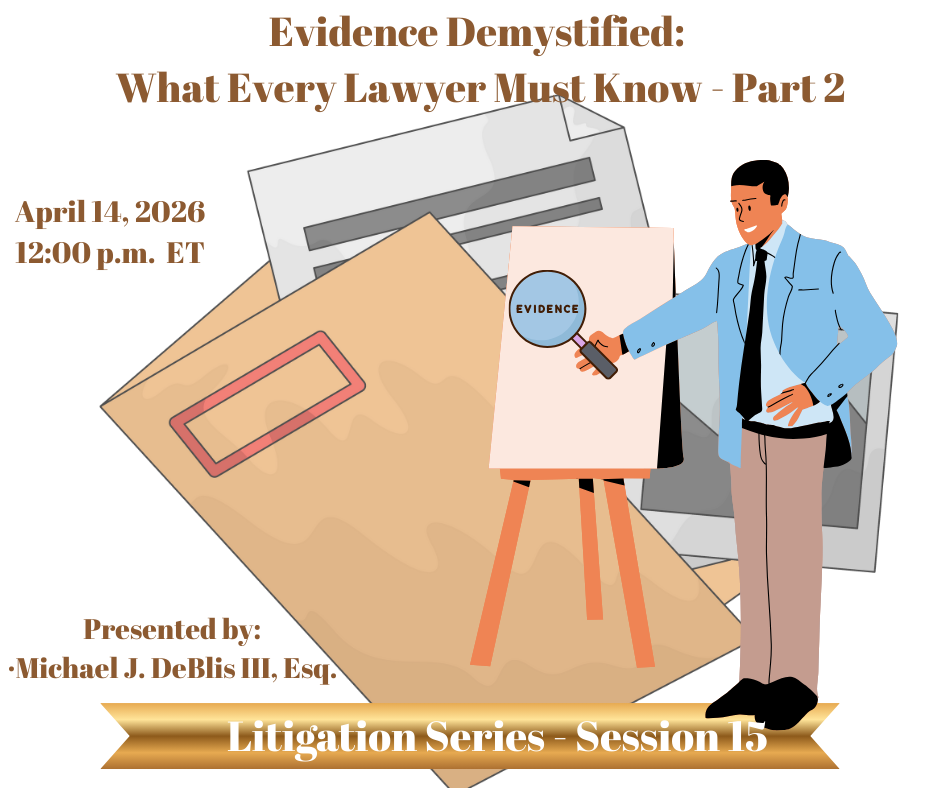
Evidence Demystified Part 2 covers key concepts in the law of evidence, focusing on witnesses, credi...
Part 2 - This program will continue the discussion from Part 1 focusing specifically on cross?examin...
This Shakespeare?inspired program illustrates how Shakespearean technique can enrich courtroom advoc...
This program will address some of the most common intellectual property (IP) issues that arise in co...