
Exciting new series on “Voice, Body and Movement for Lawyers – How to connect with the jury and find Justice Through Dramatic Technique!”
Click here to find out more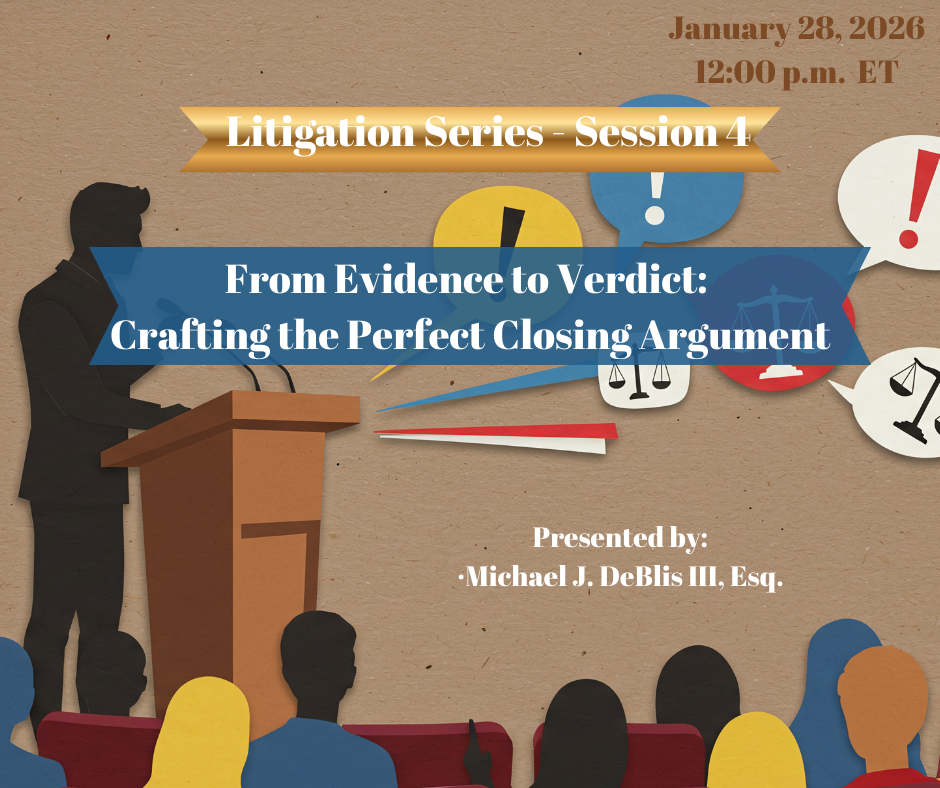
This program examines the strategy and artistry of closing argument, positioning it as a lawyer’s final opportunity to weave facts, law, and emotion into a unified, persuasive story. It highlights key techniques such as emphasizing credibility, returning to central themes, and speaking with authenticity so jurors feel guided rather than lectured.
The program stresses that great closings do not simply repeat evidence—they illuminate meaning, reinforce moral logic, and empower jurors to act with clarity and conviction.
"Artificial Intelligence and the Practice of Law" (updated through 2026), is a 50-slide primer desig...
As the largest purchaser of goods and services in the world, the United States Government requires f...
Trial Starts Now: Winning the Final Six Months provides a comprehensive guide to the critical tasks ...
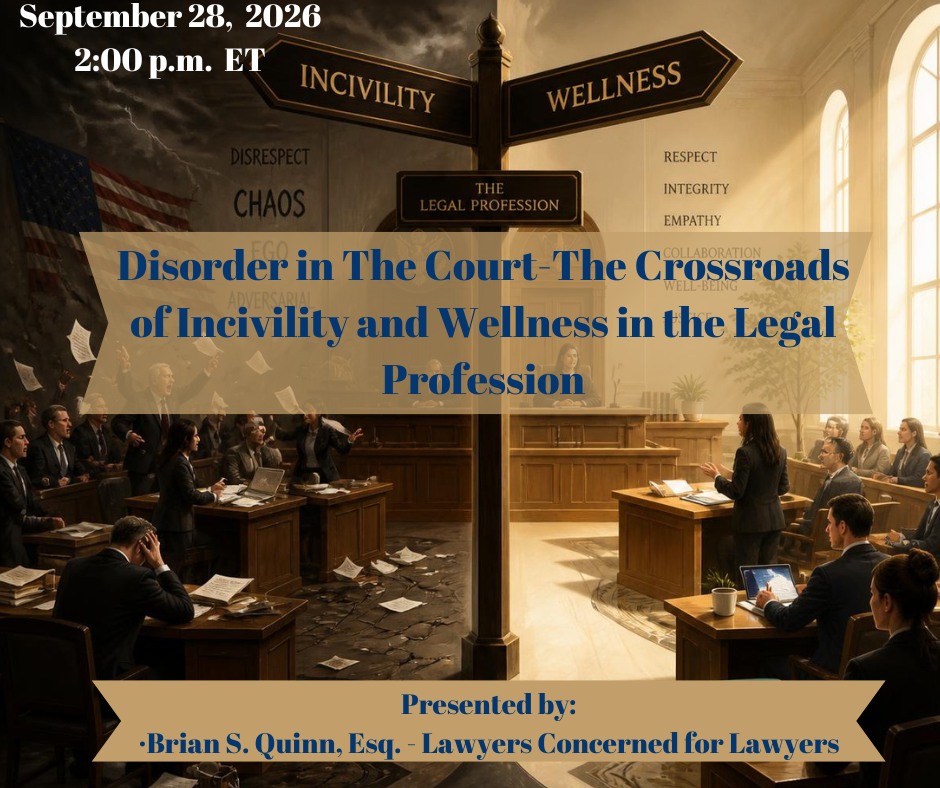
Abrasive or burned out? Overworked or uncivil? Zealous advocate or bully? The legal profession is c...
Objections are among the most powerful — and most misunderstood — tools in a trial lawye...
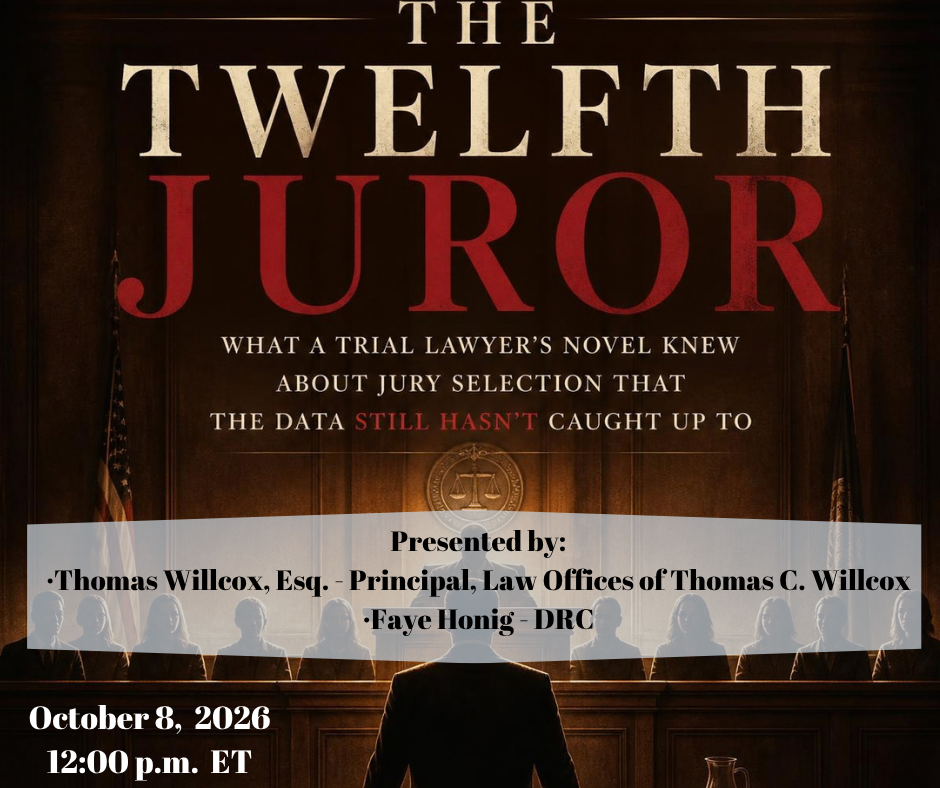
The Twelfth Juror: Lessons on Jury Selection from a Trial Lawyer’s Novel and a Trial Consultan...
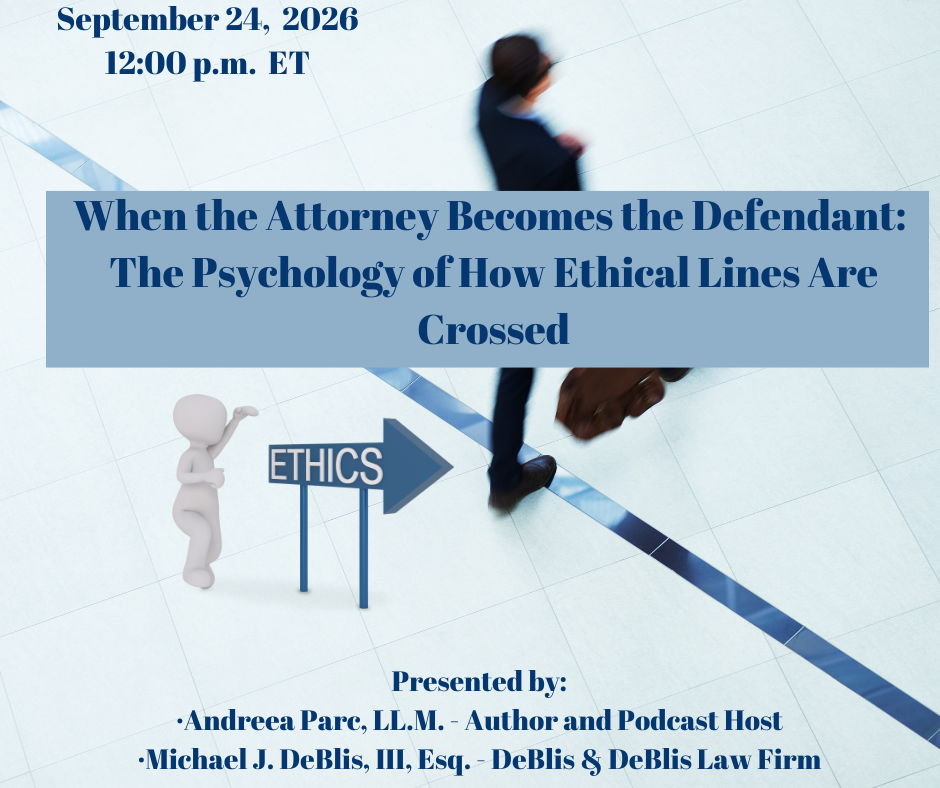
This program addresses a gap no standard ethics CLE reaches: the psychology of what happens inside t...
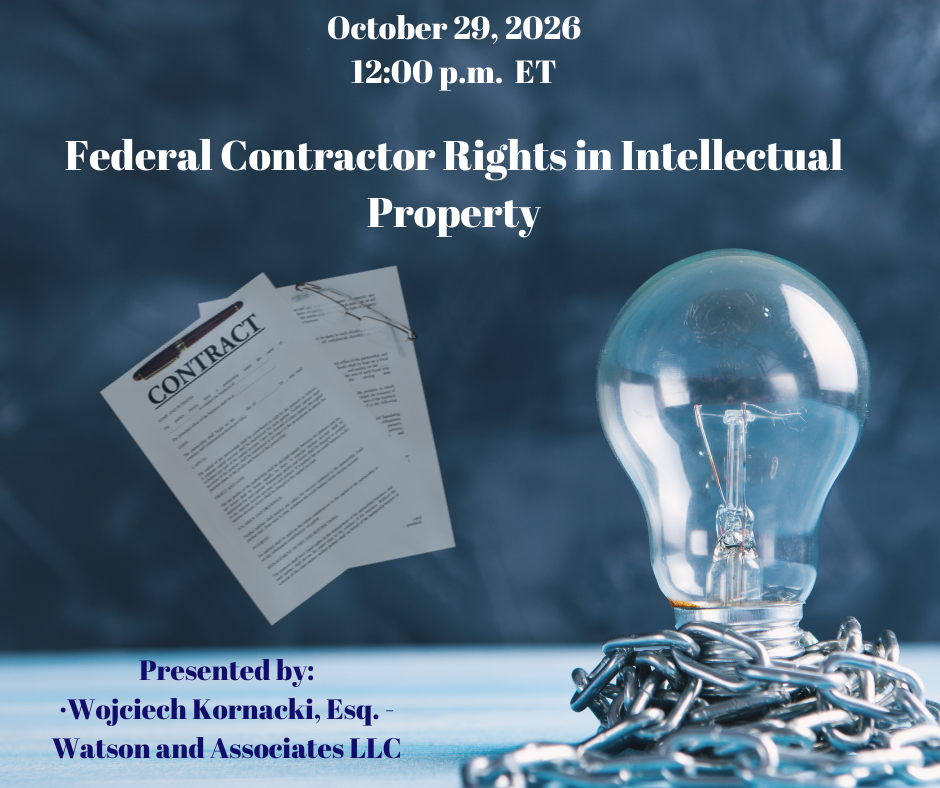
During this course, you will learn about best practices and strategies for retaining intellectual pr...
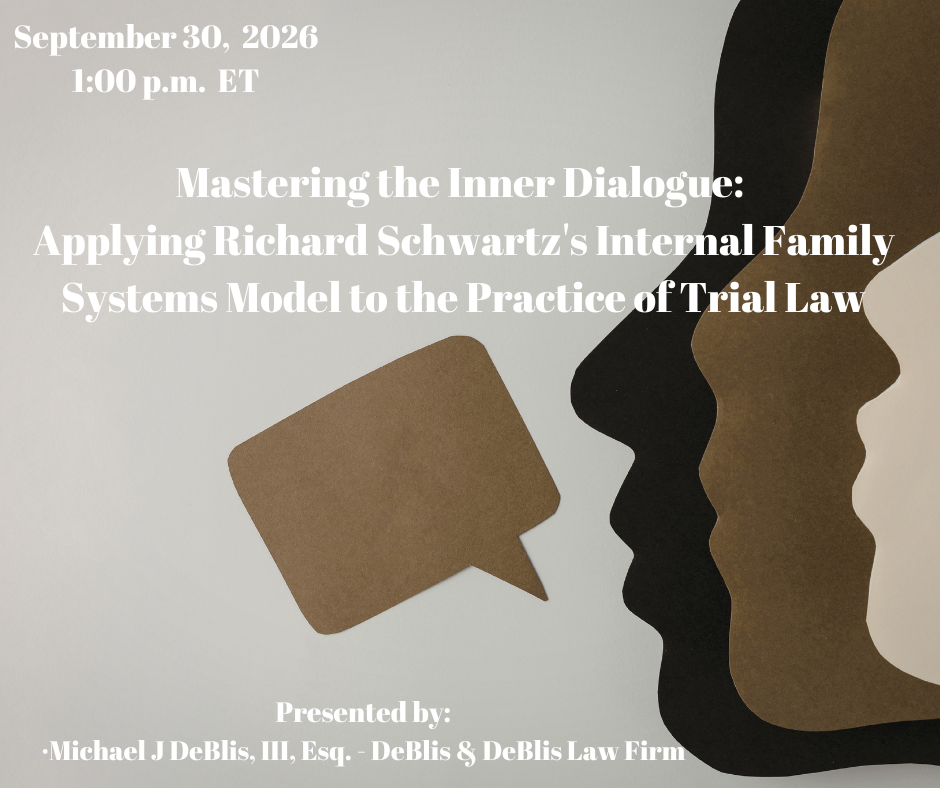
Every trial lawyer has experienced it: the inner critic before opening statements, the surge of ange...
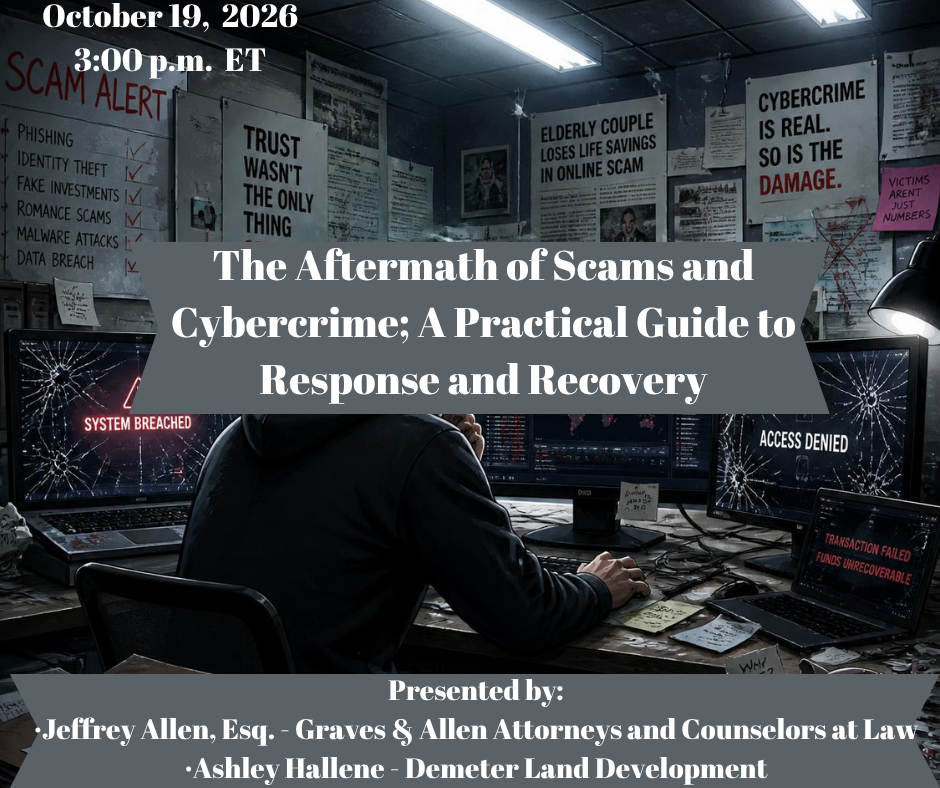
The Aftermath of Scams and Cybercrime: A Practical Guide to Response and Recovery examines the immed...