
Exciting new series on “Voice, Body and Movement for Lawyers – How to connect with the jury and find Justice Through Dramatic Technique!”
Click here to find out more
Everyday, lawyers have to navigate conflicts of interest to determine when they can take on a new representation or when they must withdraw from an existing one. This CLE will cover the more complicated conflict of interest scenarios—the so-called “hot potato” doctrine and “thrust-upon” conflicts.
The CLE will describe the critical provisions of Rule 1.7 (current client conflicts) and Rule 1.9 (former client conflicts) as well as common law created doctrines that govern disqualification proceedings. It will conclude by providing practical guidance on how to avoid conflicts and how best to navigate them should they nonetheless arise.
During this course you will take a deep dive into federal bid protest litigation at the U.S. Court o...
Confidentiality Agreements (also called NDAs) are too often treated as routine. So routine, th...
New York City’s new Non-Primary Residence Property Surcharge—commonly known as the pied-...
Class action waivers in arbitration agreements remain enforceable, but a decade of U.S. Supreme Cour...
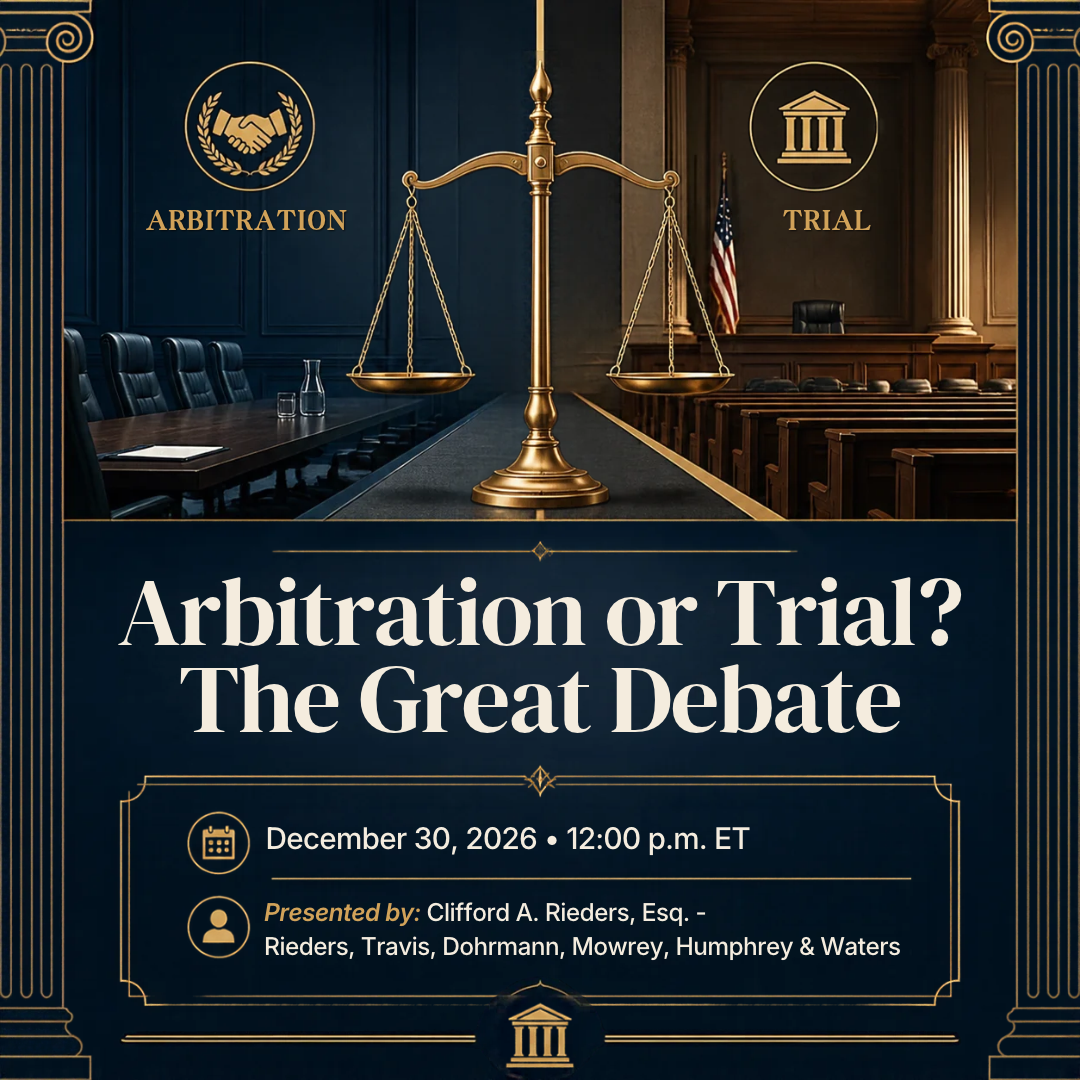
This seminar concerns a scope, jurisdiction, and exceptions to the Federal Arbitration Act. The Act ...
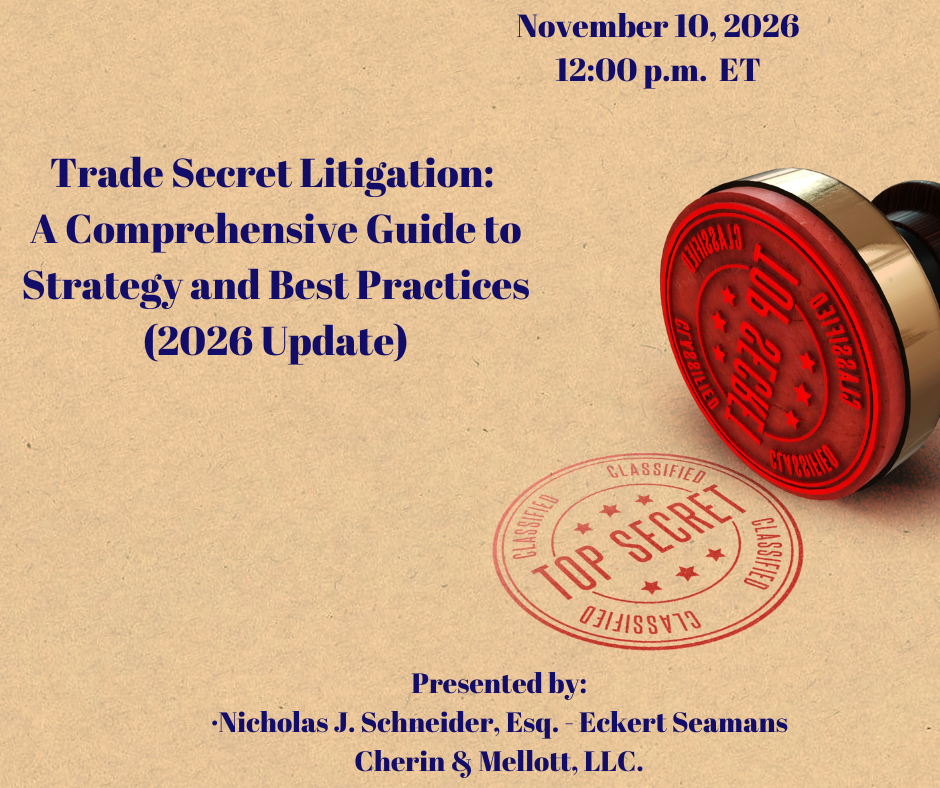
This course on trade secrets litigation provides real-world best practices through all key stages of...

This program provides a practical roadmap to mastering every stage of the discovery process in civil...
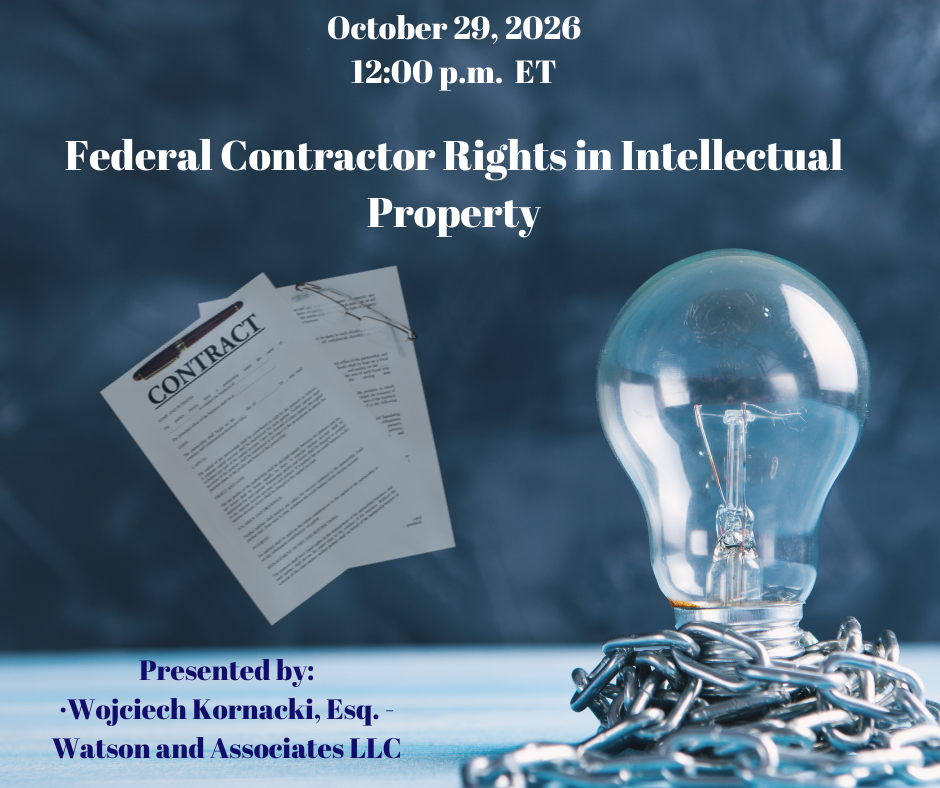
During this course, you will learn about best practices and strategies for retaining intellectual pr...
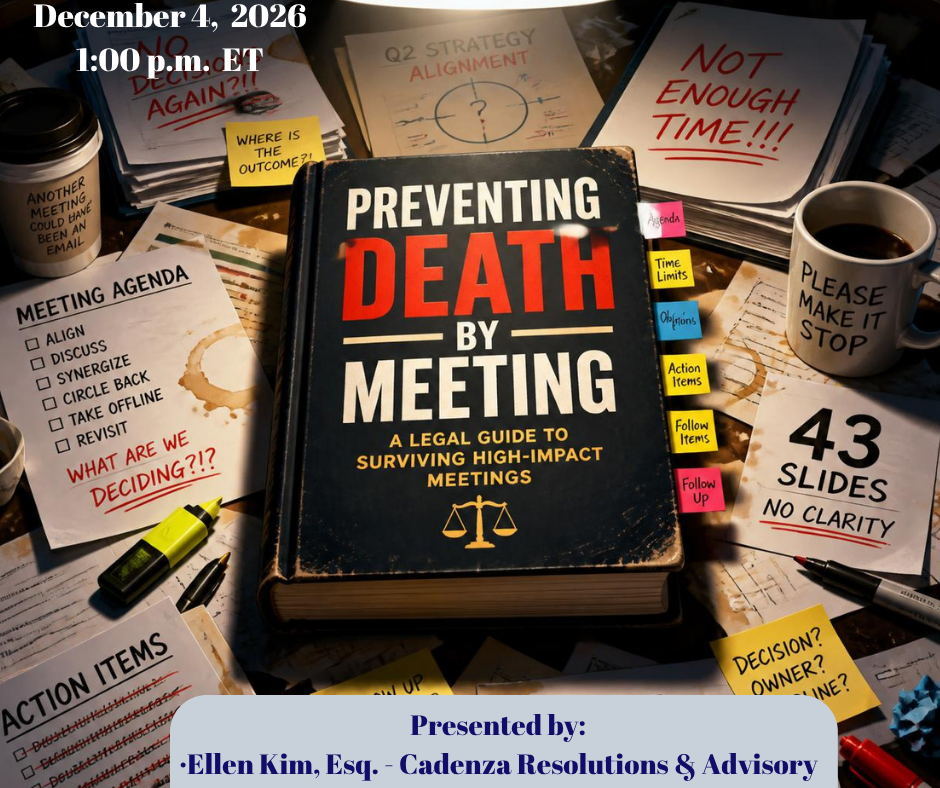
Lawyers lose hundreds of billable and operational hours every year to poorly managed meetings. Unfoc...
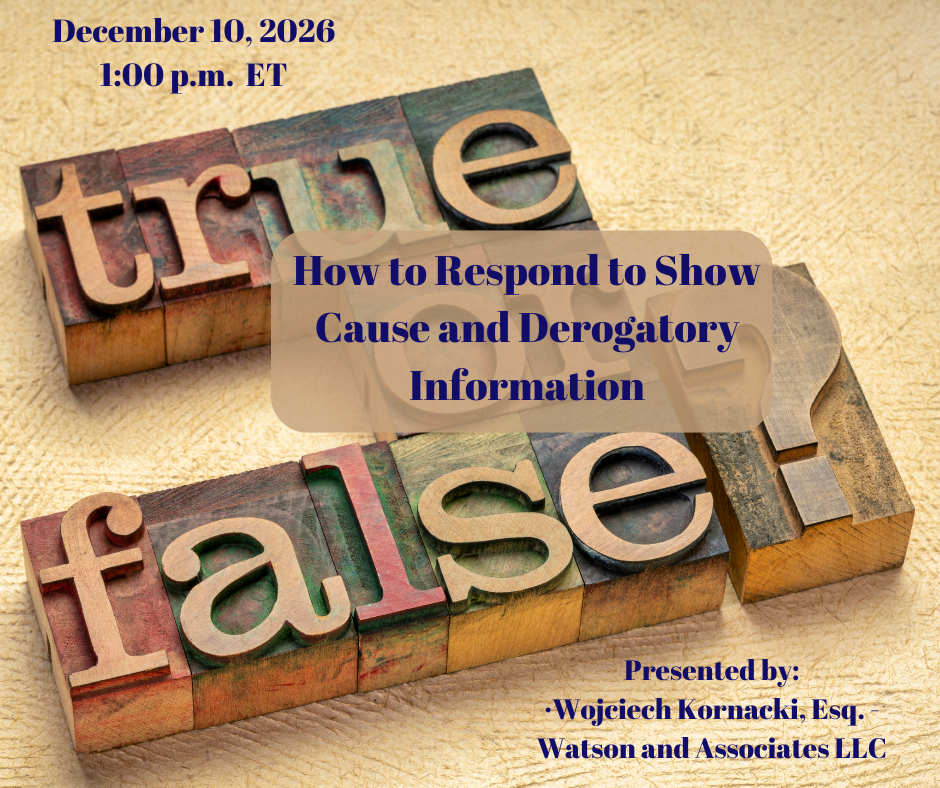
Adverse and derogatory information often has devastating effects on a contractor's ability to win co...