
Exciting new series on “Voice, Body and Movement for Lawyers – How to connect with the jury and find Justice Through Dramatic Technique!”
Click here to find out more
This session provides a foundational understanding of the rules and regulations governing ACH (Automated Clearing House) transactions in the United States. Participants will learn about the NACHA Operating Rules, key federal regulations, and industry standards that shape ACH processing. The course covers the responsibilities of financial institutions, risk considerations, and how to ensure compliance with regulatory requirements. This training is ideal for compliance officers, operations teams, fintech partners, and anyone involved in payments or money movement.
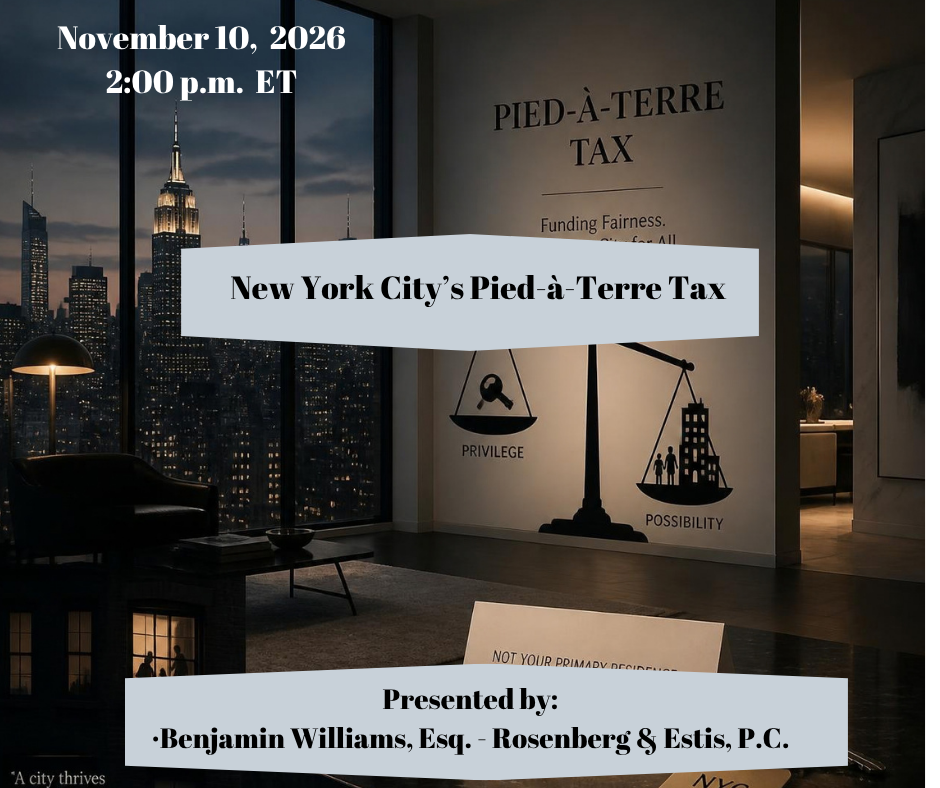
New York City’s new Non-Primary Residence Property Surcharge—commonly known as the pied-...
This program provides a practical roadmap to mastering every stage of the discovery process in civil...
Confidentiality Agreements (also called NDAs) are too often treated as routine. So routine, th...

Perfectionism is often rewarded in the legal profession. It drives attention to detail, thorough pre...
The practice of law places legal professionals under extraordinary and often chronic stress, making ...
This course on trade secrets litigation provides real-world best practices through all key stages of...
Class action waivers in arbitration agreements remain enforceable, but a decade of U.S. Supreme Cour...
This seminar concerns a scope, jurisdiction, and exceptions to the Federal Arbitration Act. The Act ...
Lawyers lose hundreds of billable and operational hours every year to poorly managed meetings. Unfoc...
2026 was a very important year when it comes to federal procurement developments, Artificial Intelli...