
Exciting new series on “Voice, Body and Movement for Lawyers – How to connect with the jury and find Justice Through Dramatic Technique!”
Click here to find out more
The presenter will be describing her personal history of 20 years of drug use and 30 years of sobriety. She will explain how she transitioned from a teenager shooting methamphetamine to a federal administrative law judge. She will then will provide information about substance use disorder, such as definitions and frequency among attorneys. She will review the interplay between substance use disorder and the relevant ethics rules. Finally, she will provide tips, guidance, and resources for those seeking to recover.
She will be covering ABA Model Rules 1.1, 1.3, 1.4, 1.7, 1.15, 1.16, 3.2, 5.1, 8.4
This seminar concerns a scope, jurisdiction, and exceptions to the Federal Arbitration Act. The Act ...
Confidentiality Agreements (also called NDAs) are too often treated as routine. So routine, th...
New York City’s new Non-Primary Residence Property Surcharge—commonly known as the pied-...
Turn decades of client relationships into lasting equity. This practical CLE shows attorneys how to ...
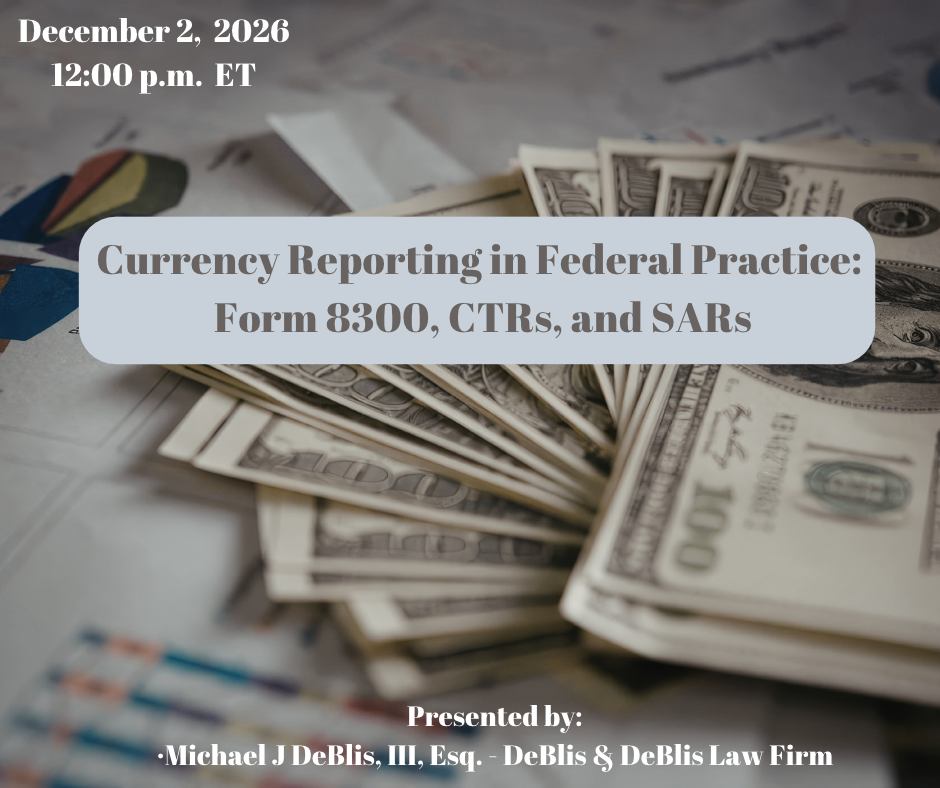
This program provides trial attorneys with a thorough grounding in the three principal currency repo...
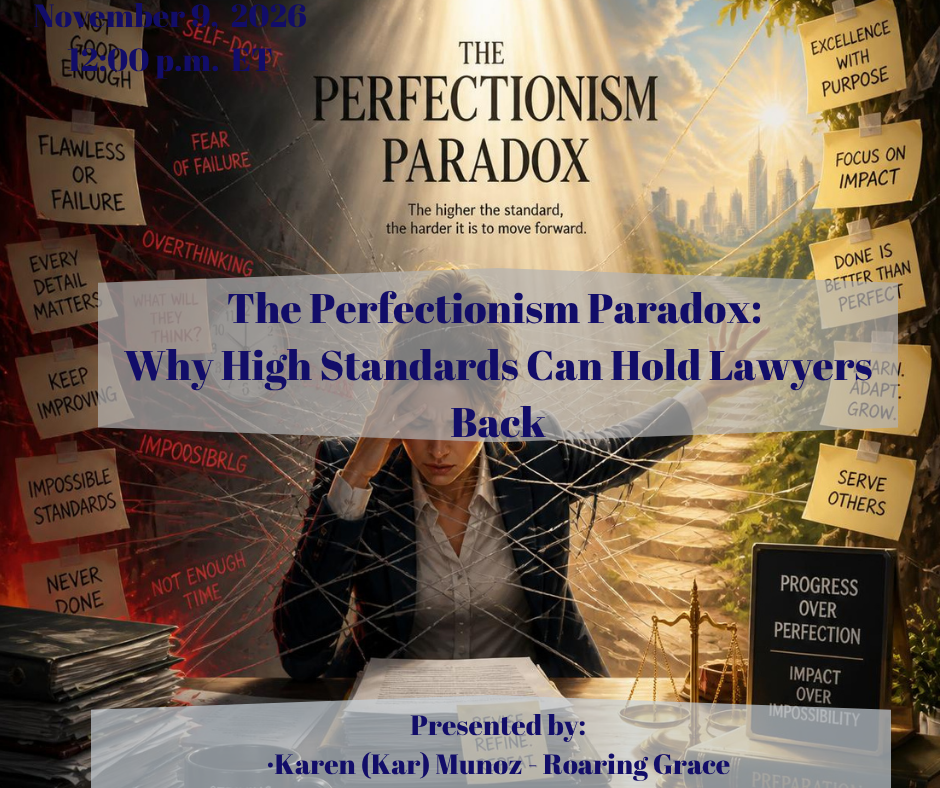
Perfectionism is often rewarded in the legal profession. It drives attention to detail, thorough pre...
2026 was a very important year when it comes to federal procurement developments, Artificial Intelli...

I was wrongfully separated from the military and I will get no military pay and disability retiremen...
As the largest purchaser of goods and services in the world, the United States Government requires f...

During this course, you will learn about best practices and strategies for retaining intellectual pr...