
Exciting new series on “Voice, Body and Movement for Lawyers – How to connect with the jury and find Justice Through Dramatic Technique!”
Click here to find out more
The recent wave of cryptocurrency bankruptcy cases has led to several issues of first impression being resolved in the bankruptcy courts. In particular, these include complex questions regarding property of the estate, claim valuation, communications with creditors, and the intersection between criminal law and bankruptcy. While certain lessons may be learned from the Chapter 11 cases of banks and financial institutions, others are unique to the crypto sphere. This webinar will introduce attendees to these issues through the lens of several recent bankruptcy cases.
Learning Objectives:
• Identify the unique issues arising from the failure of cryptocurrency companies.
• Explore how the Chapter 11 process is, and is not, well-suited to deal with these issues.
• Analyze and compare the Chapter 11 cases of conventional financial institutions with cryptocurrency bankruptcies.
• Analyze the concept of “property of the estate” and how criminal forfeiture law intersects with bankruptcy jurisdiction.
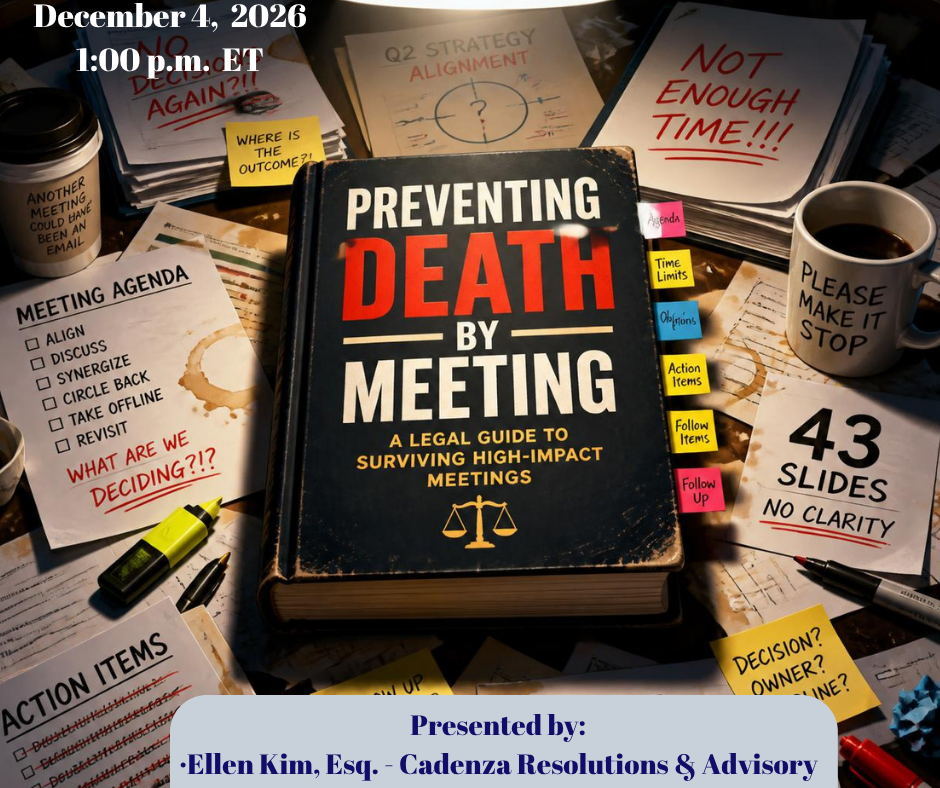
Lawyers lose hundreds of billable and operational hours every year to poorly managed meetings. Unfoc...
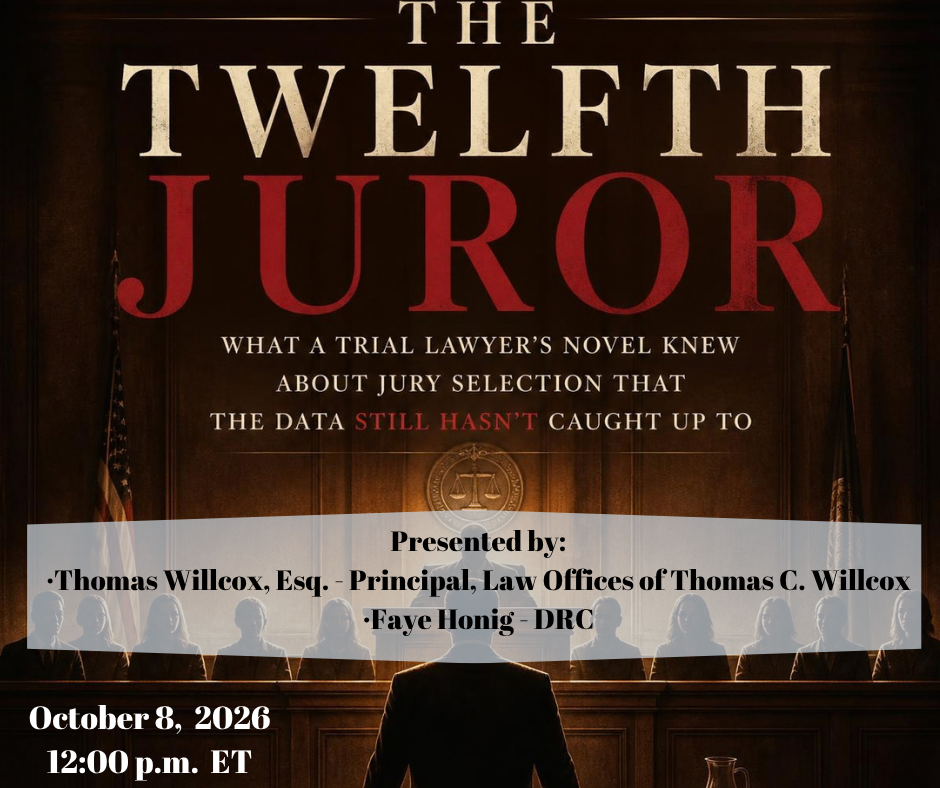
The Twelfth Juror: Lessons on Jury Selection from a Trial Lawyer’s Novel and a Trial Consultan...
Decentralized Autonomous Organizations (DAOs) and other digital-native structures have moved from ni...
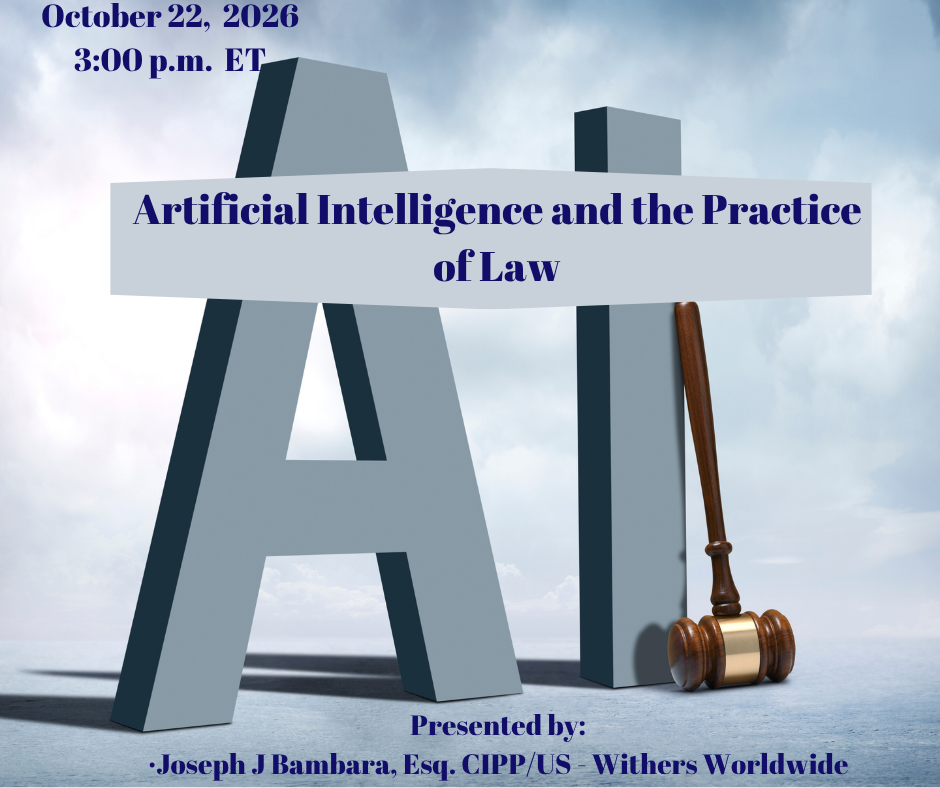
"Artificial Intelligence and the Practice of Law" (updated through 2026), is a 50-slide primer desig...
Every trial lawyer has experienced it: the inner critic before opening statements, the surge of ange...
Modern mediation increasingly brings together parties, counsel, and neutrals across a broad range of...
Objections are among the most powerful — and most misunderstood — tools in a trial lawye...
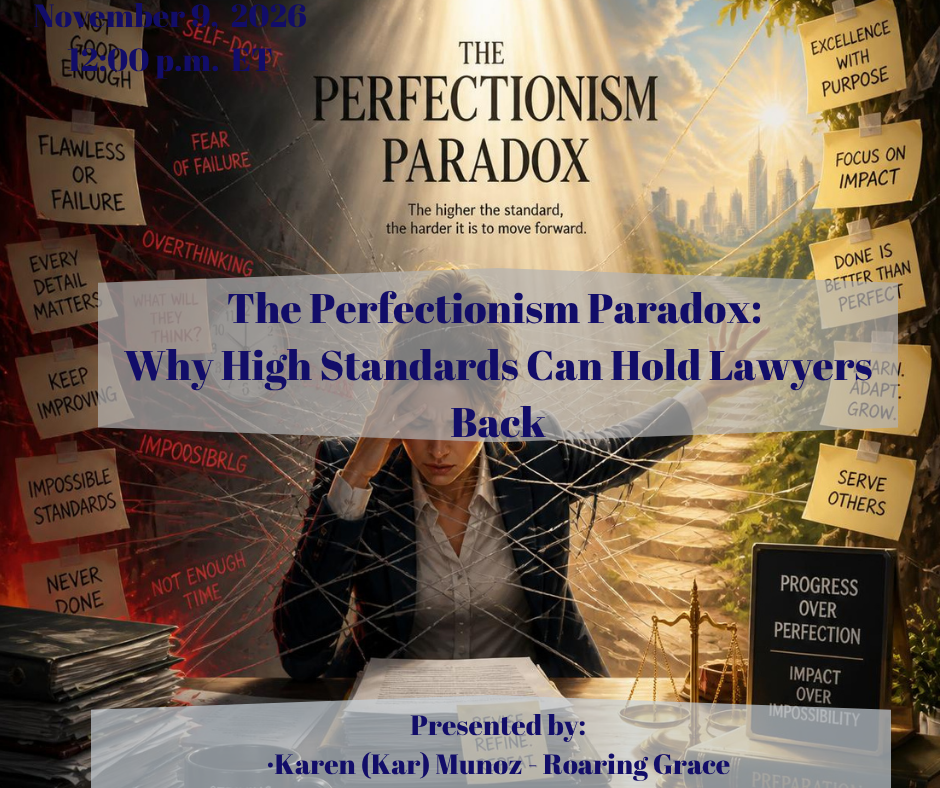
Perfectionism is often rewarded in the legal profession. It drives attention to detail, thorough pre...
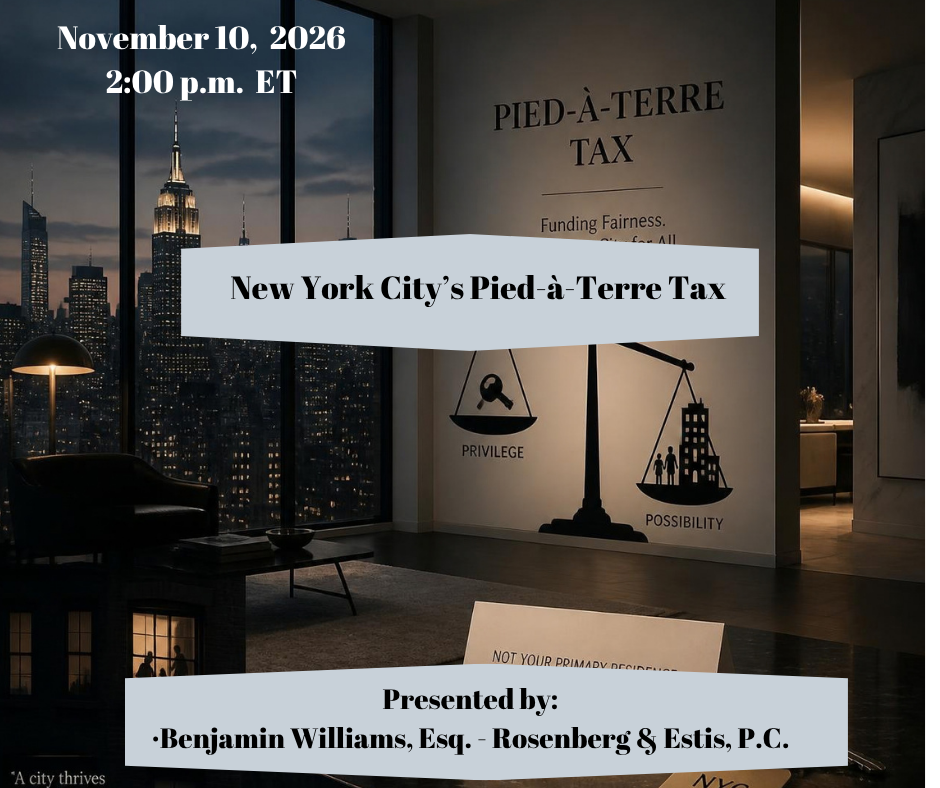
New York City’s new Non-Primary Residence Property Surcharge—commonly known as the pied-...
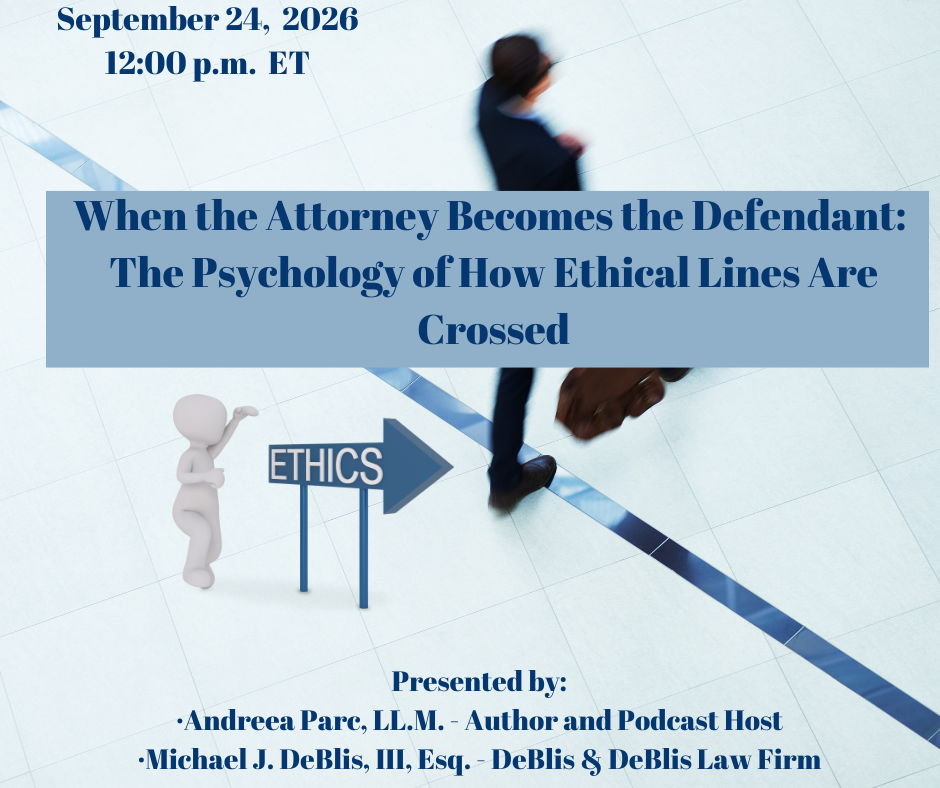
This program addresses a gap no standard ethics CLE reaches: the psychology of what happens inside t...