
Exciting new series on “Voice, Body and Movement for Lawyers – How to connect with the jury and find Justice Through Dramatic Technique!”
Click here to find out more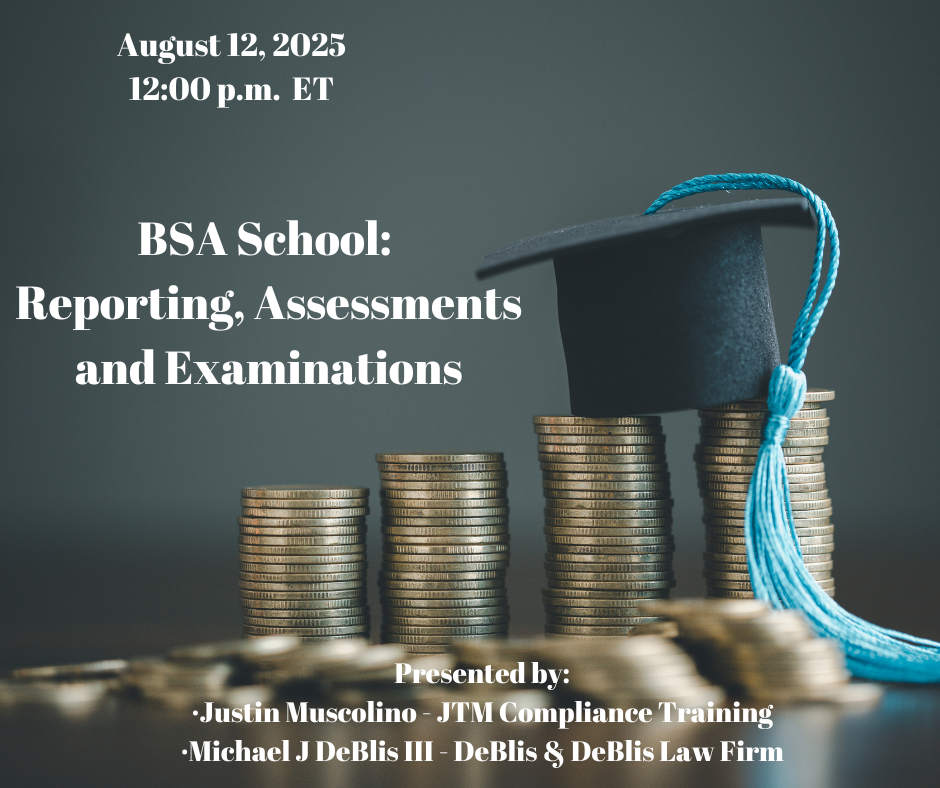
This session is designed to help compliance professionals and fintech partners better understand the key components of the Bank Secrecy Act (BSA) program, with a focus on regulatory reporting, risk assessments, and examinations. Participants will learn the purpose and timing of required reports, how to conduct and update a BSA/AML risk assessment, and what to expect during a regulatory exam. The class provides practical guidance on how to prepare documentation, respond to examiner questions, and ensure your program meets expectations. Whether you're new to BSA or looking for a refresher, this session covers the essentials for strong program oversight.
Confidentiality Agreements (also called NDAs) are too often treated as routine. So routine, th...
Data privacy remains one of the most rapid areas of growth in the class action space. Plaintiffs con...
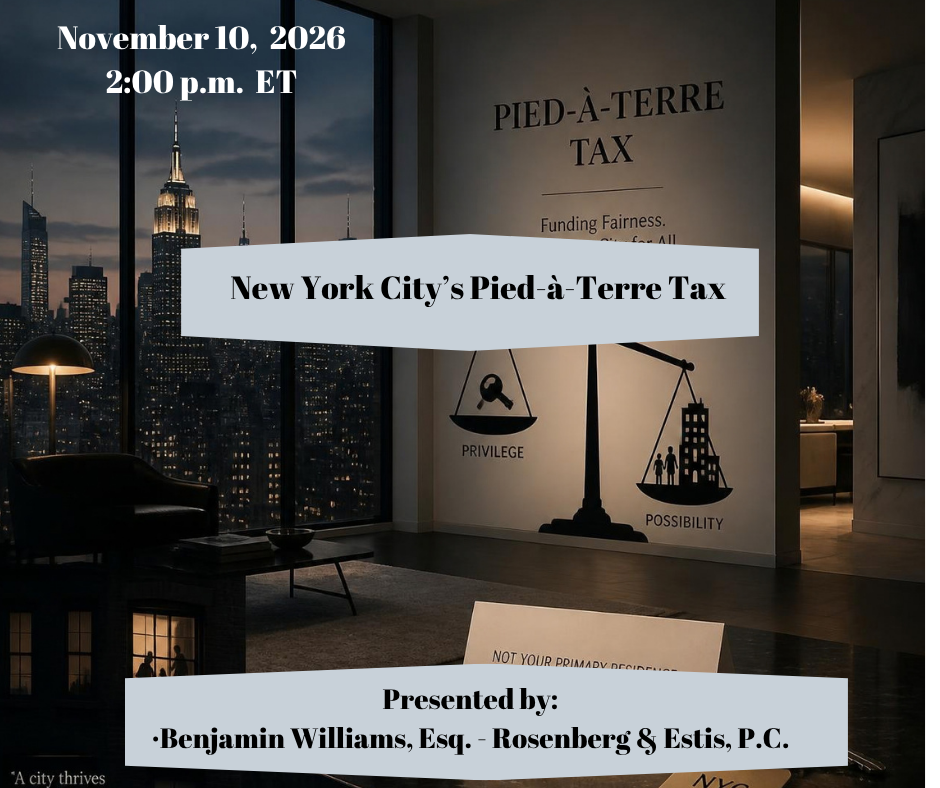
New York City’s new Non-Primary Residence Property Surcharge—commonly known as the pied-...
Turn decades of client relationships into lasting equity. This practical CLE shows attorneys how to ...
Class action litigation continues to expand in both number of filings and monetary exposure, with se...
During this course, you will learn about best practices and strategies for retaining intellectual pr...
This seminar concerns a scope, jurisdiction, and exceptions to the Federal Arbitration Act. The Act ...
As the largest purchaser of goods and services in the world, the United States Government requires f...
Class action waivers in arbitration agreements remain enforceable, but a decade of U.S. Supreme Cour...
2026 was a very important year when it comes to federal procurement developments, Artificial Intelli...