
Exciting new series on “Voice, Body and Movement for Lawyers – How to connect with the jury and find Justice Through Dramatic Technique!”
Click here to find out more
“Movement psychology” is a branch of psychology that emerged in the early twentieth century with the research of the Swiss psychiatrist Carl Jung. The work was further developed by Rudolph Laban, the architect of European Contemporary dance, and completed by a Swiss dancer and actor named Yat Malmgren in the middle of the twentieth century.
Yat recognized that this would be a powerful tool for actors and went on to complete Laban’stheory. He extended Laban’s ideas by creating a psychological typology which brings togetherLaban and Stanislavsky. Inner motivation and outer expression are linked together leading to the detailed and accurate construction of character.
Yat taught this work to scores of acting students at the Drama Center in London. His studentsincluded Anthony Hopkins, Sean Connery, and Colin Firth to name a few. How is this work useful for lawyers? First and foremost, I believe that this work is enormously useful for storytellers, which is a crucial skill for lawyers when it comes to telling their client’s story to a jury. Very simply, the lawyer must tell their client’s story from the perspective of many different people (i.e., witnesses), none of whom are alike.
Practically speaking, this presentation could help litigation attorneys when it comes to cross-examining witnesses by helping them to identify a witness’s inner attitudes and thus whatbehavior would be most beneficial to adopt when it comes to questioning that witness in order to elicit favorable testimony.
It can also be enormously helpful during jury selection as you will come to find out. This work is taught to law enforcement officials to aid in interrogating suspects and constructing profiles of potential suspects when leads are scarce. It’s called, “Movement Pattern Analysis.” Thus, a collateral benefit is to put attorneys on a level playing field with law enforcement.

The practice of law places legal professionals under extraordinary and often chronic stress, making ...
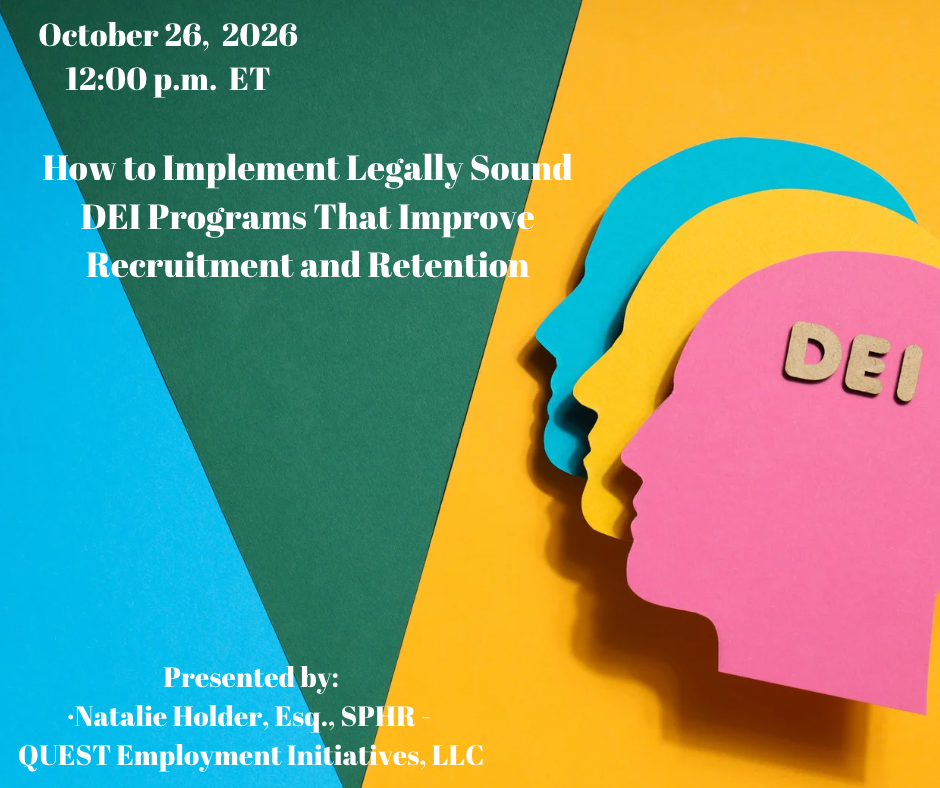
This program will discuss how to design and implement legally sound diversity, equity, and inclusion...

Lawyers lose hundreds of billable and operational hours every year to poorly managed meetings. Unfoc...

Class action waivers in arbitration agreements remain enforceable, but a decade of U.S. Supreme Cour...

I was wrongfully separated from the military and I will get no military pay and disability retiremen...
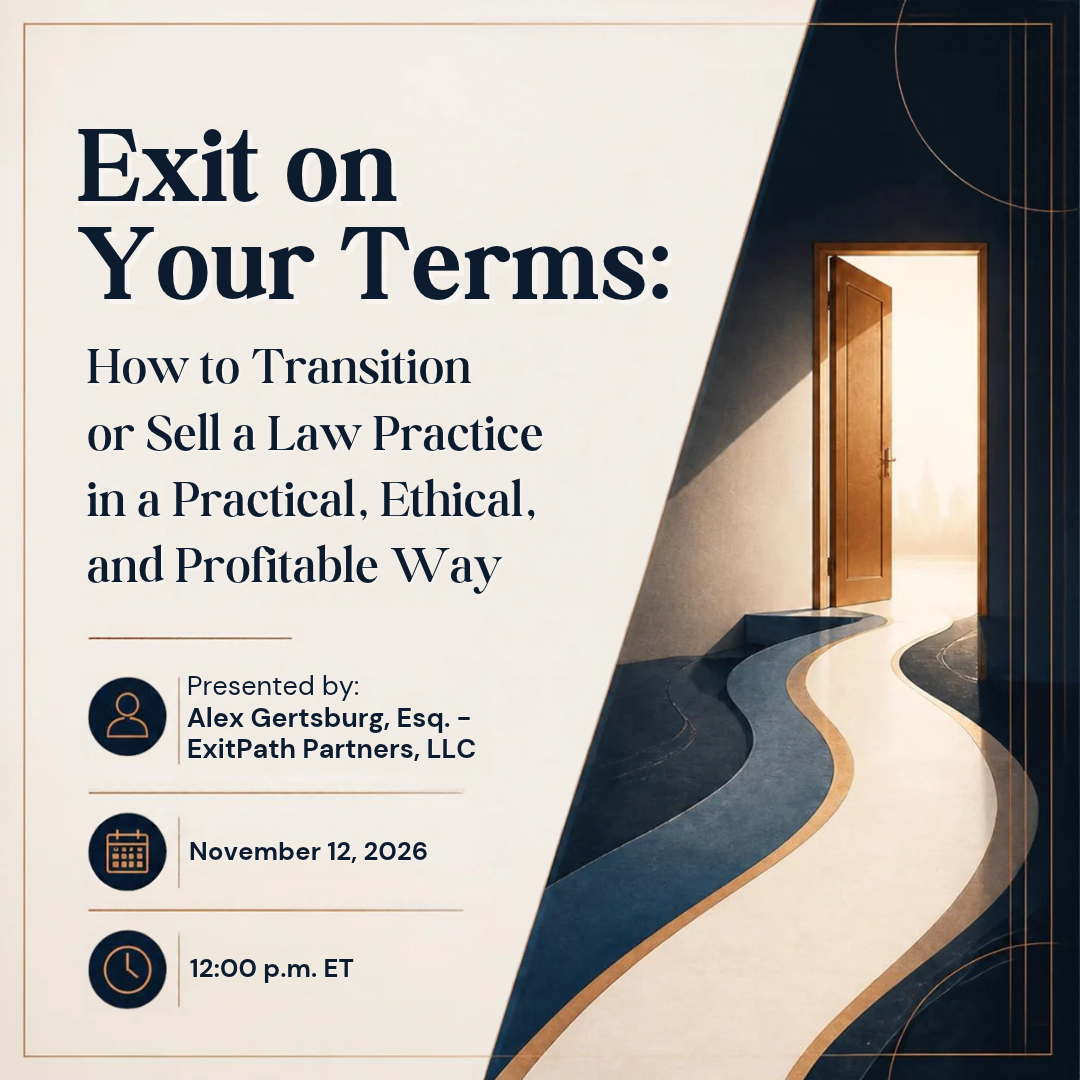
Turn decades of client relationships into lasting equity. This practical CLE shows attorneys how to ...

Data privacy remains one of the most rapid areas of growth in the class action space. Plaintiffs con...

This course on trade secrets litigation provides real-world best practices through all key stages of...
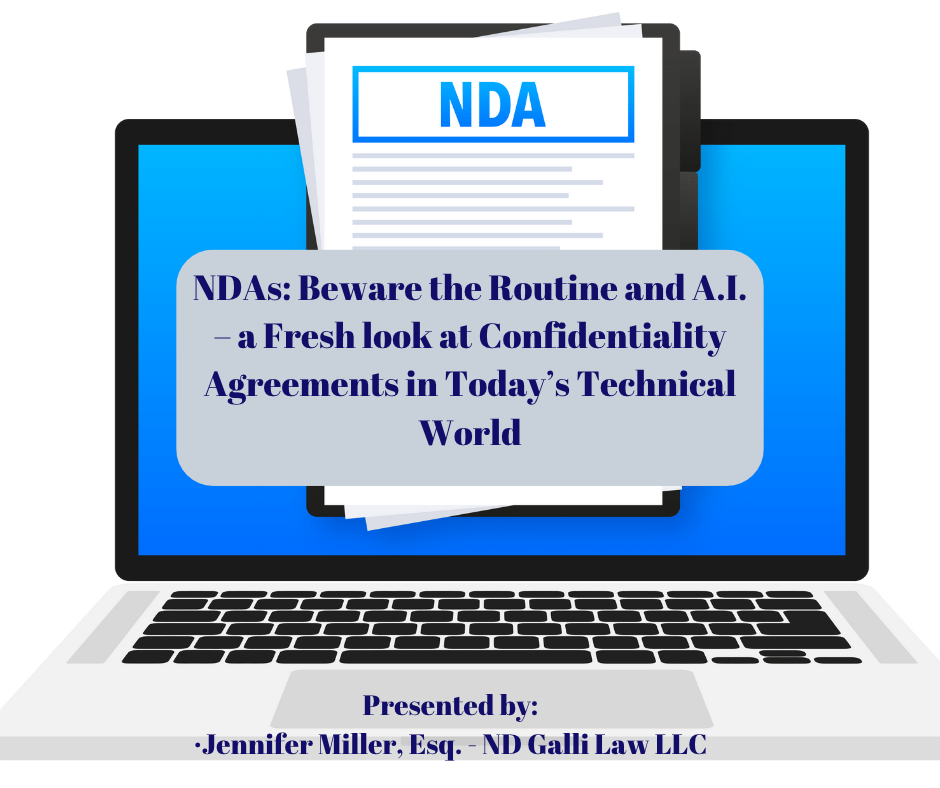
Confidentiality Agreements (also called NDAs) are too often treated as routine. So routine, th...

As the largest purchaser of goods and services in the world, the United States Government requires f...