
Exciting new series on “Voice, Body and Movement for Lawyers – How to connect with the jury and find Justice Through Dramatic Technique!”
Click here to find out more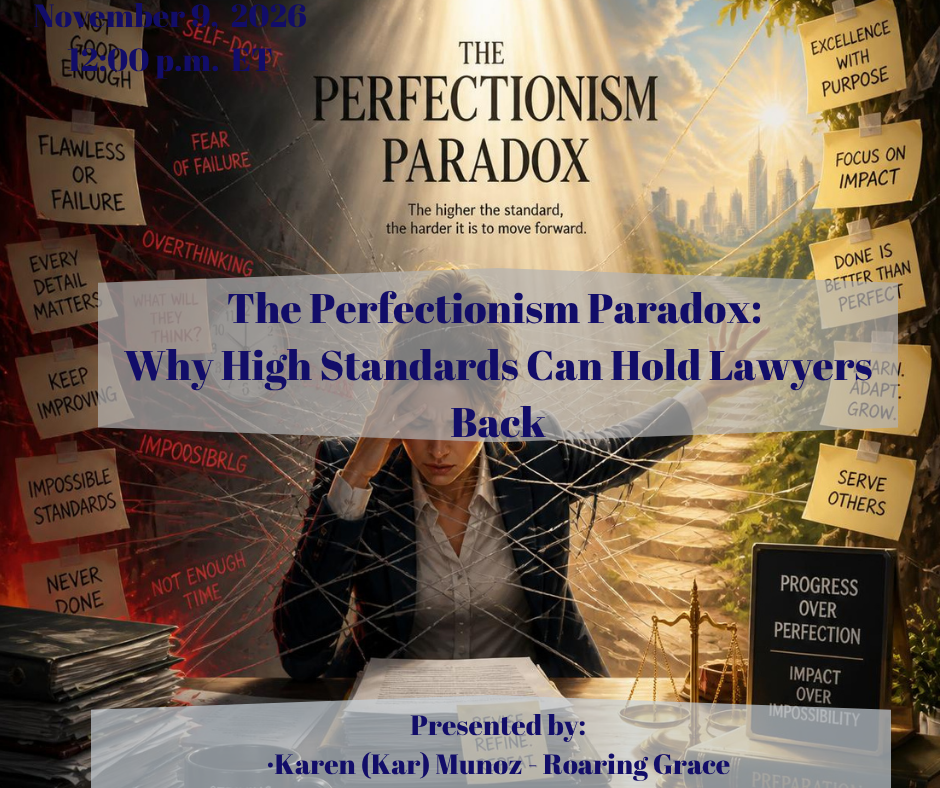
Perfectionism is often rewarded in the legal profession. It drives attention to detail, thorough preparation, and high-quality advocacy. Yet when left unchecked, it can also contribute to chronic stress, anxiety, burnout, procrastination, self-criticism, and impaired decision-making. This program will help attorneys better understand the psychology of perfectionism, distinguish between healthy striving and maladaptive perfectionism, and recognize how perfectionistic thinking can affect professional competence, client relationships, and overall well-being. Participants will explore practical, evidence-informed strategies to preserve the strengths of perfectionism while reducing its costs, allowing them to practice with greater resilience, flexibility, and effectiveness.
Learning Objectives:
Open-source AI models have gone from niche developer tools to enterprise essentials almost overnight...
This course examines the latest legal and compliance developments in the artificial intelligence (AI...

Decentralized Autonomous Organizations (DAOs) and other digital-native structures have moved from ni...

As the largest purchaser of goods and services in the world, the United States Government requires f...

Objections are among the most powerful — and most misunderstood — tools in a trial lawye...
This program provides a practical roadmap to mastering every stage of the discovery process in civil...
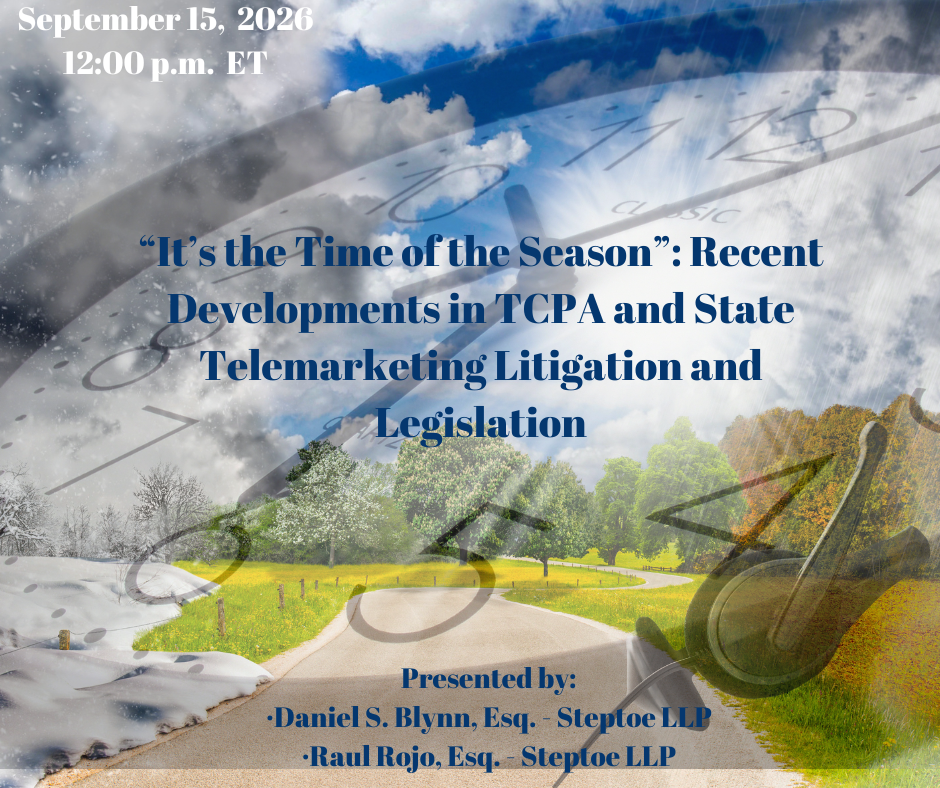
In 1968, English rock band The Zombies released their psychedelic counterculture anthem, “Time...

Adverse and derogatory information often has devastating effects on a contractor's ability to win co...

During this course, we will go over your rights under the Freedom of Information Act (FOIA) and Priv...
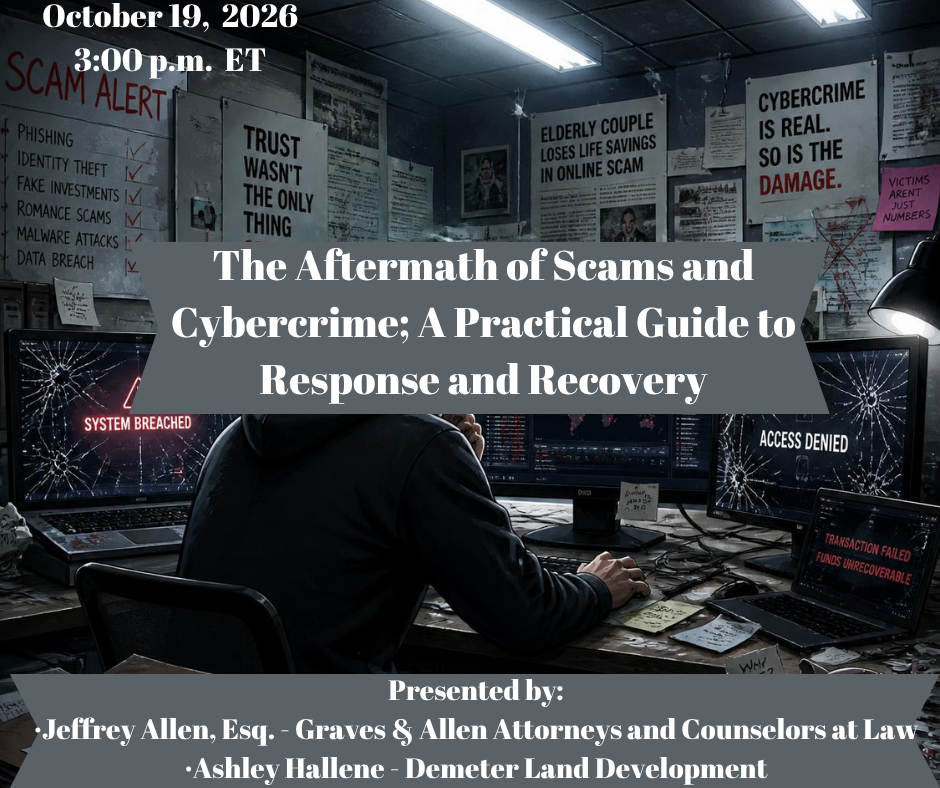
The Aftermath of Scams and Cybercrime: A Practical Guide to Response and Recovery examines the immed...