
Exciting new series on “Voice, Body and Movement for Lawyers – How to connect with the jury and find Justice Through Dramatic Technique!”
Click here to find out more
How did E. Jean Carroll successfully bring a sexual assault lawsuit against Donald J. Trump when the assault occurred over twenty-five years earlier and should have been barred by the statute of limitations? Why are medical centers being sued by patients who claim to have been sexually abused by physicians decades ago? And why are record labels facing claims concerning past sexual abuse allegedly committed by artists they had signed? In light of recent, nationwide changes to the statutes of limitations for both minor and adult survivors of sexual abuse, these types of civil claims can put organizations in a difficult and uniquely vulnerable position.
This program will examine the policy behind this legislative reform, clarify the confusing patchwork of statutes of limitations now in play under these new laws, and highlight notable recent cases analyzing and interpreting these new laws.
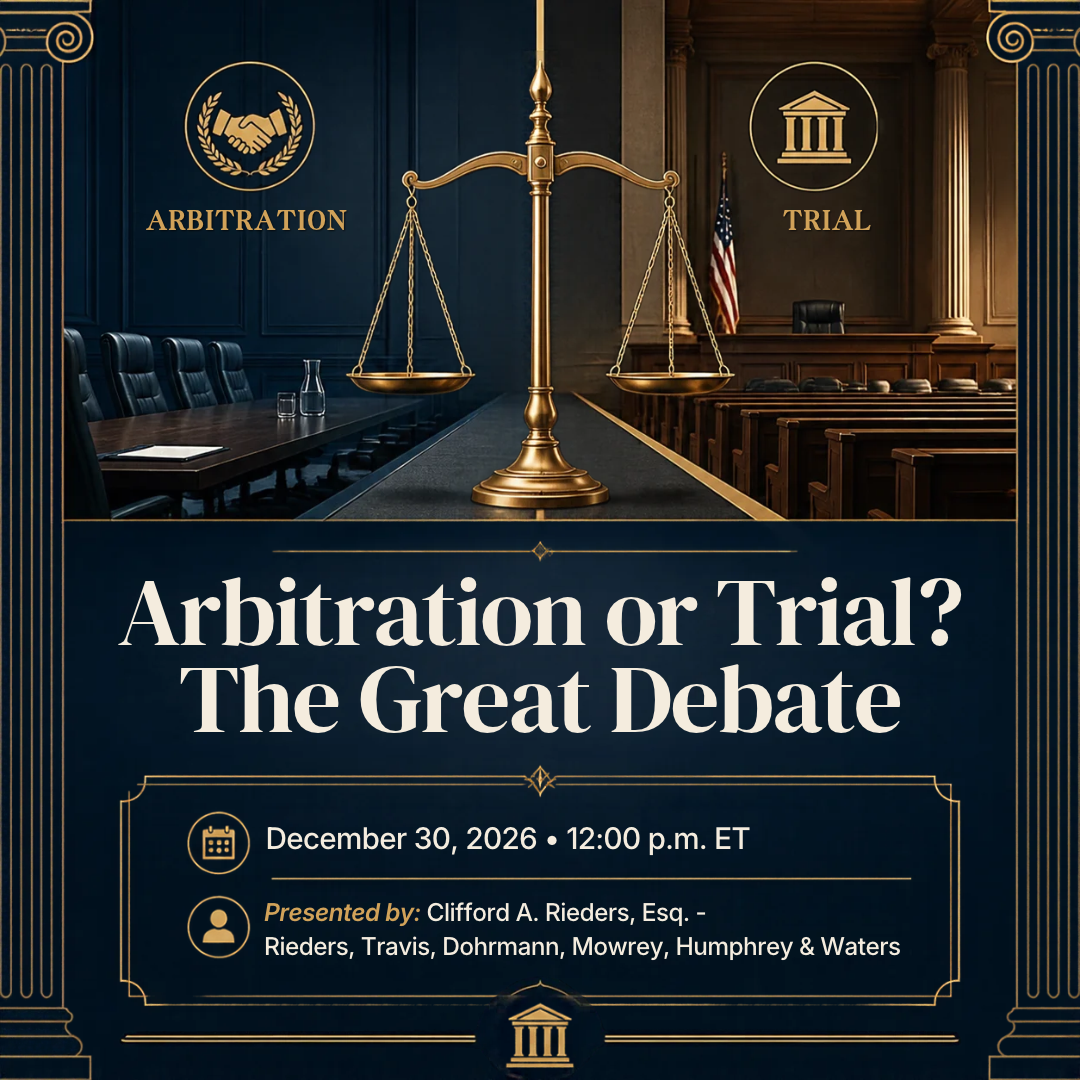
This seminar concerns a scope, jurisdiction, and exceptions to the Federal Arbitration Act. The Act ...
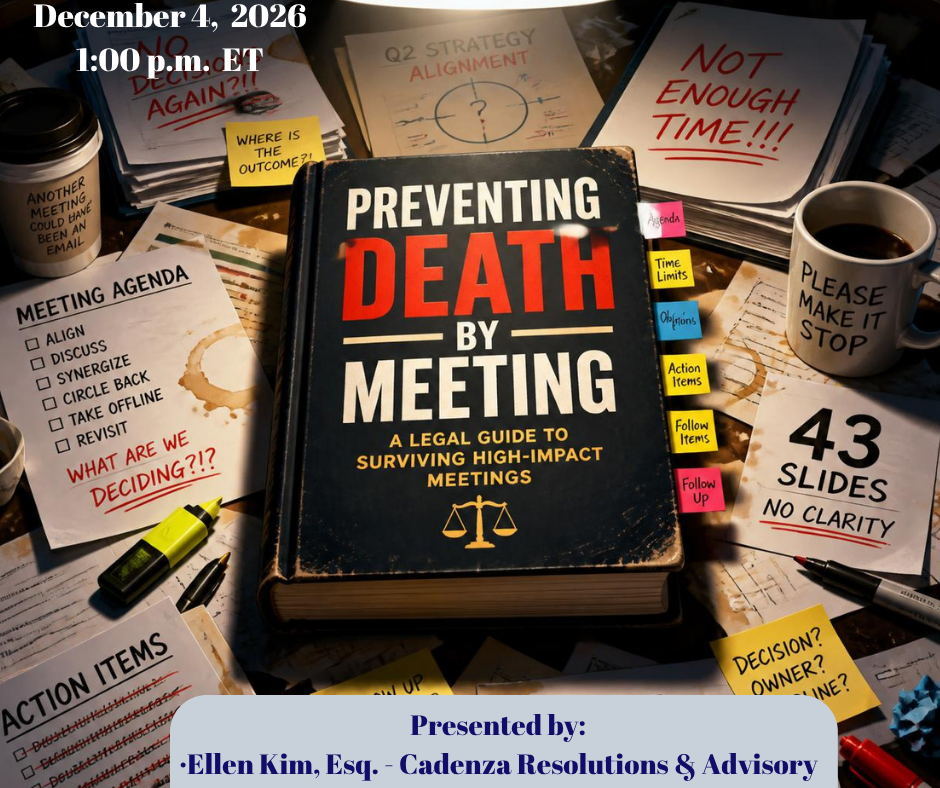
Lawyers lose hundreds of billable and operational hours every year to poorly managed meetings. Unfoc...

Class action litigation presents significant legal and business challenges for employers and corpora...

Turn decades of client relationships into lasting equity. This practical CLE shows attorneys how to ...

As the largest purchaser of goods and services in the world, the United States Government requires f...
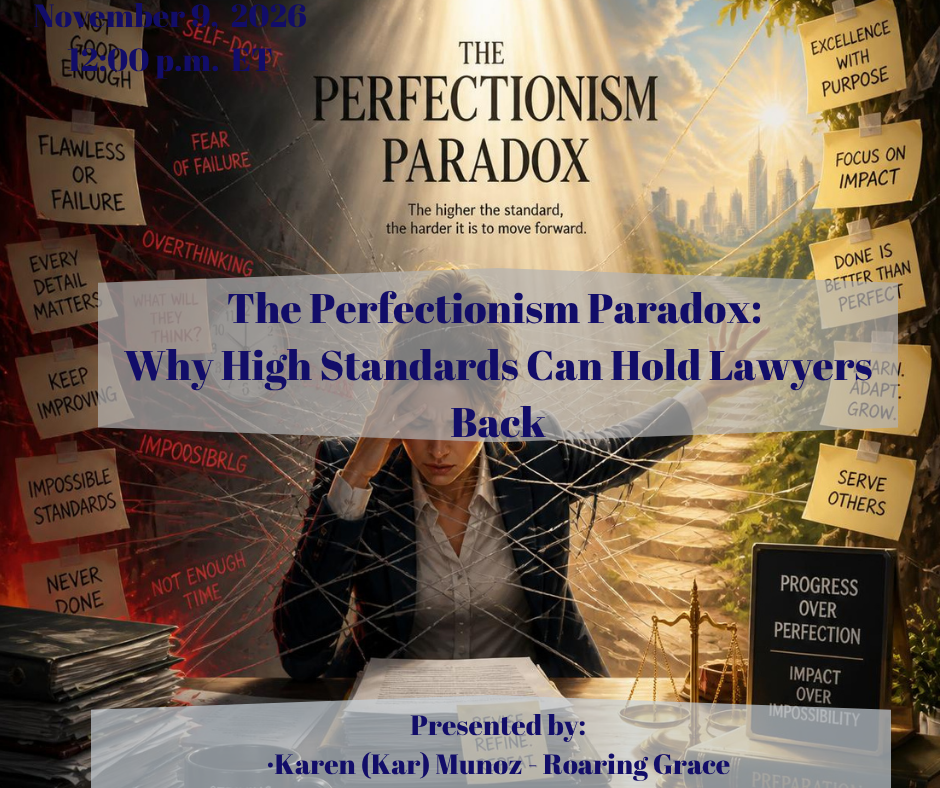
Perfectionism is often rewarded in the legal profession. It drives attention to detail, thorough pre...

Data privacy remains one of the most rapid areas of growth in the class action space. Plaintiffs con...

This course on trade secrets litigation provides real-world best practices through all key stages of...

The practice of law places legal professionals under extraordinary and often chronic stress, making ...
Confidentiality Agreements (also called NDAs) are too often treated as routine. So routine, th...