
Exciting new series on “Voice, Body and Movement for Lawyers – How to connect with the jury and find Justice Through Dramatic Technique!”
Click here to find out more
This program will guide attorneys in the practical implications of compliance with the newly enacted Corporate Transparency Act and New York LLC Transparency Act, including advising clients, analyzing compliance requirements through case-based examples, modifying agreements to incorporate appropriate provisions, and assessing whether to provide services in this area given the steep penalties for non-compliance. Attorneys will learn to identify key reporting obligations, develop compliance strategies, and understand how these laws affect their clients’ organizational structures and operations. Key learning objectives include effective client counseling, risk mitigation, and ensuring that internal and external documents align with legal standards.
This program provides trial attorneys with a thorough grounding in the three principal currency repo...
As the largest purchaser of goods and services in the world, the United States Government requires f...

During this course, you will learn about best practices and strategies for retaining intellectual pr...

This course is meant for lawyers of all levels and areas of practice, and in it, we will explore way...

"Artificial Intelligence and the Practice of Law" (updated through 2026), is a 50-slide primer desig...

Perfectionism is often rewarded in the legal profession. It drives attention to detail, thorough pre...
This course on trade secrets litigation provides real-world best practices through all key stages of...
Data privacy remains one of the most rapid areas of growth in the class action space. Plaintiffs con...
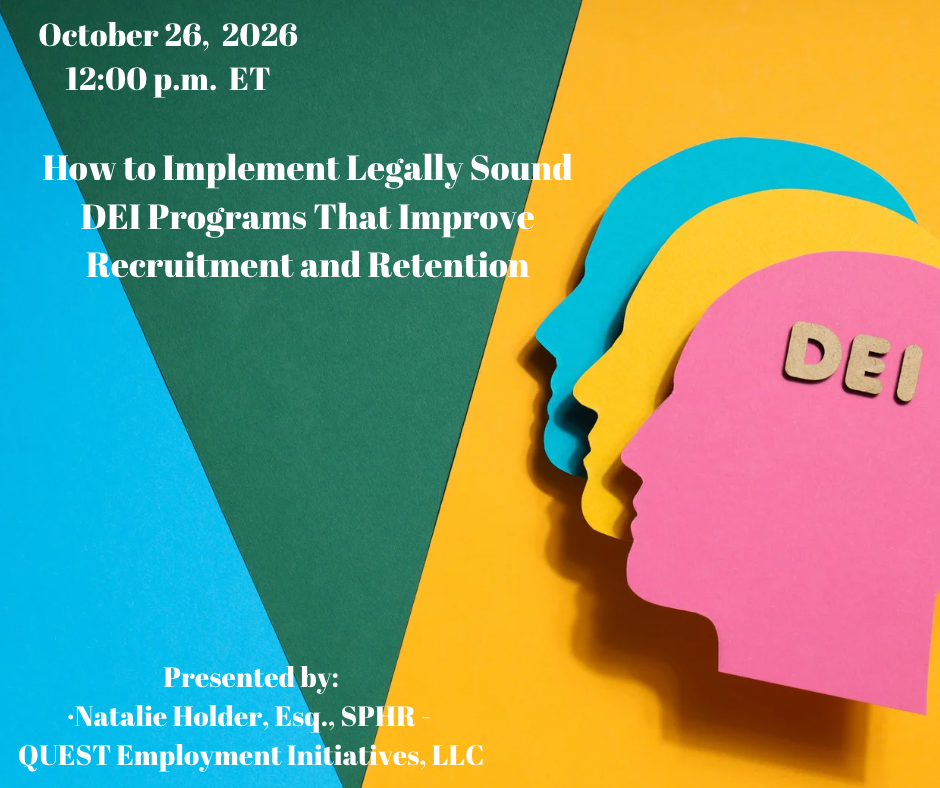
This program will discuss how to design and implement legally sound diversity, equity, and inclusion...

Turn decades of client relationships into lasting equity. This practical CLE shows attorneys how to ...