
Exciting new series on “Voice, Body and Movement for Lawyers – How to connect with the jury and find Justice Through Dramatic Technique!”
Click here to find out more
It has long been known that lawyers and law students have especially high rates of alcohol problems. We will discuss how those problems evolve in both personal and professional contexts, and how they can be identified and addressed. Attorney Faneuf will bring the perspective of an attorney with relevant lived experience, and Dr. Fortgang will provide a perspective based on many years of clinical work with alcoholism and with lawyers. We will also discuss available forms of help and treatment, including the Lawyer Assistance Program, a free and confidential resource available to attorneys and law students across the country.

This course is meant for lawyers of all levels and areas of practice, and in it, we will explore way...

Data privacy remains one of the most rapid areas of growth in the class action space. Plaintiffs con...

Perfectionism is often rewarded in the legal profession. It drives attention to detail, thorough pre...
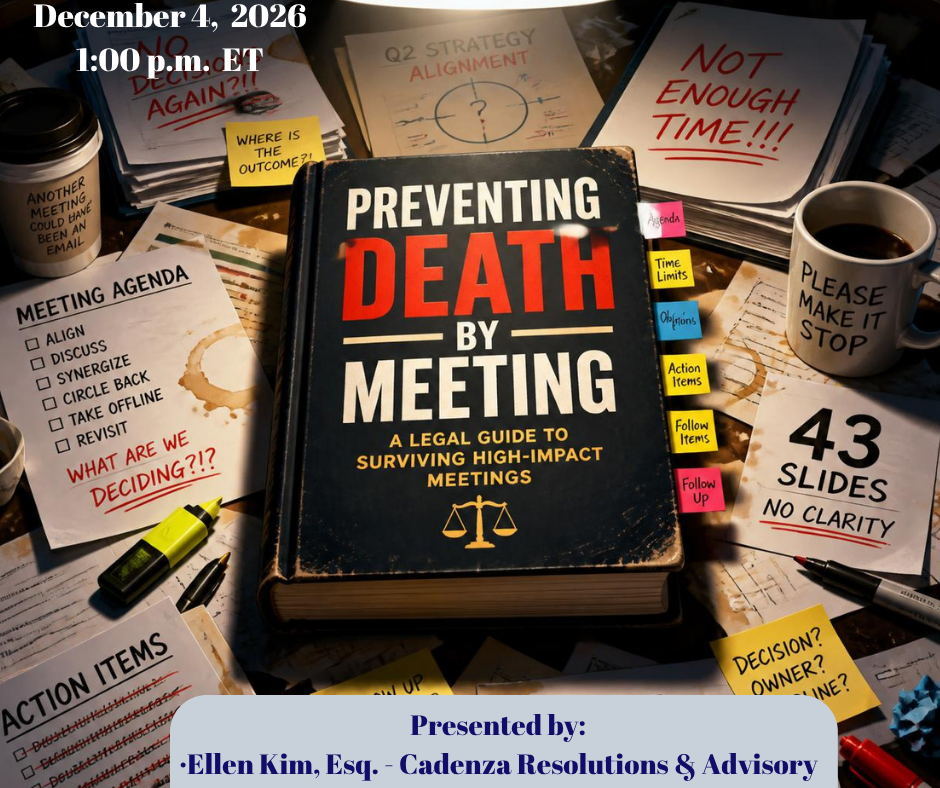
Lawyers lose hundreds of billable and operational hours every year to poorly managed meetings. Unfoc...
The practice of law places legal professionals under extraordinary and often chronic stress, making ...

I was wrongfully separated from the military and I will get no military pay and disability retiremen...

During this course, you will learn about best practices and strategies for retaining intellectual pr...
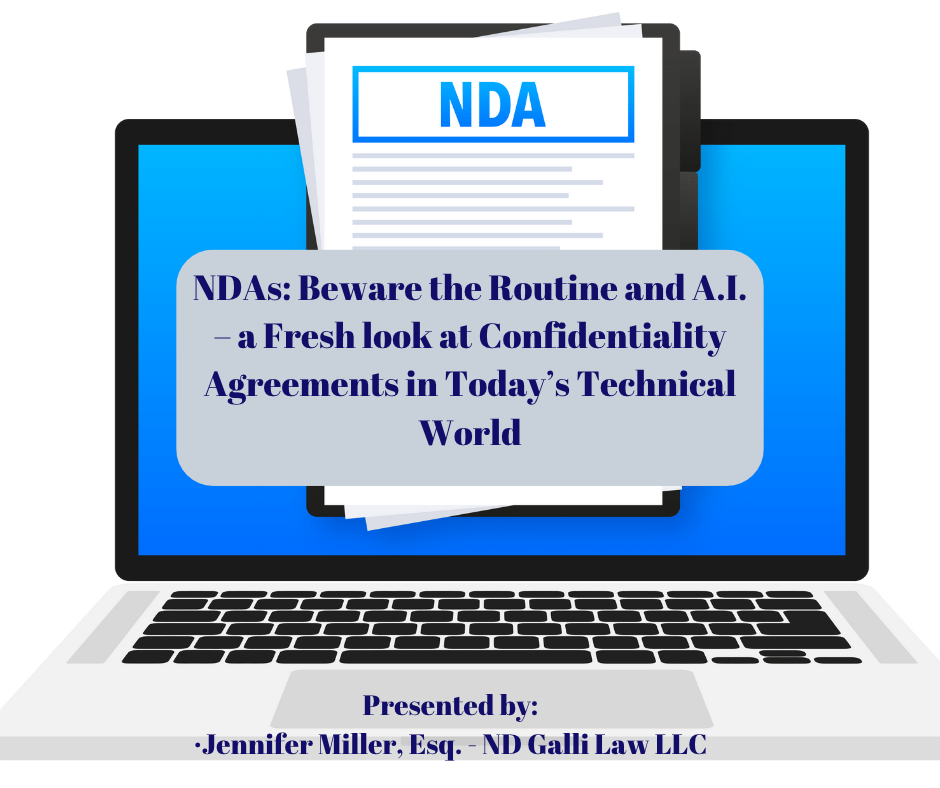
Confidentiality Agreements (also called NDAs) are too often treated as routine. So routine, th...

Class action waivers in arbitration agreements remain enforceable, but a decade of U.S. Supreme Cour...

This seminar concerns a scope, jurisdiction, and exceptions to the Federal Arbitration Act. The Act ...