
Exciting new series on “Voice, Body and Movement for Lawyers – How to connect with the jury and find Justice Through Dramatic Technique!”
Click here to find out more
KYC (Know Your Customer or Know Your Client) can be a roadblock for any bad actor. As an institution, that’s what you want. Enacting proper protocols to prevent financial crimes are continuous challenges for institutions. Institutions must comply with a set of increasingly complex regulations for customer identity verification.
KYC is a set of procedures for verifying a customer’s identity before or while doing business with banks and other institutions. Compliance with KYC regulations can help keep money laundering, terrorism financing, and fraud can prevent an institution from having compliance related issues. For onboarding specialists, we need to verify a customer’s identity, why they want to open an account and what’s the purpose for having such an account. Then, the continuous monitoring occurs to make sure that transactions don’t deviate from the original purpose of the account. KYC is required for financial institutions that deal with customers during the opening process and maintaining their accounts with an institution. Remember, sometimes people become criminal in the course of time, not solely prior to the opening of an account relationship.

The practice of law places legal professionals under extraordinary and often chronic stress, making ...

This course on trade secrets litigation provides real-world best practices through all key stages of...

2026 was a very important year when it comes to federal procurement developments, Artificial Intelli...

Perfectionism is often rewarded in the legal profession. It drives attention to detail, thorough pre...

Class action litigation continues to expand in both number of filings and monetary exposure, with se...

Turn decades of client relationships into lasting equity. This practical CLE shows attorneys how to ...

This program provides trial attorneys with a thorough grounding in the three principal currency repo...
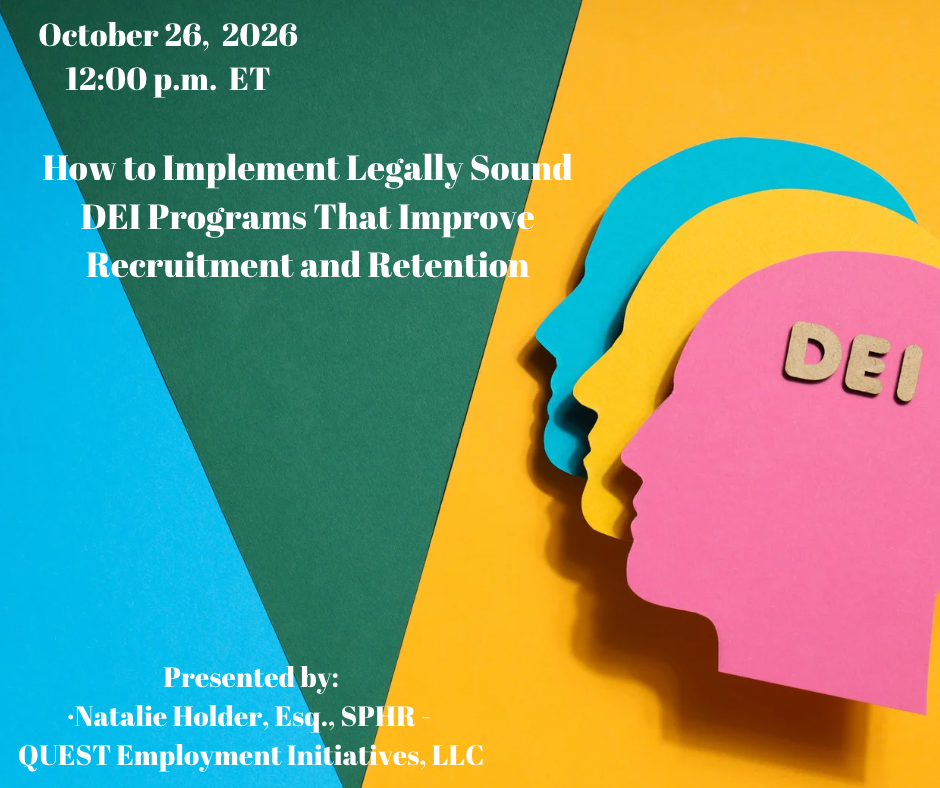
This program will discuss how to design and implement legally sound diversity, equity, and inclusion...

Data privacy remains one of the most rapid areas of growth in the class action space. Plaintiffs con...

This course is meant for lawyers of all levels and areas of practice, and in it, we will explore way...