
Exciting new series on “Voice, Body and Movement for Lawyers – How to connect with the jury and find Justice Through Dramatic Technique!”
Click here to find out more
The use of AI is a rapidly evolving area of the legal industry, especially in litigation. This webinar, presented by attorneys Karl Seelbach and Charles Peckham, provides a comprehensive exploration of the pivotal role of modern AI software in non-stenographically capturing, analyzing, and sharing testimony. It delves into the specifics of how to take non-stenographic depositions, the AI software involved in the process, cost and time savings, and techniques you can use to create more impactful demand letters, briefs, and reports by inserting clips of key video testimony.
Learning Objectives:
• Fundamentals of non-stenographic depositions, including rules, scheduling, transcript creation, and the role of software
• Cost and time-saving benefits of non-stenographic depositions compared to traditional methods Summarize key testimony using AI software
• Instantly search for key concepts in your video and audio evidence using AI software
• Quickly create video clips of key testimony and evidence using AI software
• Use video clips to enhance the persuasive power of demand letters, briefs, and reports
Adverse and derogatory information often has devastating effects on a contractor's ability to win co...
Class action litigation continues to expand in both number of filings and monetary exposure, with se...
This program provides a practical roadmap to mastering every stage of the discovery process in civil...
"Artificial Intelligence and the Practice of Law" (updated through 2026), is a 50-slide primer desig...
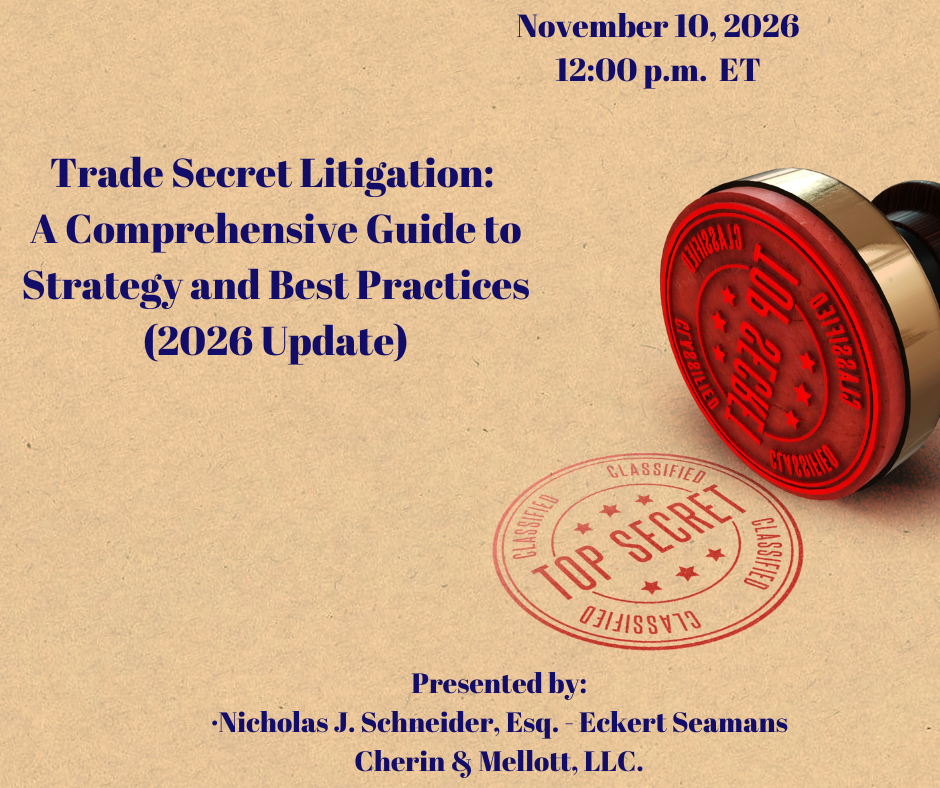
This course on trade secrets litigation provides real-world best practices through all key stages of...

During this course, you will learn about best practices and strategies for retaining intellectual pr...

This program provides trial attorneys with a thorough grounding in the three principal currency repo...

This course is meant for lawyers of all levels and areas of practice, and in it, we will explore way...
If there is one word we continue to hear more than any other term as we continue to navigate through...
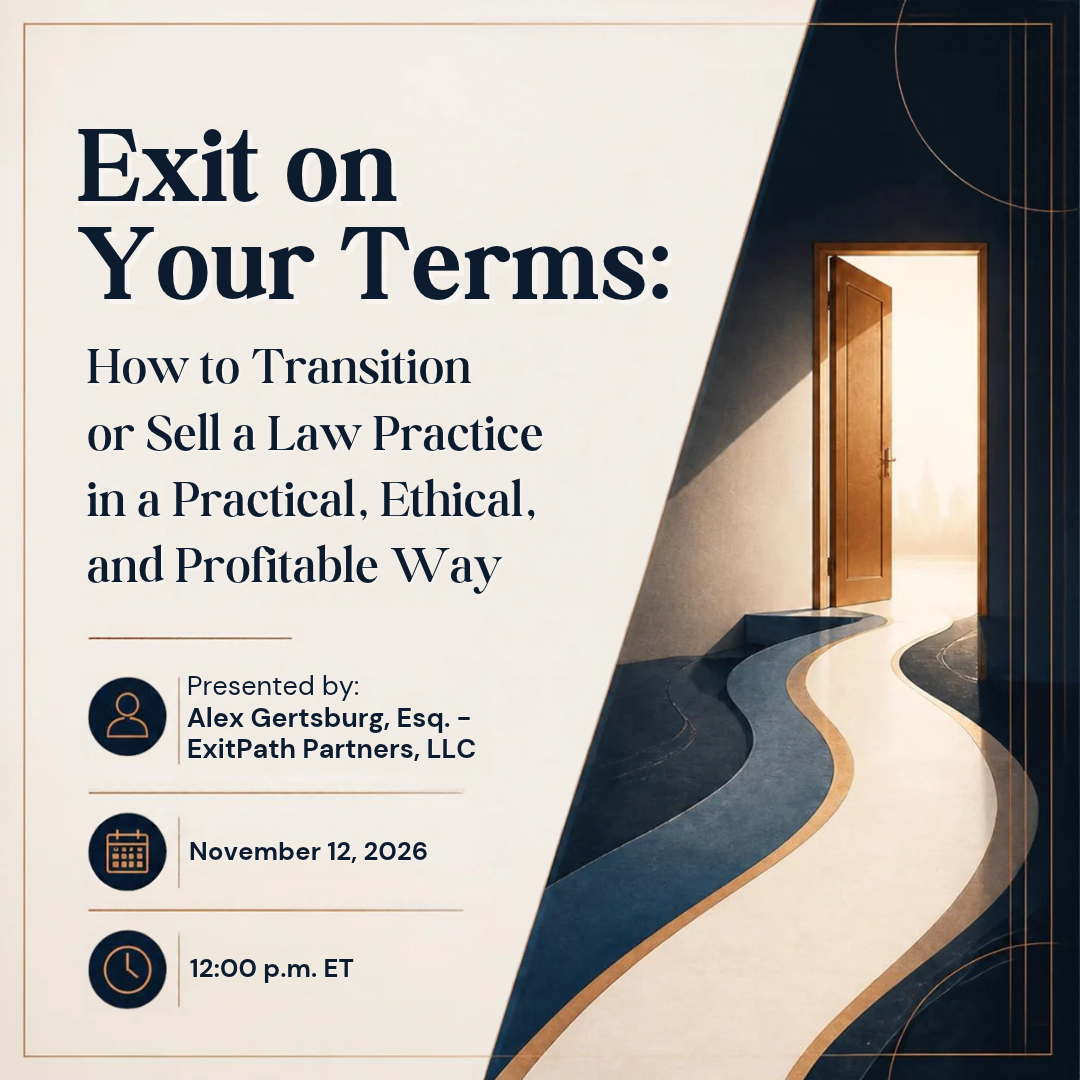
Turn decades of client relationships into lasting equity. This practical CLE shows attorneys how to ...