
Exciting new series on “Voice, Body and Movement for Lawyers – How to connect with the jury and find Justice Through Dramatic Technique!”
Click here to find out more
The Electronic Signatures in Global and National Commerce (E-Sign) Act established a legal framework for electronic records and signatures, allowing financial institutions to offer seamless, digital transactions while maintaining compliance. Understanding the E-Sign Act is critical as consumer expectations, technology, and regulatory oversight continue to evolve.
This session will provide an in-depth review of E-Sign Act requirements, its relationship with Regulation E, and practical guidance on implementing secure, compliant electronic processes.

I was wrongfully separated from the military and I will get no military pay and disability retiremen...
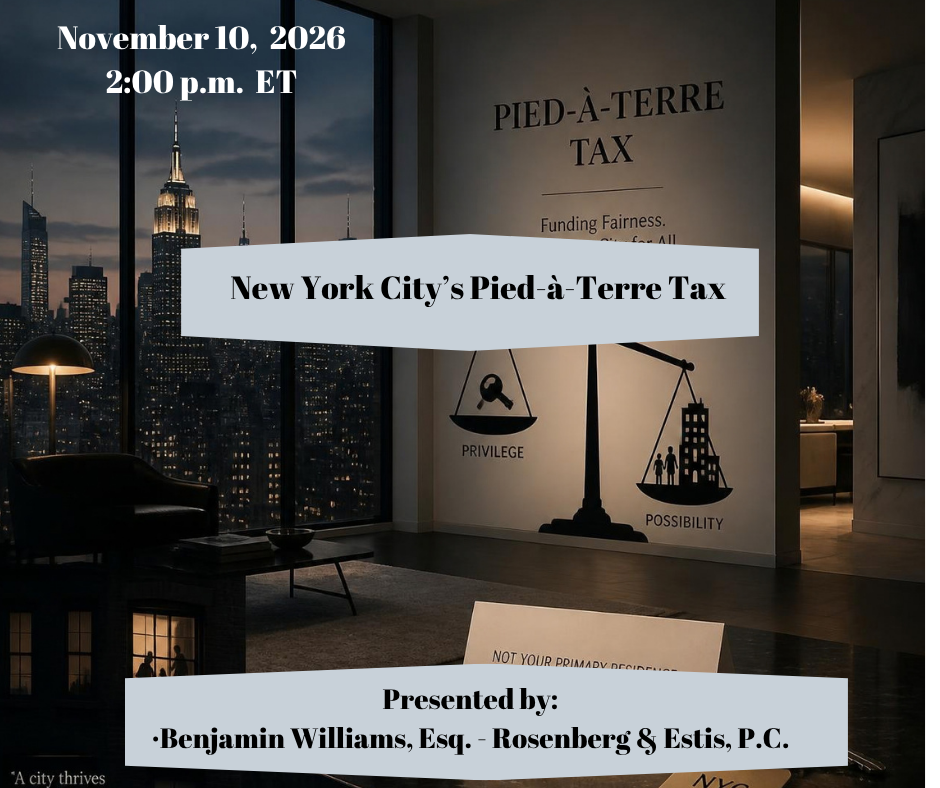
New York City’s new Non-Primary Residence Property Surcharge—commonly known as the pied-...

Turn decades of client relationships into lasting equity. This practical CLE shows attorneys how to ...
Confidentiality Agreements (also called NDAs) are too often treated as routine. So routine, th...
This program provides trial attorneys with a thorough grounding in the three principal currency repo...

During this course, you will learn about best practices and strategies for retaining intellectual pr...

Class action litigation continues to expand in both number of filings and monetary exposure, with se...

The practice of law places legal professionals under extraordinary and often chronic stress, making ...
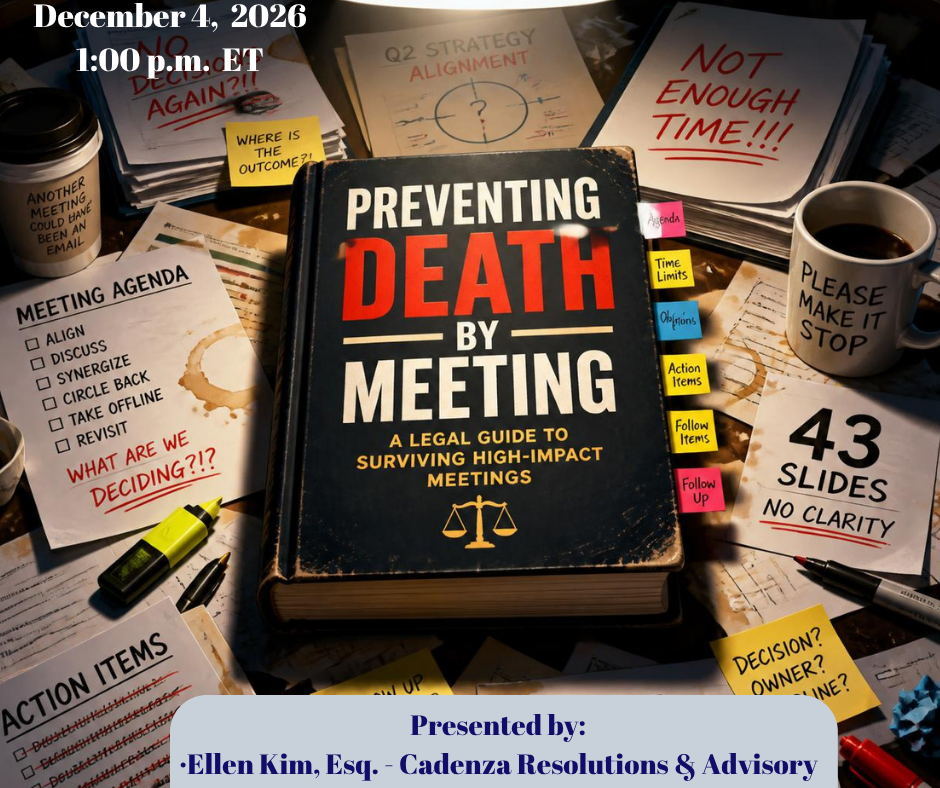
Lawyers lose hundreds of billable and operational hours every year to poorly managed meetings. Unfoc...

Class action litigation presents significant legal and business challenges for employers and corpora...