
Exciting new series on “Voice, Body and Movement for Lawyers – How to connect with the jury and find Justice Through Dramatic Technique!”
Click here to find out more
No good deed goes unpunished – ethical considerations when representing family and friends. It is almost inevitable. At some point in every attorney’s career, they will be asked to represent family and friends. Sometimes it is very formal, such as representing a family member or friend as part of their ongoing business operations or sometimes it is a specific representation such as the purchase of real estate. And sometimes it sneaks up on the attorney; being asked for advice and getting sucked in.
This topic will address some of the many issues that may arise in representing family and friends. The goal is to assist the attorney in knowing if they are, sometimes unknowingly, undertaking representation, making the decision whether or not to represent, and if choosing to do so, how to do so effectively and ethically. Ethical Rules that will be addressed include, but are not limited to, the Model Rules of Professional Conduct 1.14,1.2, 1.4, 1.5, 1.6, 1.7, 1.8, 1.15, 4.2 and 8.4. There are also legal issues beyond the rules that impact on ethical considerations which will also be addressed.
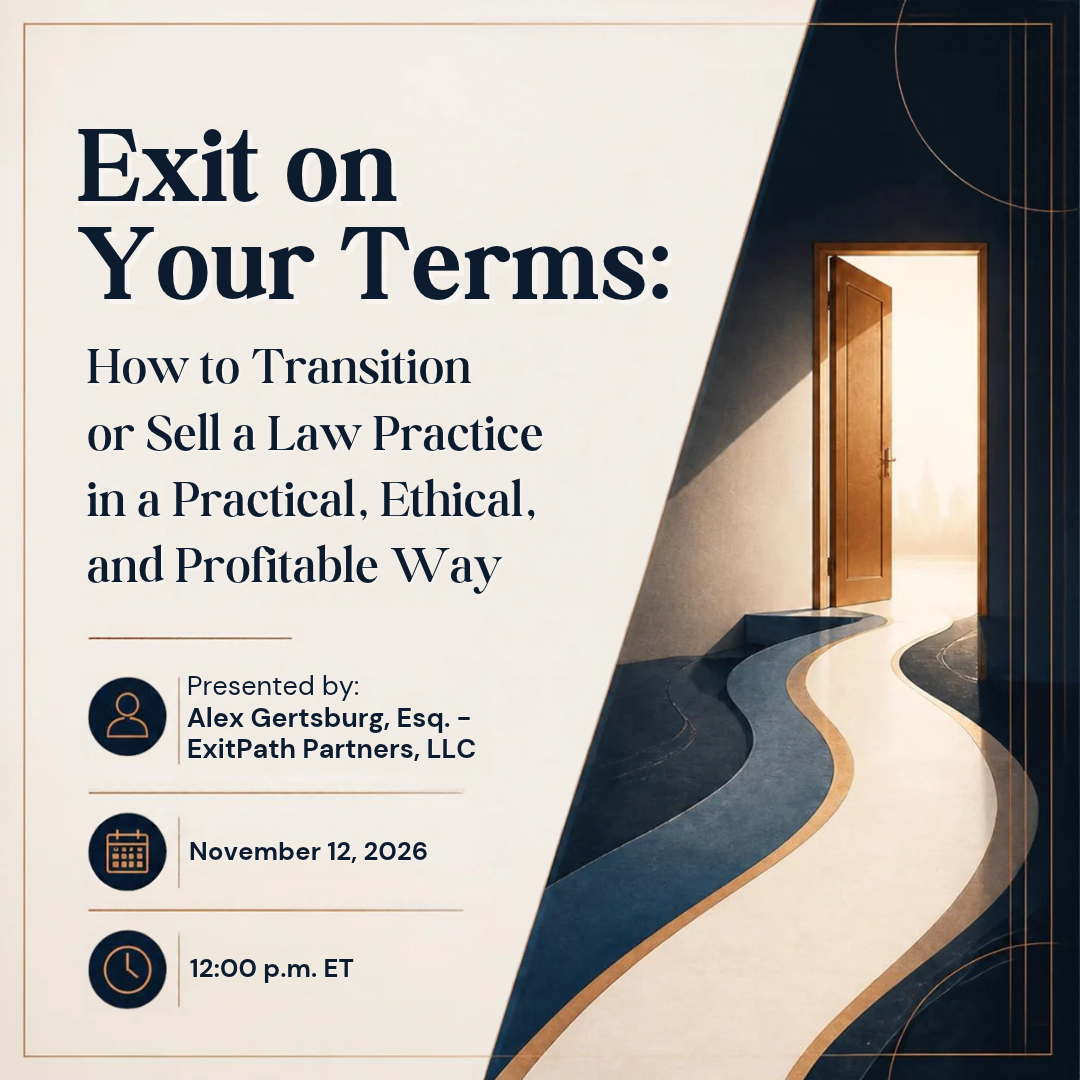
Turn decades of client relationships into lasting equity. This practical CLE shows attorneys how to ...
Adverse and derogatory information often has devastating effects on a contractor's ability to win co...

I was wrongfully separated from the military and I will get no military pay and disability retiremen...
Class action waivers in arbitration agreements remain enforceable, but a decade of U.S. Supreme Cour...

Perfectionism is often rewarded in the legal profession. It drives attention to detail, thorough pre...

The practice of law places legal professionals under extraordinary and often chronic stress, making ...
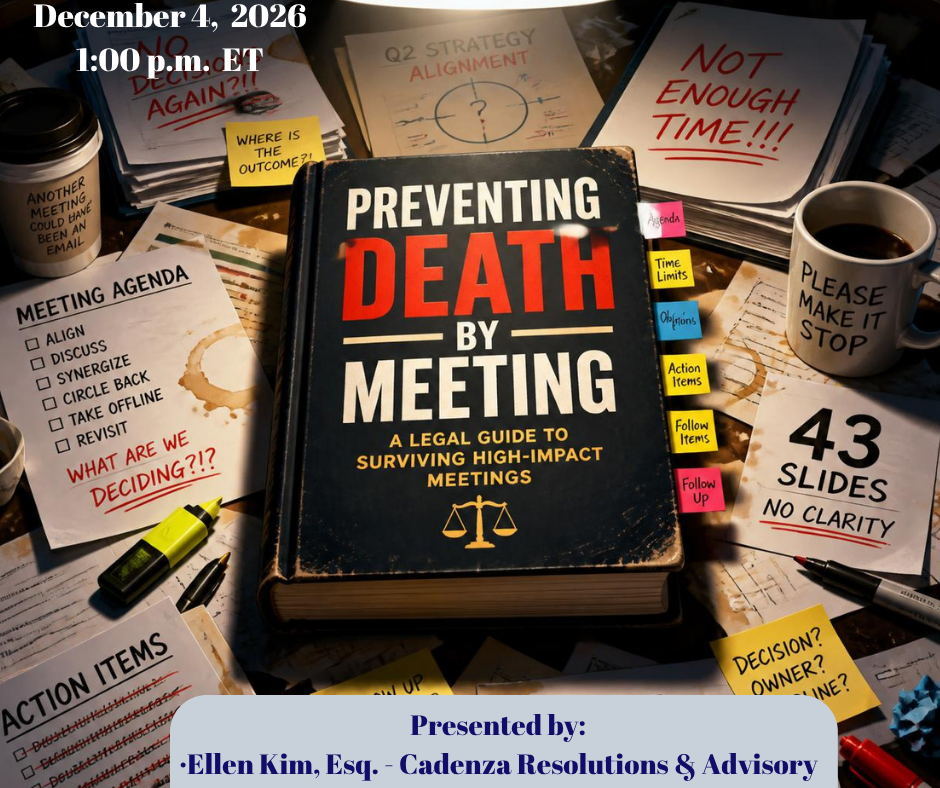
Lawyers lose hundreds of billable and operational hours every year to poorly managed meetings. Unfoc...

This course is meant for lawyers of all levels and areas of practice, and in it, we will explore way...
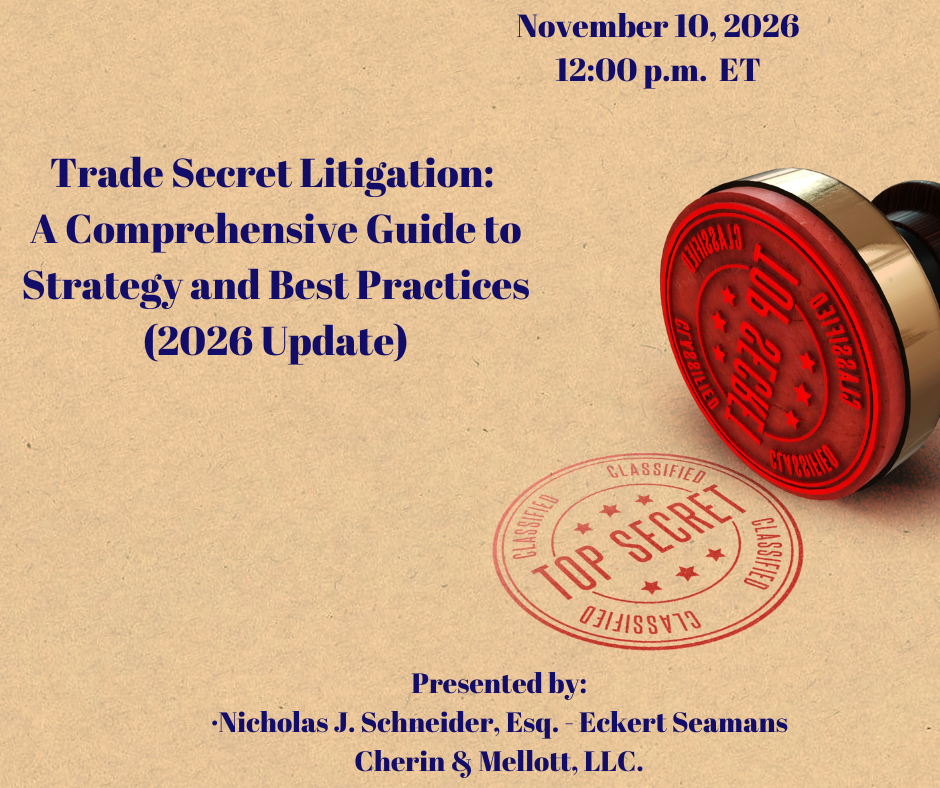
This course on trade secrets litigation provides real-world best practices through all key stages of...

Data privacy remains one of the most rapid areas of growth in the class action space. Plaintiffs con...