
Exciting new series on “Voice, Body and Movement for Lawyers – How to connect with the jury and find Justice Through Dramatic Technique!”
Click here to find out more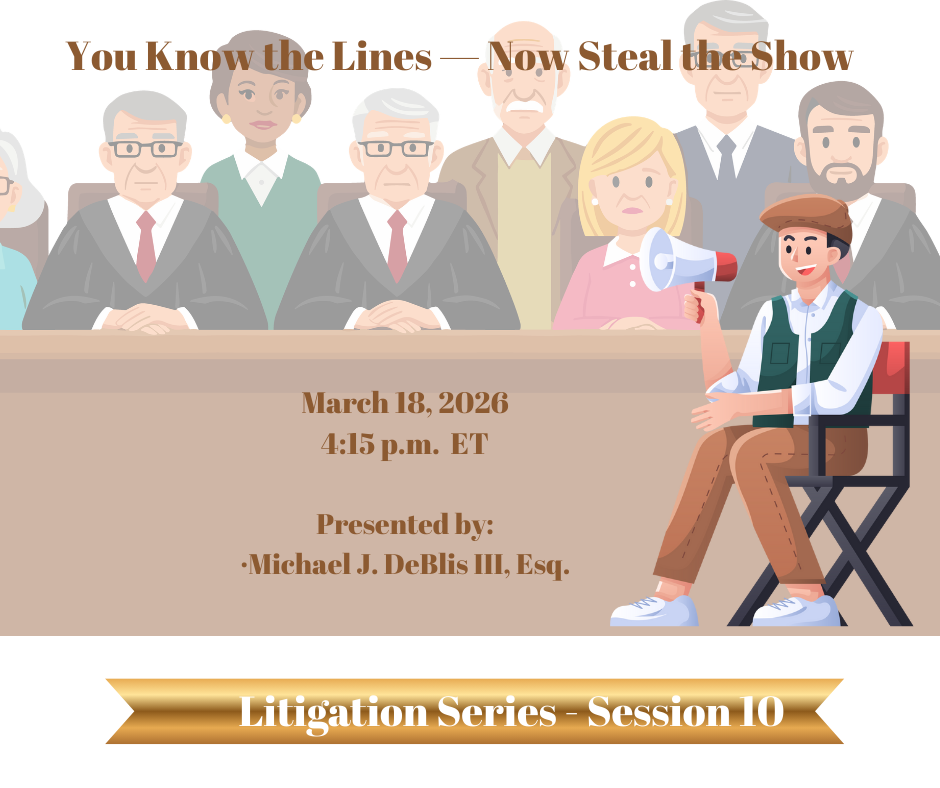
This presentation teaches attorneys how to deliver memorized text—especially openings and closings—with natural spontaneity rather than rigid recitation. Drawing from acting methodology, it demonstrates how movement, varied rehearsal methods, and emotional grounding prevent the “locked?in” patterns that make memorized speeches sound artificial.
Ultimately, the program empowers lawyers to preserve structure while allowing delivery to feel alive, authentic, and responsive to the moment—strengthening juror engagement and trust.
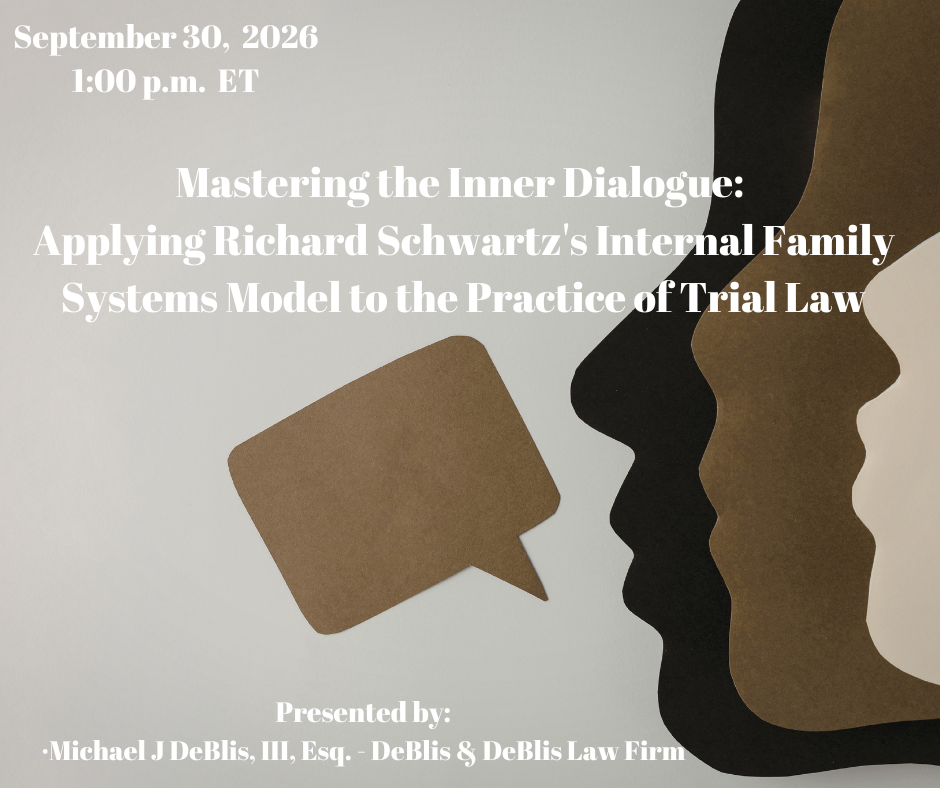
Every trial lawyer has experienced it: the inner critic before opening statements, the surge of ange...
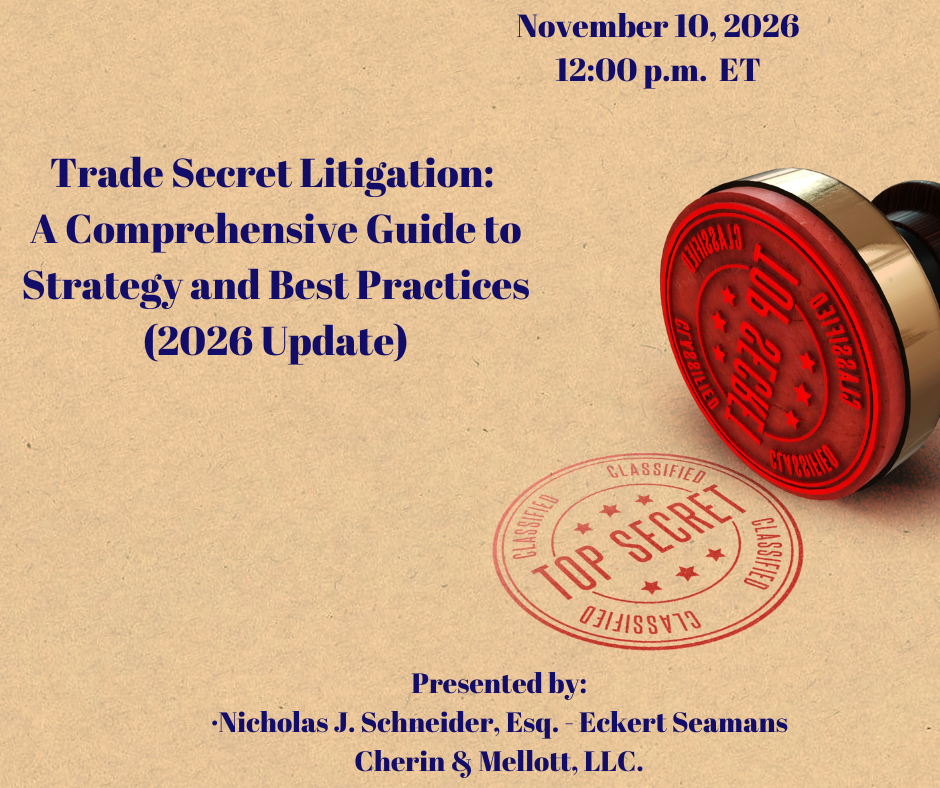
This course on trade secrets litigation provides real-world best practices through all key stages of...
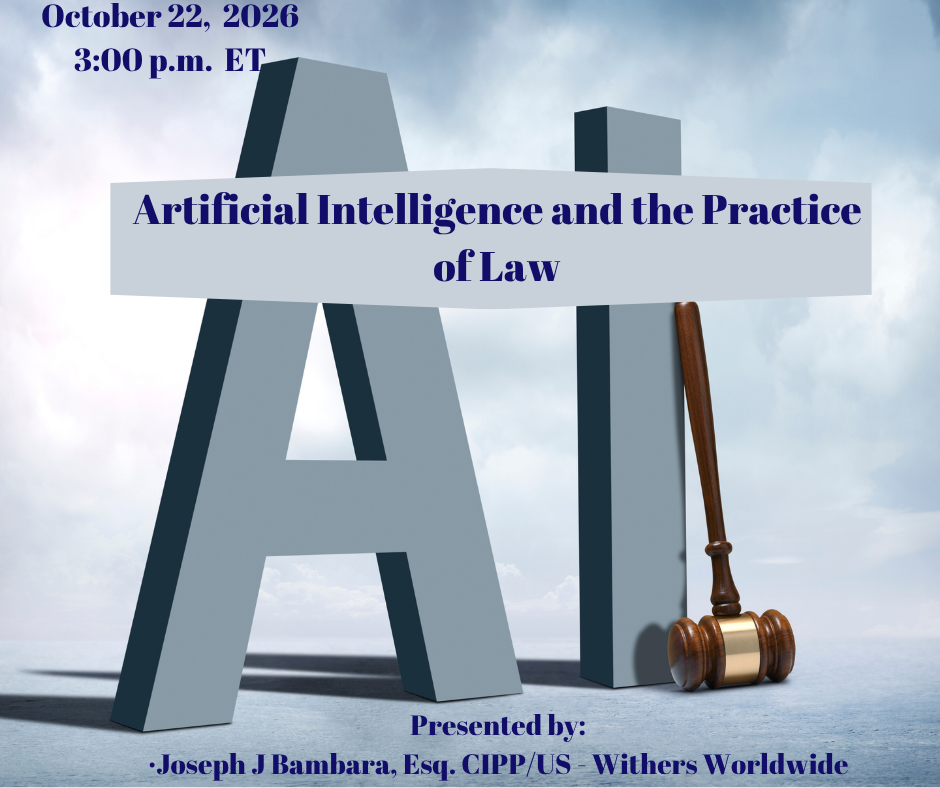
"Artificial Intelligence and the Practice of Law" (updated through 2026), is a 50-slide primer desig...
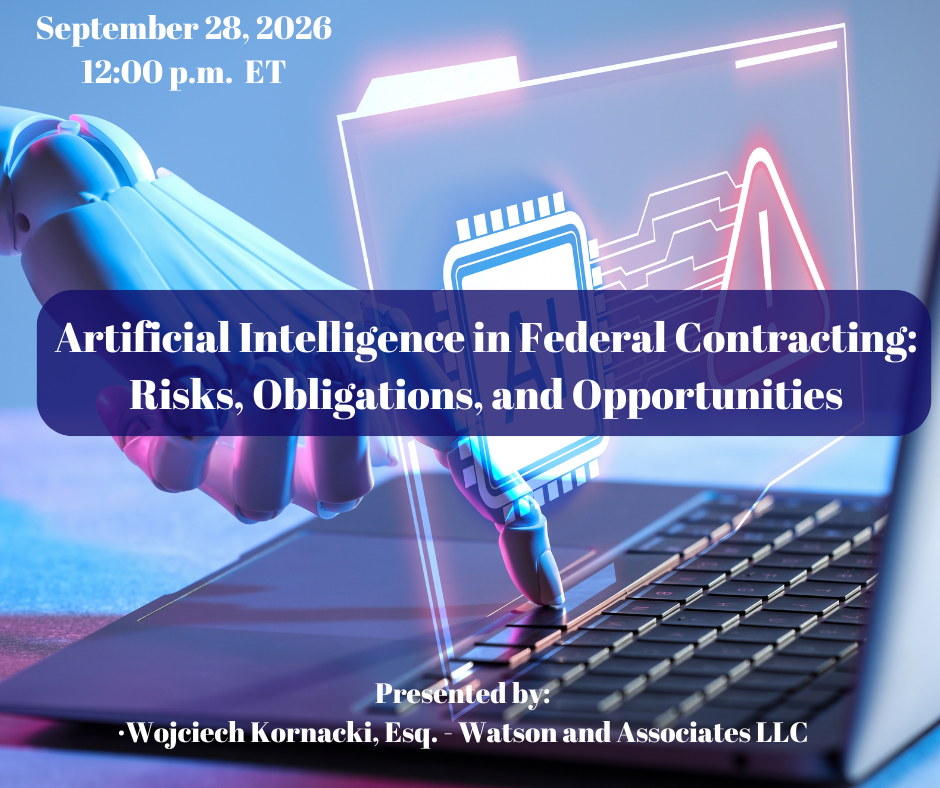
This course examines the latest legal and compliance developments in the artificial intelligence (AI...
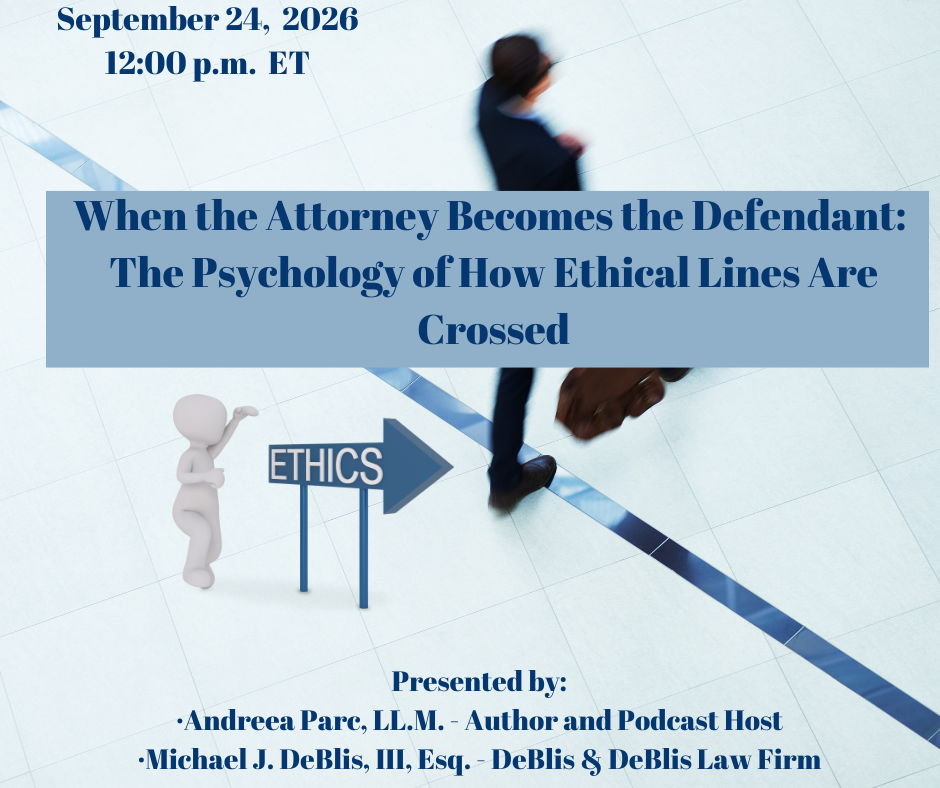
This program addresses a gap no standard ethics CLE reaches: the psychology of what happens inside t...
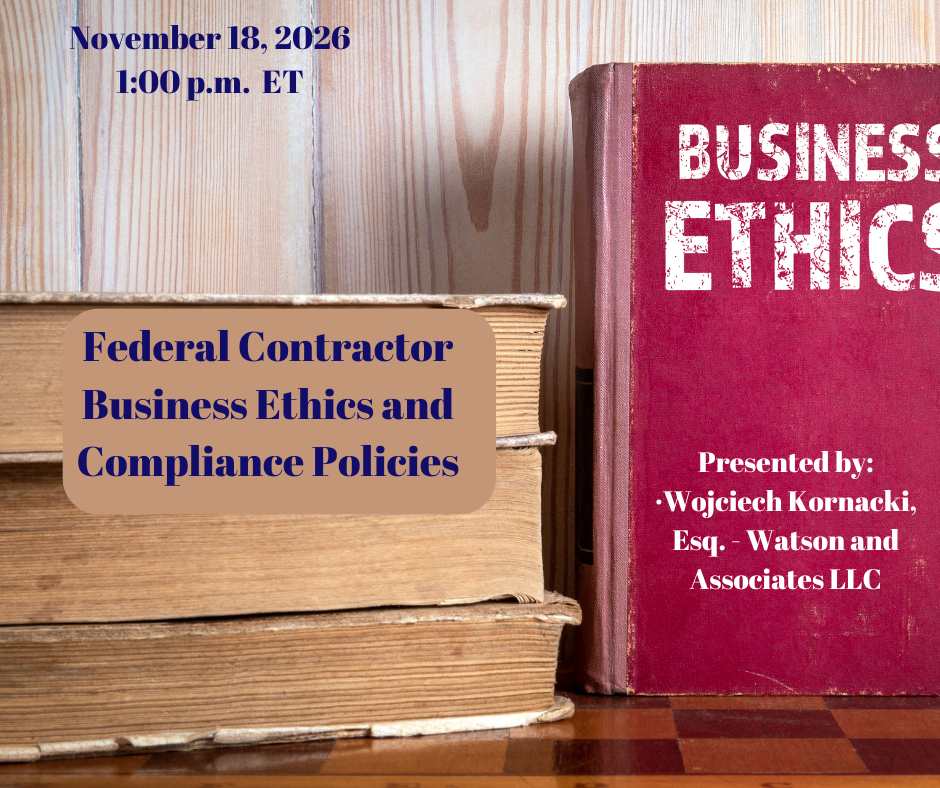
As the largest purchaser of goods and services in the world, the United States Government requires f...
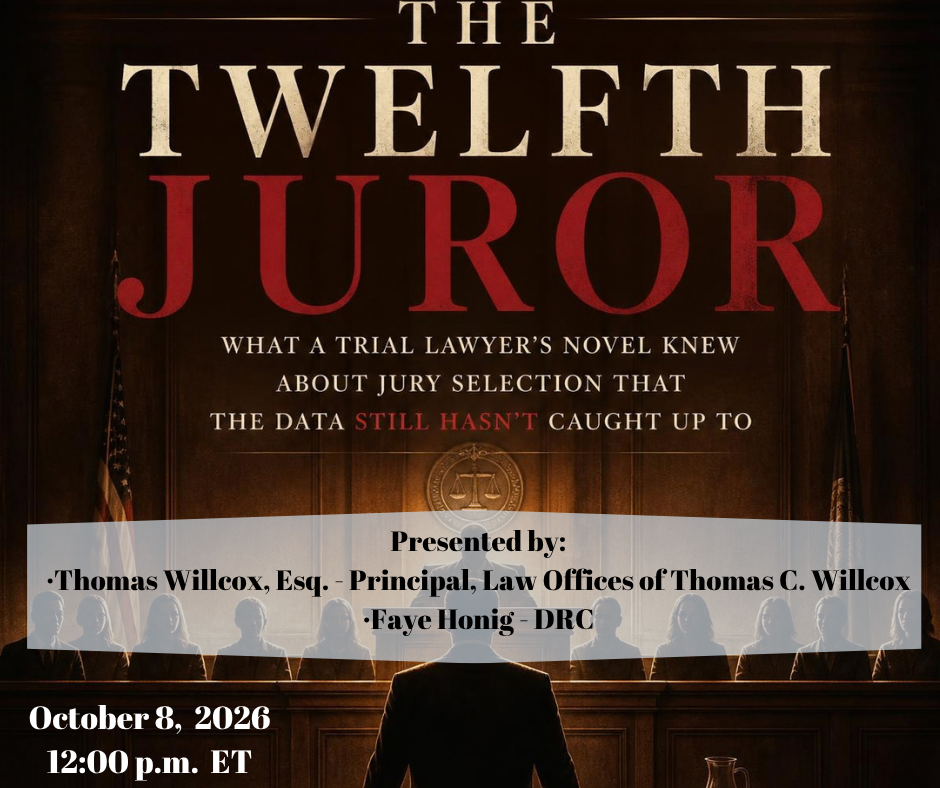
The Twelfth Juror: Lessons on Jury Selection from a Trial Lawyer’s Novel and a Trial Consultan...
Trial Starts Now: Winning the Final Six Months provides a comprehensive guide to the critical tasks ...
Decentralized Autonomous Organizations (DAOs) and other digital-native structures have moved from ni...
This program provides a practical roadmap to mastering every stage of the discovery process in civil...