
Exciting new series on “Voice, Body and Movement for Lawyers – How to connect with the jury and find Justice Through Dramatic Technique!”
Click here to find out more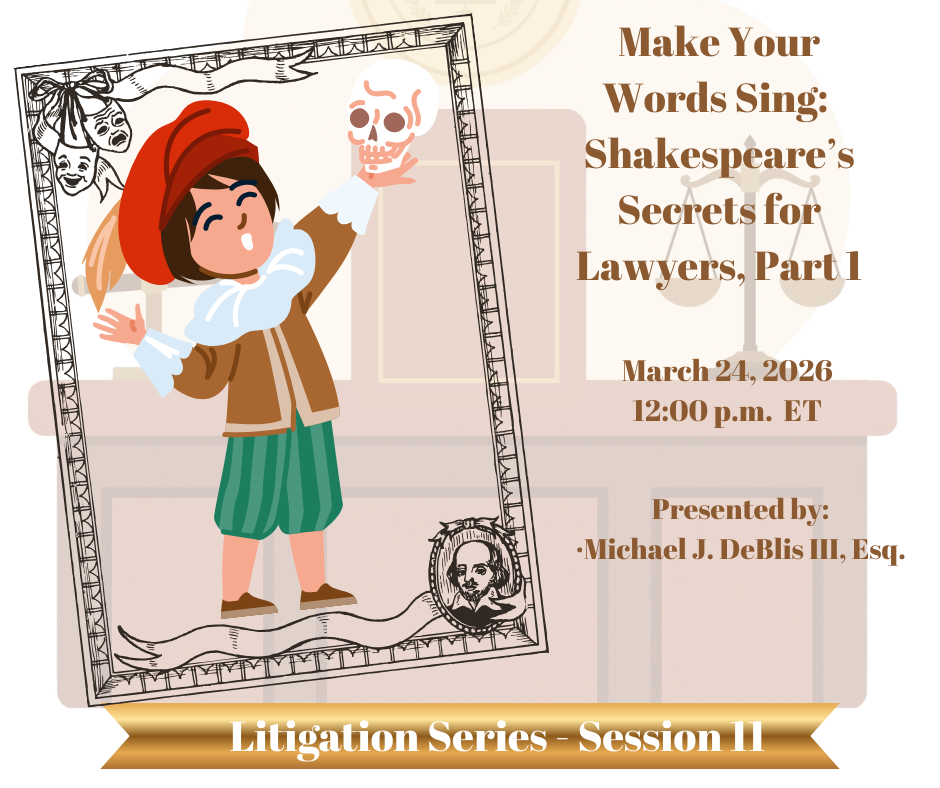
This Shakespeare?inspired program illustrates how Shakespearean technique can enrich courtroom advocacy by enhancing vocal expressiveness, emotional truth, and linguistic clarity. It shows how actors use rhythm, imagery, breath, and intentionality to animate text—and how lawyers can apply the same tools to make arguments vibrant and human.
At its heart, the presentation champions the idea that the lawyer’s voice is an instrument, and when used artfully, it can make complex ideas accessible while forging deeper juror connection.
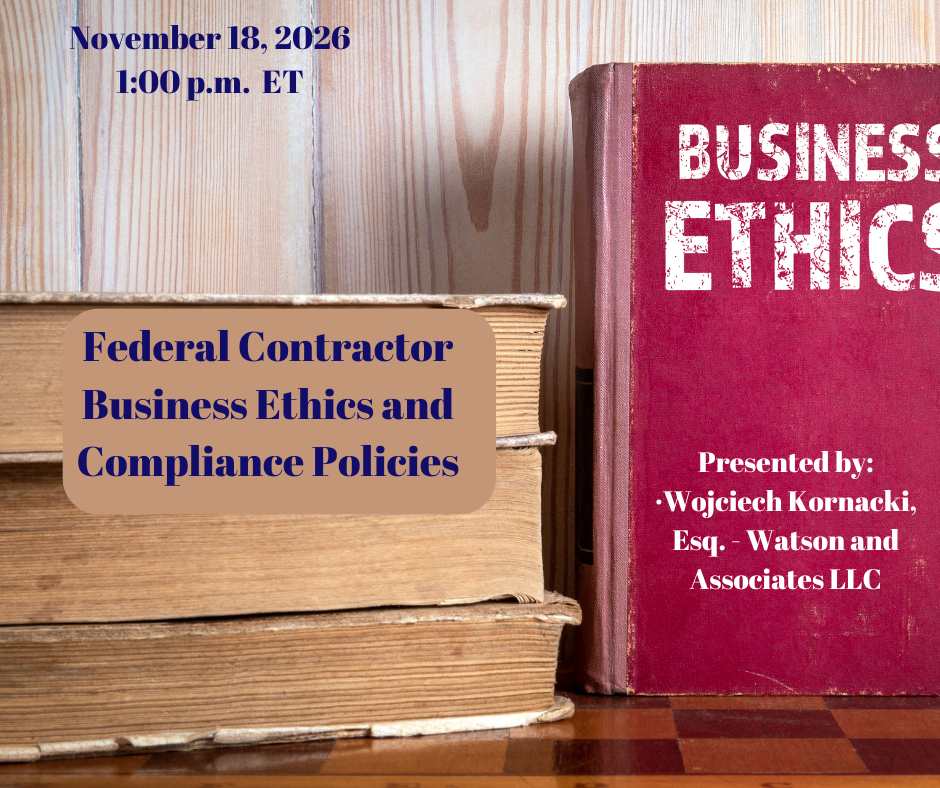
As the largest purchaser of goods and services in the world, the United States Government requires f...
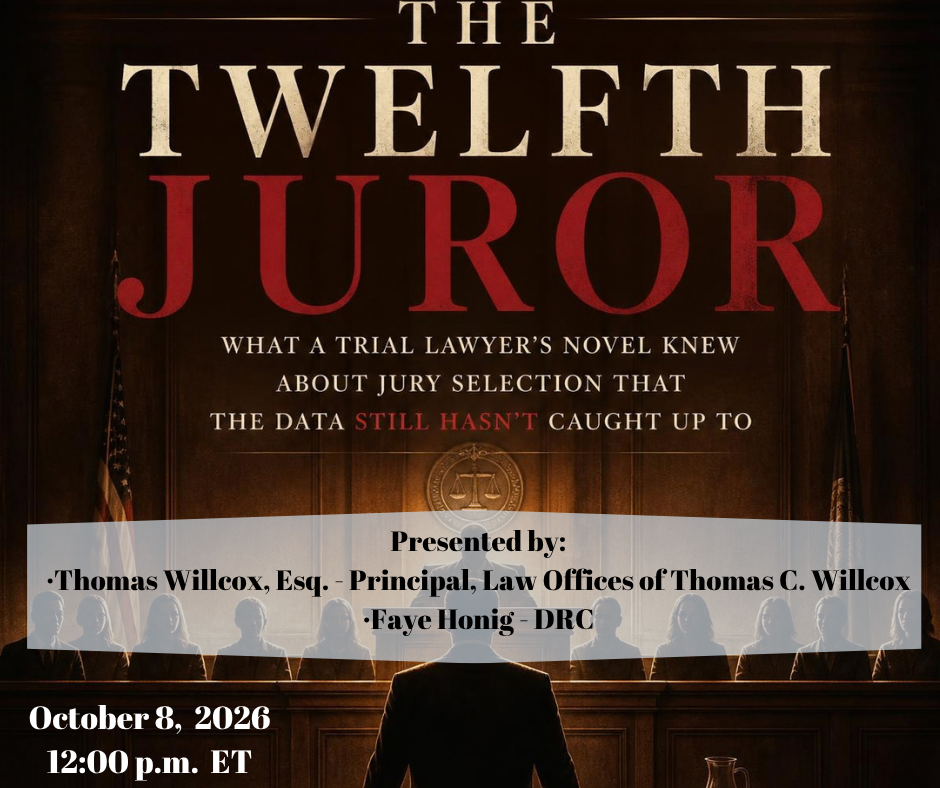
The Twelfth Juror: Lessons on Jury Selection from a Trial Lawyer’s Novel and a Trial Consultan...
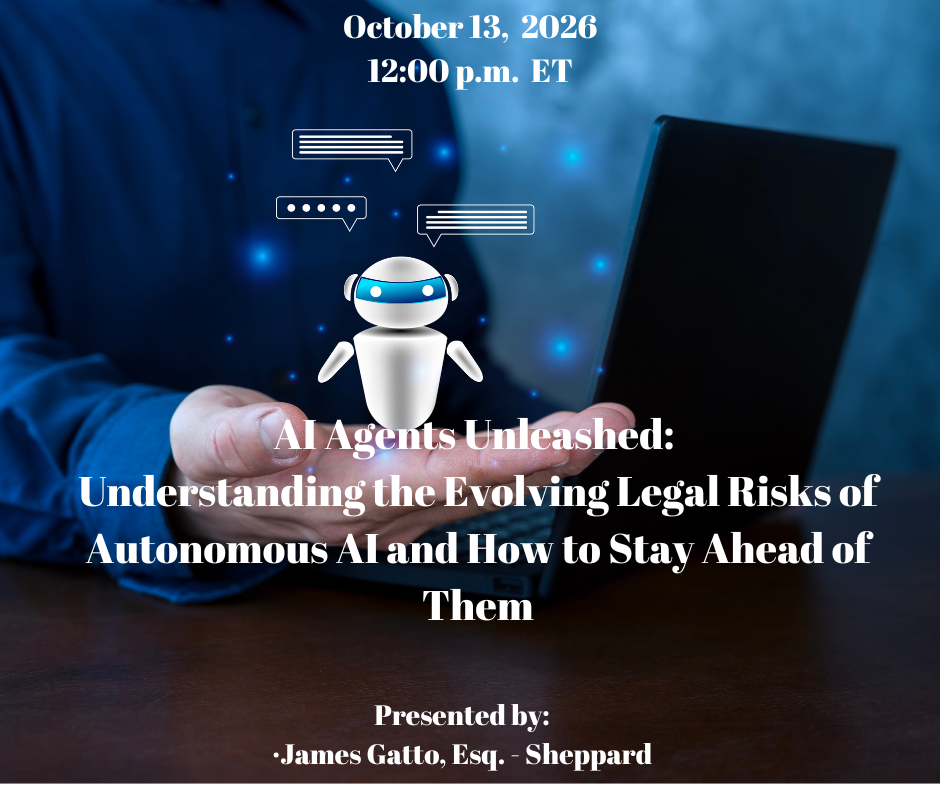
AI agents — autonomous systems capable of planning, deciding, and acting independently across ...
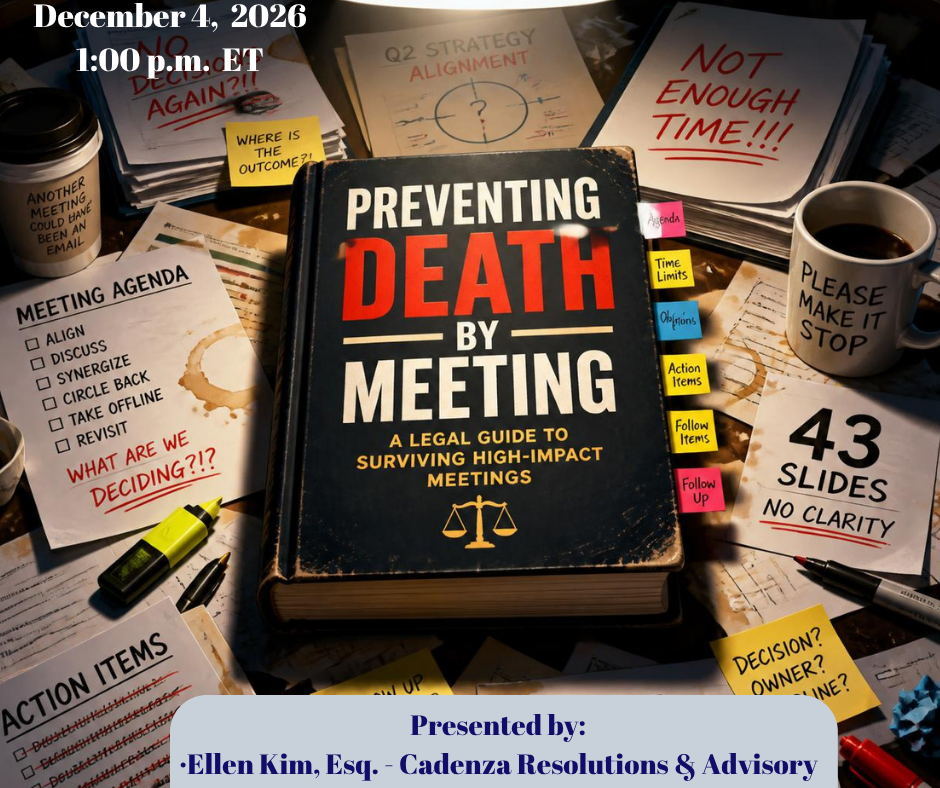
Lawyers lose hundreds of billable and operational hours every year to poorly managed meetings. Unfoc...
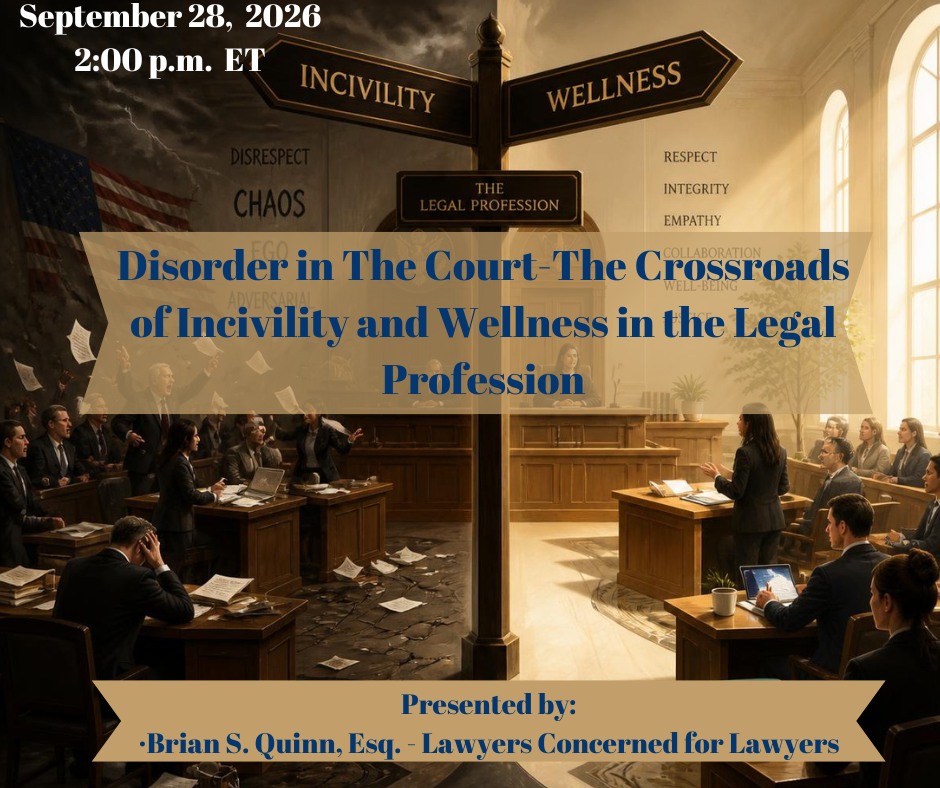
Abrasive or burned out? Overworked or uncivil? Zealous advocate or bully? The legal profession is c...
This program provides a practical roadmap to mastering every stage of the discovery process in civil...
Trial Starts Now: Winning the Final Six Months provides a comprehensive guide to the critical tasks ...
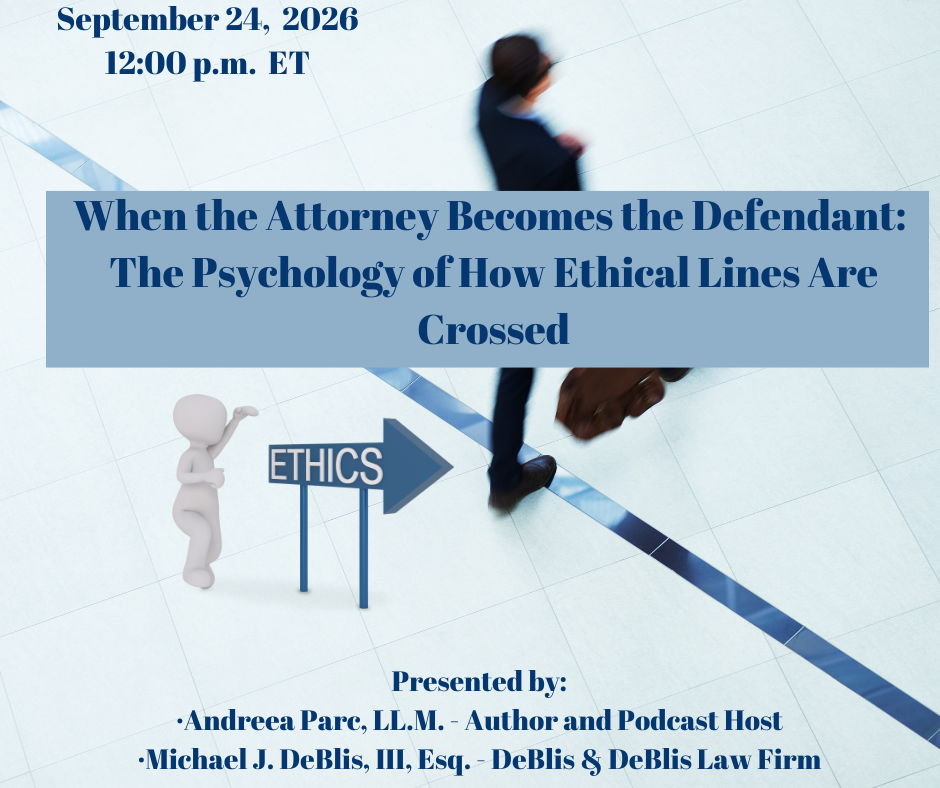
This program addresses a gap no standard ethics CLE reaches: the psychology of what happens inside t...
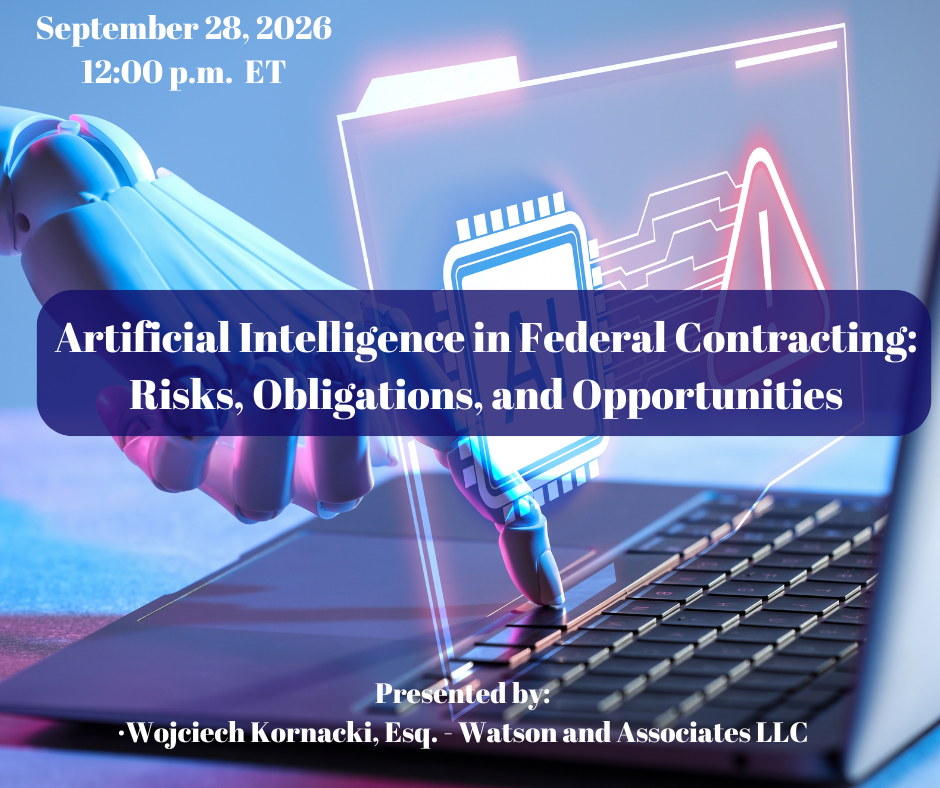
This course examines the latest legal and compliance developments in the artificial intelligence (AI...
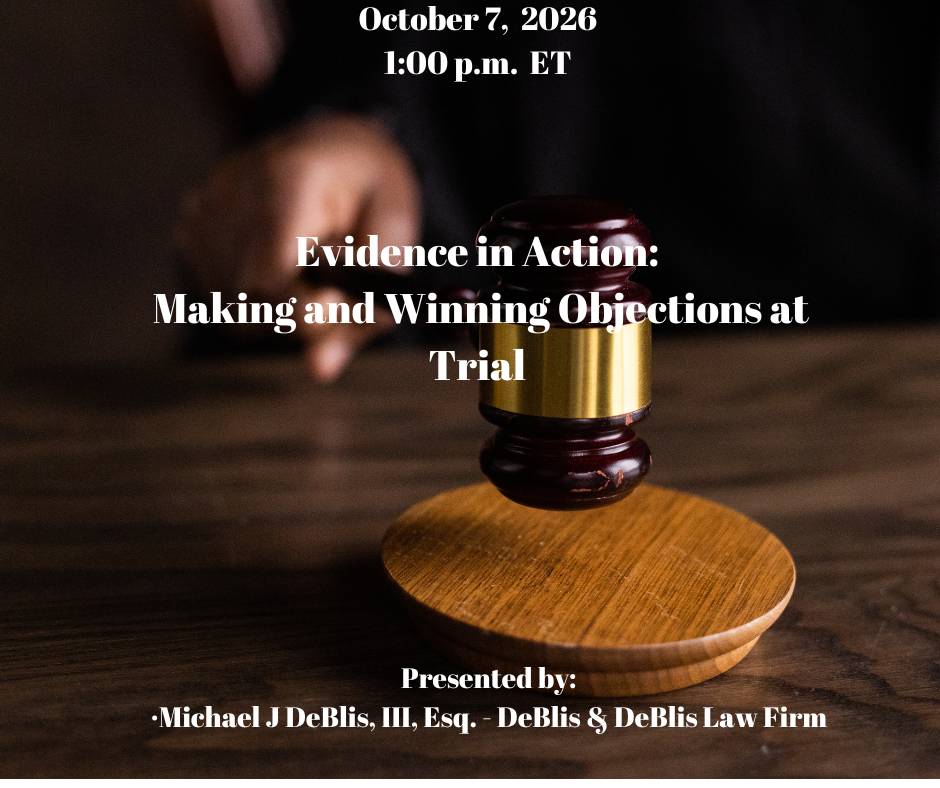
Objections are among the most powerful — and most misunderstood — tools in a trial lawye...