
Exciting new series on “Voice, Body and Movement for Lawyers – How to connect with the jury and find Justice Through Dramatic Technique!”
Click here to find out more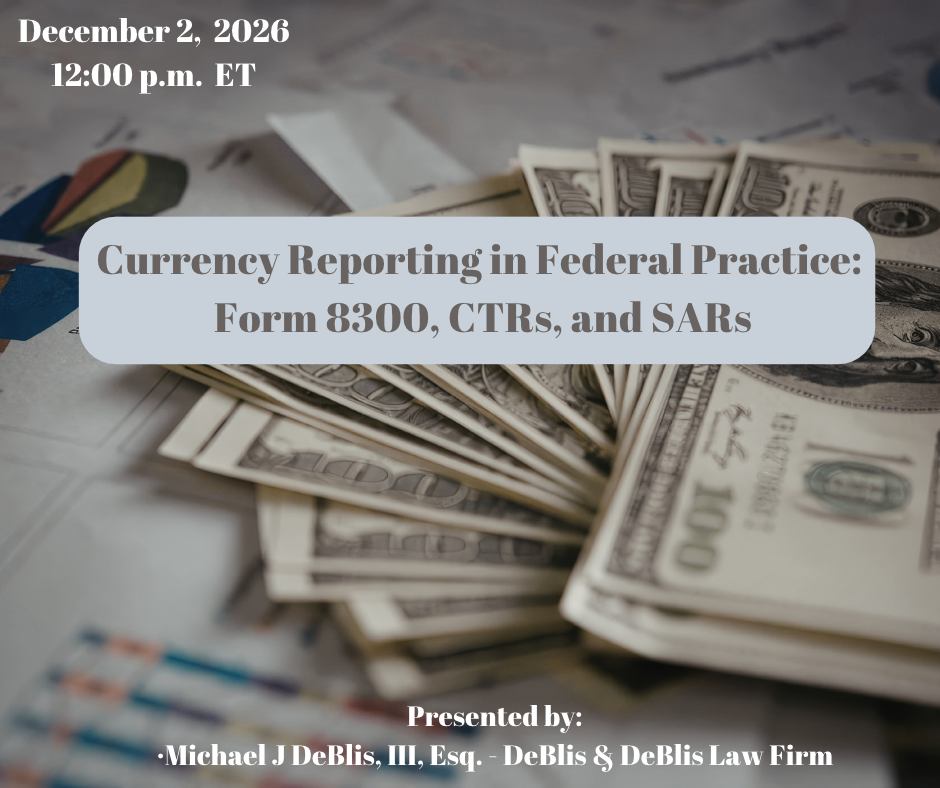
This program provides trial attorneys with a thorough grounding in the three principal currency reporting regimes that drive federal financial crime prosecutions: IRS Form 8300, Currency Transaction Reports (CTRs), and Suspicious Activity Reports (SARs). Drawing on the Bank Secrecy Act and related federal statutes, the program examines each form's legal basis, filing triggers, responsible parties, deadlines, and civil and criminal penalty exposure — equipping practitioners on both sides of the aisle to handle the full range of BSA-related matters with confidence.
Attendees will learn to identify when each reporting obligation arises, understand the critical distinctions between the three regimes, and recognize how violations are charged and prosecuted. The program addresses six key federal criminal statutes — including structuring (31 U.S.C. § 5324), money laundering (18 U.S.C. §§ 1956 and 1957), and willful BSA violations (31 U.S.C. § 5322) — and presents a robust framework of trial defenses, from the willfulness standard and the Ratzlaf doctrine to constitutional challenges and good-faith reliance on professional advice.
Four detailed hypotheticals anchor the legal analysis in real-world fact patterns, including a cash-heavy car dealership, a restaurant owner charged with structuring, a cryptocurrency exchange operator who violated the tipping-off prohibition, and an attorney who accepted a large cash retainer with potentially criminal consequences. Each scenario is examined from both the prosecution and defense perspectives.
Topics covered include:
Who Should Attend: Trial attorneys in federal criminal practice, white collar defense counsel, prosecutors, in-house counsel at financial institutions, and compliance professionals seeking the litigation perspective.

The practice of law places legal professionals under extraordinary and often chronic stress, making ...
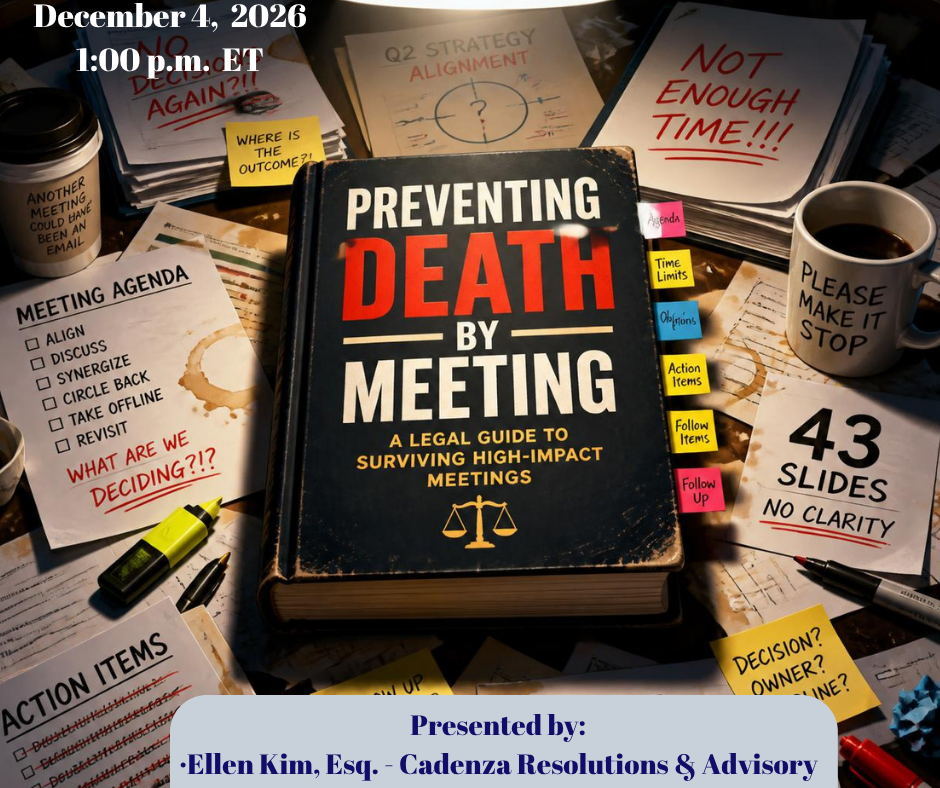
Lawyers lose hundreds of billable and operational hours every year to poorly managed meetings. Unfoc...

During this course, you will learn about best practices and strategies for retaining intellectual pr...
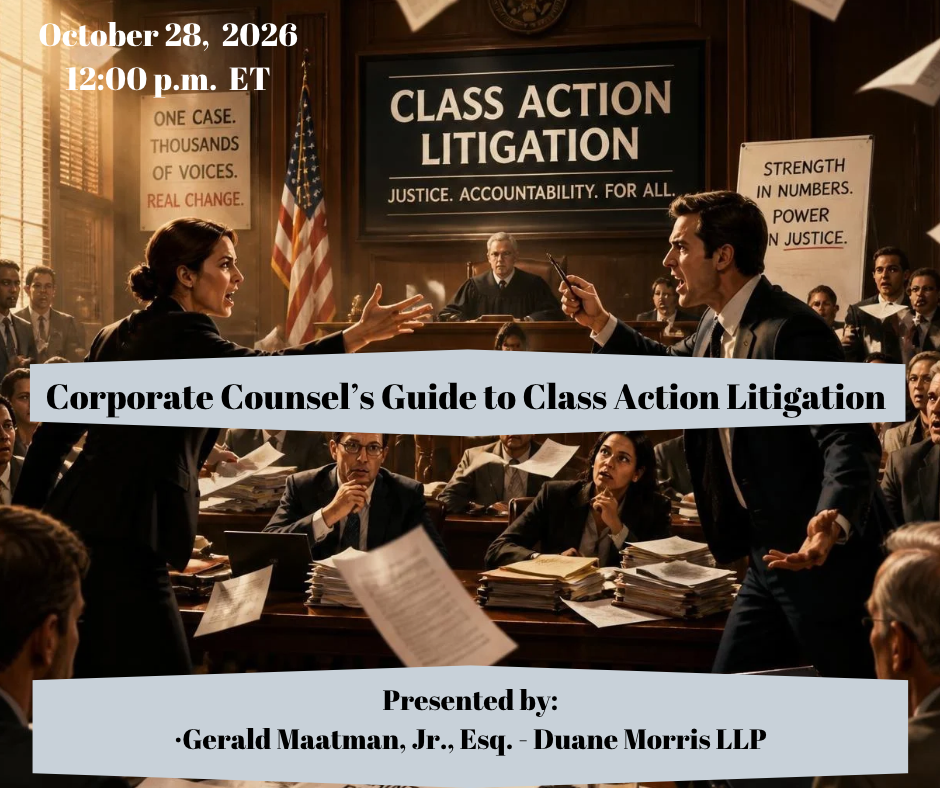
Class action litigation continues to expand in both number of filings and monetary exposure, with se...
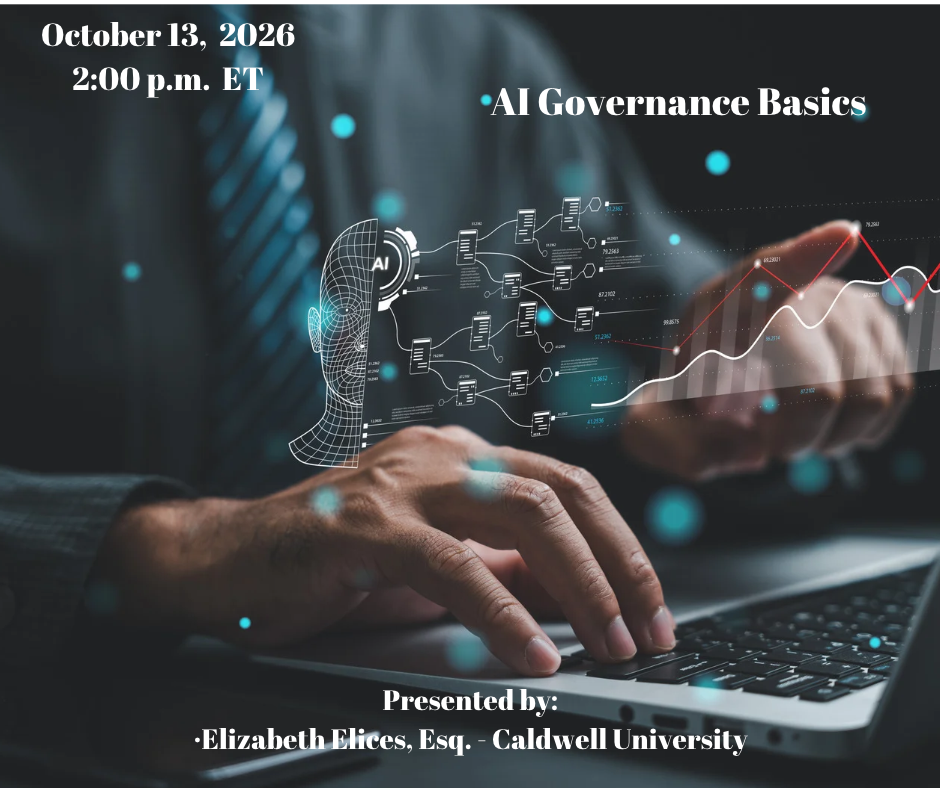
This presentation provides a basic overview of AI governance in the United States for in-house attor...
This program will discuss how to design and implement legally sound diversity, equity, and inclusion...
The Twelfth Juror: Lessons on Jury Selection from a Trial Lawyer’s Novel and a Trial Consultan...

Perfectionism is often rewarded in the legal profession. It drives attention to detail, thorough pre...

Class action litigation presents significant legal and business challenges for employers and corpora...
This course on trade secrets litigation provides real-world best practices through all key stages of...