
Exciting new series on “Voice, Body and Movement for Lawyers – How to connect with the jury and find Justice Through Dramatic Technique!”
Click here to find out more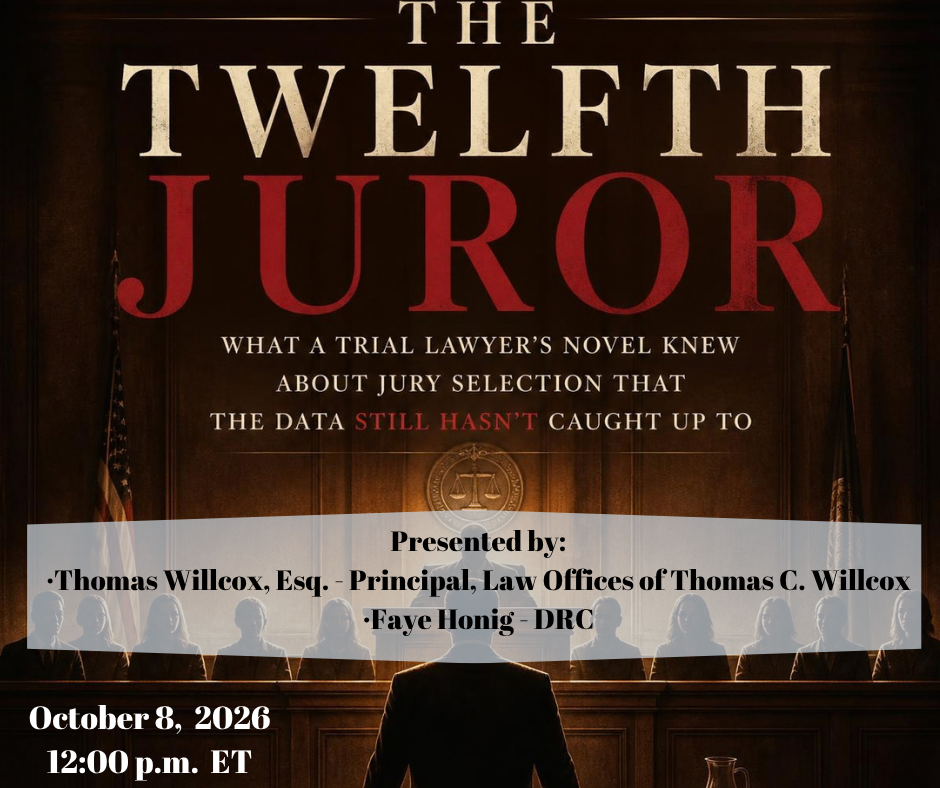
The Twelfth Juror: Lessons on Jury Selection from a Trial Lawyer’s Novel and a Trial Consultant’s Experience explores the assumptions, heuristics, and inherent uncertainty that shape jury selection. Drawing on Wedlock, an unpublished novel by veteran trial lawyer Harold M. Willcox, Jr., the program examines a fictional criminal trial in which experienced attorneys make rapid judgments about prospective jurors based on appearance, occupation, neighborhood, marital status, presumed religion, and other demographic characteristics. The story culminates with the juror both sides viewed as the most predictable vote for conviction becoming the lone juror who refuses to affirm the verdict, demonstrating how an individual’s private experiences and attitudes can defy even seemingly confident demographic assessments.
Using the novel as a framework, this CLE connects courtroom experience with subsequent empirical research showing that demographic characteristics are weak and unreliable predictors of individual juror decisions and that attitudes and personal experiences generally provide more meaningful insight. Participants will consider how these lessons apply to modern jury selection, including voir dire, trial consultants, social-media research, mock and shadow juries, and algorithmic juror analytics. The program emphasizes treating demographic information as a starting point for inquiry rather than an answer, probing jurors’ attitudes and experiences, questioning seemingly obvious conclusions, recognizing the central importance of the evidence and its presentation, and approaching every juror profile with appropriate humility.
Learning Objectives
Upon completion of this program, participants will be able to:
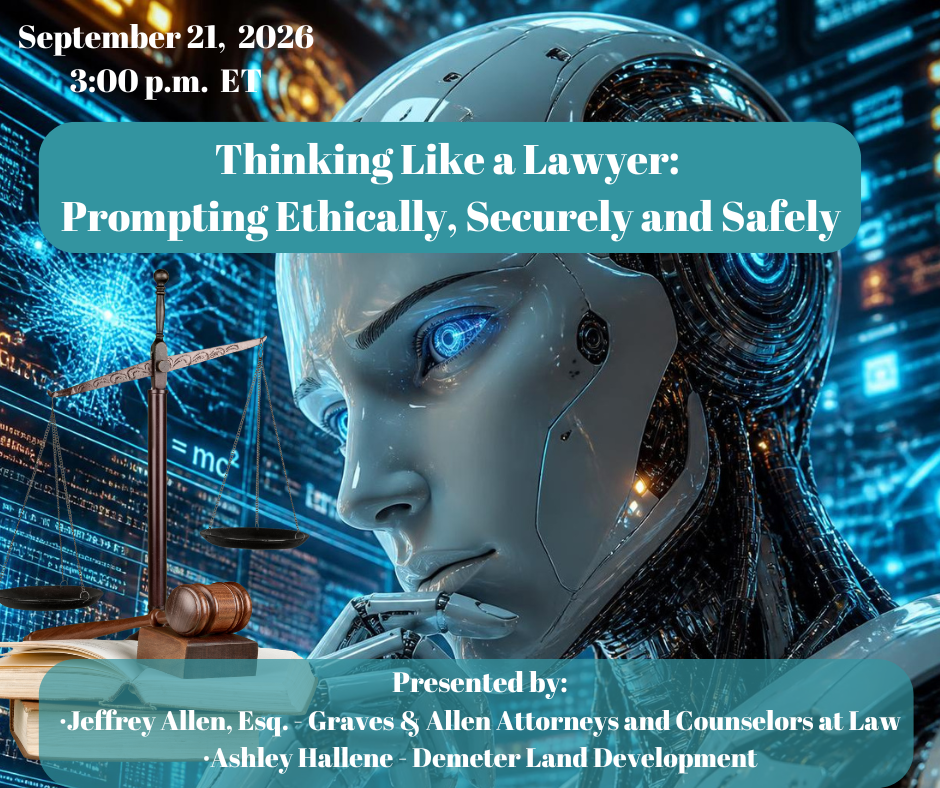
Thinking Like a Lawyer, Prompting Like a Pro: Prompting Ethically, Securely, and Safely explores how...
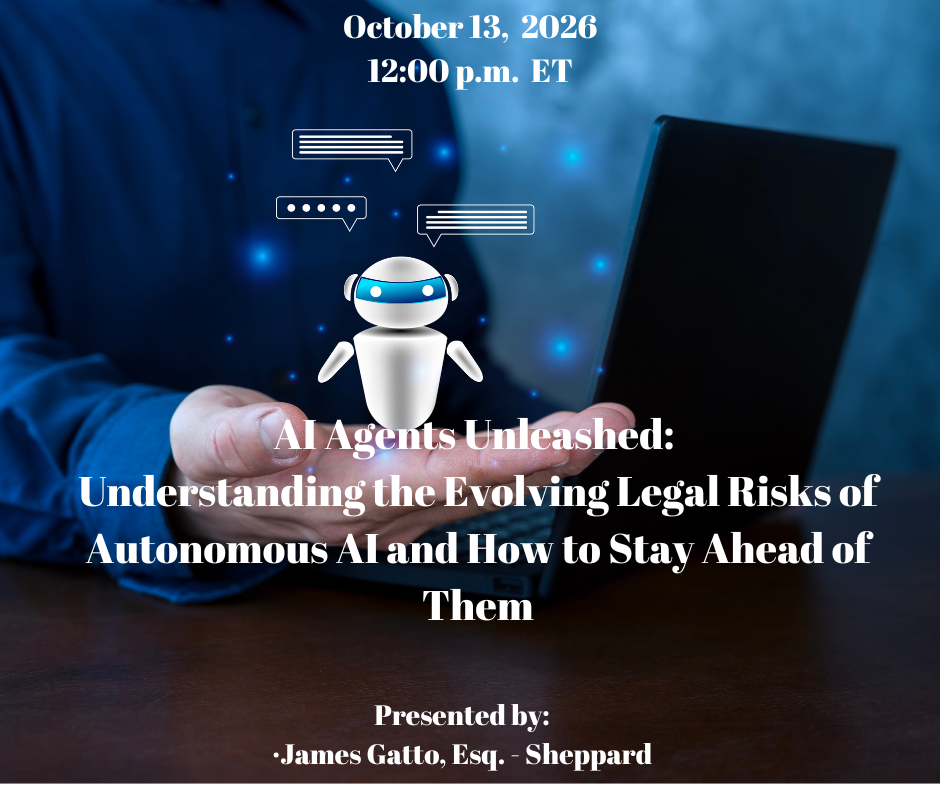
AI agents — autonomous systems capable of planning, deciding, and acting independently across ...
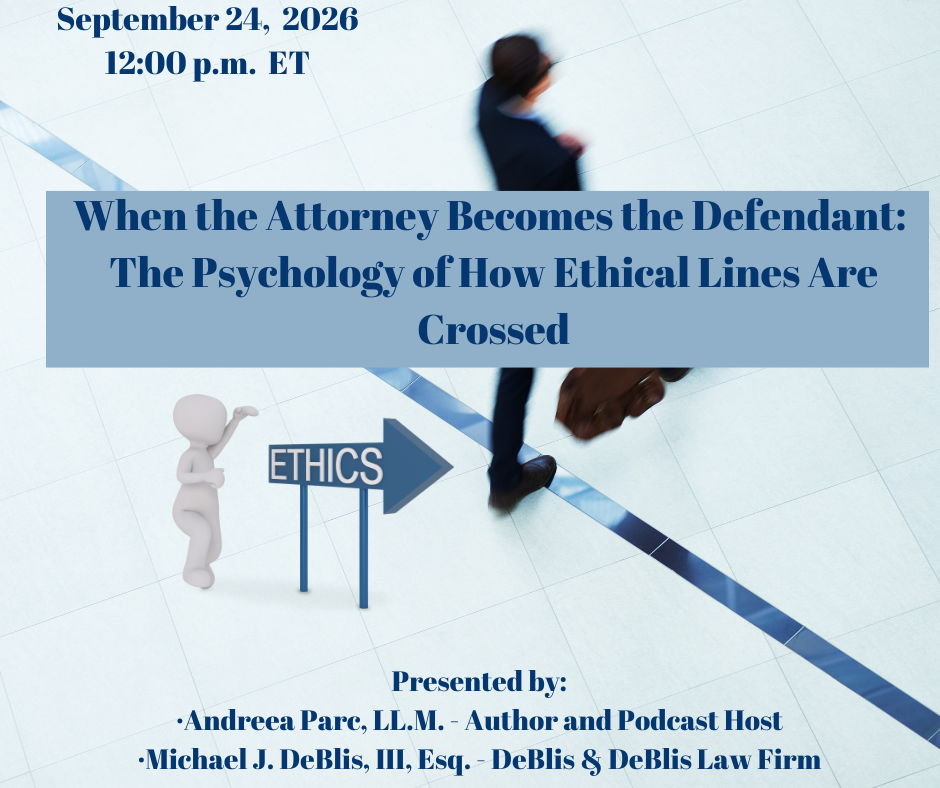
This program addresses a gap no standard ethics CLE reaches: the psychology of what happens inside t...
Modern mediation increasingly brings together parties, counsel, and neutrals across a broad range of...
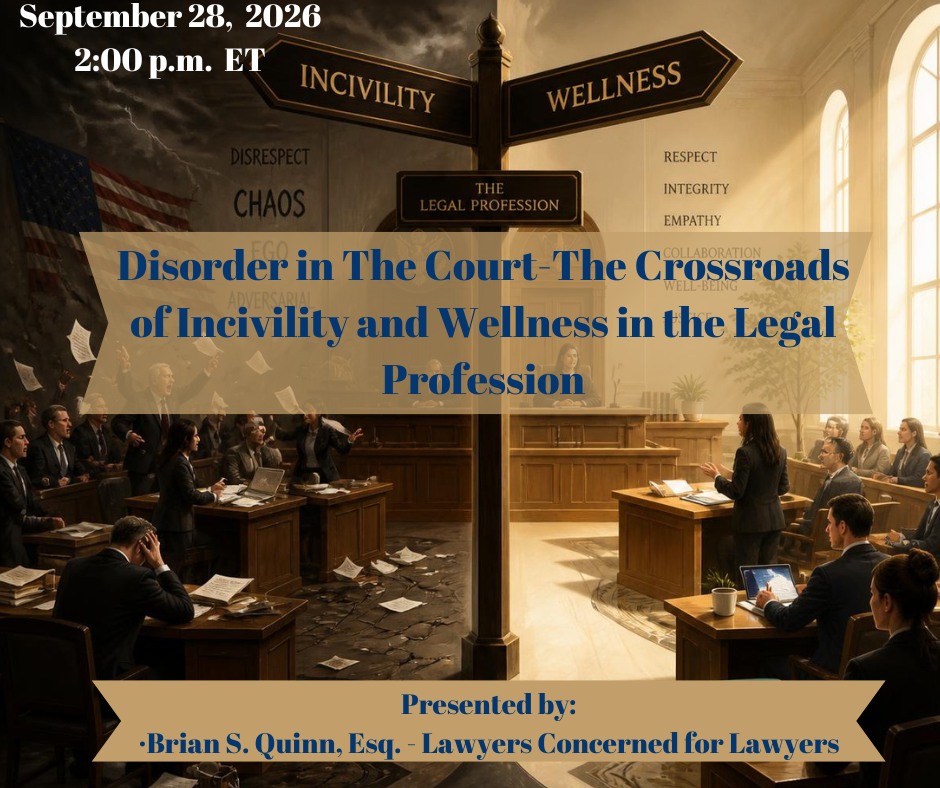
Abrasive or burned out? Overworked or uncivil? Zealous advocate or bully? The legal profession is c...
In Part 2, Mr. Kornblum will again use segments from the movies to teach pre-trial and trial tactics...
This course examines the latest legal and compliance developments in the artificial intelligence (AI...
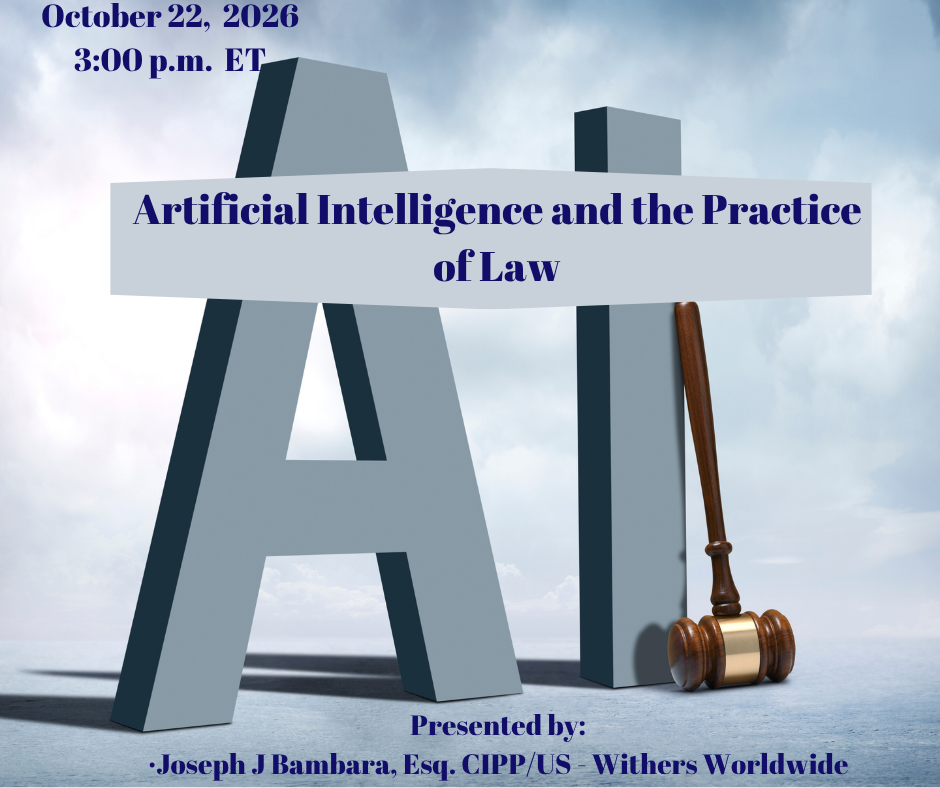
"Artificial Intelligence and the Practice of Law" (updated through 2026), is a 50-slide primer desig...
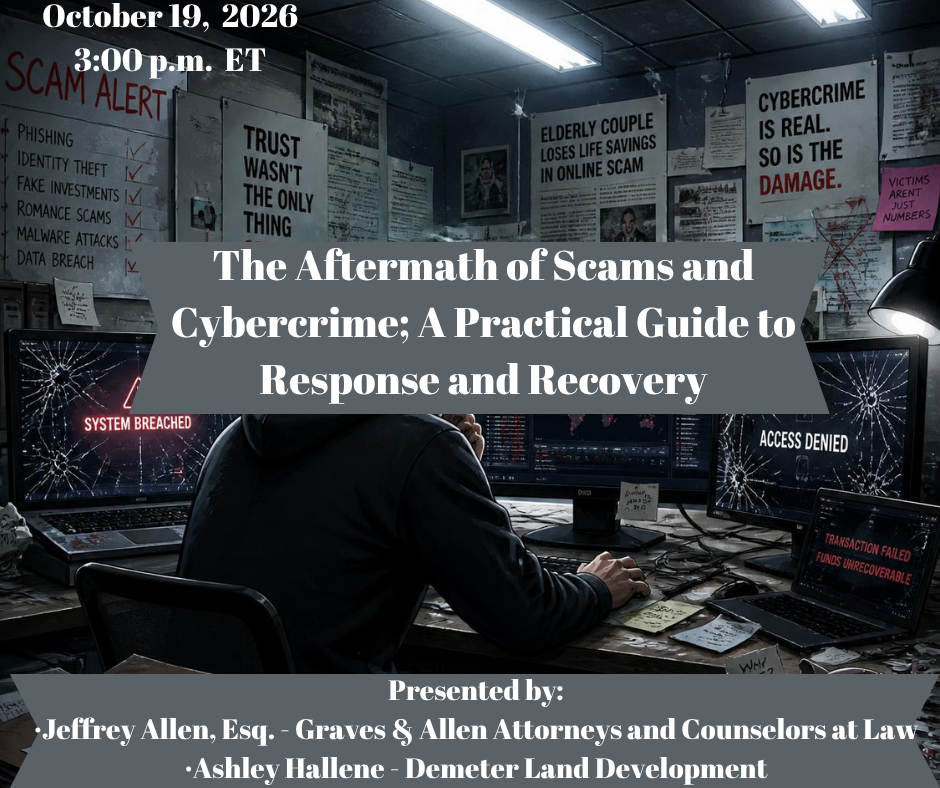
The Aftermath of Scams and Cybercrime: A Practical Guide to Response and Recovery examines the immed...
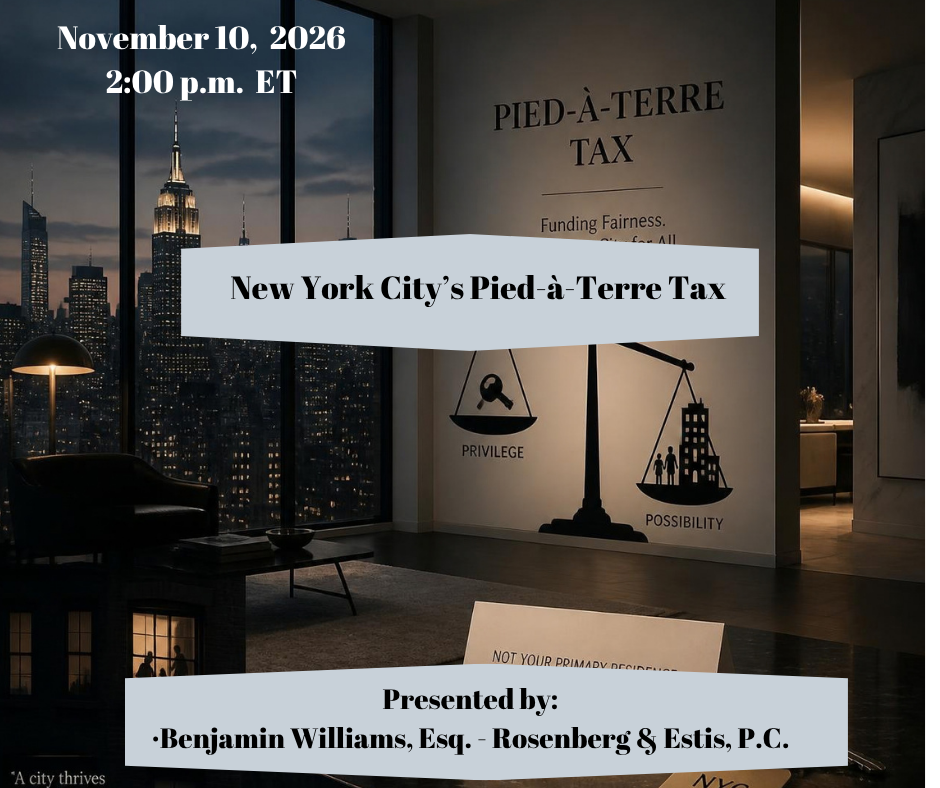
New York City’s new Non-Primary Residence Property Surcharge—commonly known as the pied-...