
Exciting new series on “Voice, Body and Movement for Lawyers – How to connect with the jury and find Justice Through Dramatic Technique!”
Click here to find out more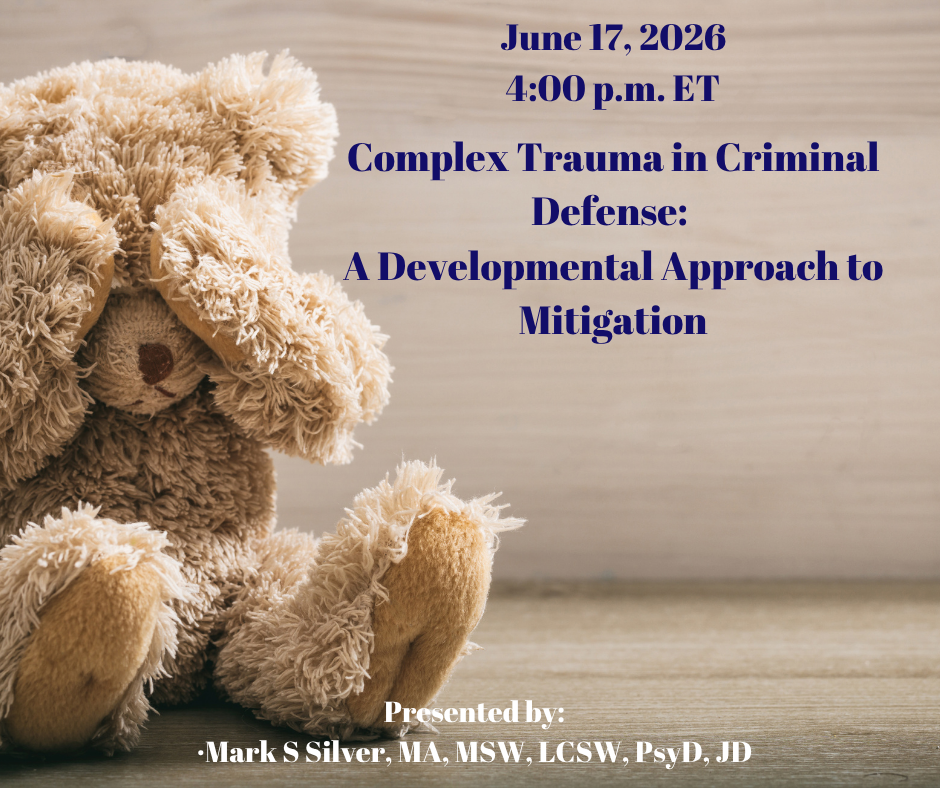
This program explores the impact of complex trauma on criminal defendants through a developmental and clinical lens. Participants will examine how adverse childhood experiences (ACEs), abuse, and neglect contribute to behavioral patterns and decision-making.
The course focuses on how trauma can be identified, assessed, and incorporated into mitigation narratives. It also examines the resulting psychopathology and how it affects culpability.
Attorneys will gain tools to present trauma-informed mitigation that supports more informed sentencing outcomes.
Learning Objectives:
Philip A. Greenberg, Esq., who has been a litigator in the State and Federal Courts for 52 years, ha...
There are countless trial skill CLEs that will teach you the basics of trial strategies. This CLE is...

Trademark doctrine was built for a marketplace that no longer exists, leaving practitioners to litig...
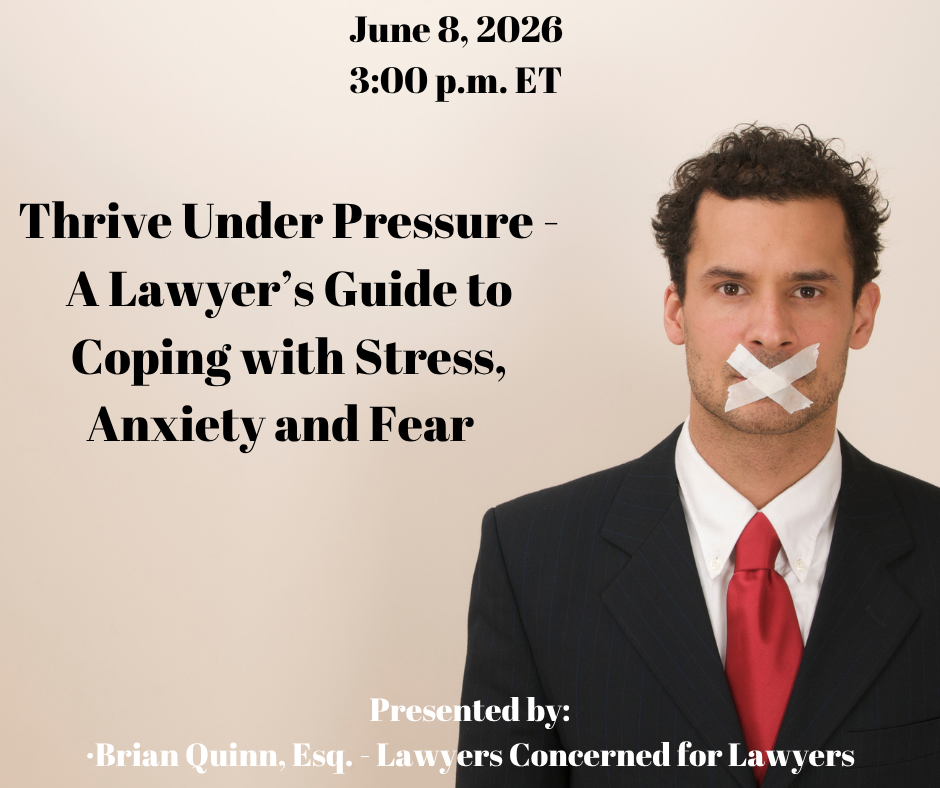
Recent studies have shown that there has been a dramatic increase in impairment due to alcoholism, a...

State attorneys general continue to play a central and increasingly aggressive role in consumer prot...

Many law firms now rely on AI?driven research, drafting, and workflow tools without fully understand...

Over the past year, the Patent Trial and Appeal Board (PTAB) has undergone a dramatic policy shift r...

Decentralized Autonomous Organizations (DAOs) and other digital-native structures have moved from ni...

During this course, you will learn about best practices and strategies for retaining intellectual pr...

Separation of Powers in United States and Israel from a Perspective of the Ongoing Debates in Both C...