
Exciting new series on “Voice, Body and Movement for Lawyers – How to connect with the jury and find Justice Through Dramatic Technique!”
Click here to find out more
Over the past year, the Patent Trial and Appeal Board (PTAB) has undergone a dramatic policy shift regarding discretionary denials under Title 35 of the U.S. Code. This program explores the operational realities of this new era, tracing its roots back to the critical March 2025 Stewart Memo and its evolution under current USPTO Director John Squires.
Speaker Charley Macedo will analyze how the system shifted from a decentralized panel framework to a strictly centralized regime. The presentation will dissect the foundational March 2025 Stewart Memo, which first bifurcated the institution process and introduced critical new discretionary considerations—including the "settled expectations" of patent longevity and the degree of reliance on expert testimony. The program will then transition into current 2026 developments, focusing on how the Squires Administration has absorbed these factors while layering on new directives concerning domestic manufacturing footprints and small-business status.
Practitioners will learn how these combined policies rebalance the system in favor of patent owners, resulting in historic highs for discretionary denials. Whether you represent owners seeking to leverage these protective doctrines or petitioners navigating strict parallel litigation constraints, this session provides practice-proven strategies to optimize your PTAB litigation outcomes.
Learning Objectives
By the conclusion of this presentation, participants will be able to:
This course examines the latest legal and compliance developments in the artificial intelligence (AI...
"Artificial Intelligence and the Practice of Law" (updated through 2026), is a 50-slide primer desig...

New York City’s new Non-Primary Residence Property Surcharge—commonly known as the pied-...
Adverse and derogatory information often has devastating effects on a contractor's ability to win co...
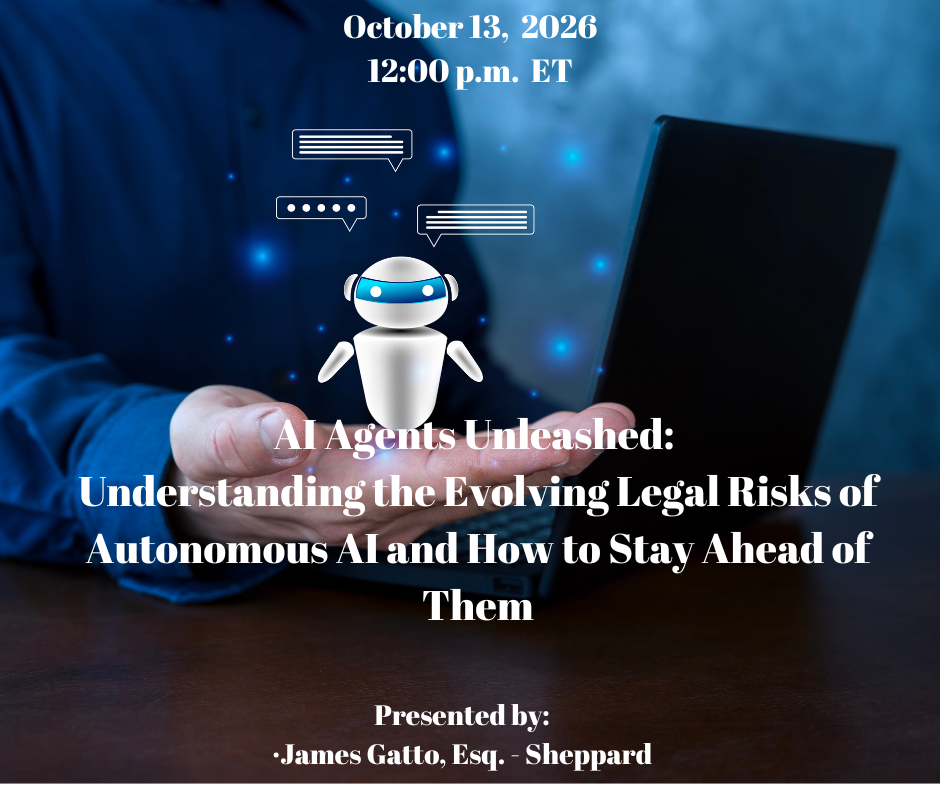
AI agents — autonomous systems capable of planning, deciding, and acting independently across ...
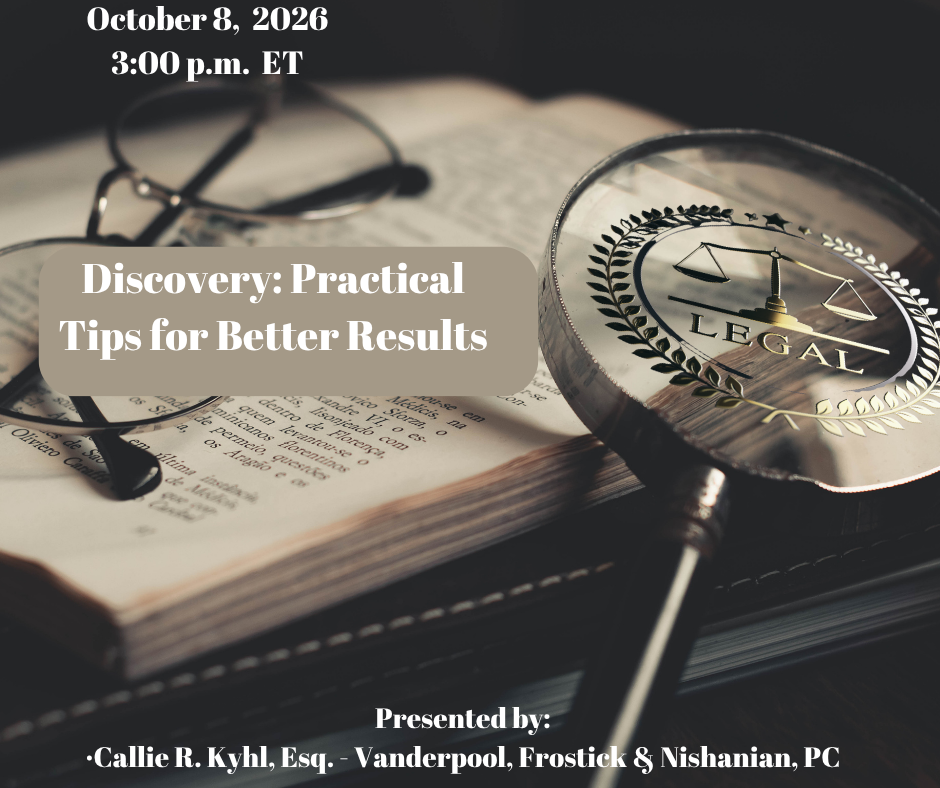
This program provides a practical roadmap to mastering every stage of the discovery process in civil...
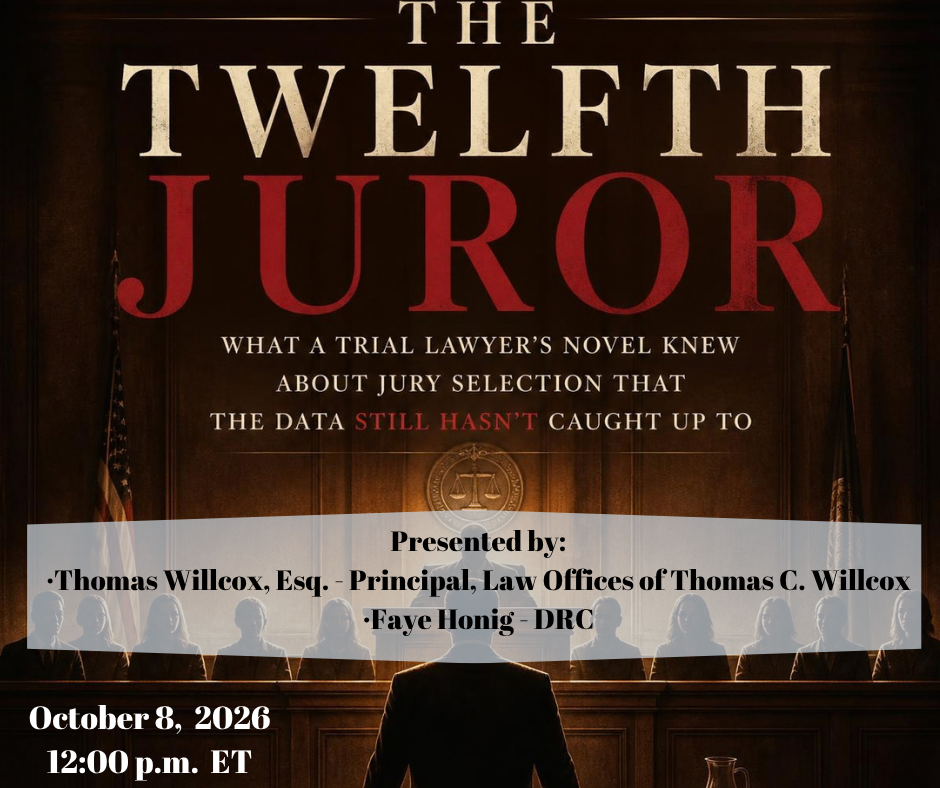
The Twelfth Juror: Lessons on Jury Selection from a Trial Lawyer’s Novel and a Trial Consultan...
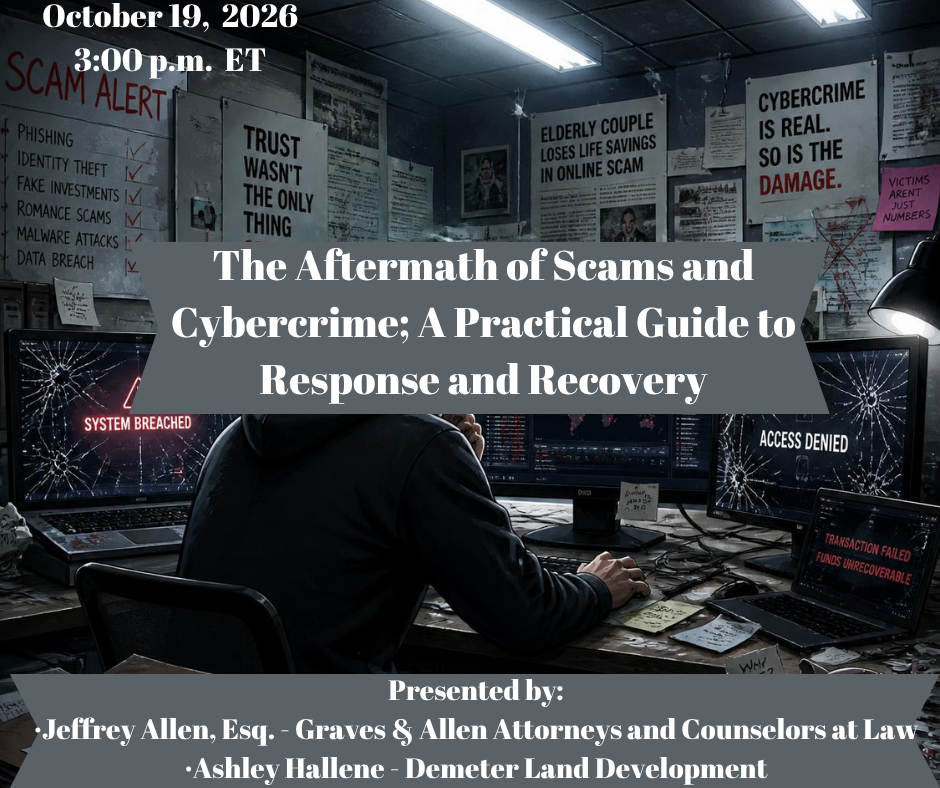
The Aftermath of Scams and Cybercrime: A Practical Guide to Response and Recovery examines the immed...
As the largest purchaser of goods and services in the world, the United States Government requires f...
This course on trade secrets litigation provides real-world best practices through all key stages of...