
Exciting new series on “Voice, Body and Movement for Lawyers – How to connect with the jury and find Justice Through Dramatic Technique!”
Click here to find out more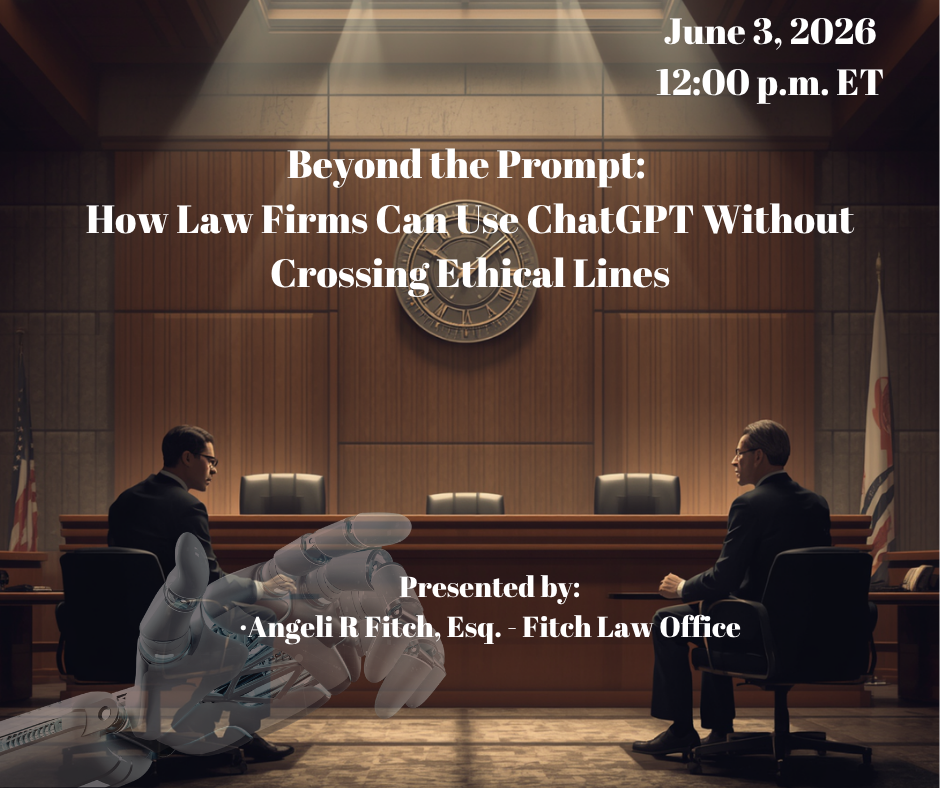
ChatGPT is rapidly entering law firm workflows, including drafting, summarizing, brainstorming, legal research support, client communication, internal operations, and administrative tasks. This ethics program examines the use of ChatGPT through the framework of ABA Formal Opinion 512 and ABA Model Rules 1.1, 1.3, 1.4, 1.5, 1.6, 3.1, 3.3, 5.1, 5.3, and 8.4(c). Attendees will learn how duties of competence, diligence, communication, confidentiality, fee reasonableness, meritorious advocacy, candor to the tribunal, supervision, and honesty apply when lawyers and law firms use ChatGPT in everyday practice. The program also addresses prompt discipline, hallucinated citations and facts, overreliance on AI output, disclosure issues, billing for AI-assisted work, and the lawyer’s continuing duty to review and verify all AI-assisted work product before it is shared with a client, third party, or tribunal. ABA Formal Opinion 512 specifically identifies these core duties when lawyers use generative AI tools.
The program further provides a practical overview of OpenAI’s current data controls, plan structure, and privacy implications for legal users. It explains why consumer ChatGPT use and business workspace use are not ethically interchangeable, what lawyers should understand before entering confidential or sensitive information into the platform, and how OpenAI’s current settings affect the risk analysis. OpenAI states that individual ChatGPT content may be used to improve its models unless the user turns that setting off, that Temporary Chat does not appear in chat history and is not used to train models, and that business products such as ChatGPT Business and Enterprise are not used to train on workspace data by default. It also states that business offerings include additional privacy and administrative controls that may matter in a law firm environment.
ABA Authorities Covered:
This course provides ethics guidance grounded in ABA authorities. Attorneys remain responsible for reviewing the rules, ethics opinions, court rules, and technology guidance that apply in their own jurisdiction.
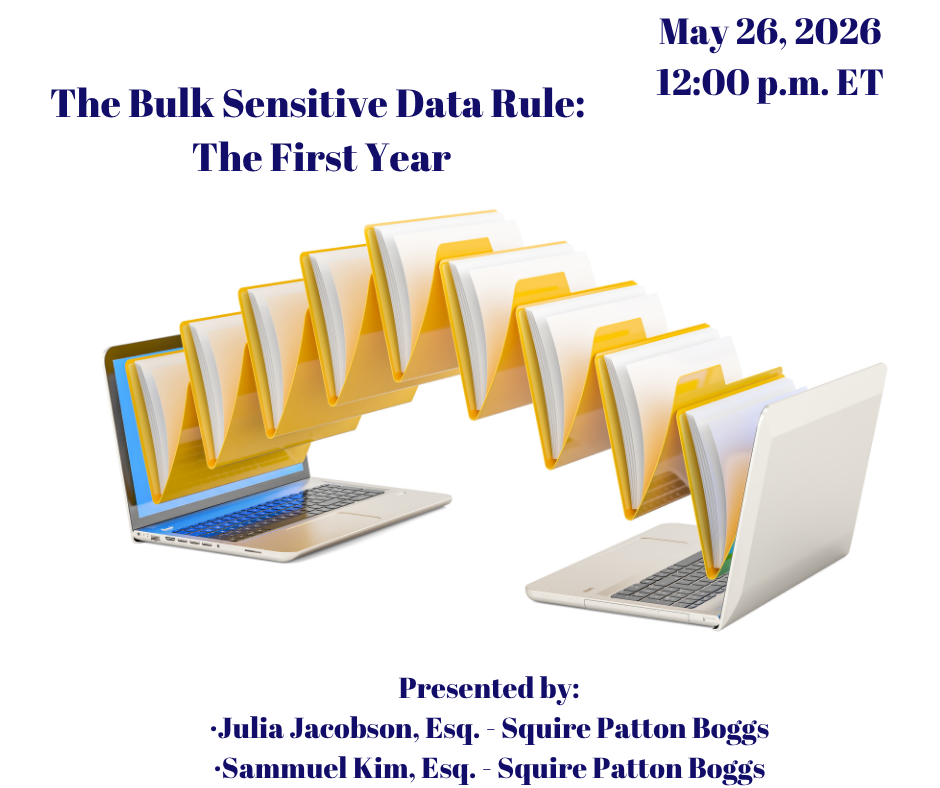
The “Preventing Access to U.S. Sensitive Personal Data and Government-Related Data by Countrie...

Aligning Your Legal Career with Your Values, explores the profound impact of values alignment on ind...

Most legal professionals are operating in survival mode whether they realize it or not. Not crisis-l...
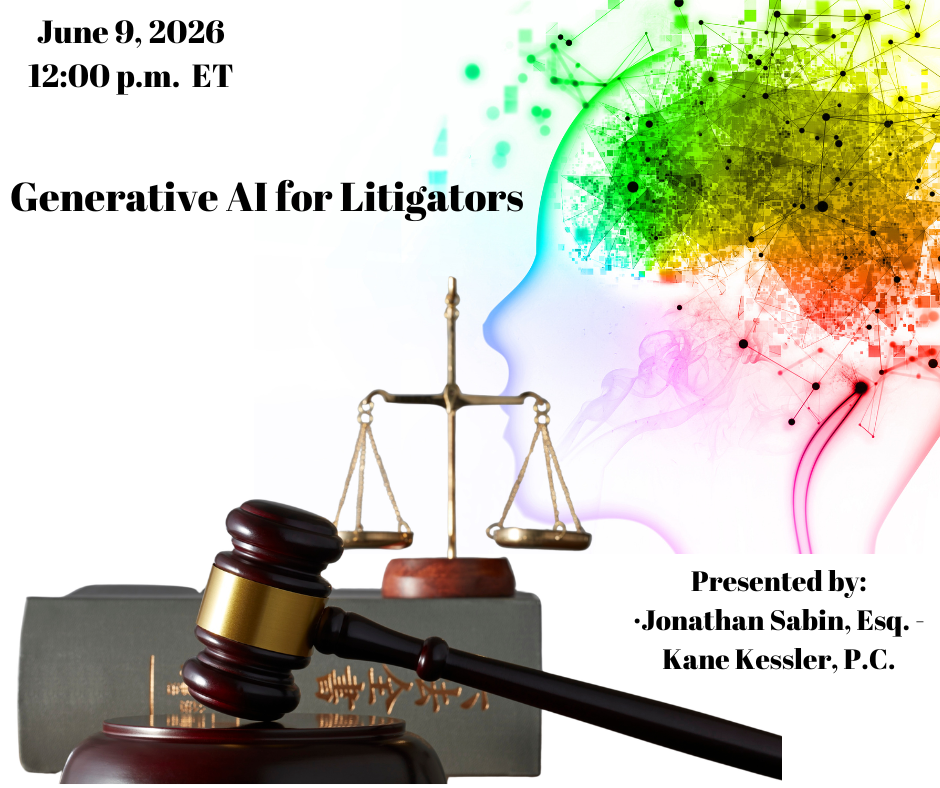
Explore the transformative potential of generative AI in modern litigation. “Generative AI for...
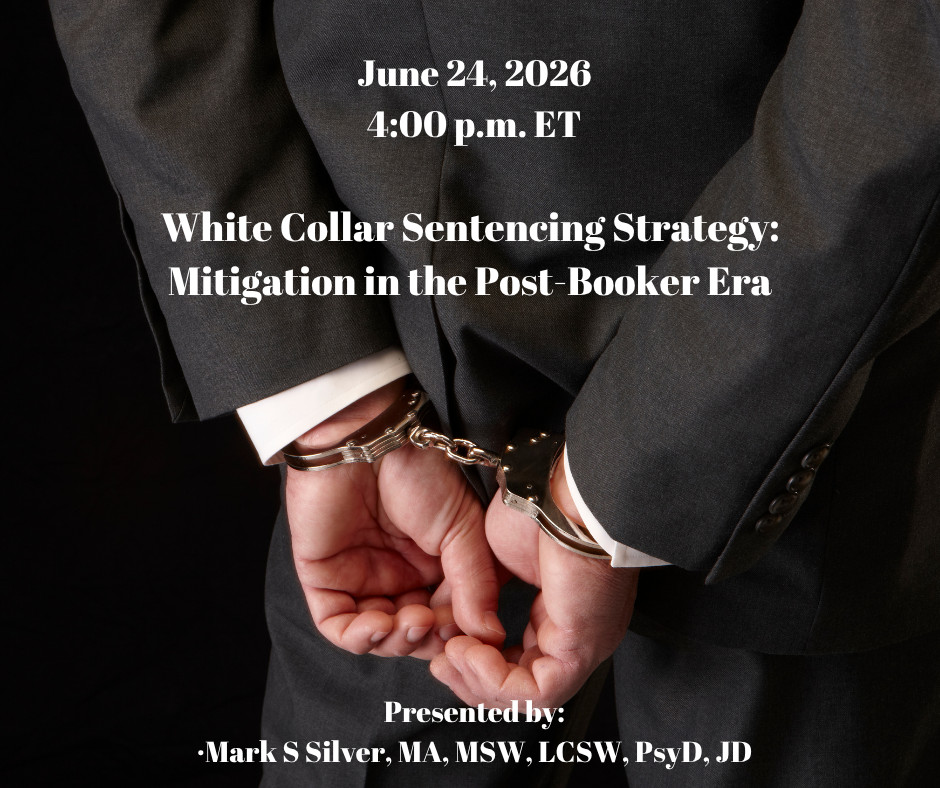
This program examines mitigation strategies for white-collar defendants in the post-Booker sentencin...
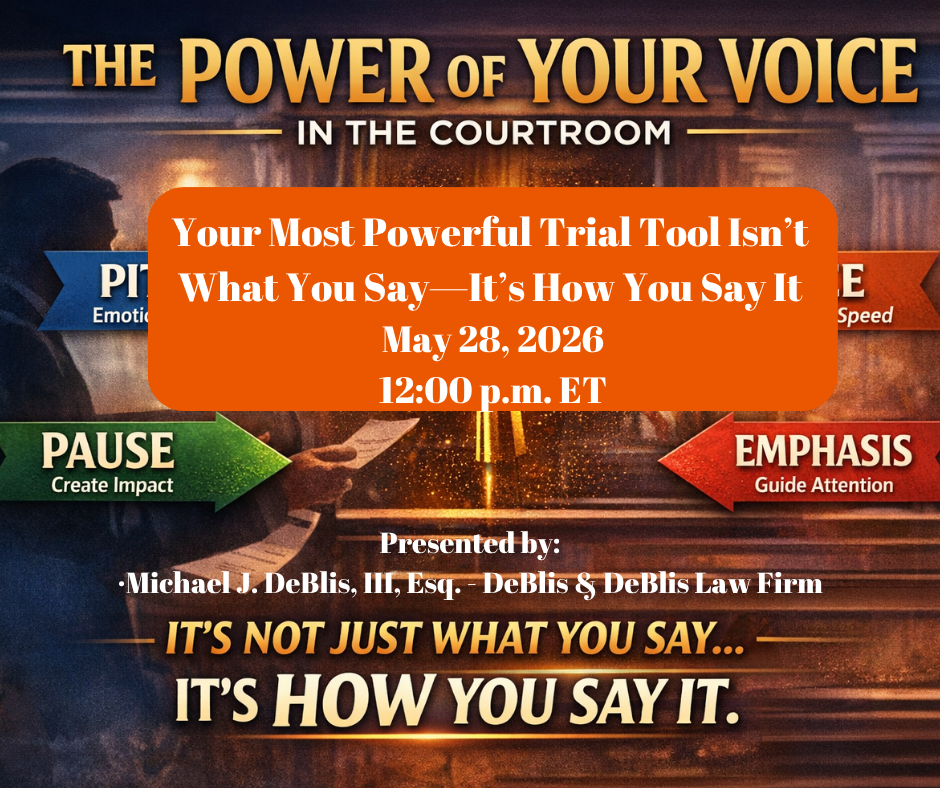
This CLE program, “Your Most Powerful Trial Tool Isn’t What You Say—It’s How...

The Fair Debt Collection Practices Act (FDCPA) remains one of the most important consumer protection...
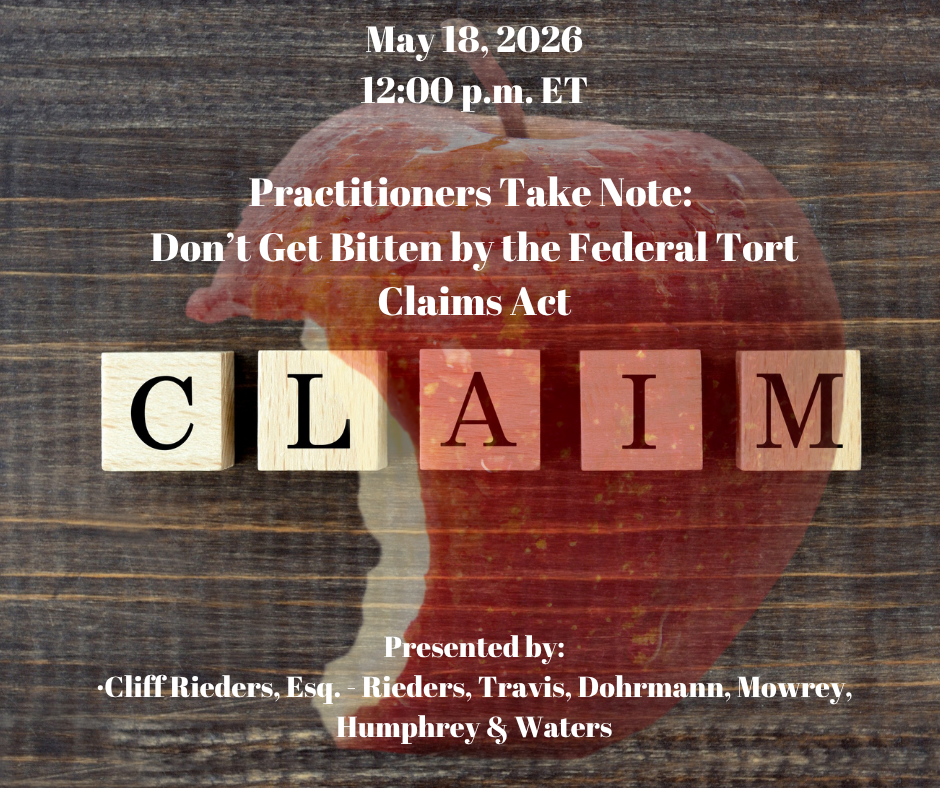
The Federal Tort Claims Act is the way that the federal government is sued for negligence. There are...
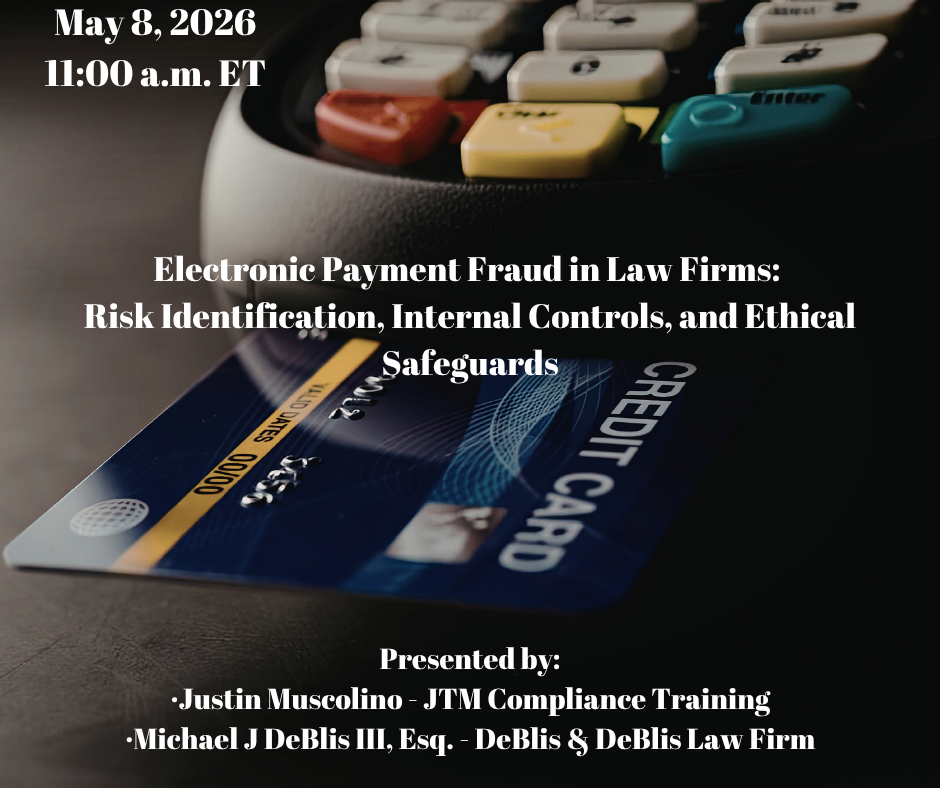
As law firms increasingly transition from paper-based disbursements to electronic payment systems&md...
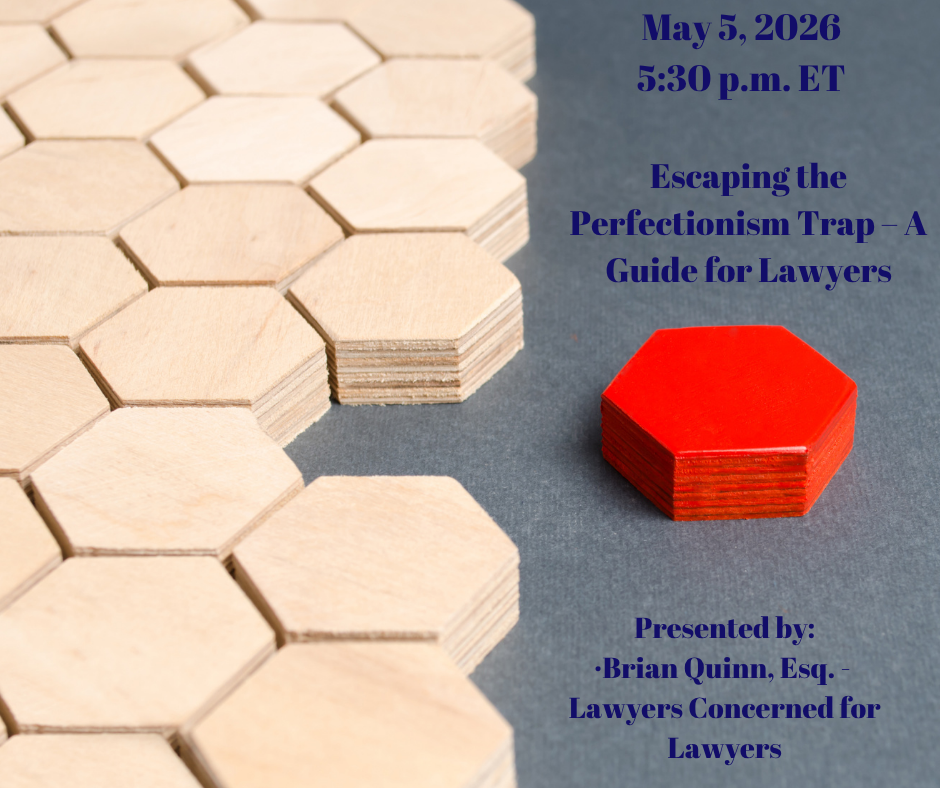
“Everyone tells me I’m doing a great job. My clients, my colleagues, my family. Wh...