
Exciting new series on “Voice, Body and Movement for Lawyers – How to connect with the jury and find Justice Through Dramatic Technique!”
Click here to find out more
Challenging an ongoing investigation by the SEC is a daunting task, particularly for those identified as subjects of the investigation. Two recent holdings, one by the Third Circuit in Gentile v. Sec. & Exch. Comm’n, 2020 WL 5416297 (3d Cir. Sept. 10, 2020) and the other by the United States District Court for the District of New Jersey in Sec. & Exch. Comm’n v. Gentile, 16-cv-01619-BRM-JAD (Order Sept. 29, 2020), both of which involved the same parties, offer some clarification on when and how best to mount such a challenge. The Third Circuit’s opinion makes clear that the SEC’s ability to investigate is one of the “rare circumstances” in which an agency’s action is exempt from the waiver of sovereign immunity that might otherwise apply under the Administrative Procedure Act and, as a result, is not subject to judicial review. By contrast, the district court’s opinion reinforces that, once an investigation results in an enforcement action in federal court, the SEC is subject to the court’s rules and review as any other litigant. Taken together, these opinions present both practitioners and those in the securities industry with useful guidance in when and how to challenge the SEC.
This program provides trial attorneys with a thorough grounding in the three principal currency repo...

The practice of law places legal professionals under extraordinary and often chronic stress, making ...
Class action litigation continues to expand in both number of filings and monetary exposure, with se...
This program provides a practical roadmap to mastering every stage of the discovery process in civil...
Class action litigation presents significant legal and business challenges for employers and corpora...
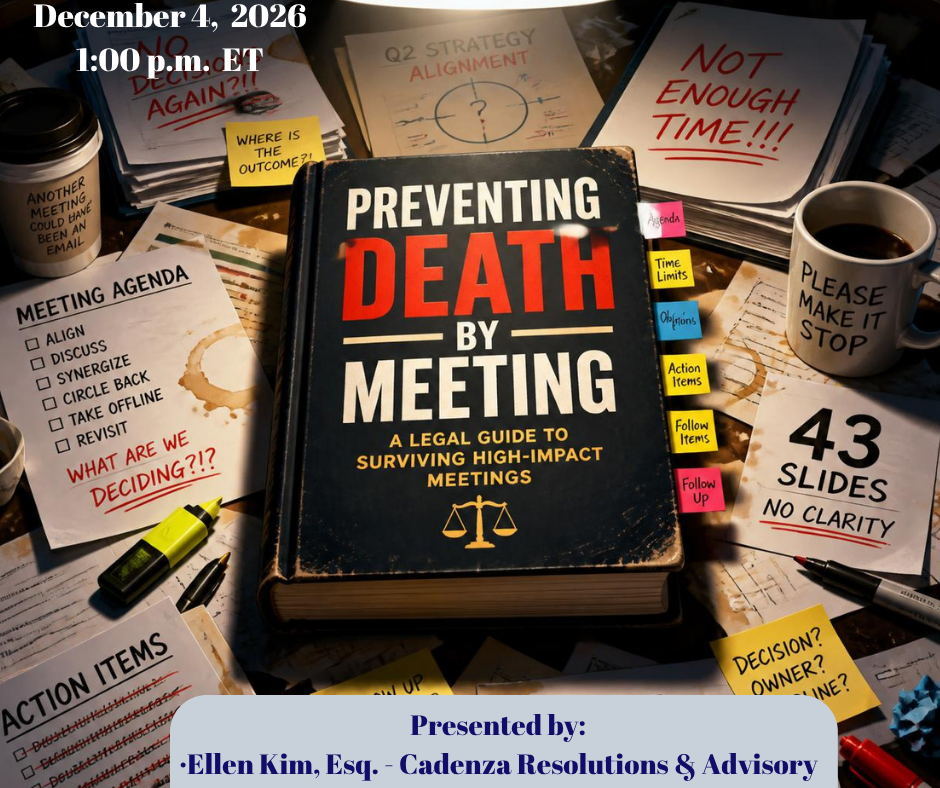
Lawyers lose hundreds of billable and operational hours every year to poorly managed meetings. Unfoc...

Data privacy remains one of the most rapid areas of growth in the class action space. Plaintiffs con...

Turn decades of client relationships into lasting equity. This practical CLE shows attorneys how to ...
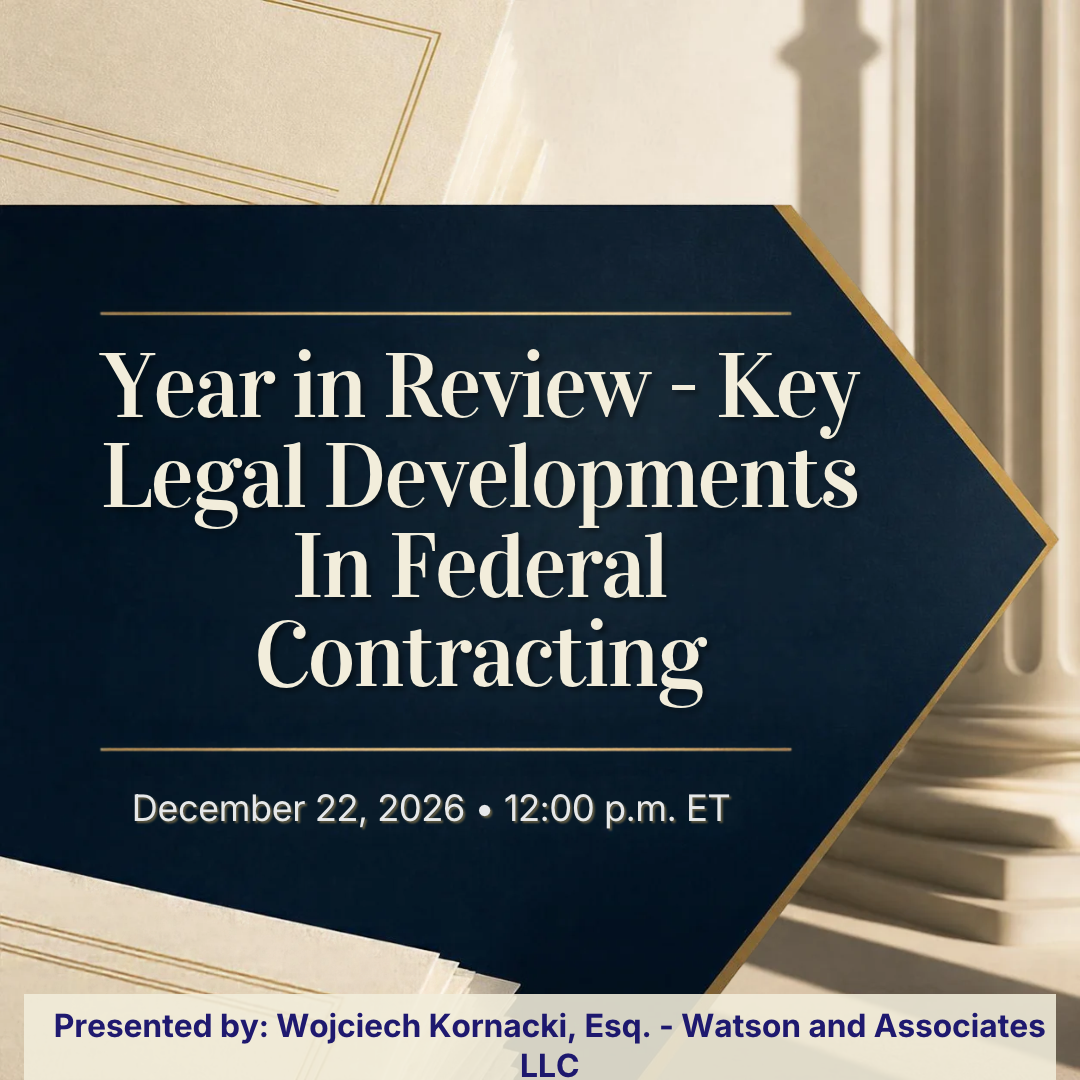
2026 was a very important year when it comes to federal procurement developments, Artificial Intelli...

Perfectionism is often rewarded in the legal profession. It drives attention to detail, thorough pre...