
Exciting new series on “Voice, Body and Movement for Lawyers – How to connect with the jury and find Justice Through Dramatic Technique!”
Click here to find out more
The program will explore the impact of the pandemic on depositions, and make the case for video depositions becoming a permanent part of the litigation process in our post-pandemic world. As we approach the one-year anniversary, the dramatic impact of the shutdown on litigation has come into focus. While the pandemic has created many challenges, there have also been some silver linings, among them the rise of video depositions. This session will examine the dramatic changes that the transition to remote depositions has created, discuss best practices for conducting video depositions, and argue for this new approach to become a permanent option in a post-pandemic world, given the dramatic improvements this method provides for both client expense and convenience. We’ll also propose changes to the federal rules that would eliminate some of the unnecessary negotiations currently involved in arranging for a video deposition.
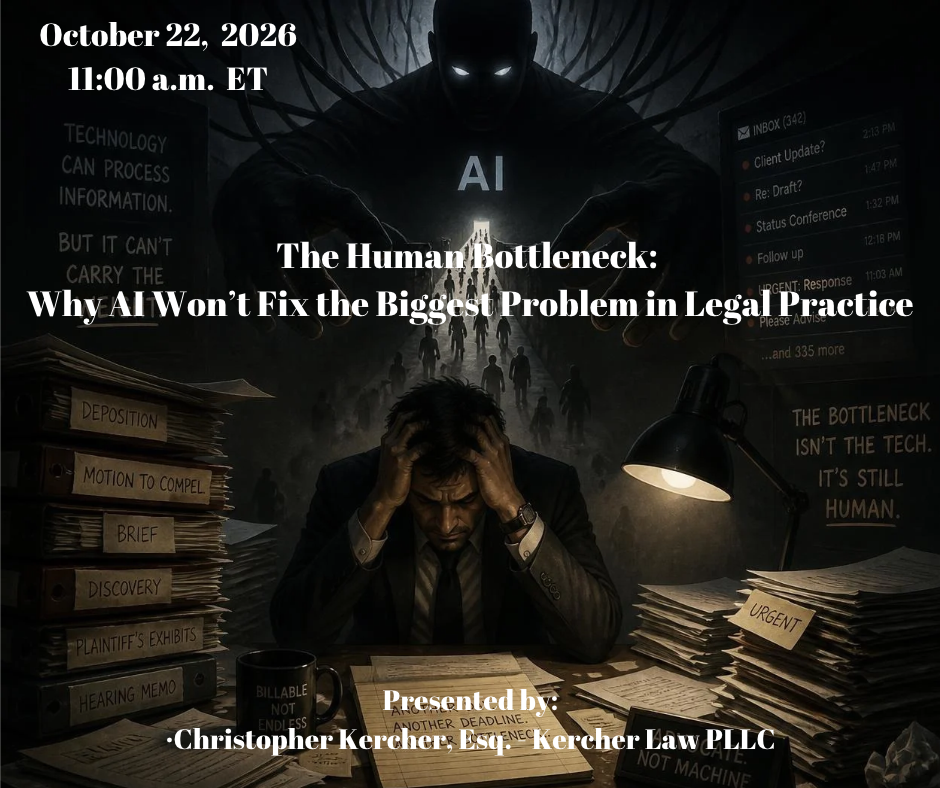
AI tools are advancing faster than legal organizations can absorb them. This program examines why th...

Turn decades of client relationships into lasting equity. This practical CLE shows attorneys how to ...

This course is meant for lawyers of all levels and areas of practice, and in it, we will explore way...

The practice of law places legal professionals under extraordinary and often chronic stress, making ...

This program provides trial attorneys with a thorough grounding in the three principal currency repo...
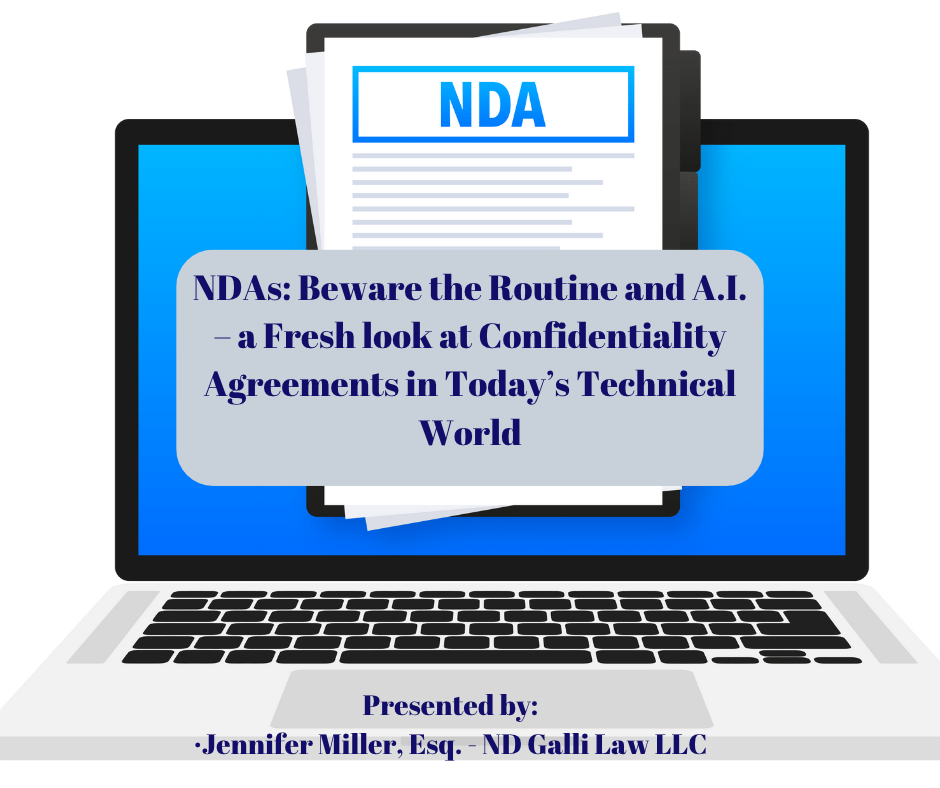
Confidentiality Agreements (also called NDAs) are too often treated as routine. So routine, th...
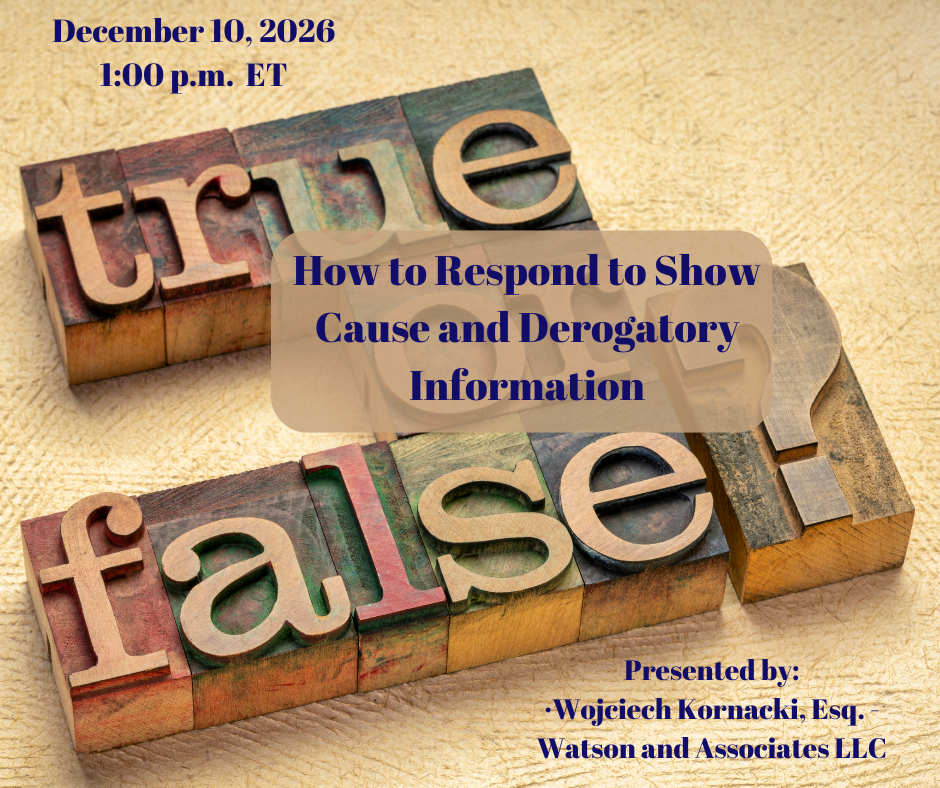
Adverse and derogatory information often has devastating effects on a contractor's ability to win co...

Class action litigation continues to expand in both number of filings and monetary exposure, with se...

Perfectionism is often rewarded in the legal profession. It drives attention to detail, thorough pre...
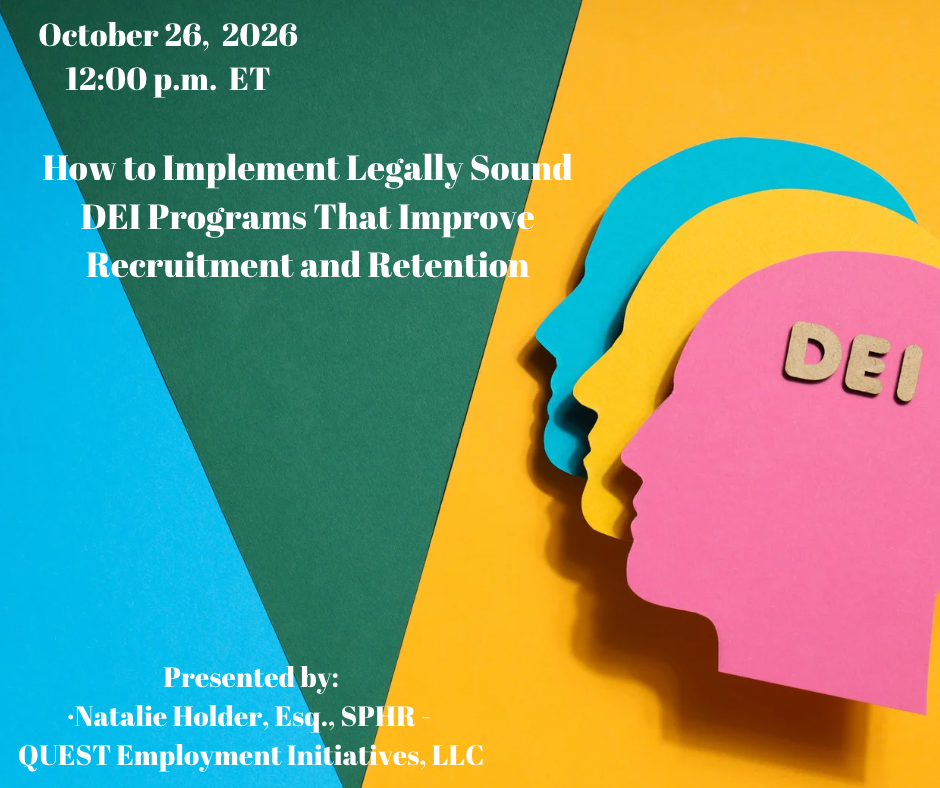
This program will discuss how to design and implement legally sound diversity, equity, and inclusion...