
Exciting new series on “Voice, Body and Movement for Lawyers – How to connect with the jury and find Justice Through Dramatic Technique!”
Click here to find out more
The inclusion of alternative dispute resolution (ADR) provisions in commercial contracts and in retainer agreements has become commonplace. As a substitute to litigation, arbitration remains a favored method for dispute resolution outside of the courthouse.
In this presentation, we will unpack emerging issues related to the enforceability of arbitration provisions in commercial contracts and corresponding ethical requirements that arise from including such clauses in retainer agreements.
The panel will discuss themes including:
• The relationship between the sophistication of parties to a commercial contract and whether an arbitration provision may be deemed unenforceable absent an express waiver in writing.
• How litigation conduct may preclude invocation of an otherwise enforceable arbitration provision.
• The implications of ABA Model Rule 1.4 (Communications) and level of disclosure provided to clients with respect to the scope and meaning of ADR provisions in retainer agreements.
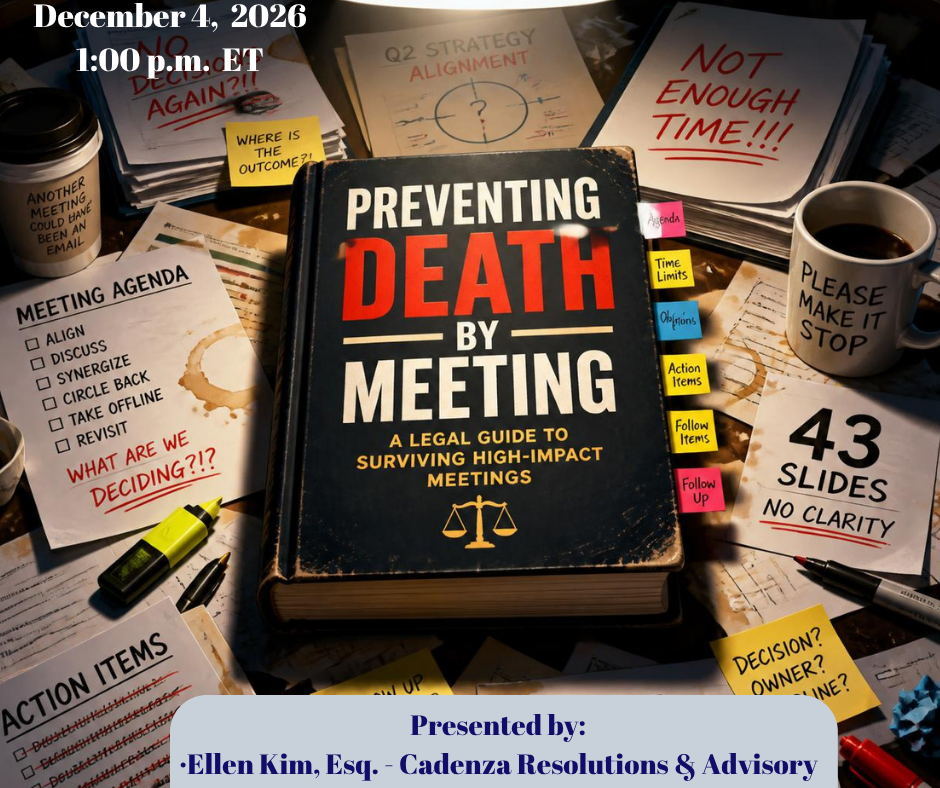
Lawyers lose hundreds of billable and operational hours every year to poorly managed meetings. Unfoc...

Turn decades of client relationships into lasting equity. This practical CLE shows attorneys how to ...

Class action litigation continues to expand in both number of filings and monetary exposure, with se...
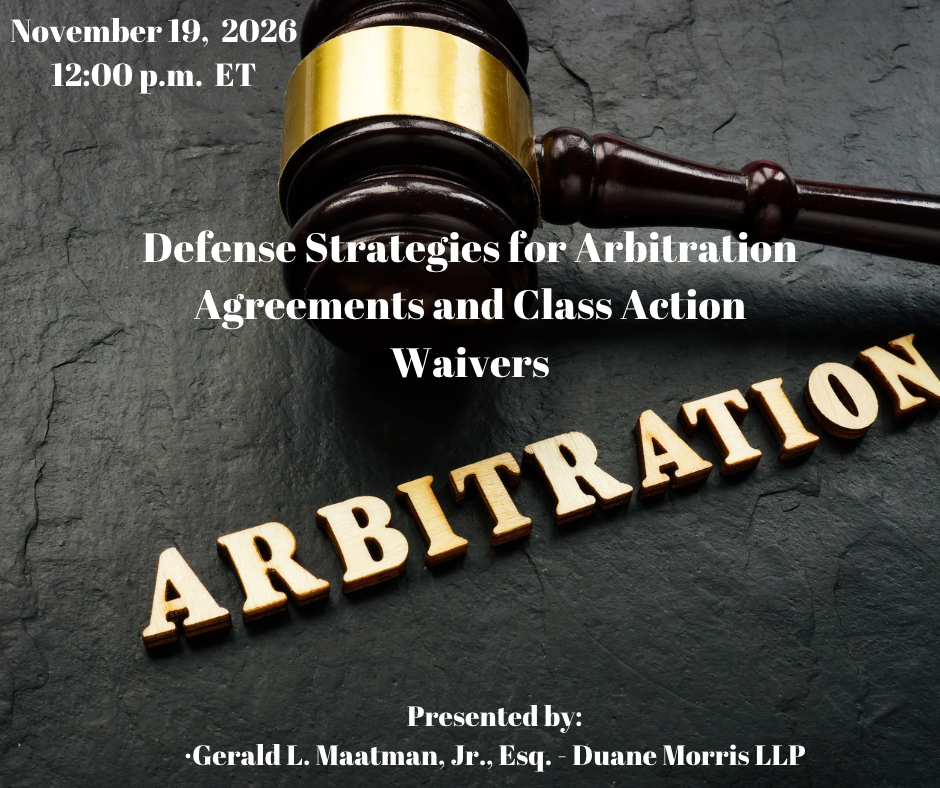
Class action waivers in arbitration agreements remain enforceable, but a decade of U.S. Supreme Cour...

Perfectionism is often rewarded in the legal profession. It drives attention to detail, thorough pre...

This course on trade secrets litigation provides real-world best practices through all key stages of...

During this course, you will learn about best practices and strategies for retaining intellectual pr...

As the largest purchaser of goods and services in the world, the United States Government requires f...

This course is meant for lawyers of all levels and areas of practice, and in it, we will explore way...
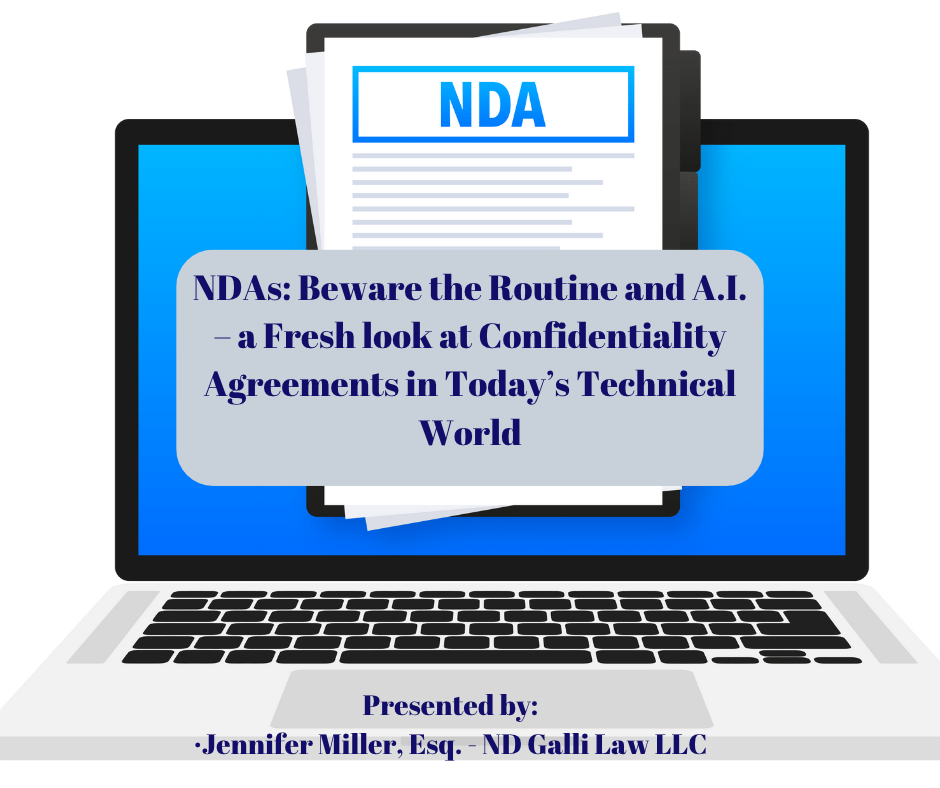
Confidentiality Agreements (also called NDAs) are too often treated as routine. So routine, th...