
Exciting new series on “Voice, Body and Movement for Lawyers – How to connect with the jury and find Justice Through Dramatic Technique!”
Click here to find out more
This course is designed to inform patent practitioners on the bounds of the Hatch-Waxman Safe Harbor (35 U.S.C. § 271(e)(1)). This course will address the genesis of the statutory provision, key decisions relating to the breadth of the Safe Harbor, as well as activities that fall in and outside of the Safe Harbor defense. The course will also examine the possibility of an experimental use defense statute.
Confidentiality Agreements (also called NDAs) are too often treated as routine. So routine, th...
Class action litigation continues to expand in both number of filings and monetary exposure, with se...
Data privacy remains one of the most rapid areas of growth in the class action space. Plaintiffs con...
During this course, you will learn about best practices and strategies for retaining intellectual pr...
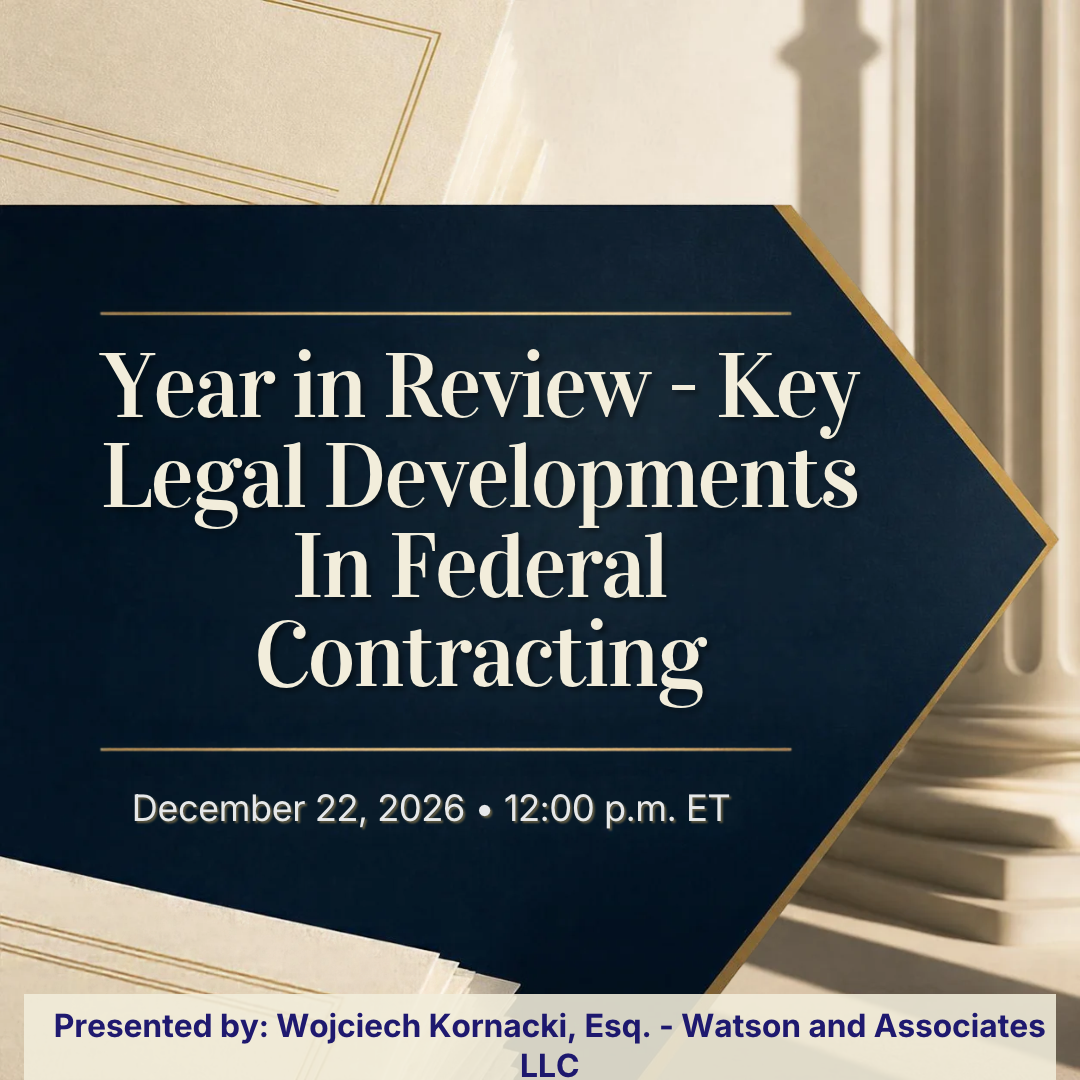
2026 was a very important year when it comes to federal procurement developments, Artificial Intelli...
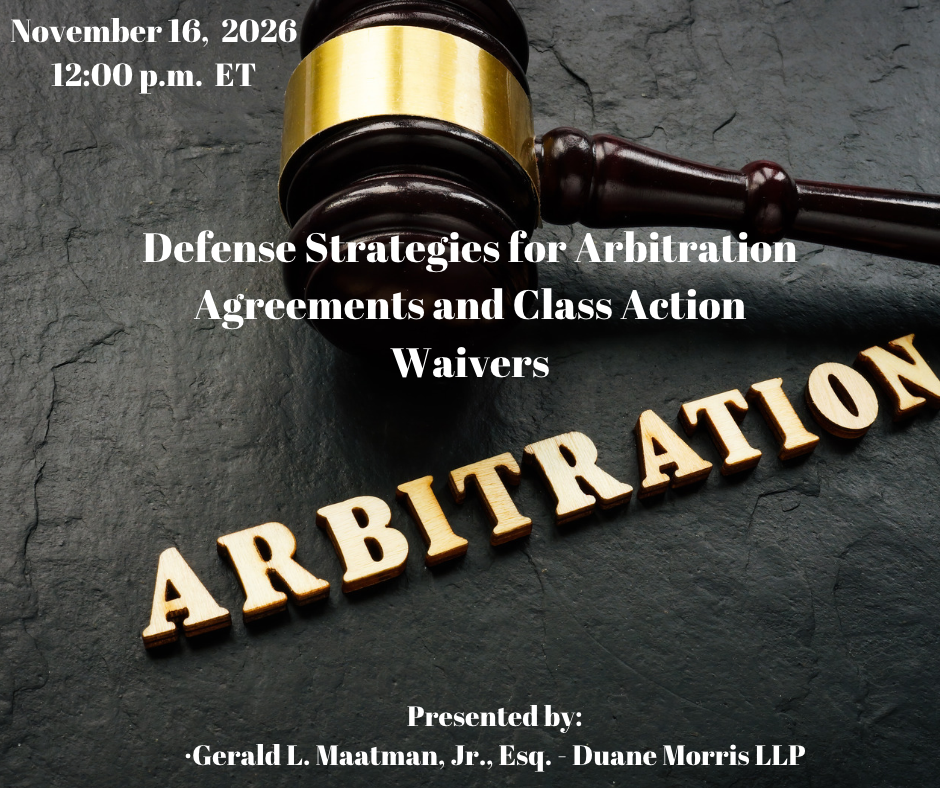
Class action waivers in arbitration agreements remain enforceable, but a decade of U.S. Supreme Cour...
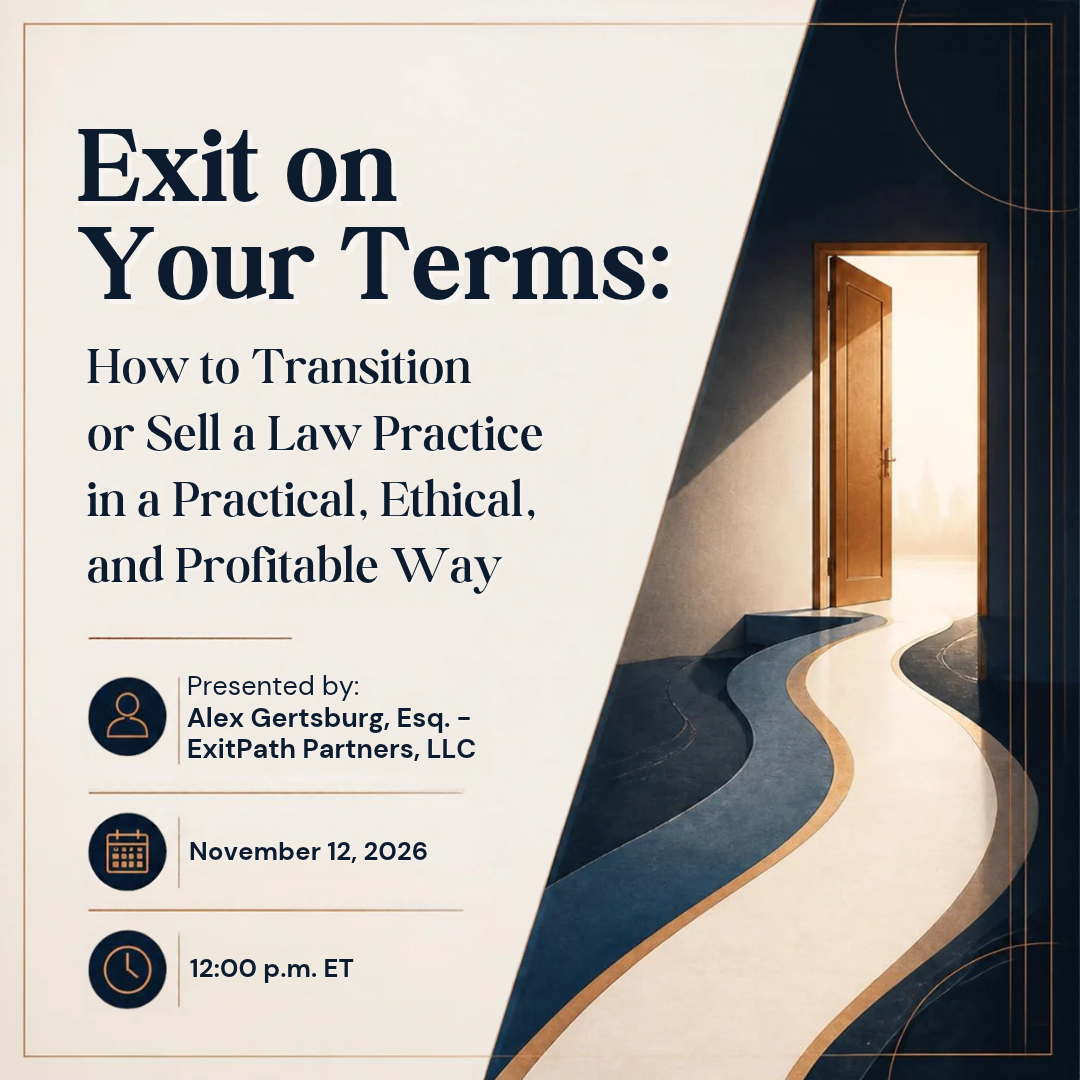
Turn decades of client relationships into lasting equity. This practical CLE shows attorneys how to ...
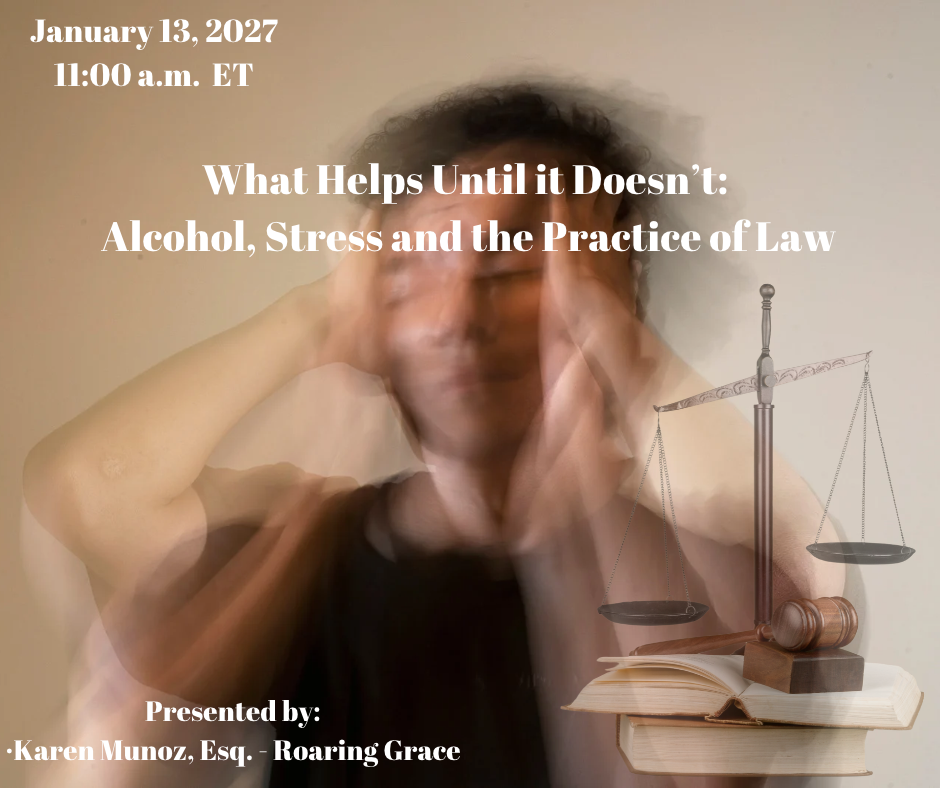
The practice of law places legal professionals under extraordinary and often chronic stress, making ...
During this course you will take a deep dive into federal bid protest litigation at the U.S. Court o...

Perfectionism is often rewarded in the legal profession. It drives attention to detail, thorough pre...