
Exciting new series on “Voice, Body and Movement for Lawyers – How to connect with the jury and find Justice Through Dramatic Technique!”
Click here to find out more
If there is one word we heard during our journey through the pandemic and continue to hear more than any other term as we navigate into the Post-COVID “new normal” world, it is “burnout.”
But what is burnout? What does it look like and feel like? More importantly, what can we do to prevent the normal stress and “lawyer anxiety” so common in our profession from developing into the physically and emotionally draining state known as Burnout?
Recent studies have shown that there has been a dramatic increase in impairment due to alcoholism, addiction and mental health disorders among members of the legal profession. The statistics are compelling and clearly indicate that 1 out of 3 attorneys will likely have a need for substance use or mental health services at some point in their careers.
Mr. Quinn will discuss:
1. The early warning signs of impairment, with special emphasis on stress and burnout.
a. Symptoms of stress and burnout that are particularly prevalent among members of the legal profession
b. Discussion will include the basic stress reactions, both physical and psychological; the difference between healthy stress and distress, with emphasis on the impact of the COVID-19 pandemic.
c. The transition from distress to burnout and how we can recognize and identify the sources of stress in our lives before burnout develops.
d. Guidelines for a “master plan”, including realistic prevention strategies that work.
2. Why lawyers and judges are at especially high risk to develop mental health and substance use disorders.
3. The free services that Lawyers Assistance Programs provide to lawyers, judges, their family members and law students.
4. The barriers that prevent lawyers and judges from seeking the help they need.
5. The role that education plays in breaking the stigma and fear associated with alcoholism, substance use disorders and mental illness in the legal profession.
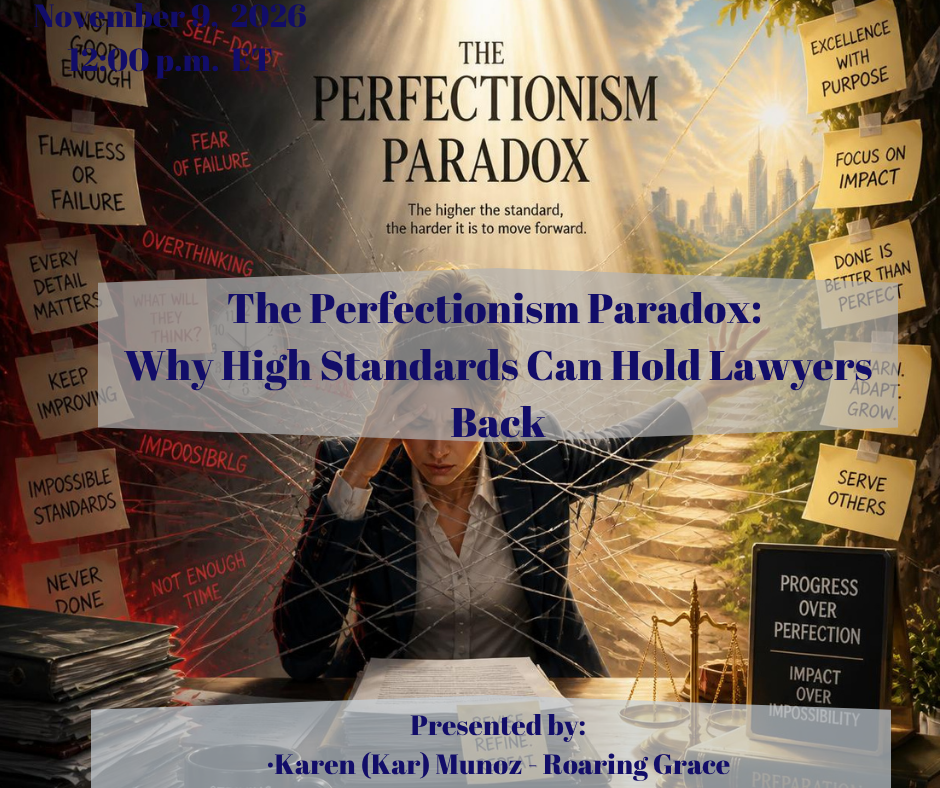
Perfectionism is often rewarded in the legal profession. It drives attention to detail, thorough pre...
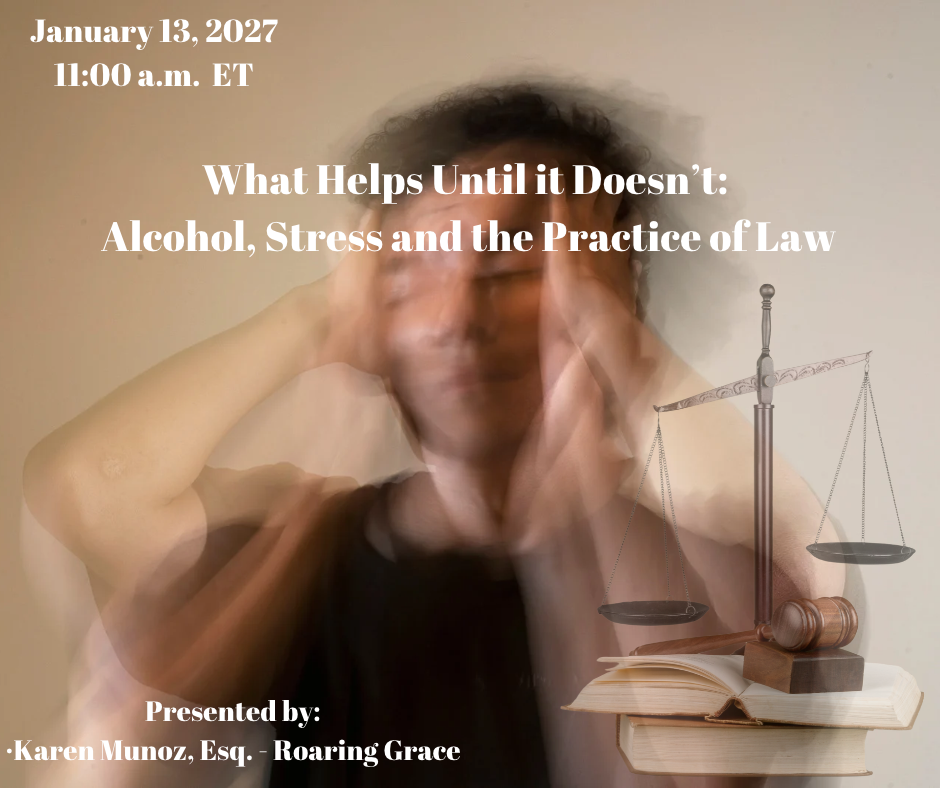
The practice of law places legal professionals under extraordinary and often chronic stress, making ...
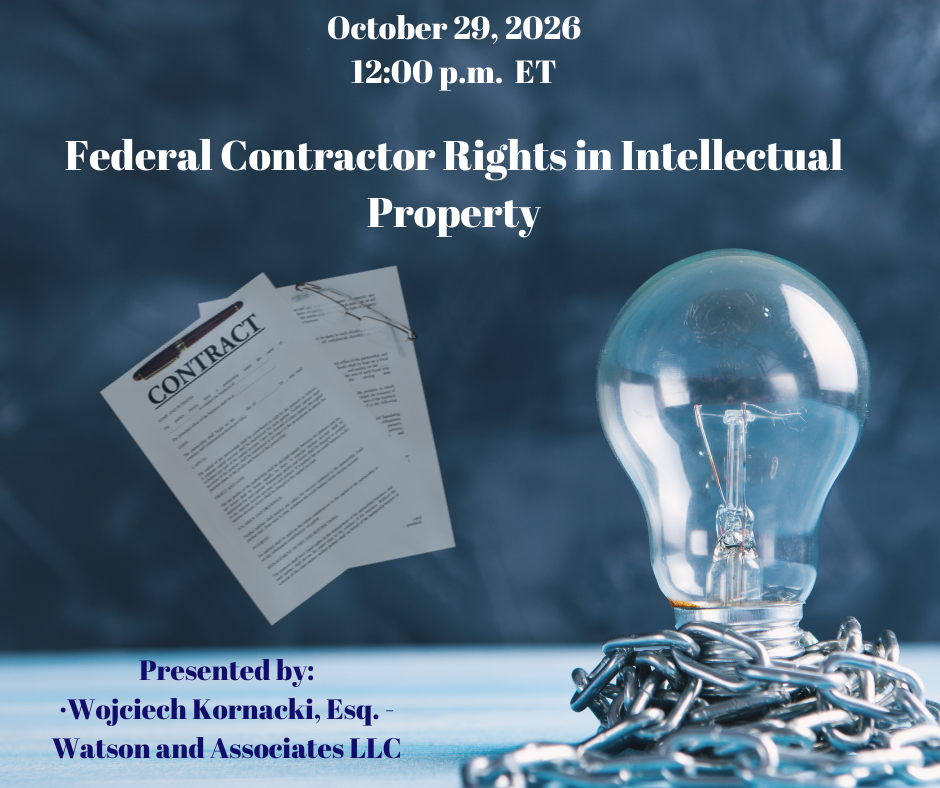
During this course, you will learn about best practices and strategies for retaining intellectual pr...
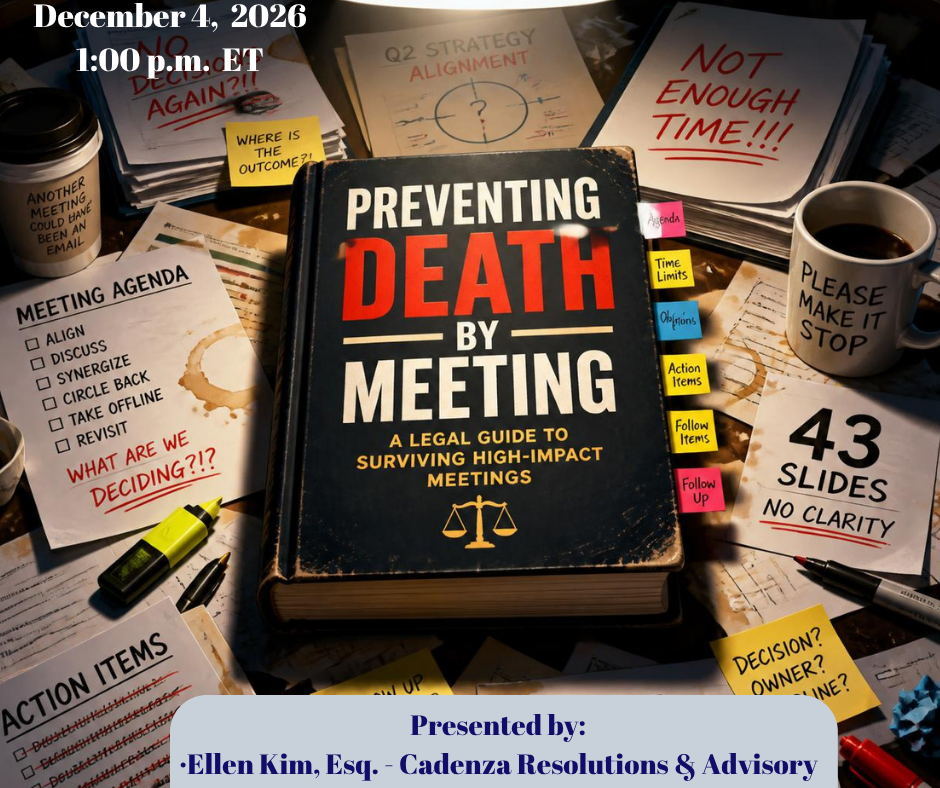
Lawyers lose hundreds of billable and operational hours every year to poorly managed meetings. Unfoc...
Class action litigation continues to expand in both number of filings and monetary exposure, with se...
This course on trade secrets litigation provides real-world best practices through all key stages of...
2026 was a very important year when it comes to federal procurement developments, Artificial Intelli...
New York City’s new Non-Primary Residence Property Surcharge—commonly known as the pied-...
This program provides a practical roadmap to mastering every stage of the discovery process in civil...
Confidentiality Agreements (also called NDAs) are too often treated as routine. So routine, th...