
Exciting new series on “Voice, Body and Movement for Lawyers – How to connect with the jury and find Justice Through Dramatic Technique!”
Click here to find out more
It has become quite routine for attorneys to utilize protective orders or confidentiality orders in complex litigation matters. The reasons are multi-faceted, and can include something as simple as protection of one party (or both) parties’ confidential and proprietary information, and can range from expediting the flow of discovery material to facilitating the prompt and efficient resolution of disputes. However, certain decisions have warned against the overuse of protective orders. This program will provide a diverse discussion among plaintiff and defense counsel and a retired federal magistrate judge relating to protective orders generally, the protection of propriety information, and practice tips for attorneys involved in complex litigation who are facing similar issues.
This program provides trial attorneys with a thorough grounding in the three principal currency repo...
New York City’s new Non-Primary Residence Property Surcharge—commonly known as the pied-...
Class action litigation continues to expand in both number of filings and monetary exposure, with se...

Perfectionism is often rewarded in the legal profession. It drives attention to detail, thorough pre...

As the largest purchaser of goods and services in the world, the United States Government requires f...
During this course you will take a deep dive into federal bid protest litigation at the U.S. Court o...

Class action litigation presents significant legal and business challenges for employers and corpora...
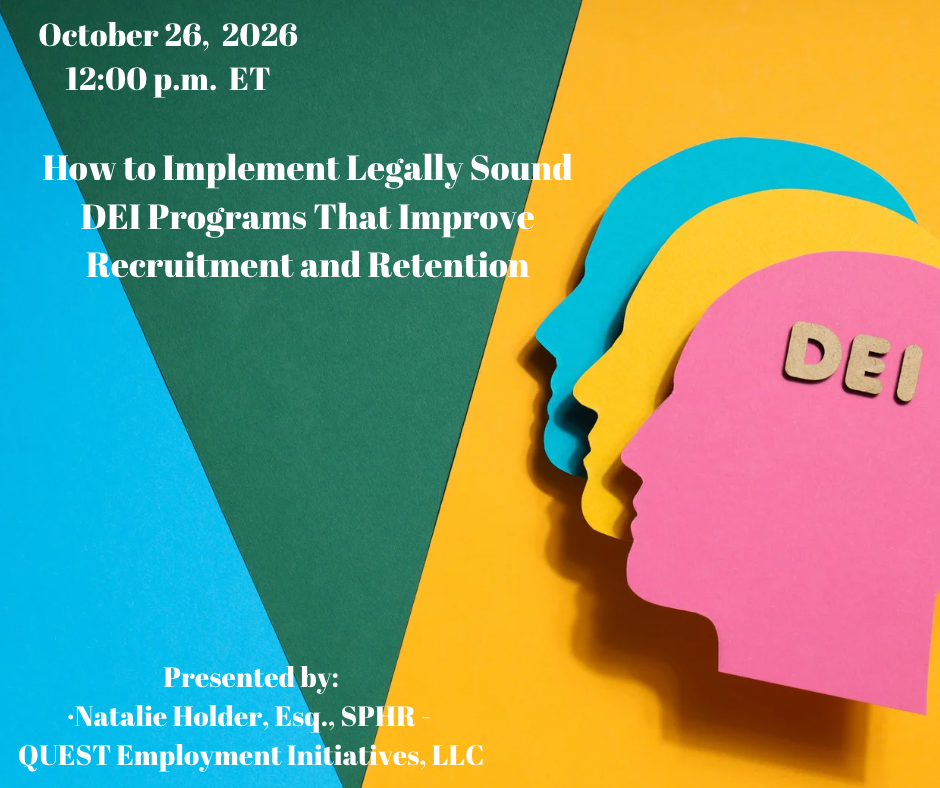
This program will discuss how to design and implement legally sound diversity, equity, and inclusion...

The practice of law places legal professionals under extraordinary and often chronic stress, making ...
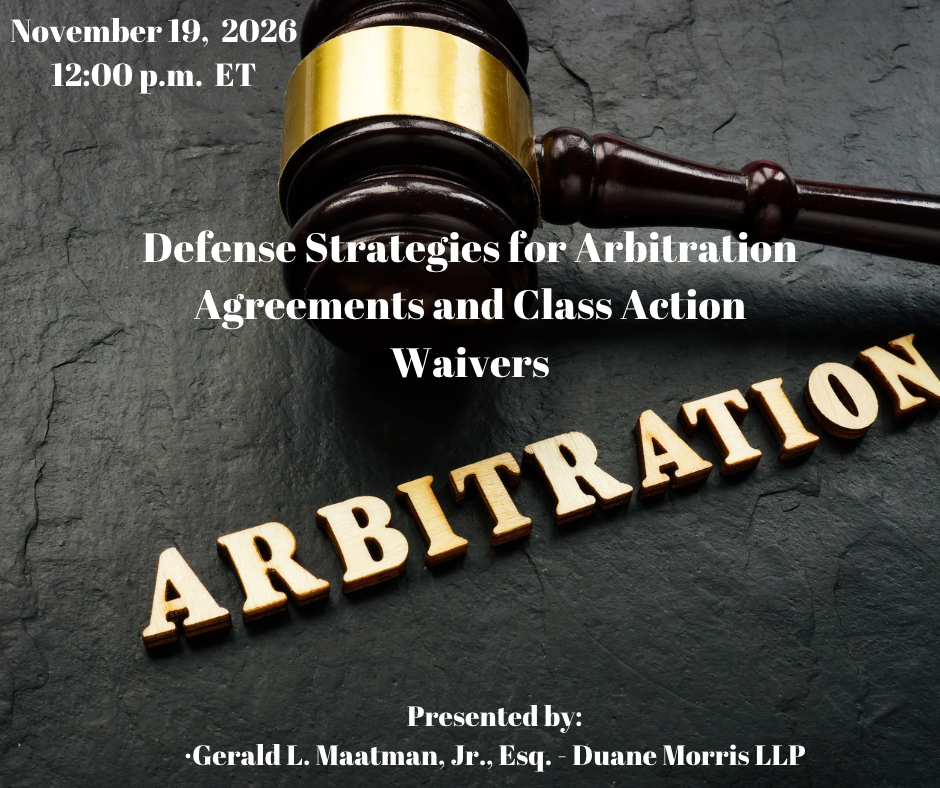
Class action waivers in arbitration agreements remain enforceable, but a decade of U.S. Supreme Cour...