
Exciting new series on “Voice, Body and Movement for Lawyers – How to connect with the jury and find Justice Through Dramatic Technique!”
Click here to find out more
This program focuses on asylum claims based on sexual orientation, addressing the unique clinical, cultural, and evidentiary challenges involved. Participants will examine how persecution, trauma, and stigma impact applicants both in their home countries and after arrival in the United States.
The course explores how forensic evaluations can document psychological harm and support claims of persecution. It also provides guidance on presenting sensitive information effectively and ethically.
Attorneys will gain tools to build credible, well-supported asylum claims in this complex area.
Learning Objectives:

This course will provide an update for practitioners on U.S. federal employment law, exploring the T...
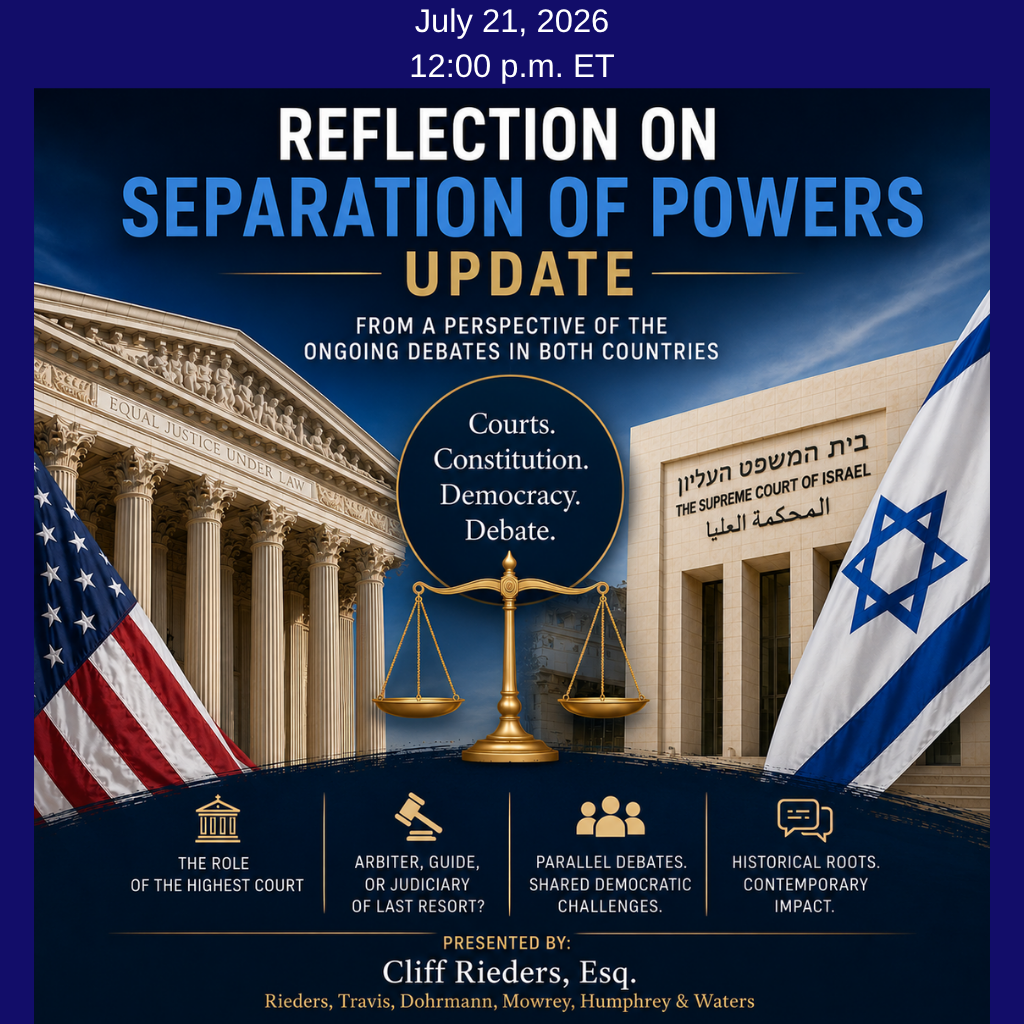
Separation of Powers in United States and Israel from a Perspective of the Ongoing Debates in Both C...

Many law firms now rely on AI?driven research, drafting, and workflow tools without fully understand...
Decentralized Autonomous Organizations (DAOs) and other digital-native structures have moved from ni...
Most legal professionals are operating in survival mode whether they realize it or not. Not crisis-l...
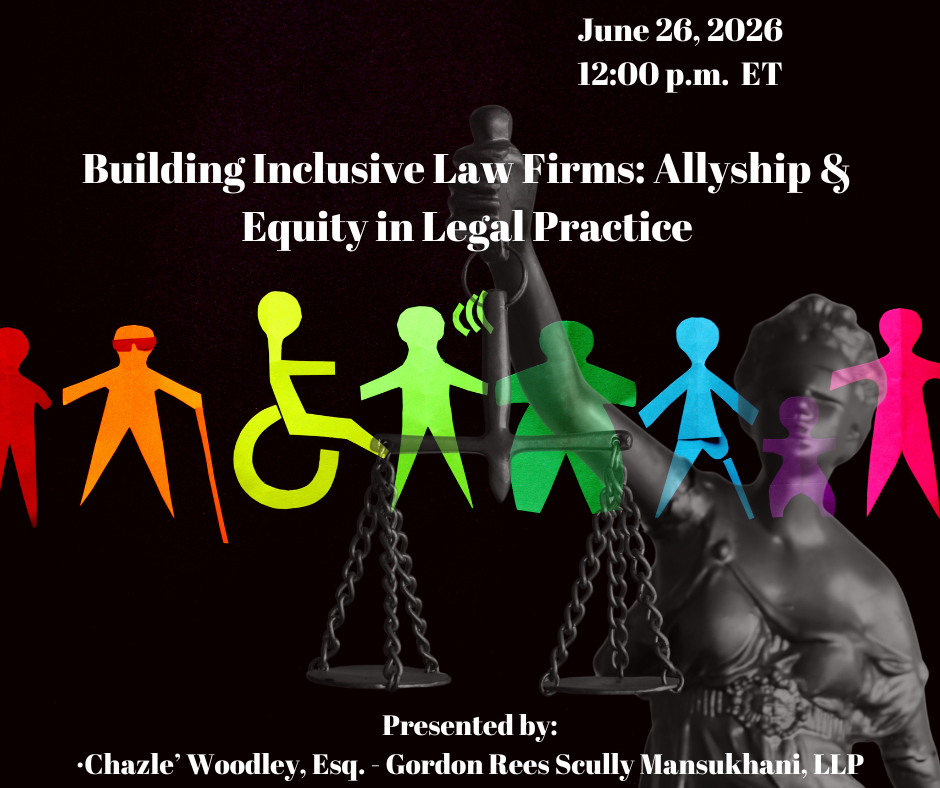
This interactive course is designed to equip legal professionals with the knowledge, tools, and stra...
What are the left and rights limits, penalties, and best practices for export controls under Interna...
This follow?on CLE builds on National Security & Data Privacy: Complying with the Bulk Data...
The Protections and Limits of the First Amendment when it comes to Expressive Conduct. This PowerPoi...

This CLE program equips attorneys to advise clients on the legal, regulatory, and ethical issues ari...