
Exciting new series on “Voice, Body and Movement for Lawyers – How to connect with the jury and find Justice Through Dramatic Technique!”
Click here to find out more
Lawyers have a duty to be zealous advocates for their clients. But when it comes to standing up to judges and their rulings, where is the line? Using lively examples and real cases as illustrations, this program will explore the ethical rules that govern a lawyer’s interaction with judges both in and out of the courtroom. It will also include an analysis of not only what lawyers can say to judges in the courtroom, but what they can say about them in the court of public opinion.
This course will provide a timely analysis of contemporary courtroom dynamics between attorneys and judges, as illustrated by case law, rules of professional conduct, as well as recent high-profile cases. It will discuss the modern dilemmas that attorneys face in attempting to gain the best advantages for clients, within the boundaries of applicable ethical and legal guardrails.
In this course participants will learn:
• The ethical rules that govern in-court behavior
• The duty of candor to the court
• A lawyer’s duty of civility to the court, counsel, and witnesses
• What a lawyer can say about judges outside the courtroom
• Where lawyer free speech meets ethical rules and civil liability
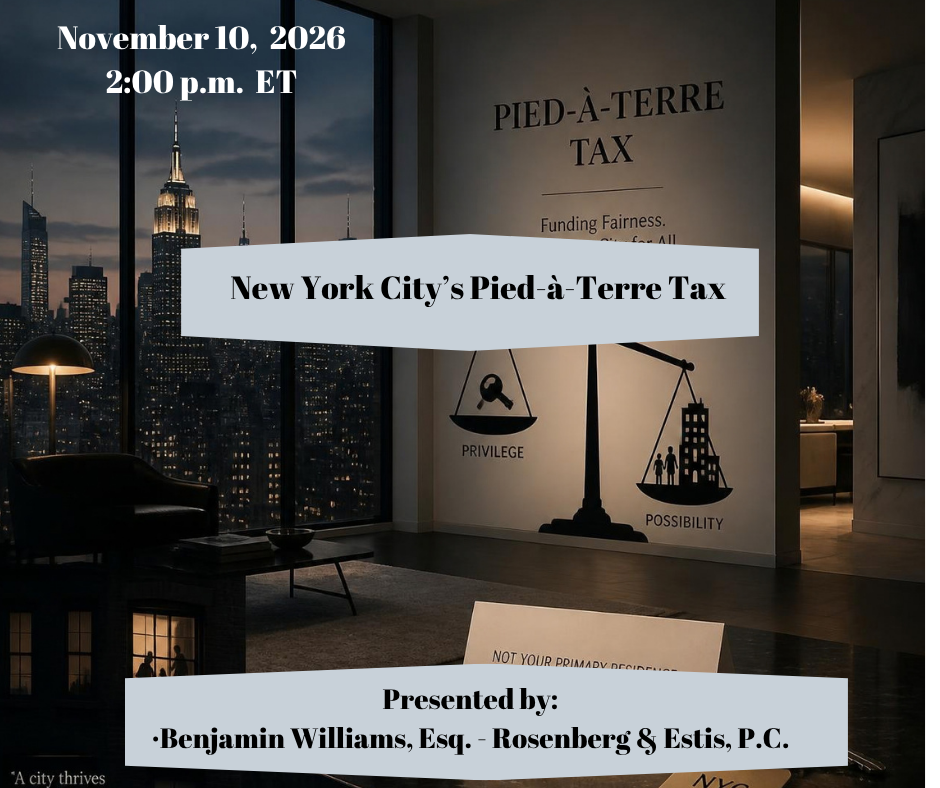
New York City’s new Non-Primary Residence Property Surcharge—commonly known as the pied-...
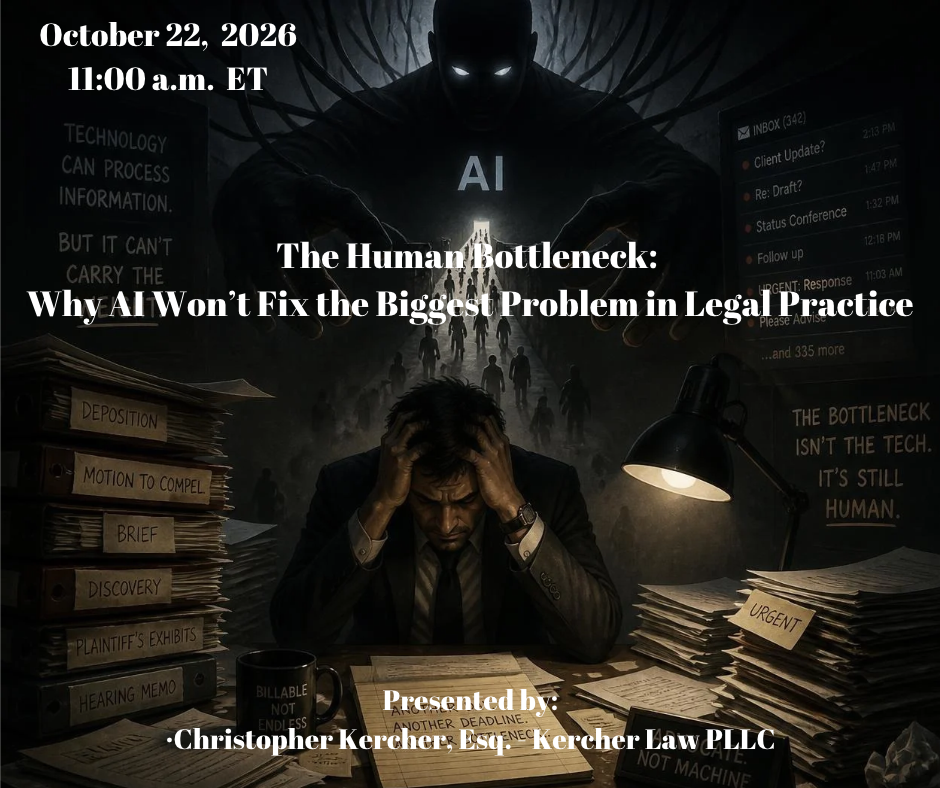
AI tools are advancing faster than legal organizations can absorb them. This program examines why th...
Data privacy remains one of the most rapid areas of growth in the class action space. Plaintiffs con...
This course on trade secrets litigation provides real-world best practices through all key stages of...
Class action waivers in arbitration agreements remain enforceable, but a decade of U.S. Supreme Cour...
Perfectionism is often rewarded in the legal profession. It drives attention to detail, thorough pre...
Confidentiality Agreements (also called NDAs) are too often treated as routine. So routine, th...
"Artificial Intelligence and the Practice of Law" (updated through 2026), is a 50-slide primer desig...
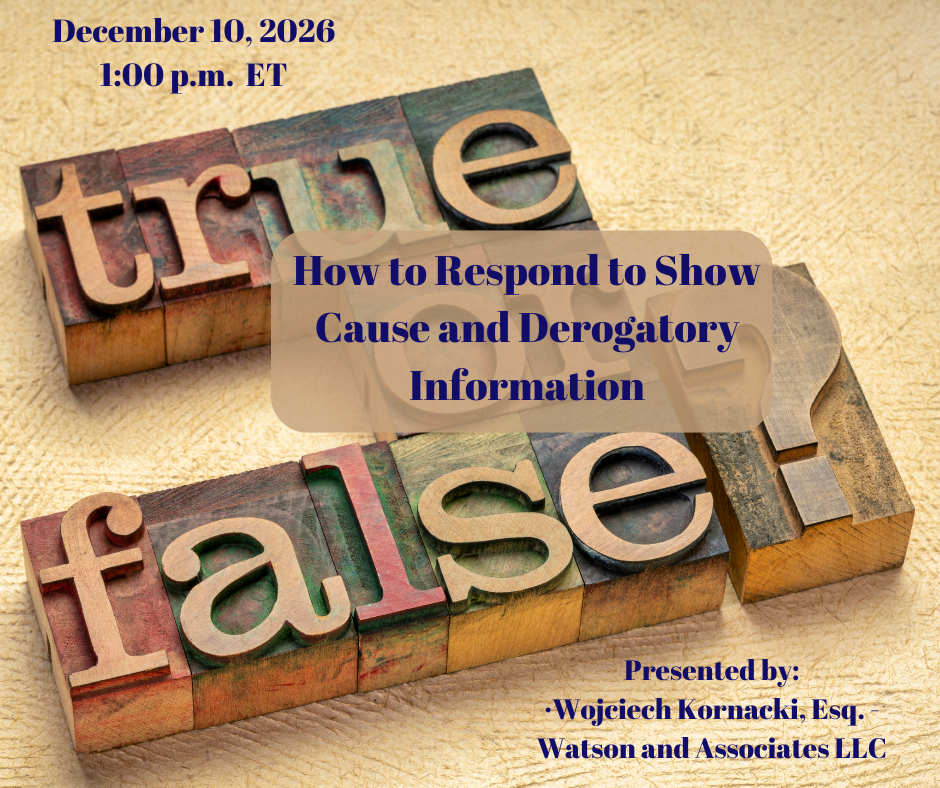
Adverse and derogatory information often has devastating effects on a contractor's ability to win co...
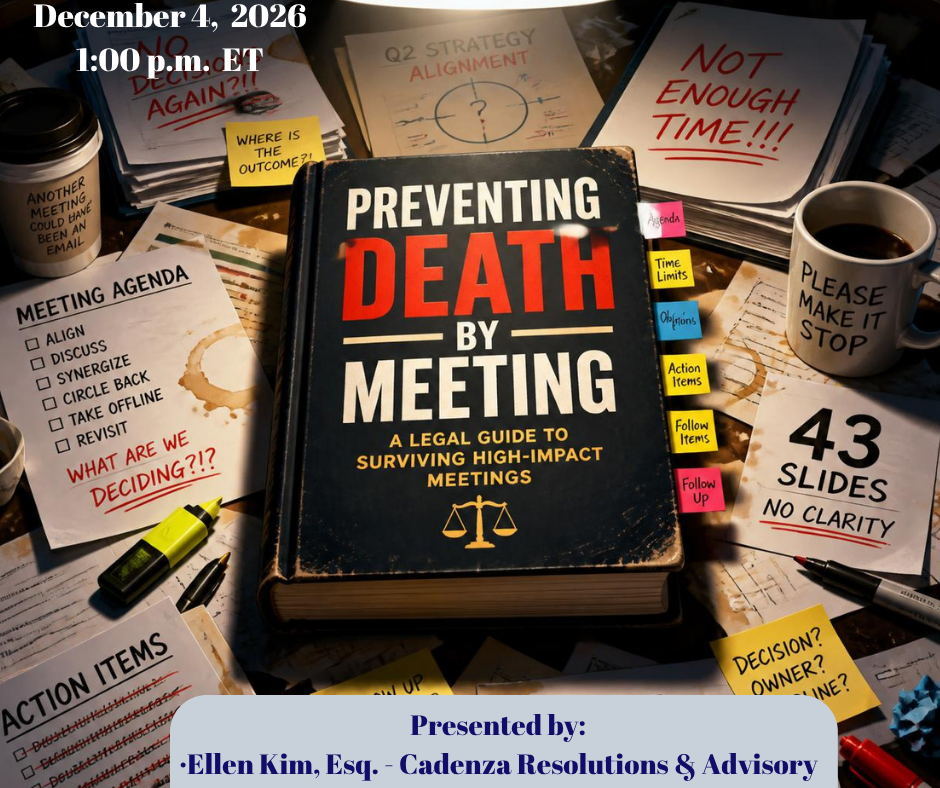
Lawyers lose hundreds of billable and operational hours every year to poorly managed meetings. Unfoc...