
Exciting new series on “Voice, Body and Movement for Lawyers – How to connect with the jury and find Justice Through Dramatic Technique!”
Click here to find out more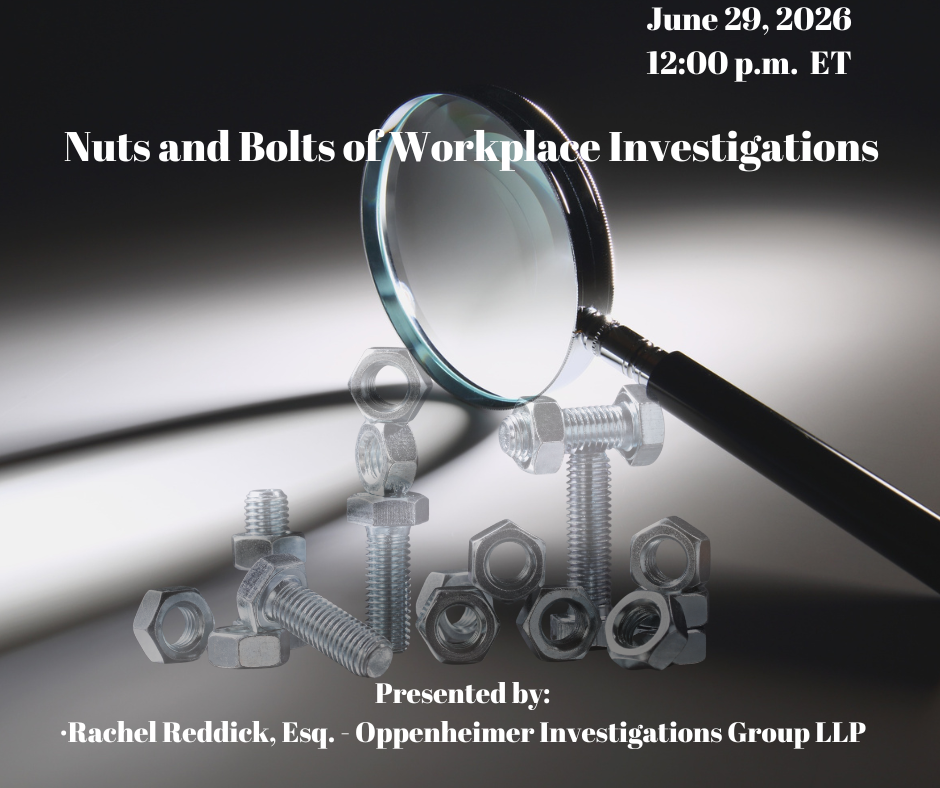
Workplace investigations are now more complex, high-stakes, and scrutinized than ever before. Employers are expected not only to respond promptly to complaints involving harassment, discrimination, retaliation, and other workplace misconduct, but also to conduct investigations that are fair, thorough, and defensible. Attorneys are often called upon to lead these investigations or advise organizations through the process.
This program provides a practical, step-by-step overview of workplace investigations from intake to final findings. Topics include identifying when an investigation is necessary, defining the scope of the investigation, conducting effective witness interviews, avoiding bias, assessing credibility, weighing conflicting evidence, documenting findings, and navigating post-investigation considerations. The presentation will also address evolving challenges facing investigators, including remote evidence, workplace culture concerns, increasingly sophisticated employee complaints, as well as influence of Generative AI in investigations.
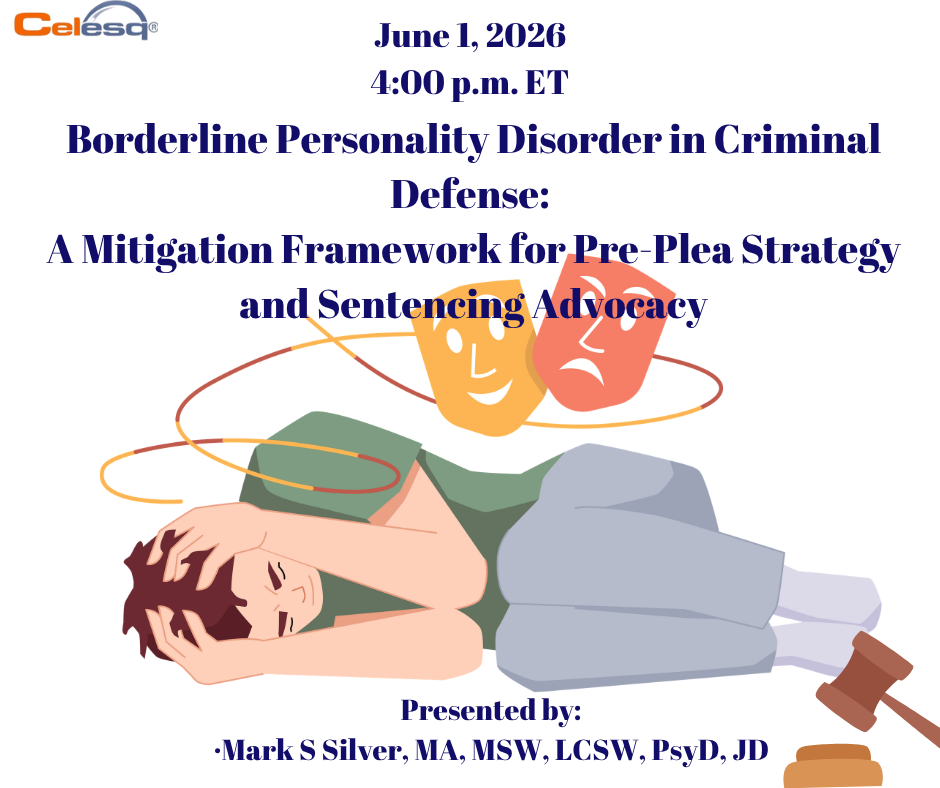
This program provides a comprehensive framework for integrating Borderline Personality Disorder (BPD...
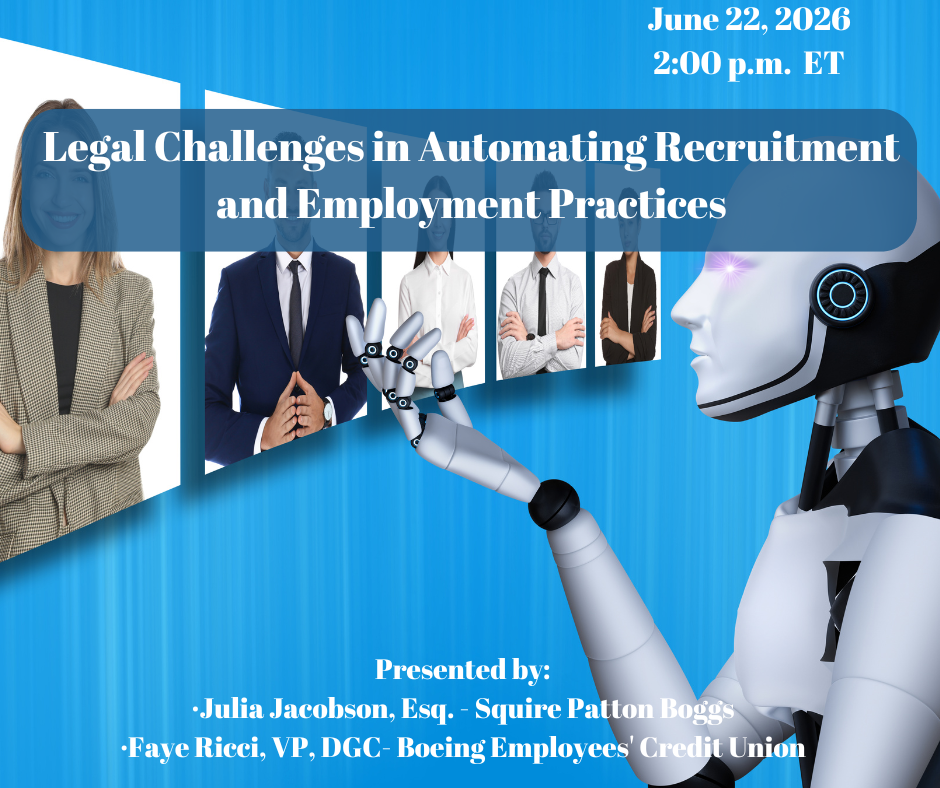
Use of artificial intelligence and other automated tools for performance and predictive analytics in...
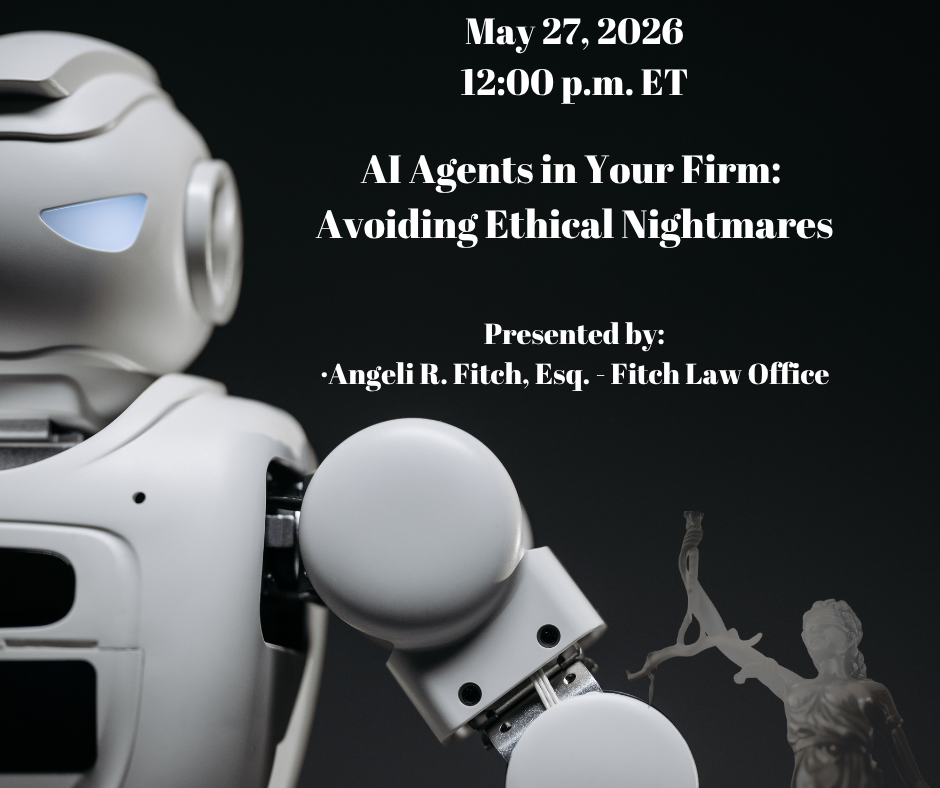
AI agents and generative AI tools are rapidly entering law firm workflows, including legal research,...
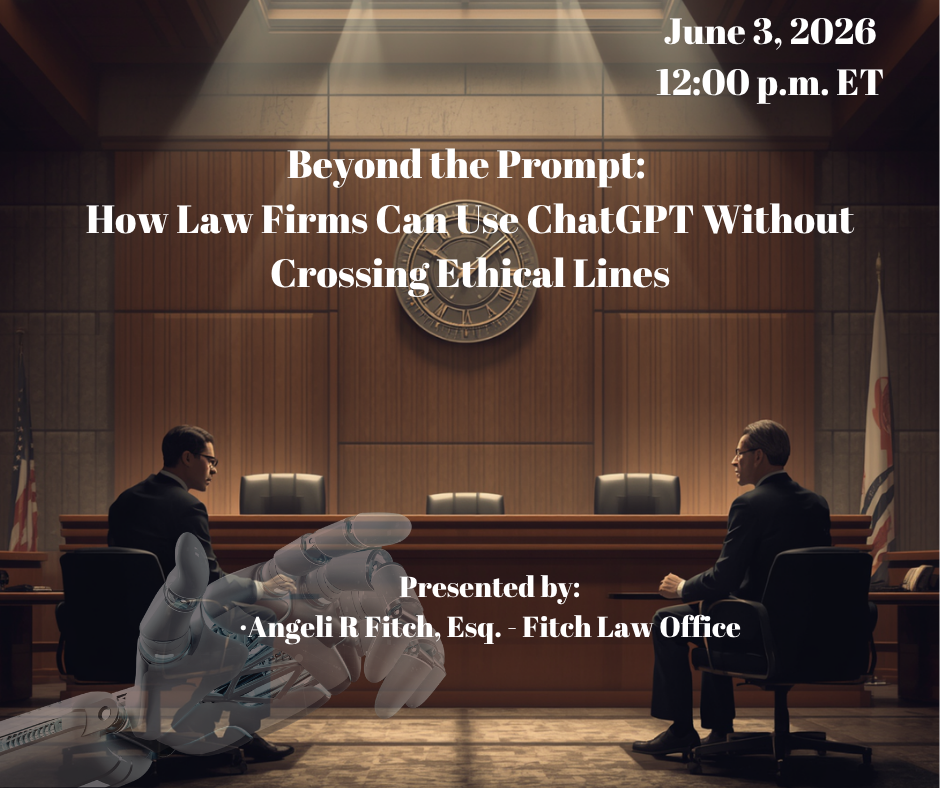
ChatGPT is rapidly entering law firm workflows, including drafting, summarizing, brainstorming, lega...
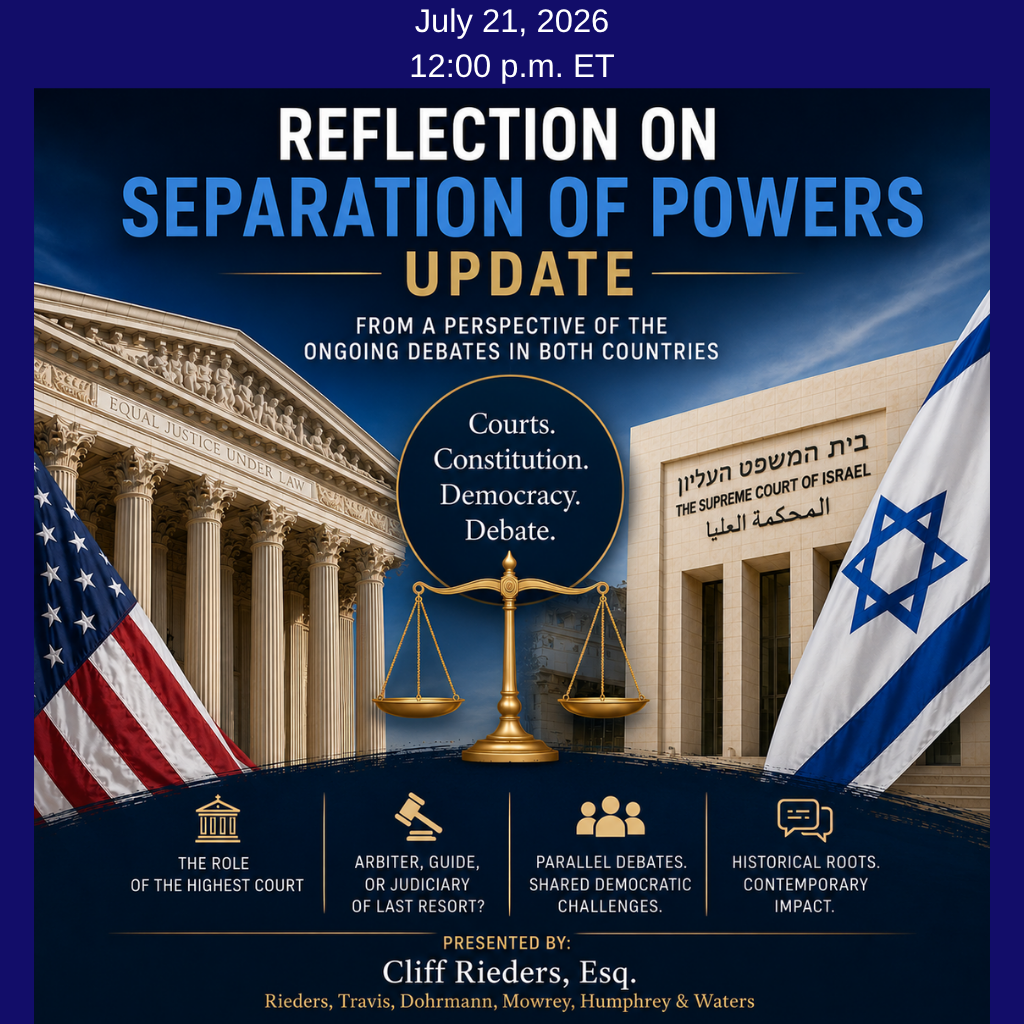
Separation of Powers in United States and Israel from a Perspective of the Ongoing Debates in Both C...
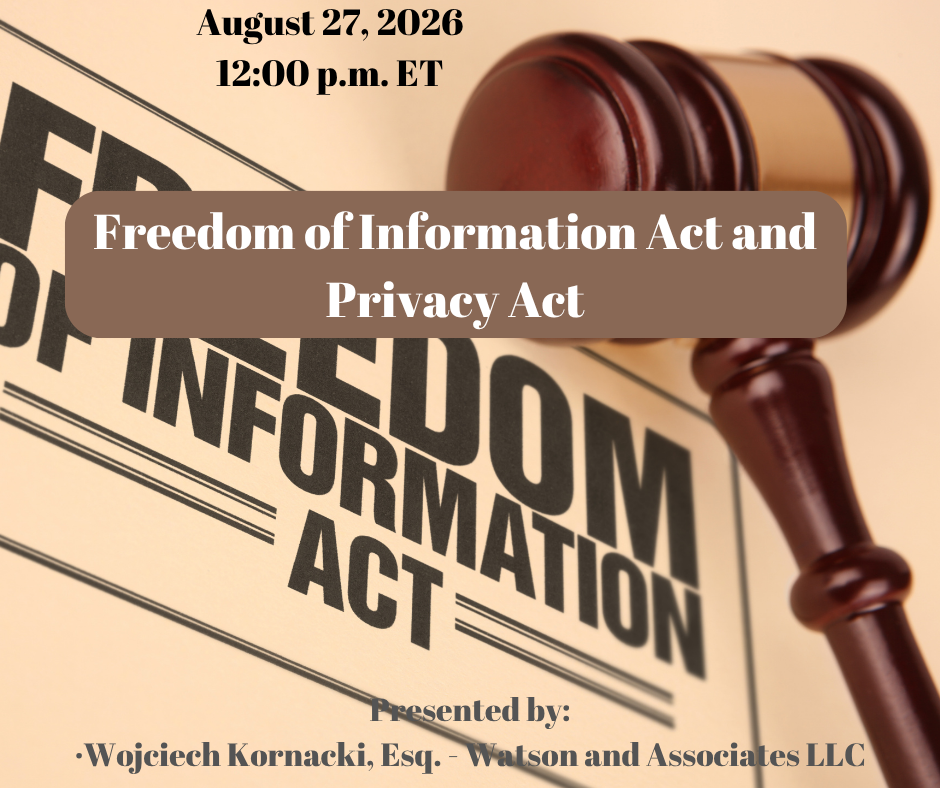
During this course, we will go over your rights under the Freedom of Information Act (FOIA) and Priv...
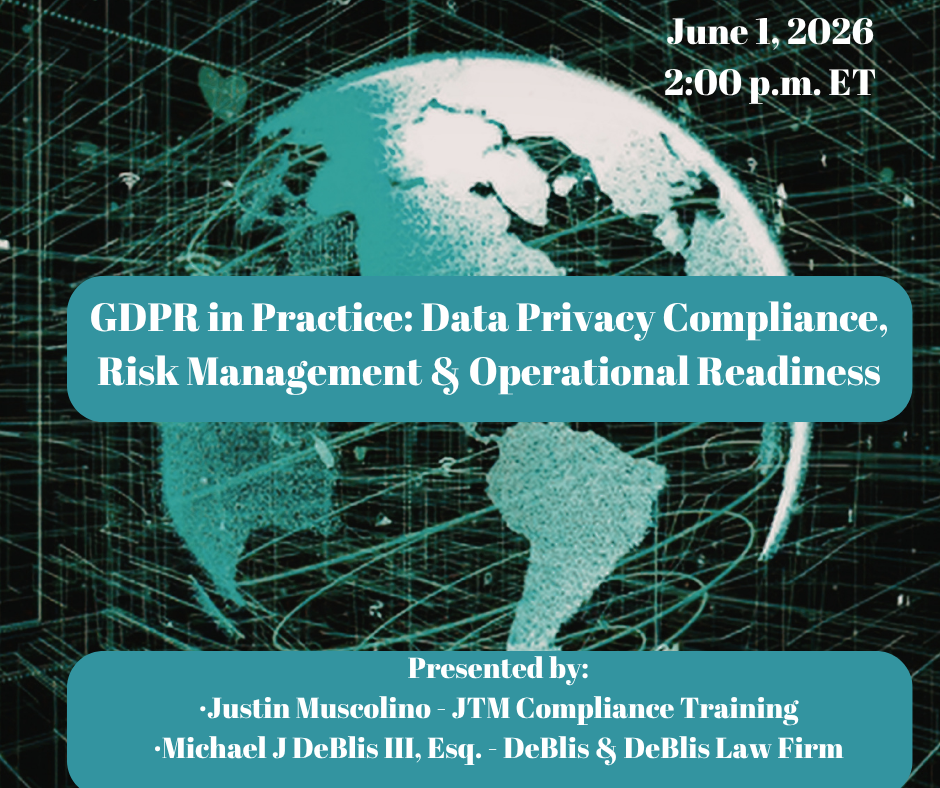
The General Data Protection Regulation (GDPR) continues to impact legal firms and organizations worl...
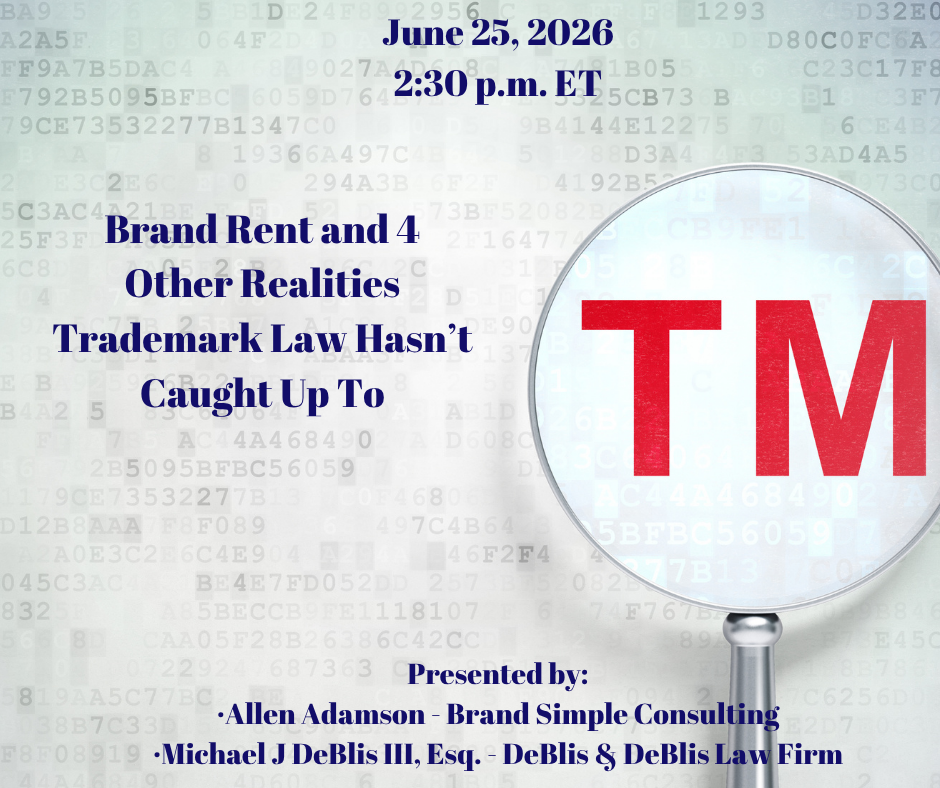
Trademark doctrine was built for a marketplace that no longer exists, leaving practitioners to litig...
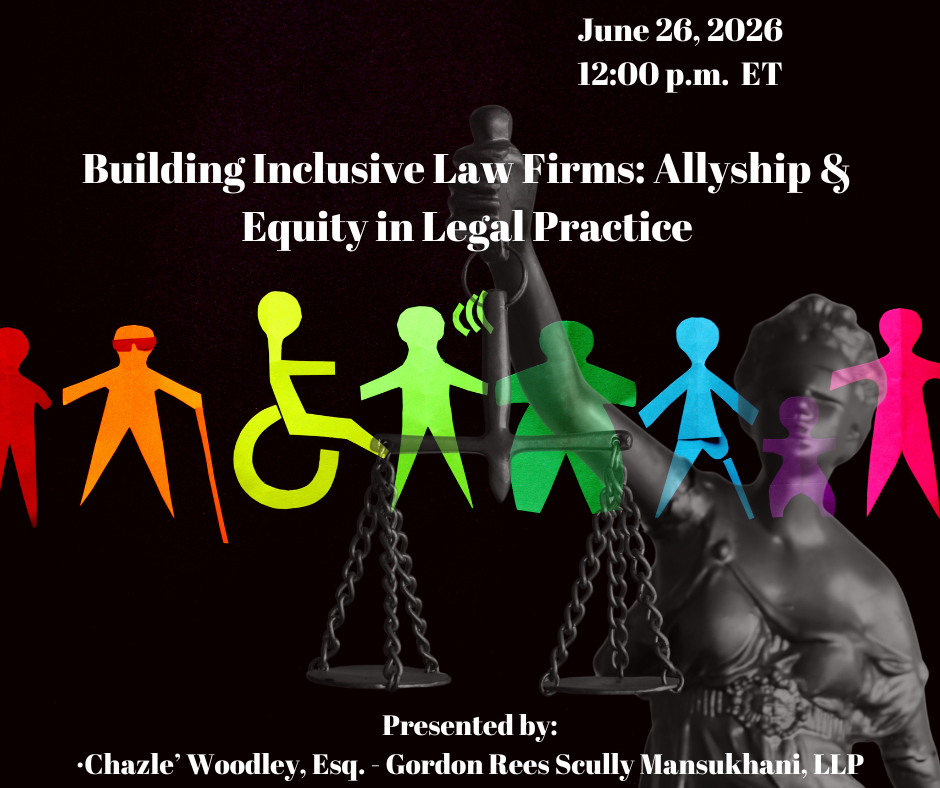
This interactive course is designed to equip legal professionals with the knowledge, tools, and stra...

This course will provide a detailed overview of the Medicare Secondary Payer act as well as provide ...