
Exciting new series on “Voice, Body and Movement for Lawyers – How to connect with the jury and find Justice Through Dramatic Technique!”
Click here to find out more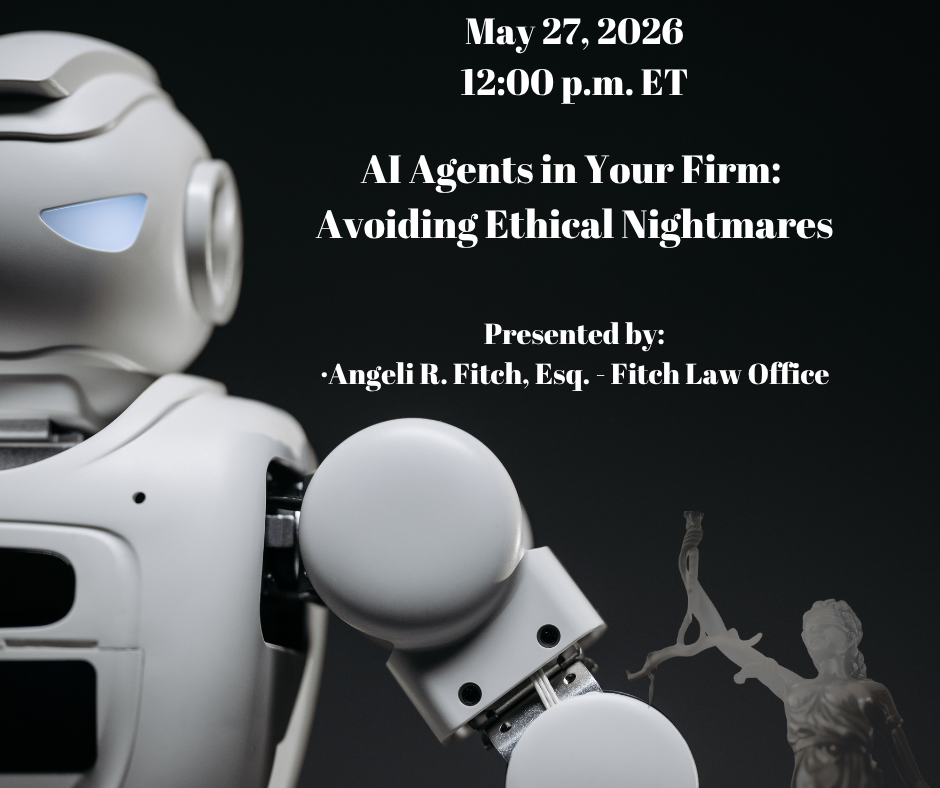
AI agents and generative AI tools are rapidly entering law firm workflows, including legal research, drafting, document review, internal operations, and client communication. This ethics program examines those tools through the framework of ABA Formal Opinion 512 and ABA Model Rules 1.1, 1.3, 1.4, 1.5, 1.6, 3.1, 3.3, 5.1, 5.3, and 8.4(c). Attendees will learn how duties of competence, diligence, confidentiality, communication, fee reasonableness, supervision, meritorious advocacy, candor to the tribunal, and honesty apply when lawyers and law firms use AI agents or other generative AI systems. The program also addresses hallucinated citations, disclosure to clients, billing for AI-assisted work, vendor due diligence, training and internal policy controls, and the lawyer’s continuing responsibility to review and verify all AI-assisted work product before it is provided to a client, third party, or tribunal.
ABA Authorities Covered
Note: This course provides ethics guidance grounded in ABA authorities. Attorneys remain responsible for reviewing the rules, ethics opinions, and court requirements that govern AI use in their own jurisdiction.
This program provides attorneys with a foundational understanding of the name, image, and likeness (...
This program provides immigration attorneys with a structured and strategic approach to developing e...
This program is geared towards lawyers, experts, commercial property owners, and others in the envir...
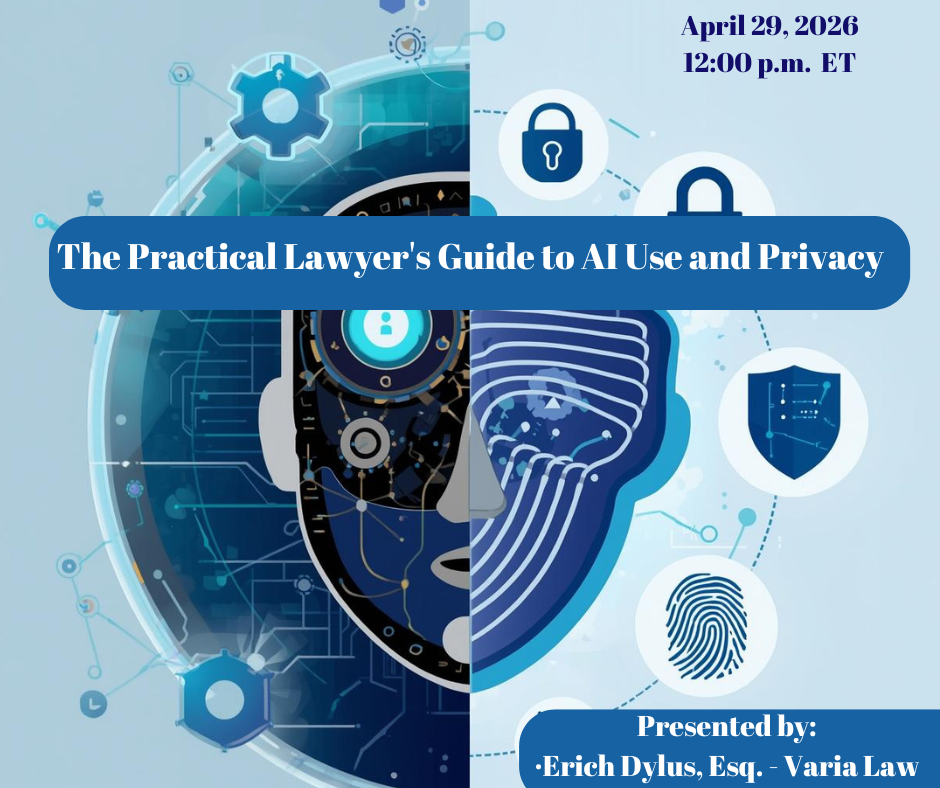
Review the basic software concepts and effective uses of generative AI, prompting strategies, and me...
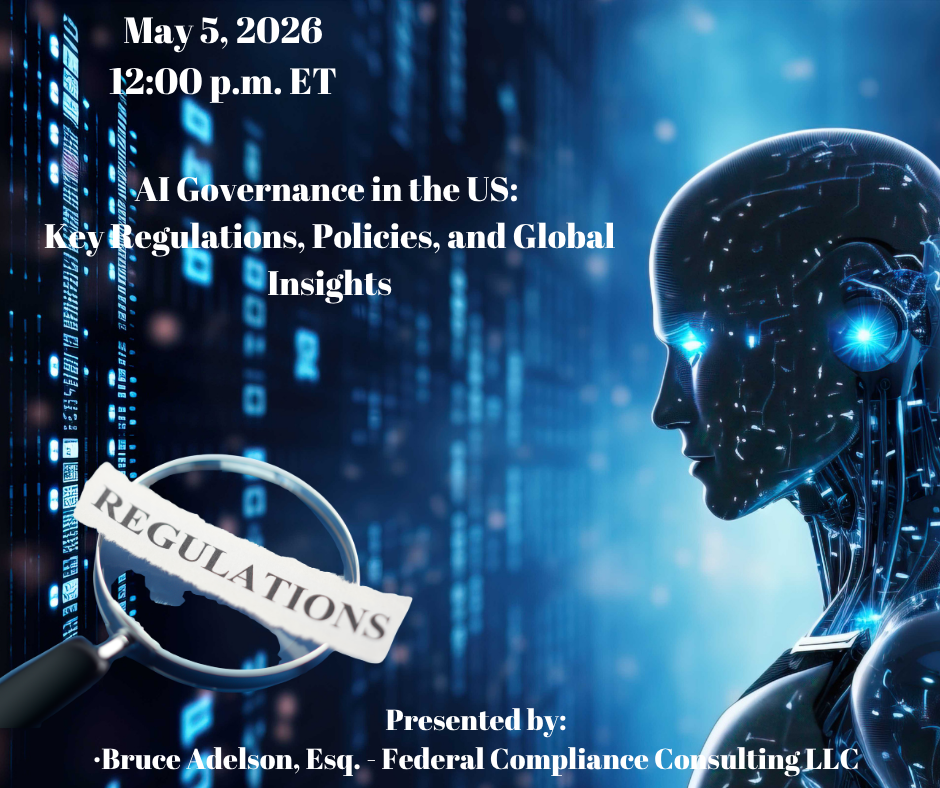
AI, an innovative technology that was once a supporting act for digital transformation, business str...
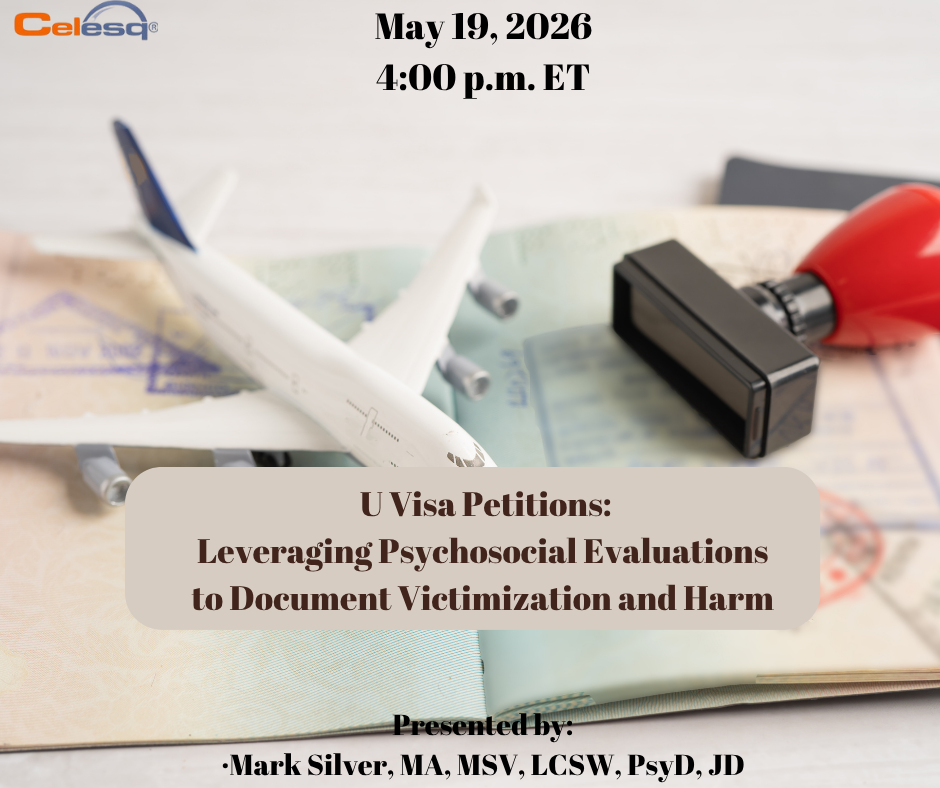
This program provides attorneys with a comprehensive framework for incorporating psychosocial evalua...
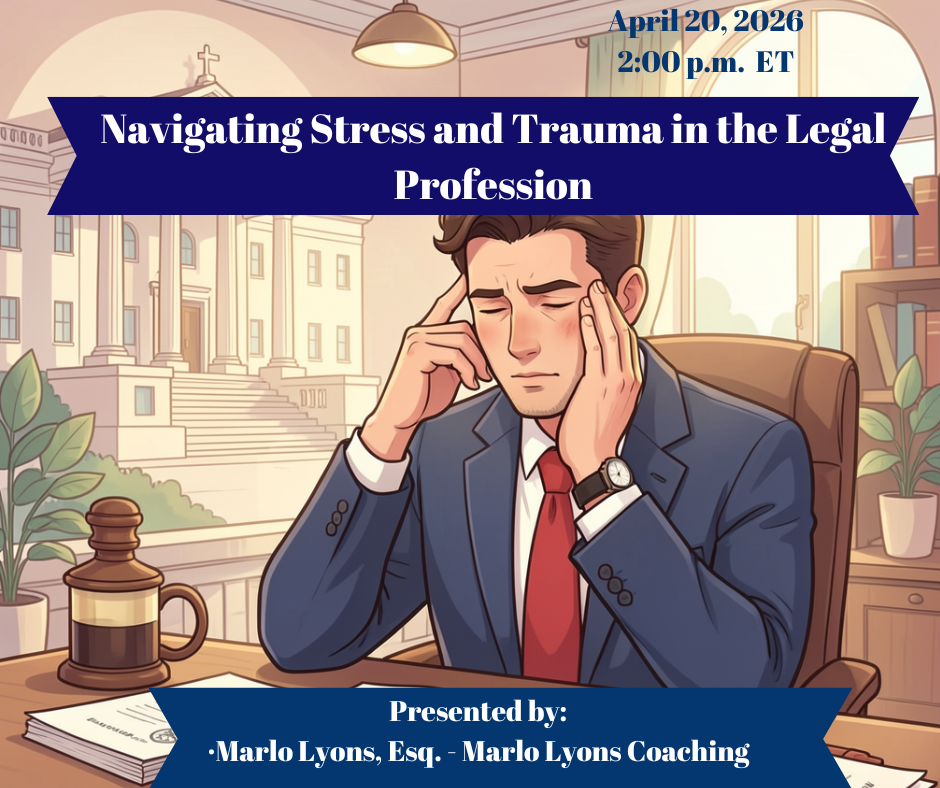
Navigating Stress and Trauma in the Legal Profession, explores the unique challenges faced by legal ...
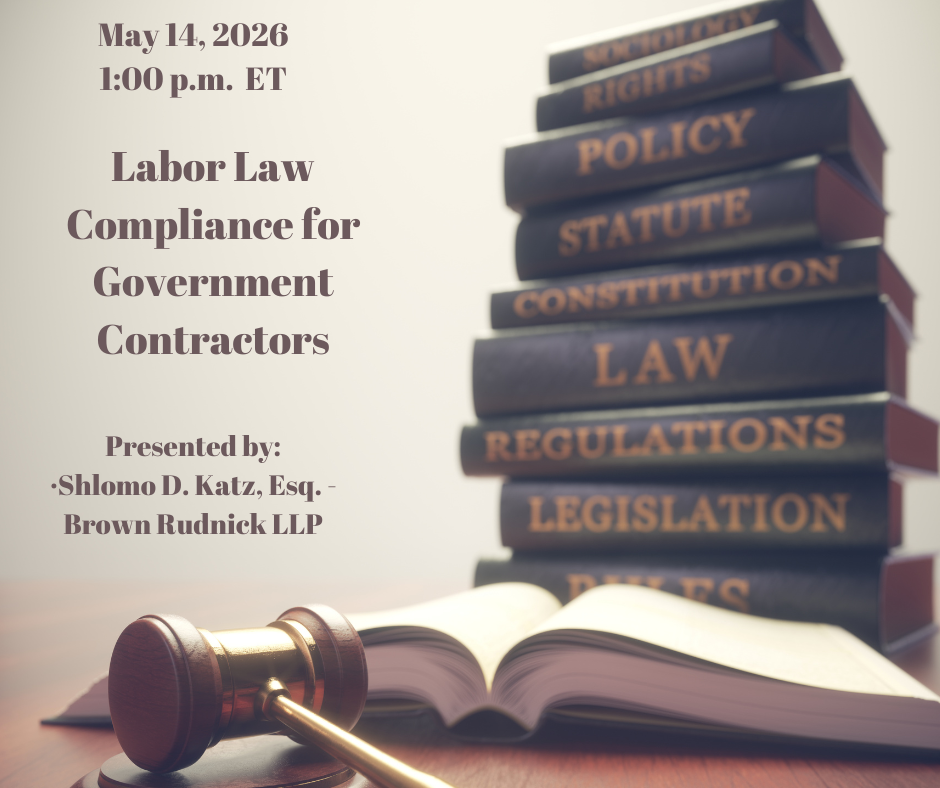
Contracting with the Federal Government is not like a business deal between two companies or a contr...
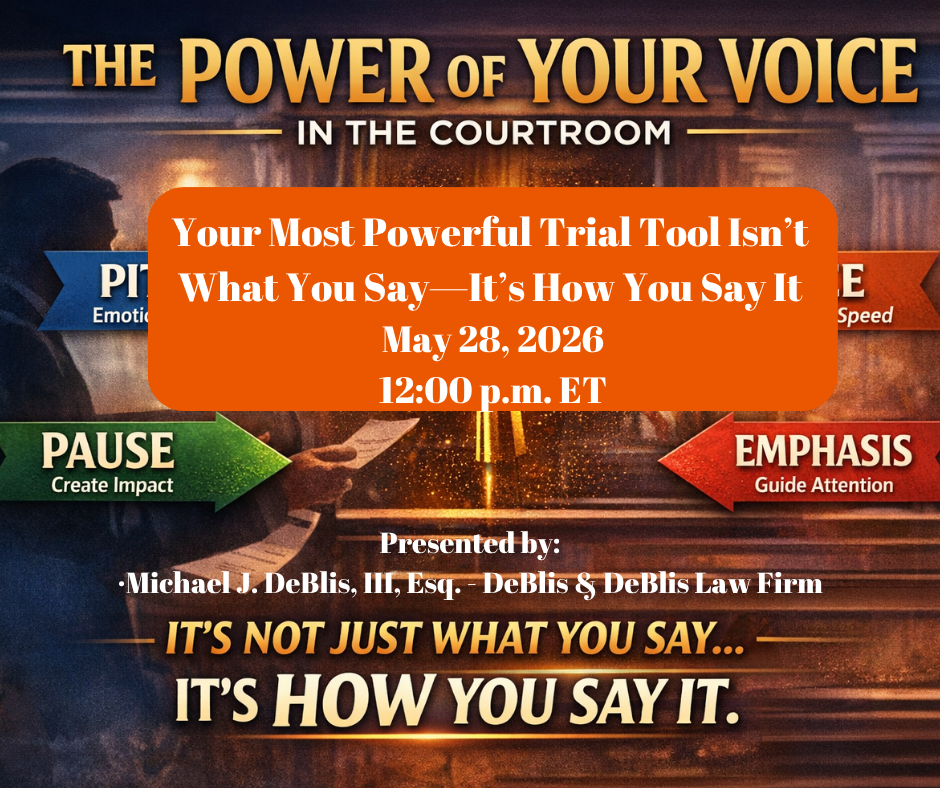
This CLE program, “Your Most Powerful Trial Tool Isn’t What You Say—It’s How...
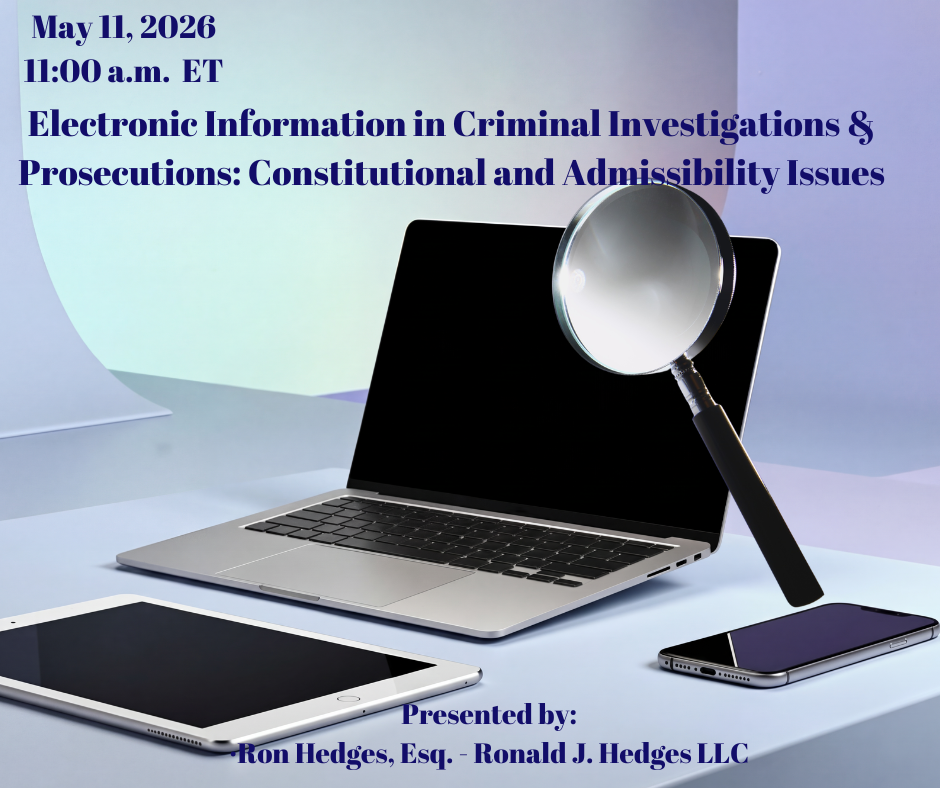
Electronic information is a common feature of criminal investigations and prosecutions, both federal...