
Exciting new series on “Voice, Body and Movement for Lawyers – How to connect with the jury and find Justice Through Dramatic Technique!”
Click here to find out more
NFTs, or non-fungible tokens, are the latest development in the blockchain universe. Another dimension of intangible asset ownership, NFTs are digital collectible items typically associated with art. However, as the popularity of NFTs has exponentially increased, NFTs are now being minted on digital assets ranging from music to text, videography, and even patents. This program focuses on educating attendees on what NFTs are, how they have come to affect virtually every area of intellectual property, and what IP attorneys can do to protect their clients’ IP rights.
New York City’s new Non-Primary Residence Property Surcharge—commonly known as the pied-...
Class action waivers in arbitration agreements remain enforceable, but a decade of U.S. Supreme Cour...
This program provides a practical roadmap to mastering every stage of the discovery process in civil...
Adverse and derogatory information often has devastating effects on a contractor's ability to win co...
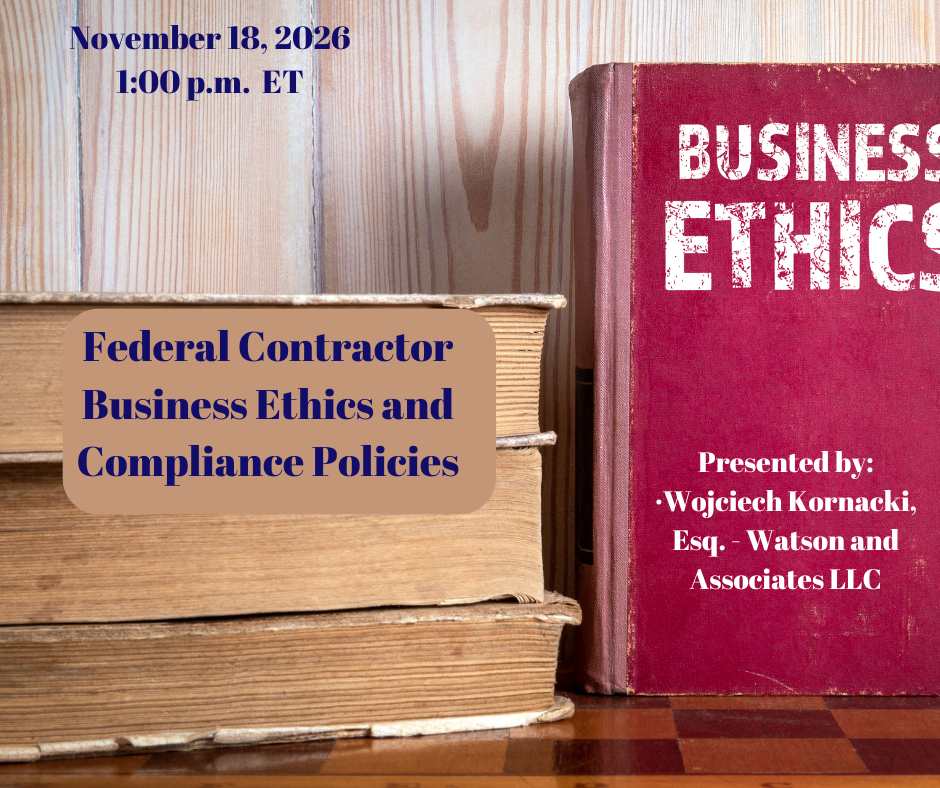
As the largest purchaser of goods and services in the world, the United States Government requires f...
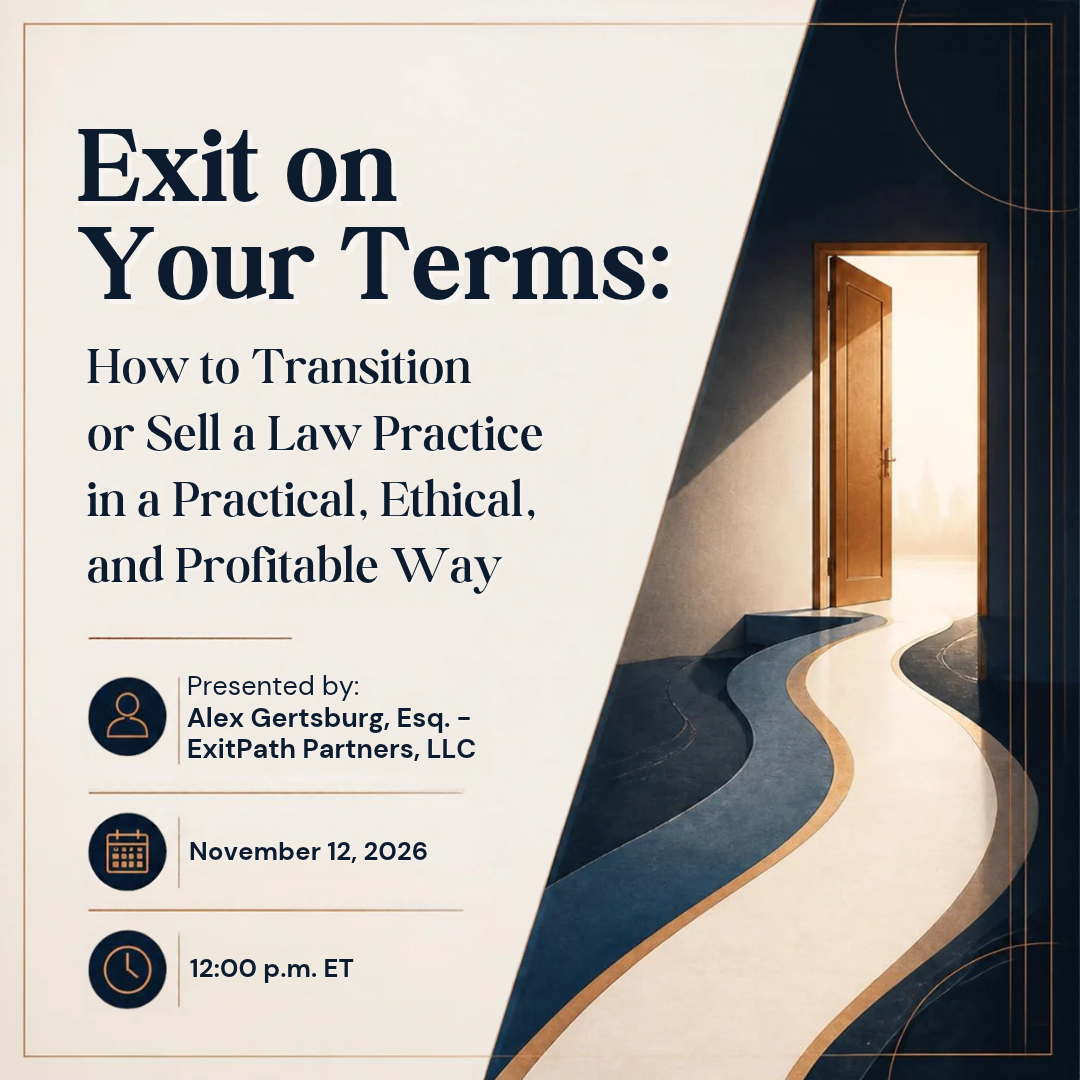
Turn decades of client relationships into lasting equity. This practical CLE shows attorneys how to ...
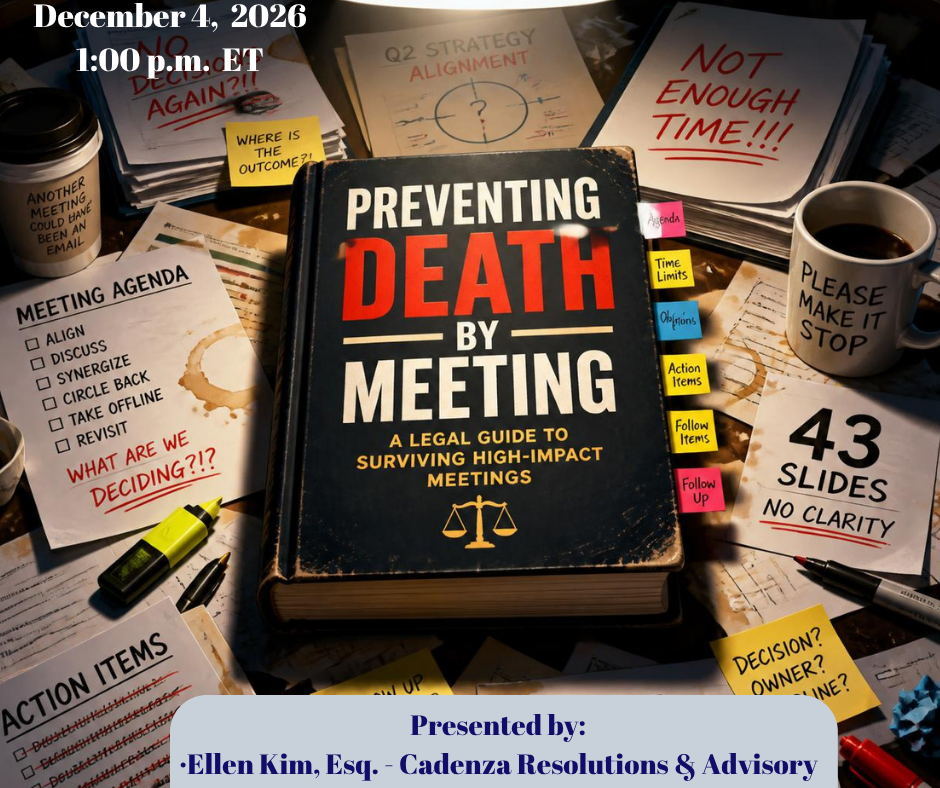
Lawyers lose hundreds of billable and operational hours every year to poorly managed meetings. Unfoc...
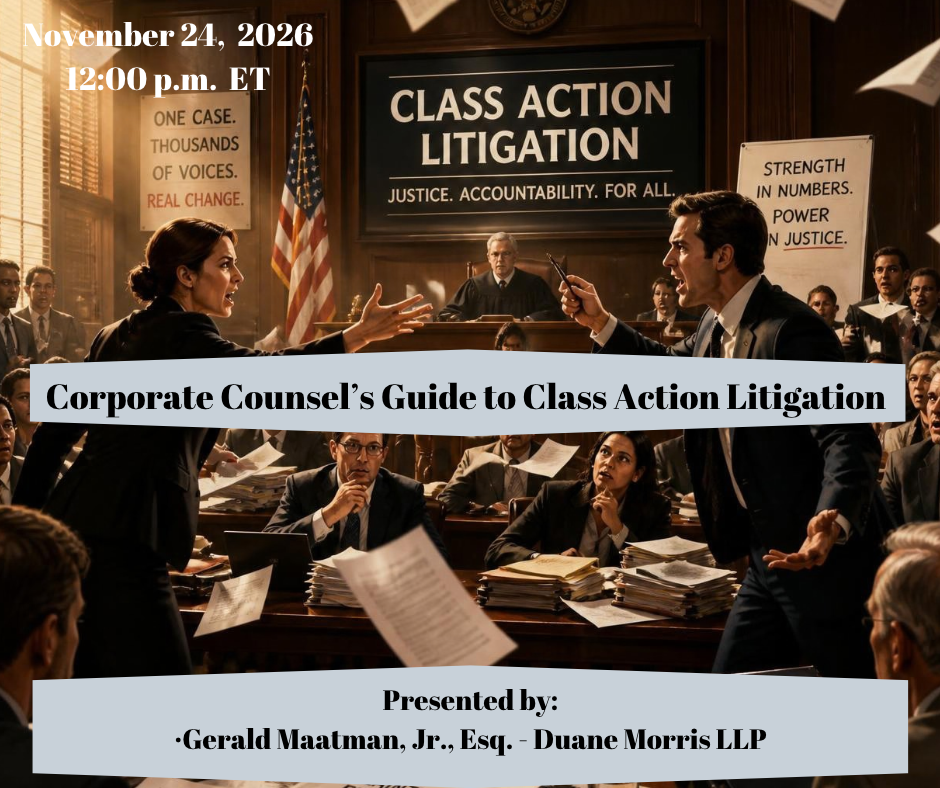
Class action litigation continues to expand in both number of filings and monetary exposure, with se...
Data privacy remains one of the most rapid areas of growth in the class action space. Plaintiffs con...
This seminar concerns a scope, jurisdiction, and exceptions to the Federal Arbitration Act. The Act ...