
Exciting new series on “Voice, Body and Movement for Lawyers – How to connect with the jury and find Justice Through Dramatic Technique!”
Click here to find out more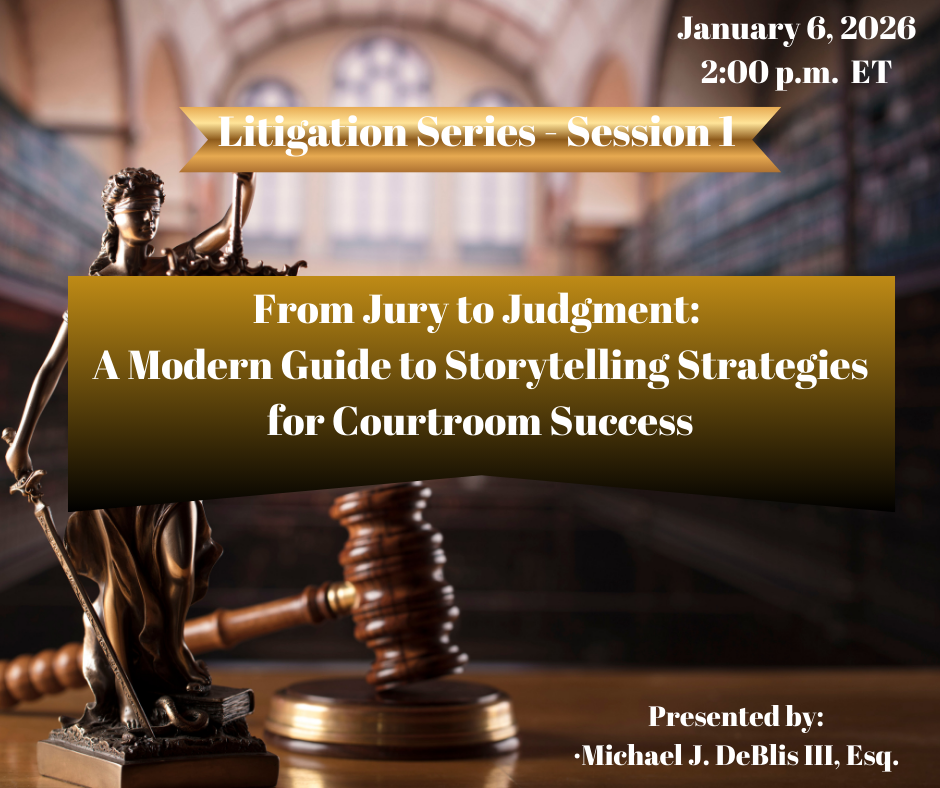
The CLE program expands on the artistic techniques that make stories resonate, including tempo, sensory detail, dialogue, and the “rule of three.” It encourages attorneys to craft openings and examinations that feel conversational yet precise, allowing jurors to follow the emotional and logical flow with ease.
By focusing on vivid imagery, narrative pacing, and audience?centered communication, the presentation equips lawyers to tell stories that feel immersive, human, and unforgettable.
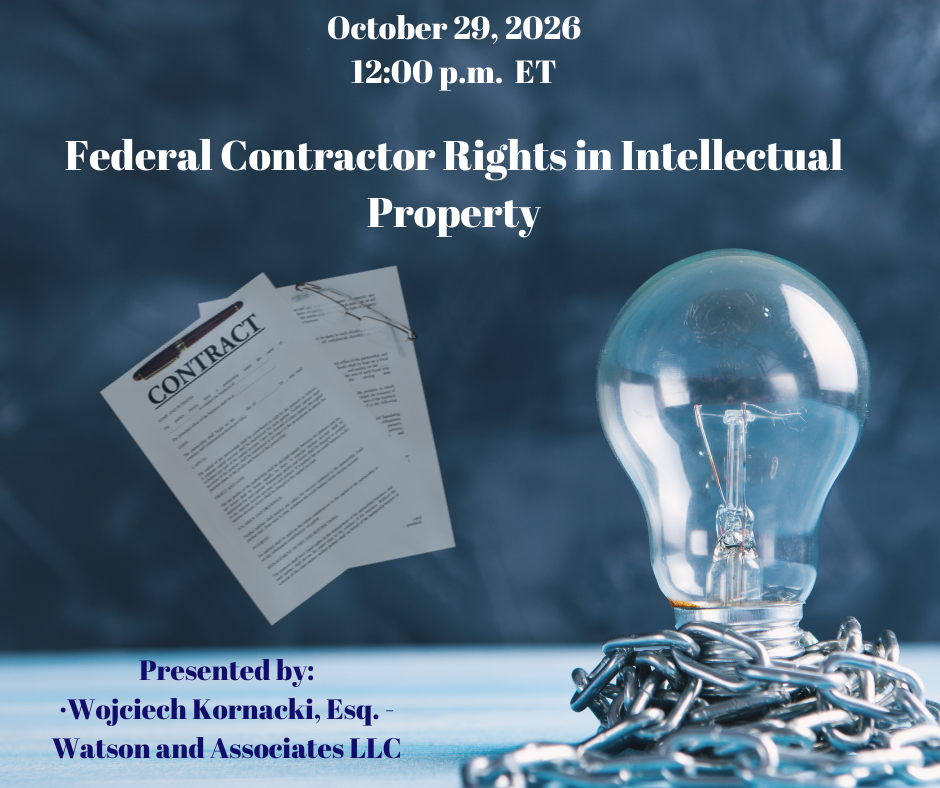
During this course, you will learn about best practices and strategies for retaining intellectual pr...
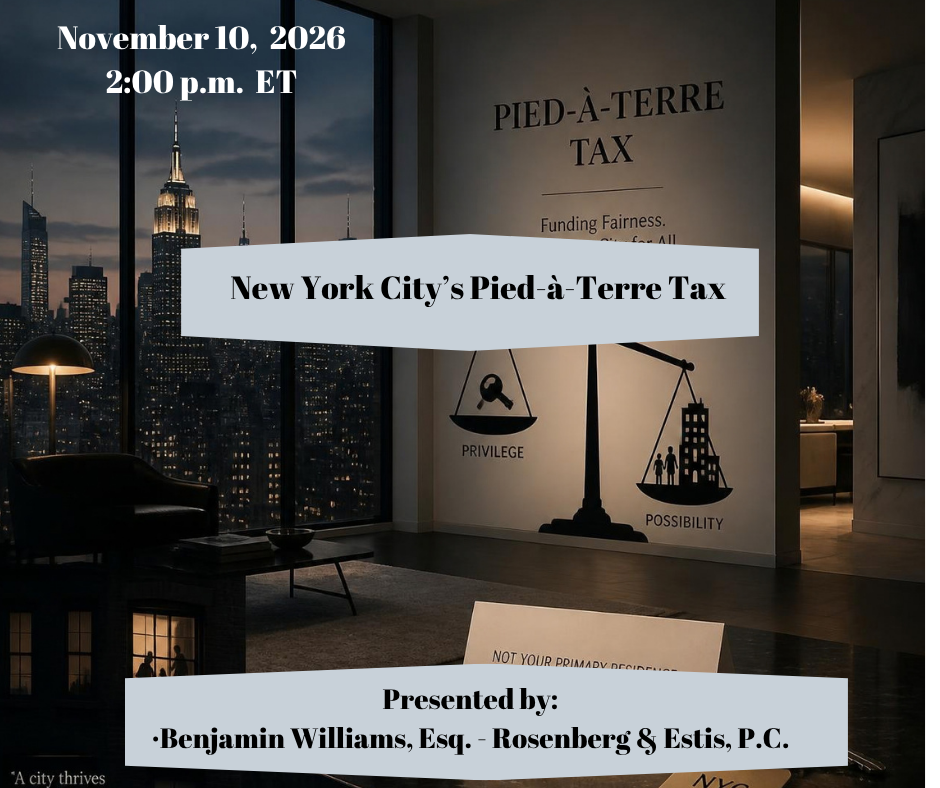
New York City’s new Non-Primary Residence Property Surcharge—commonly known as the pied-...
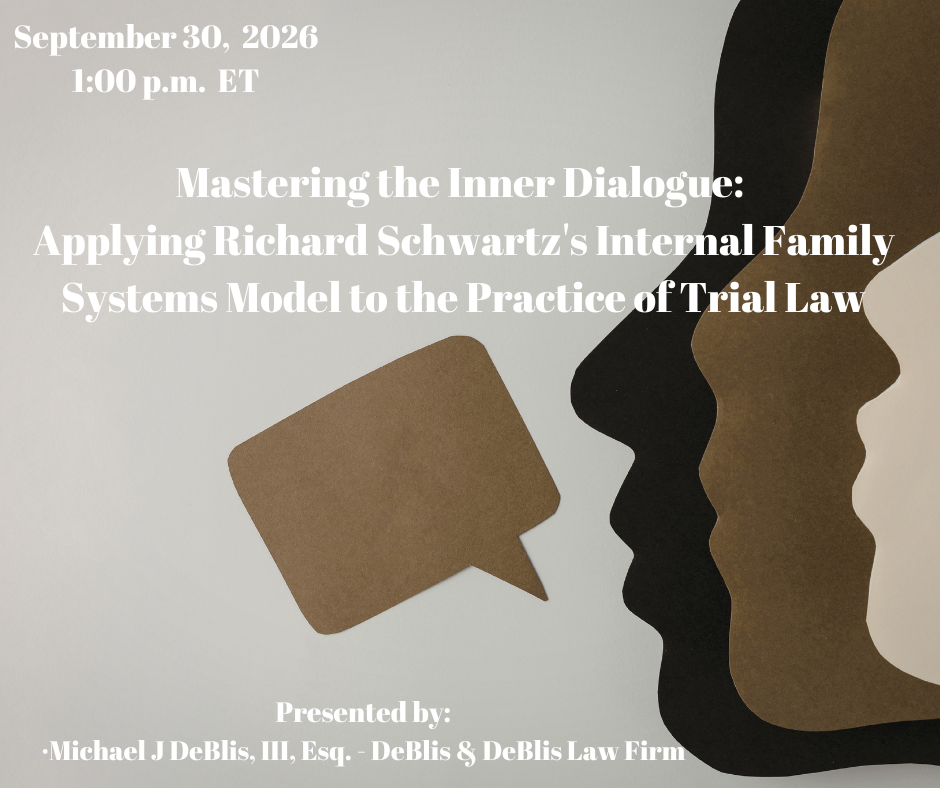
Every trial lawyer has experienced it: the inner critic before opening statements, the surge of ange...
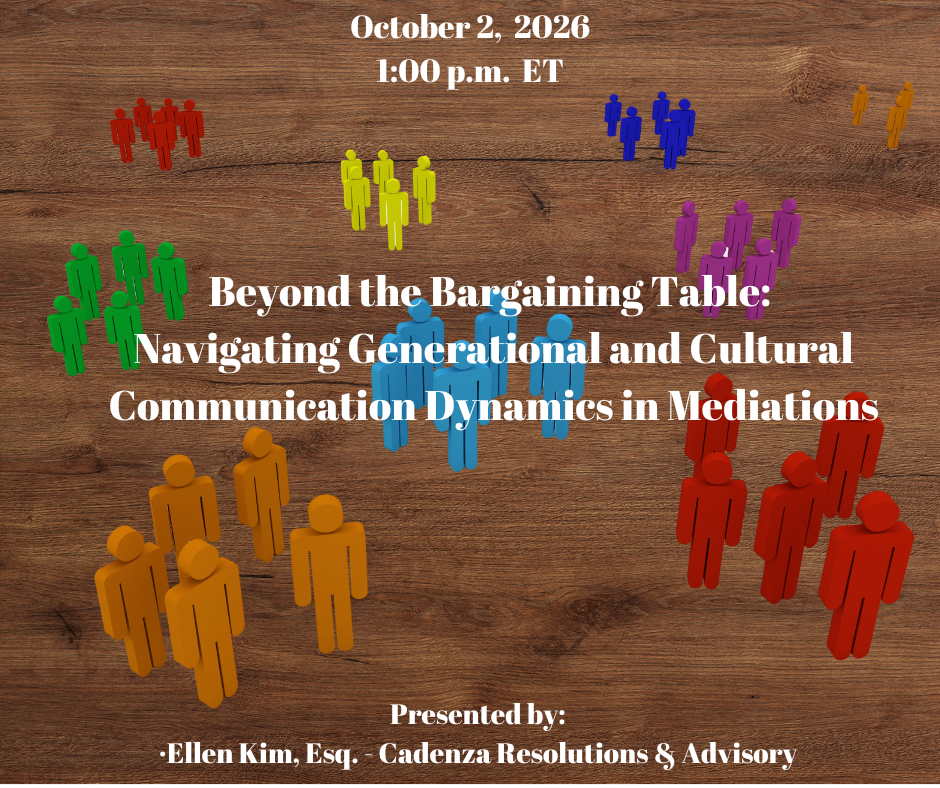
Modern mediation increasingly brings together parties, counsel, and neutrals across a broad range of...
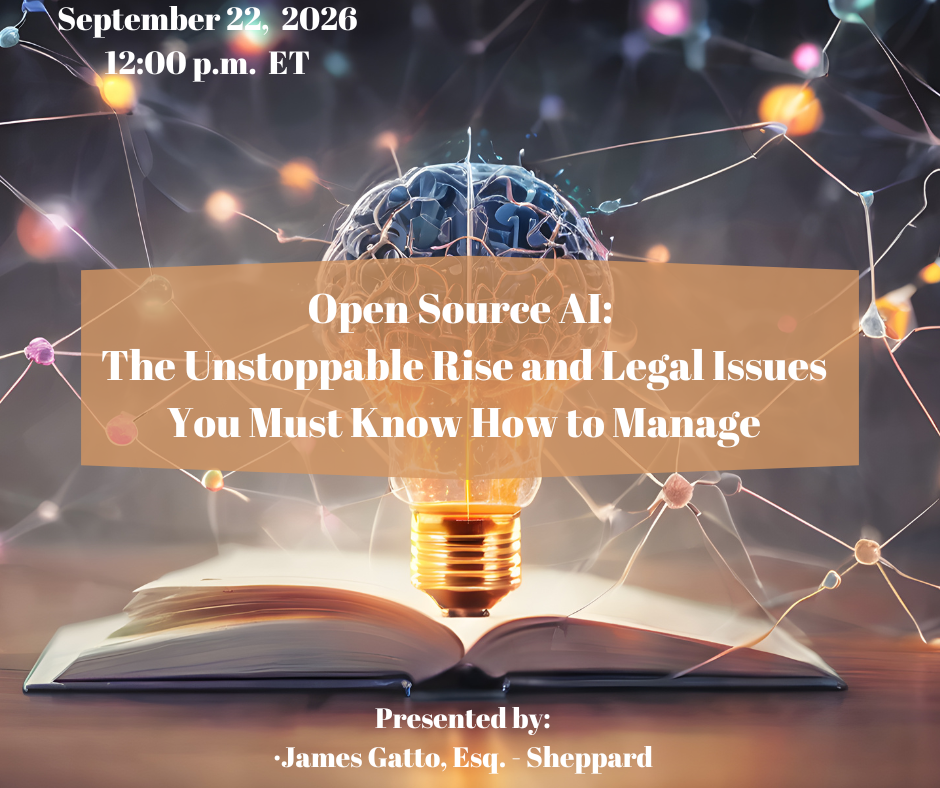
Open-source AI models have gone from niche developer tools to enterprise essentials almost overnight...
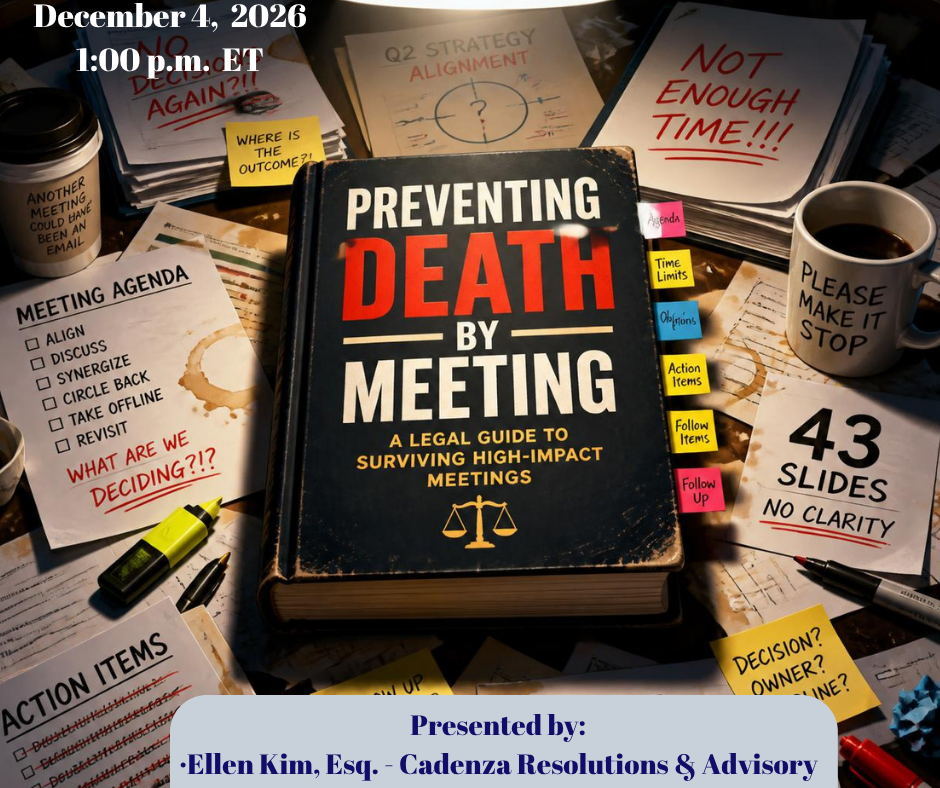
Lawyers lose hundreds of billable and operational hours every year to poorly managed meetings. Unfoc...
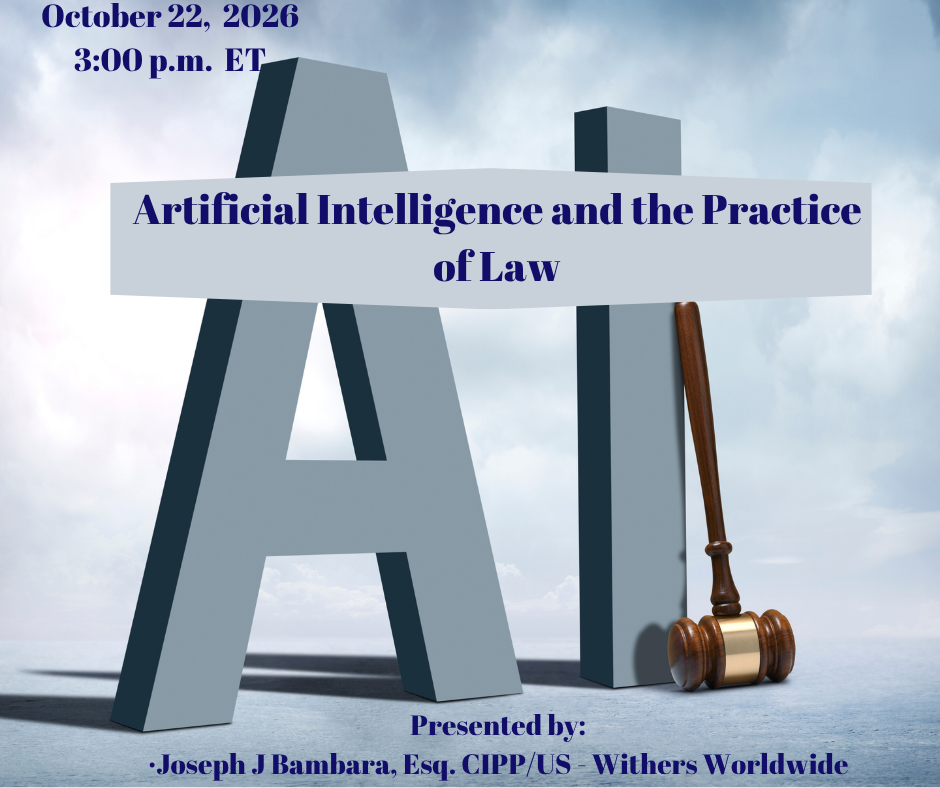
"Artificial Intelligence and the Practice of Law" (updated through 2026), is a 50-slide primer desig...
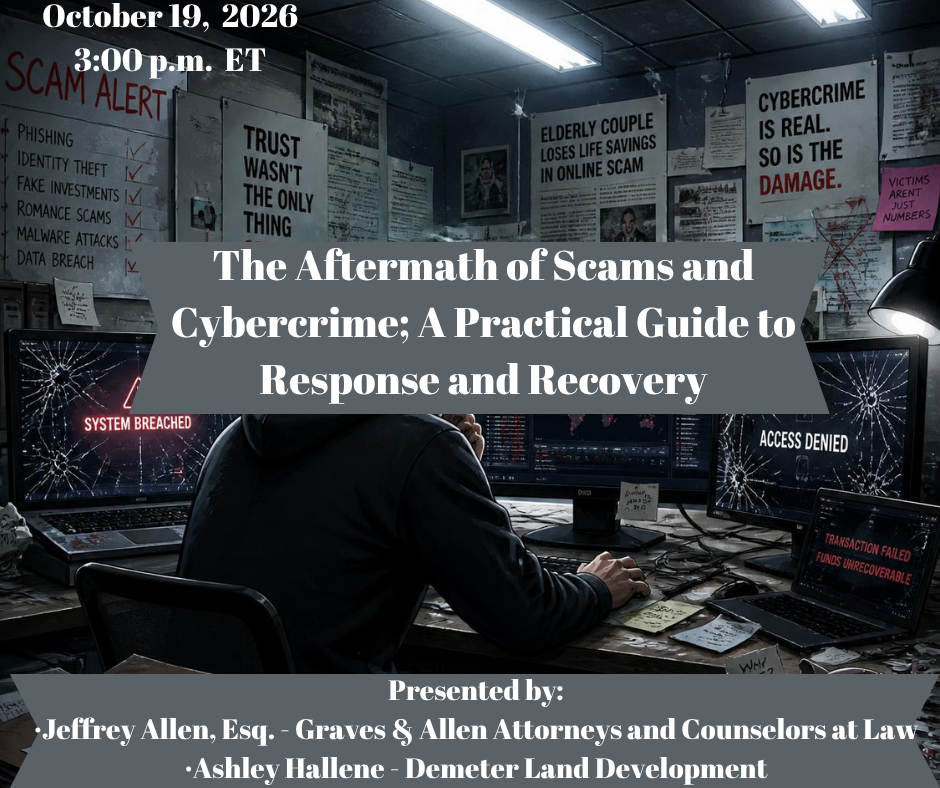
The Aftermath of Scams and Cybercrime: A Practical Guide to Response and Recovery examines the immed...
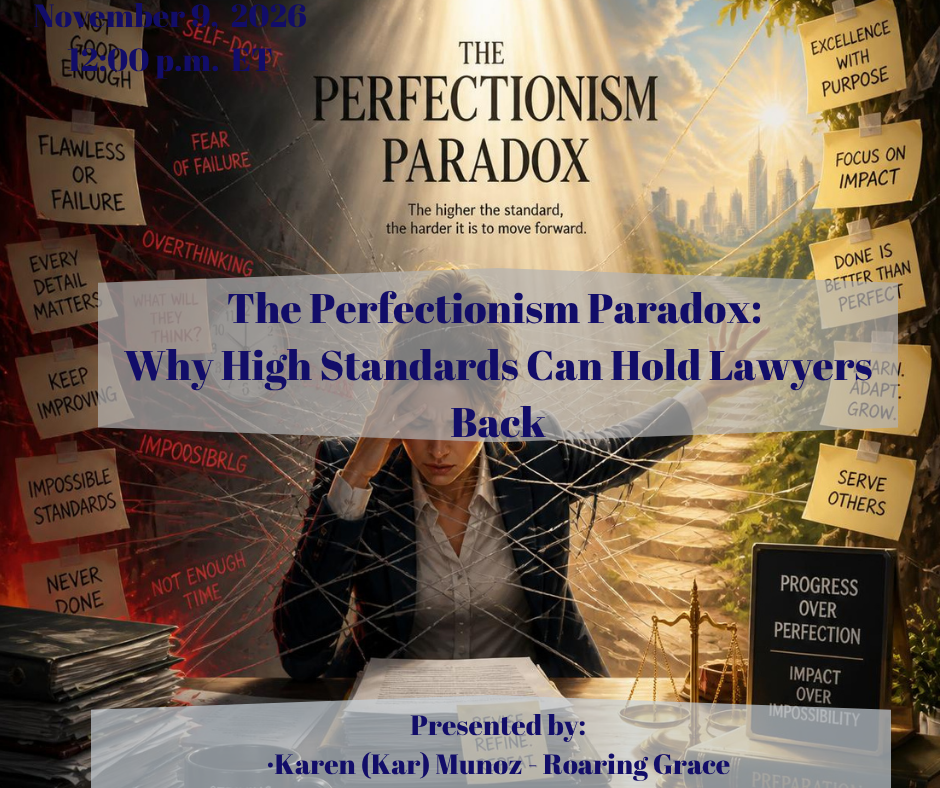
Perfectionism is often rewarded in the legal profession. It drives attention to detail, thorough pre...
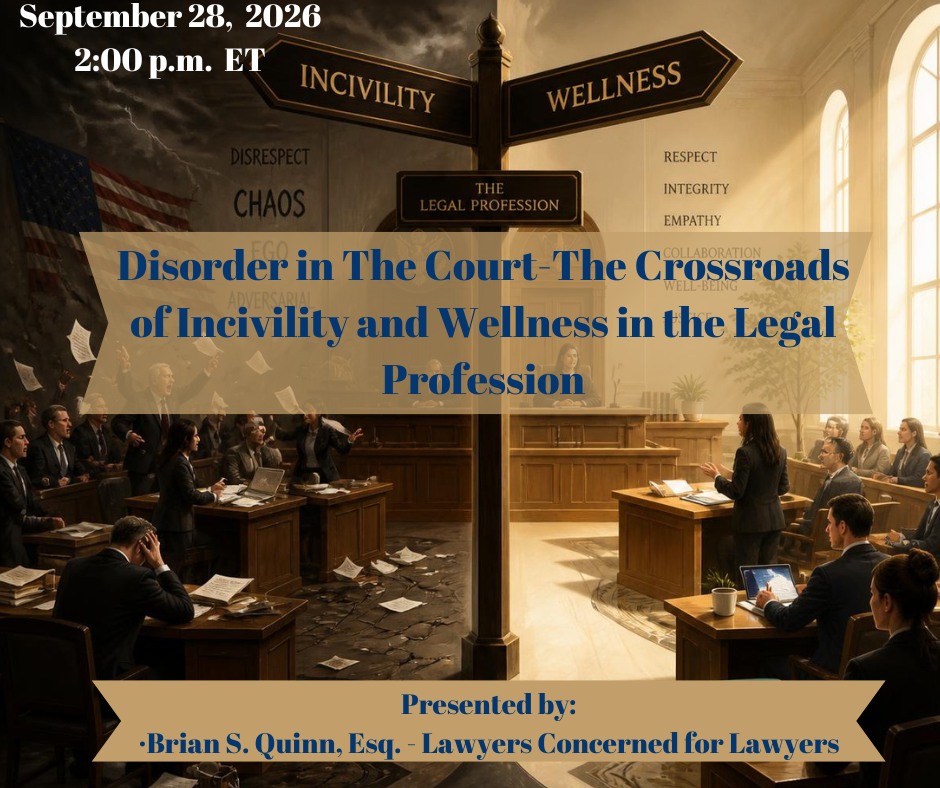
Abrasive or burned out? Overworked or uncivil? Zealous advocate or bully? The legal profession is c...