
Exciting new series on “Voice, Body and Movement for Lawyers – How to connect with the jury and find Justice Through Dramatic Technique!”
Click here to find out more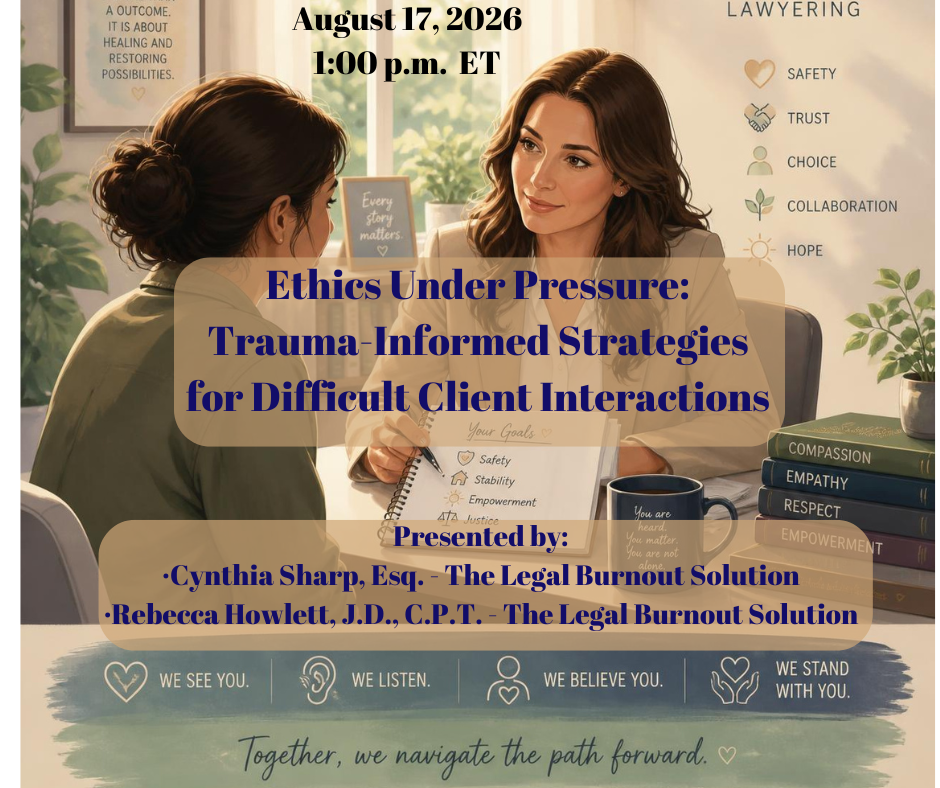
Lawyers regularly communicate with clients who are angry, overwhelmed, frightened, unrealistic, or disappointed by the legal process. In those moments, clear communication is not only good client service—it is an ethical obligation.
This program uses realistic client scenarios to explore how trauma-informed communication strategies can help lawyers comply with Model Rule of Professional Conduct 1.4: Communication. The program also touches on the negative impact of client distress on lawyers, including secondary trauma and compassion fatigue, and offers simple self-regulation strategies to support ethical, professional, and effective communication.
Participants will learn practical tools for:
Learning Objectives:
Objections are among the most powerful — and most misunderstood — tools in a trial lawye...
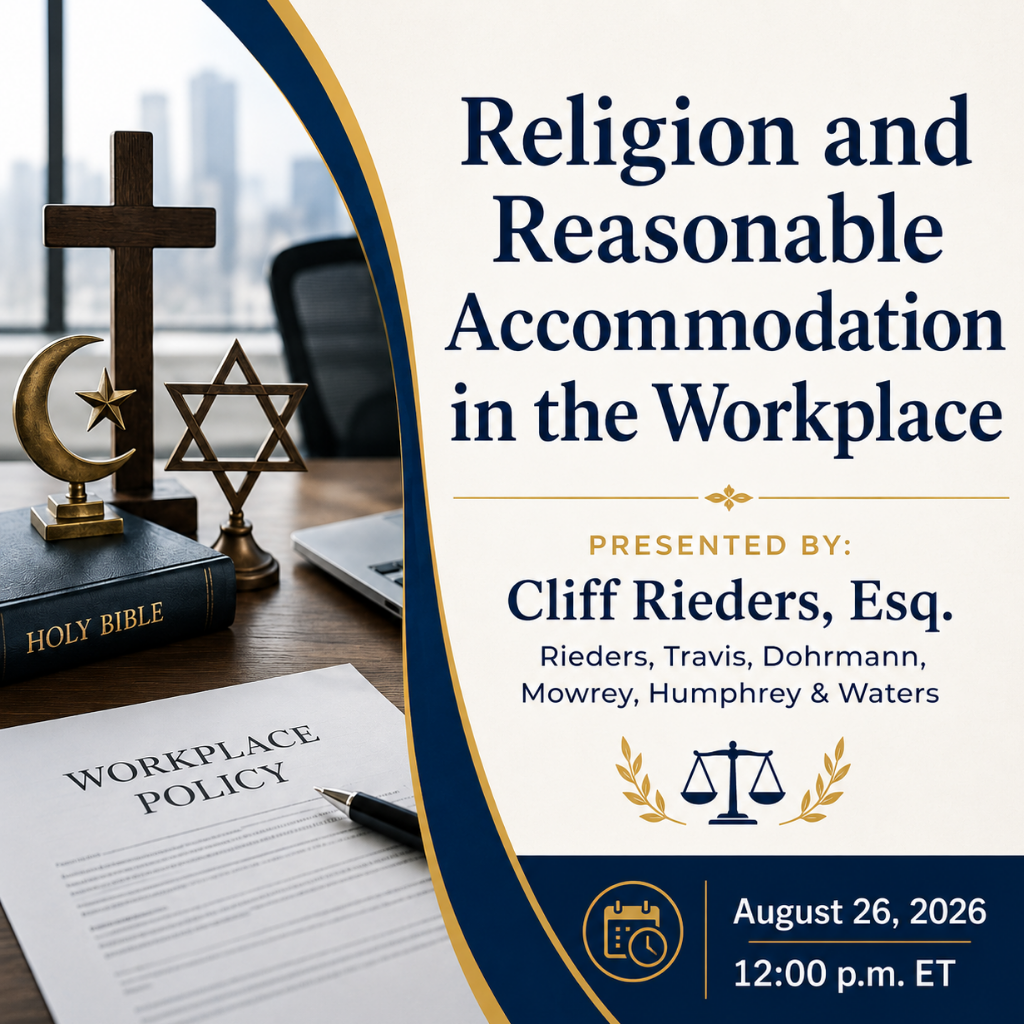
Discussion of religion and reasonable accommodation in the workplace. Thanks to the United States Su...
Every trial lawyer has experienced it: the inner critic before opening statements, the surge of ange...
As the largest purchaser of goods and services in the world, the United States Government requires f...
In 1968, English rock band The Zombies released their psychedelic counterculture anthem, “Time...
Trial Starts Now: Winning the Final Six Months provides a comprehensive guide to the critical tasks ...
When the investigation concludes, the discipline is issued, and the file is closed, most organizatio...
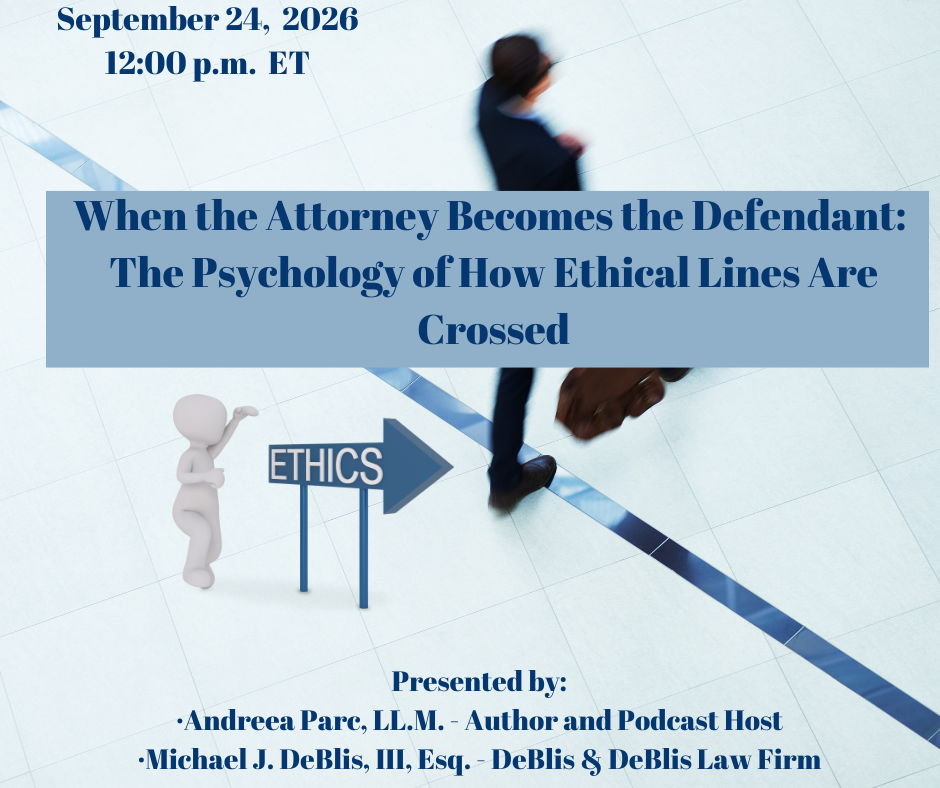
This program addresses a gap no standard ethics CLE reaches: the psychology of what happens inside t...
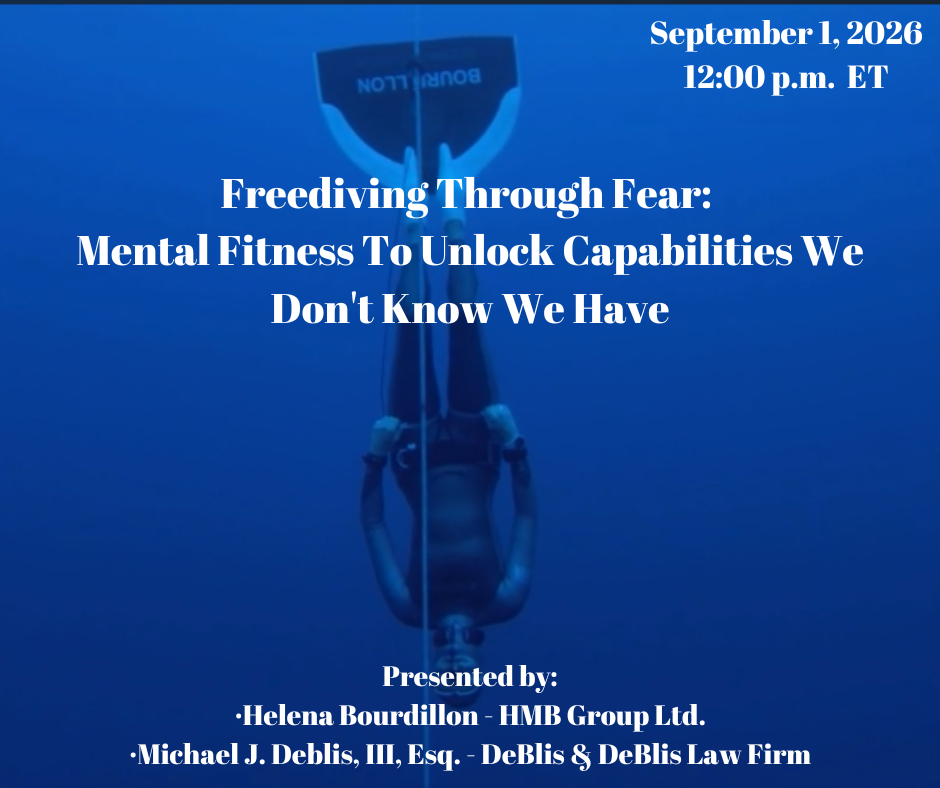
Most legal professionals are operating in survival mode whether they realize it or not. Not crisis-l...

Class action litigation continues to evolve rapidly in response to an innovative plaintiffs’ b...