
Exciting new series on “Voice, Body and Movement for Lawyers – How to connect with the jury and find Justice Through Dramatic Technique!”
Click here to find out more
An attorney need not practice in the cyber or technology fields to be affected by changes in those areas. As those changes come more rapidly, some lawyers and firms are experiencing a form of “Future Shock,” a syndrome first described in the 1970s.
This program will address this shock and how it affects both in the practice of law, and compliance with ethical duties.
Topics to be covered include:
• The Good, the Bad, and the Ugly of Technology and Cyber
• The Good: Changes in Technology Improve Lawyers’ Ability to Represent their Clients.
• The Bad: Drawing the Work/Life Line when Technology is Ubiquitous.
• The Ugly: Means and Methods of Cyber Attacks Change Quickly, and Law Firms are Prime Targets
Ethics (One hour)
• Rule 1.1: The duty of competence
• Rule 1.3: Diligence and Promptness—What does “Prompt” Mean today
• Rule 1.4: Communications—Can I Email, Text, or Chat? Should I? *Rule 1.6: Confidentiality
• Rule 5.1: Responsibilities of Partner/Supervising Lawyer
2026 was a very important year when it comes to federal procurement developments, Artificial Intelli...
Data privacy remains one of the most rapid areas of growth in the class action space. Plaintiffs con...
During this course you will take a deep dive into federal bid protest litigation at the U.S. Court o...
This seminar concerns a scope, jurisdiction, and exceptions to the Federal Arbitration Act. The Act ...

This course is meant for lawyers of all levels and areas of practice, and in it, we will explore way...
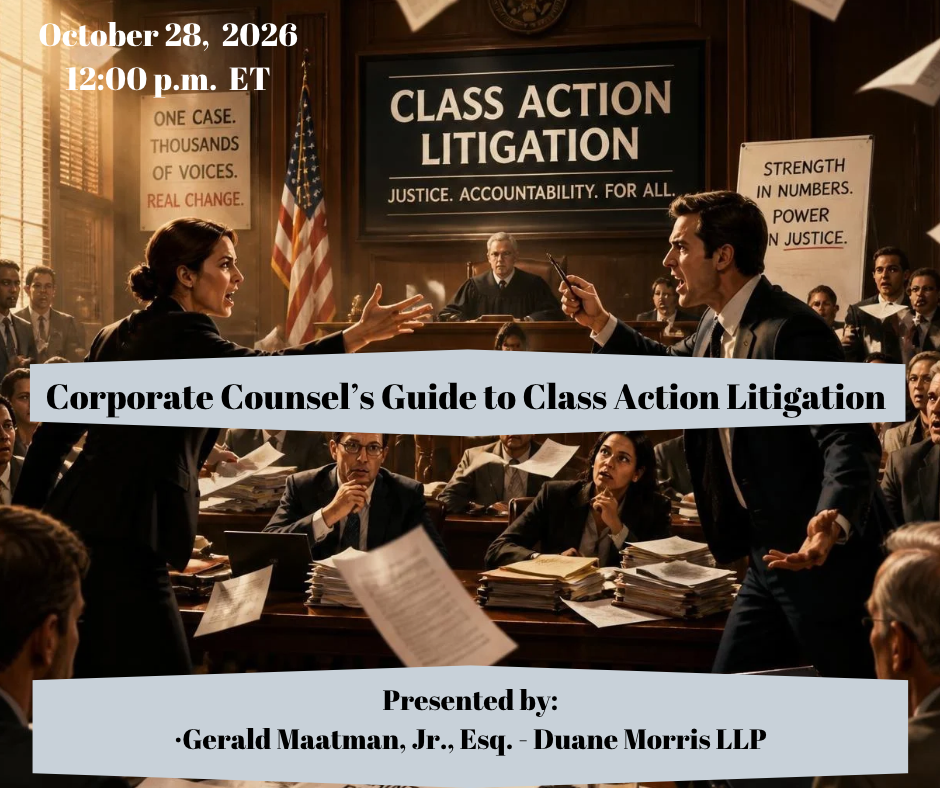
Class action litigation continues to expand in both number of filings and monetary exposure, with se...

During this course, you will learn about best practices and strategies for retaining intellectual pr...
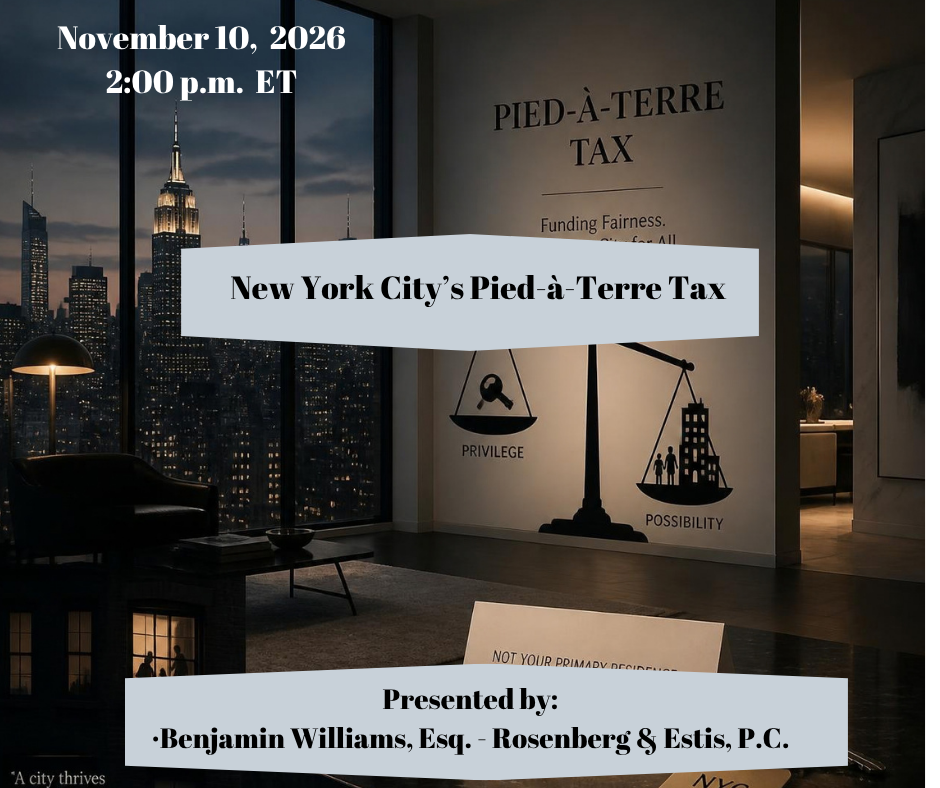
New York City’s new Non-Primary Residence Property Surcharge—commonly known as the pied-...
Class action waivers in arbitration agreements remain enforceable, but a decade of U.S. Supreme Cour...
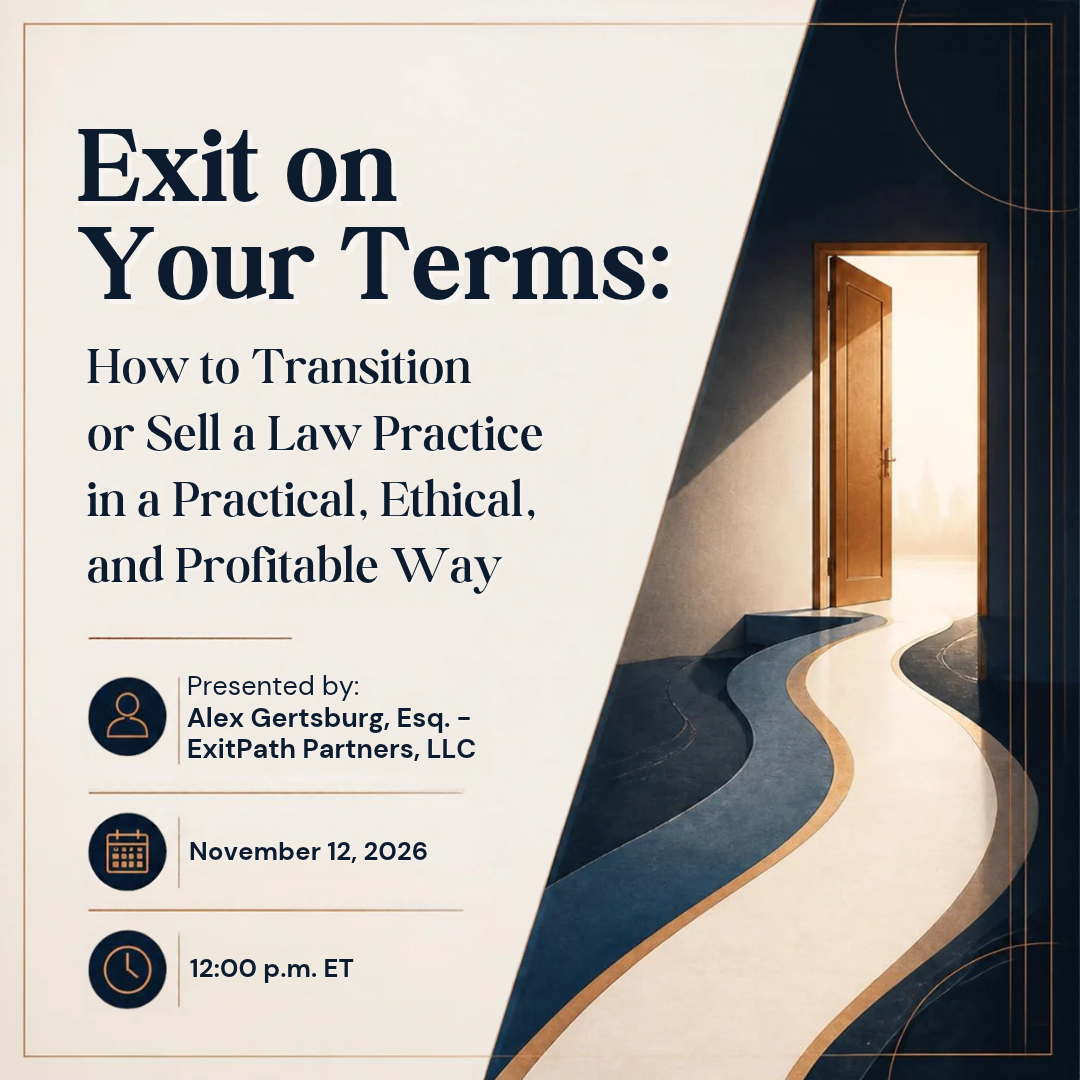
Turn decades of client relationships into lasting equity. This practical CLE shows attorneys how to ...