
Exciting new series on “Voice, Body and Movement for Lawyers – How to connect with the jury and find Justice Through Dramatic Technique!”
Click here to find out more
Practitioners need to know how the Supreme Court’s decision in Badgerow alters litigation strategy and jurisdiction in the challenging and enforcement of arbitration decisions both in state and federal court.
Our presenters will discuss the enforcement of awards, jurisdiction for enforcement and grounds to set aside awards. Special focus on licensing and franchise arbitrations addressing trademark considerations.
Key takeaways:
• The Supreme Court resolves issues regarding jurisdiction for confirming or setting aside arbitration awards.
• Special issues for arbitration of licensing and franchise agreements.
• Grounds for setting aside arbitration awards.
• Strategies for enforcement and challenging awards.
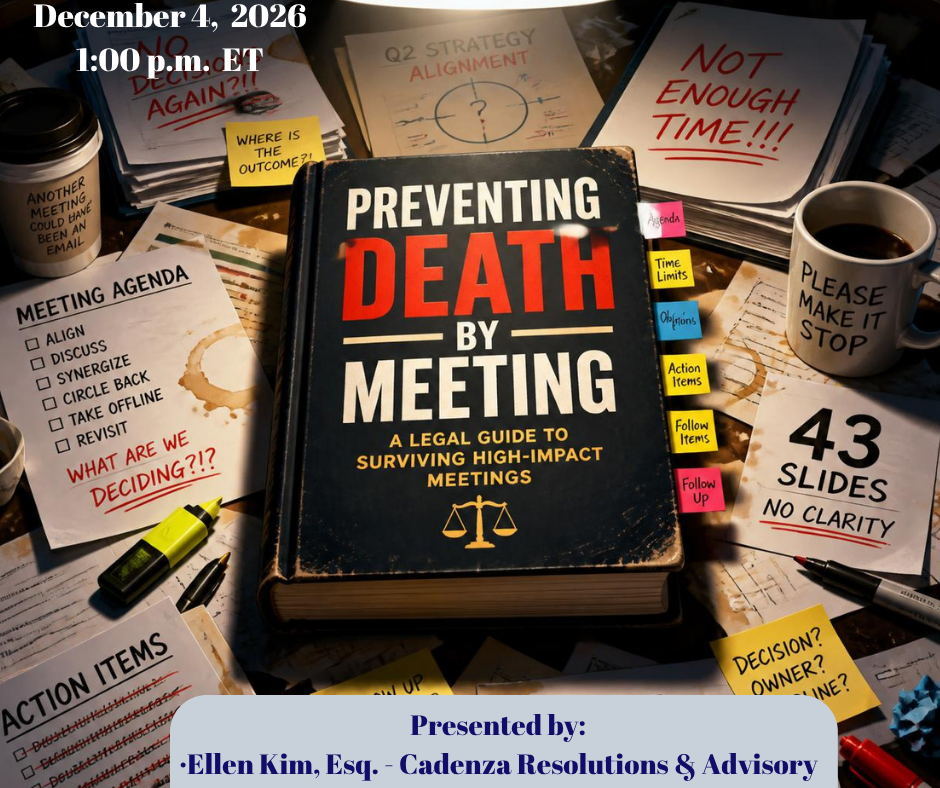
Lawyers lose hundreds of billable and operational hours every year to poorly managed meetings. Unfoc...
Confidentiality Agreements (also called NDAs) are too often treated as routine. So routine, th...
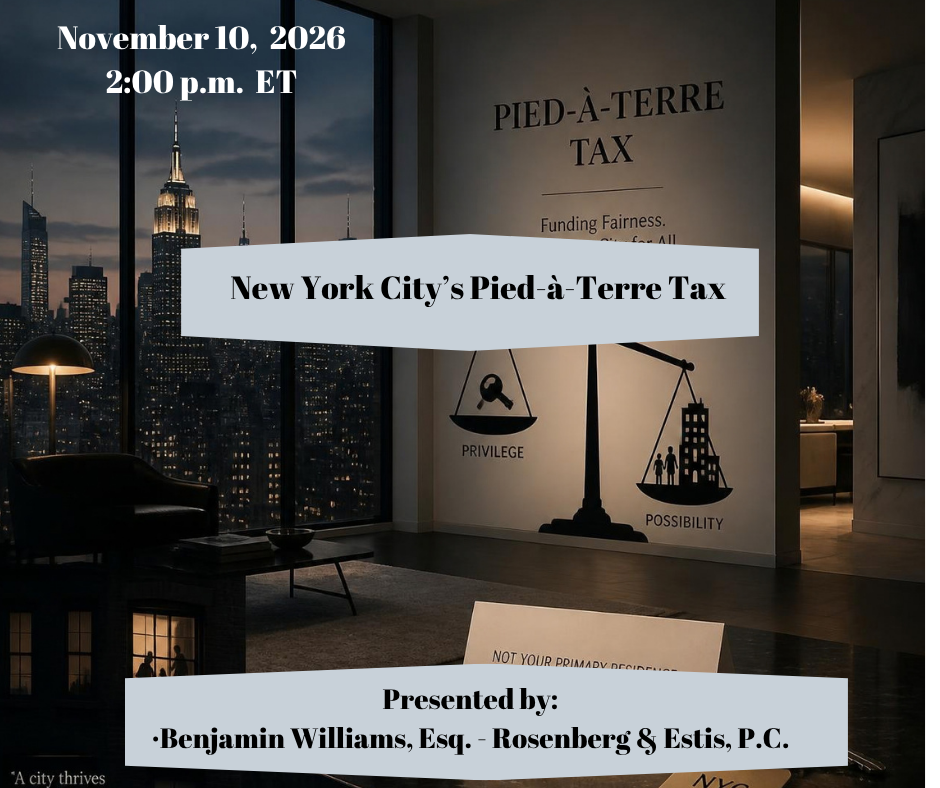
New York City’s new Non-Primary Residence Property Surcharge—commonly known as the pied-...
During this course you will take a deep dive into federal bid protest litigation at the U.S. Court o...
This seminar concerns a scope, jurisdiction, and exceptions to the Federal Arbitration Act. The Act ...
This program provides trial attorneys with a thorough grounding in the three principal currency repo...
Perfectionism is often rewarded in the legal profession. It drives attention to detail, thorough pre...

As the largest purchaser of goods and services in the world, the United States Government requires f...
This course on trade secrets litigation provides real-world best practices through all key stages of...

During this course, you will learn about best practices and strategies for retaining intellectual pr...