
Exciting new series on “Voice, Body and Movement for Lawyers – How to connect with the jury and find Justice Through Dramatic Technique!”
Click here to find out more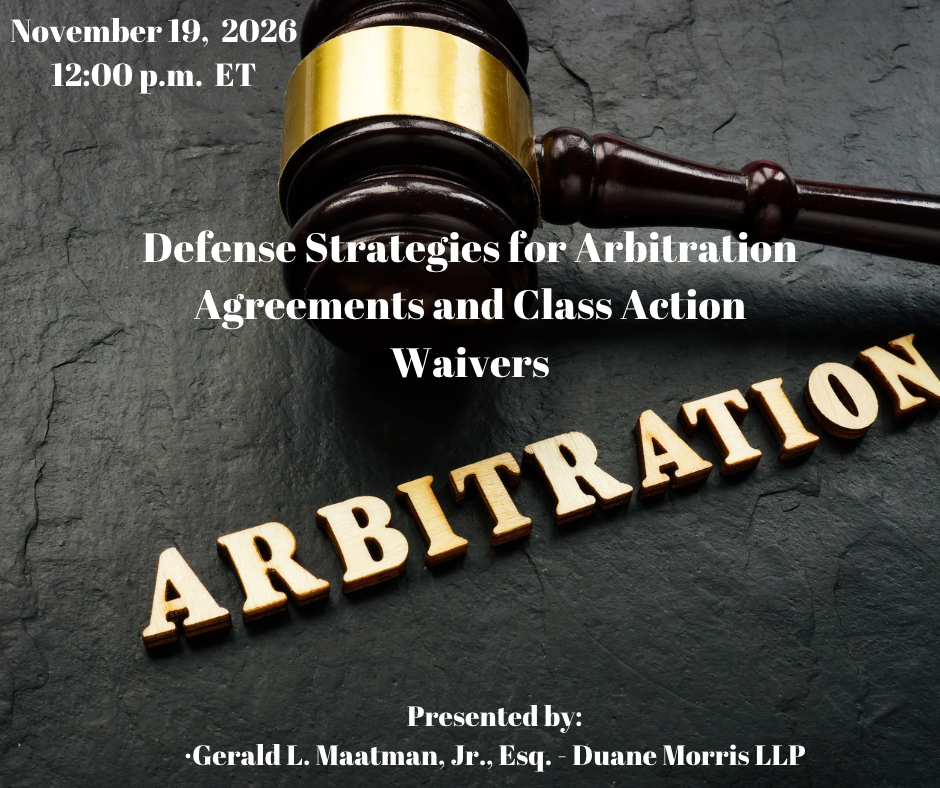
Class action waivers in arbitration agreements remain enforceable, but a decade of U.S. Supreme Court decisions has reshaped how and when arbitrability gets decided. The plaintiffs' bar’s mass arbitration tactics continue to evolve, architecting large-scale claims with increasing monetary exposure for corporate defendants. The recent amendments to the AAA and JAMS mass arbitration rules pose additional strategic considerations.
In this program, Gerald L. Maatman, Jr. will cover the latest caselaw developments on arbitration, how mass arbitration campaigns are built and leveraged, and best practices for corporate defense strategy.
Agenda:
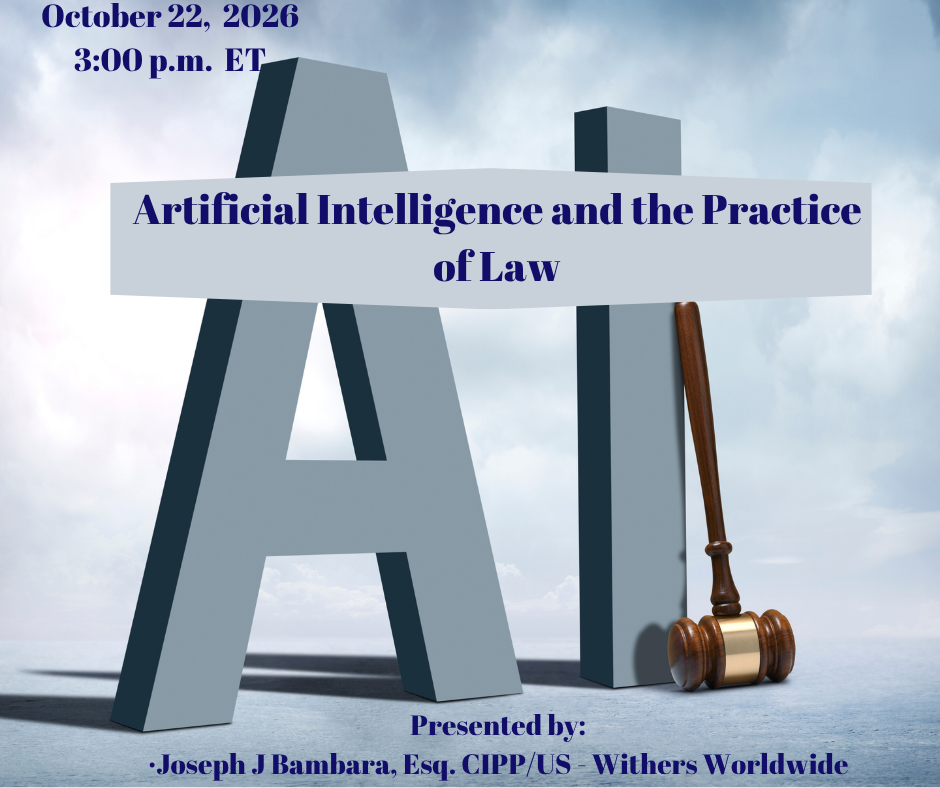
"Artificial Intelligence and the Practice of Law" (updated through 2026), is a 50-slide primer desig...
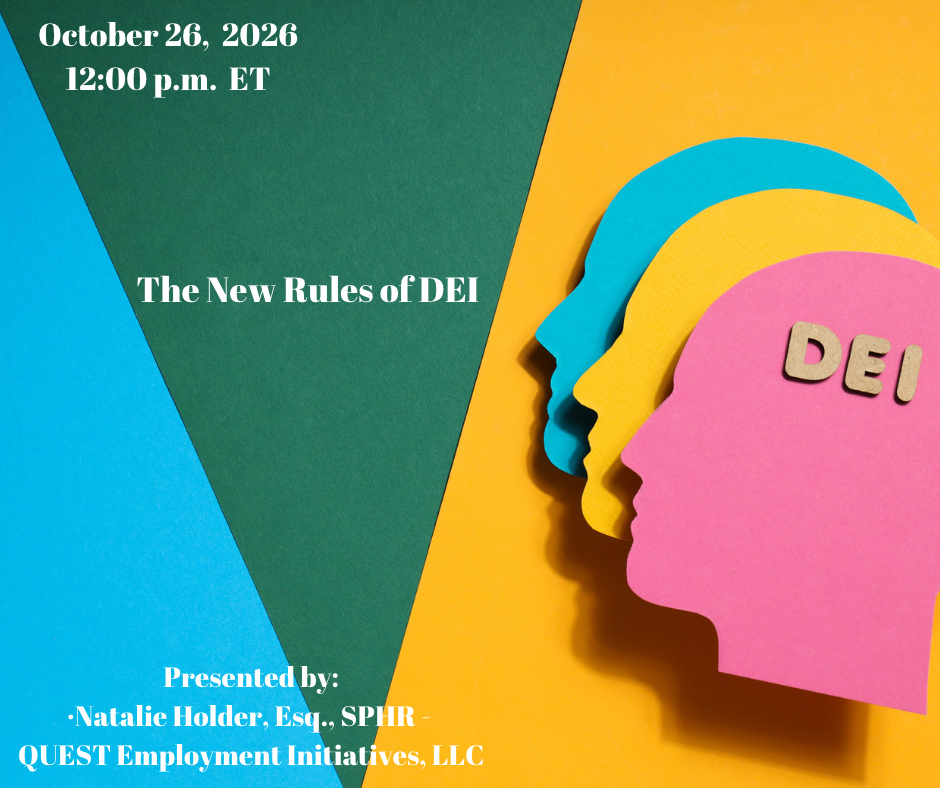
This program will discuss how to design and implement legally sound diversity, equity, and inclusion...
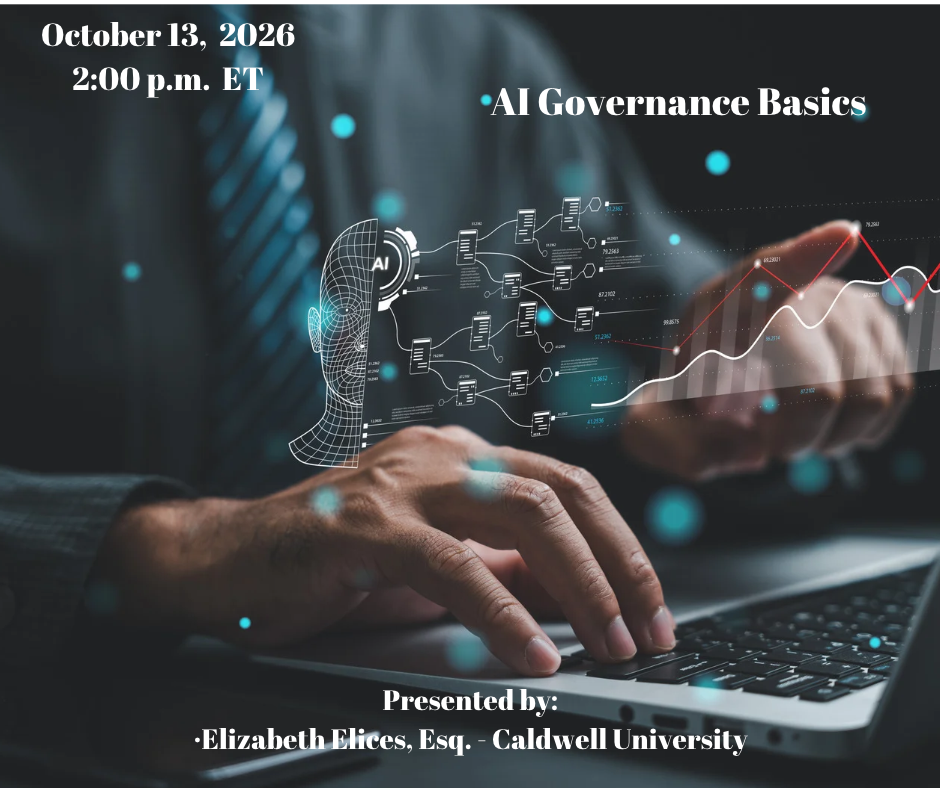
This presentation provides a basic overview of AI governance in the United States for in-house attor...
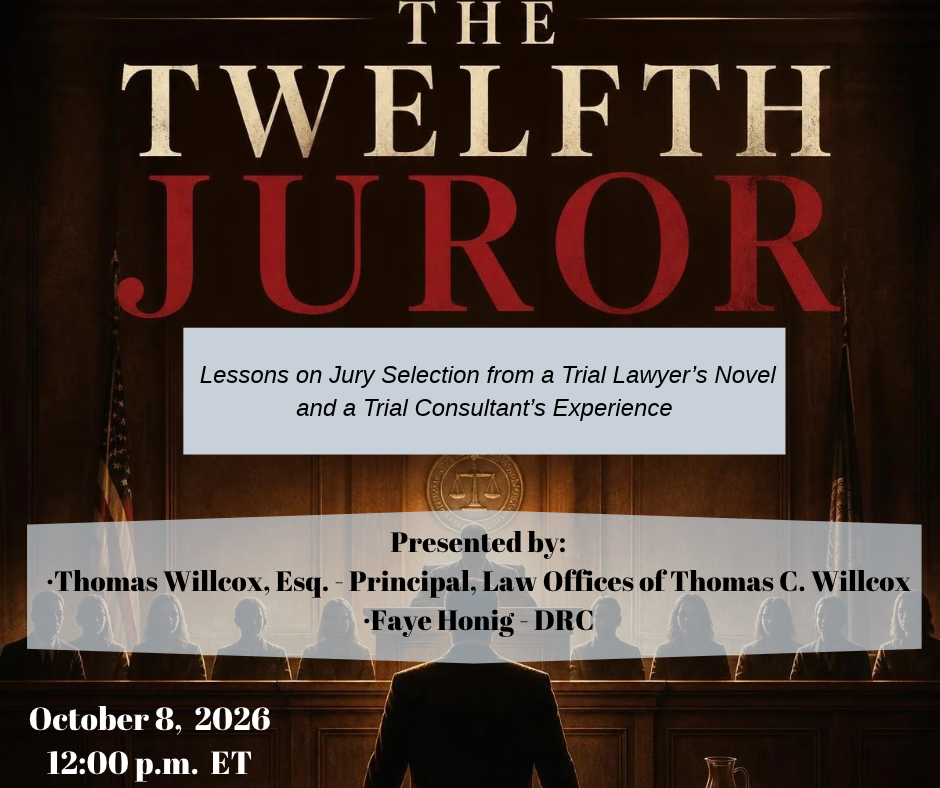
The Twelfth Juror: Lessons on Jury Selection from a Trial Lawyer’s Novel and a Trial Consultan...

During this course, you will learn about best practices and strategies for retaining intellectual pr...
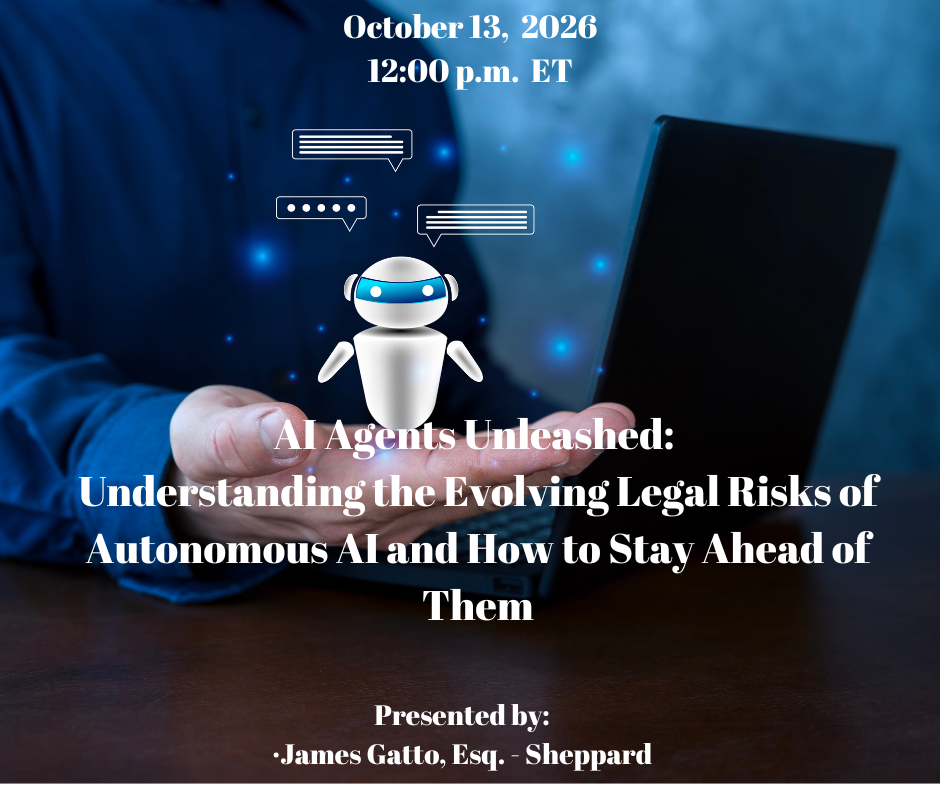
AI agents — autonomous systems capable of planning, deciding, and acting independently across ...
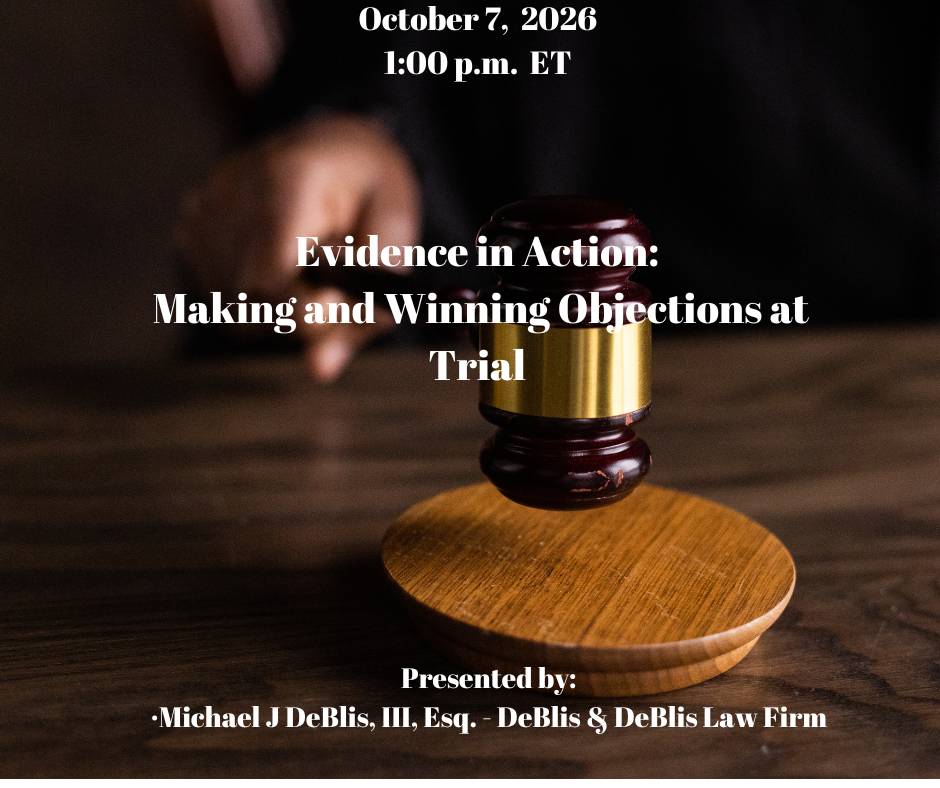
Objections are among the most powerful — and most misunderstood — tools in a trial lawye...
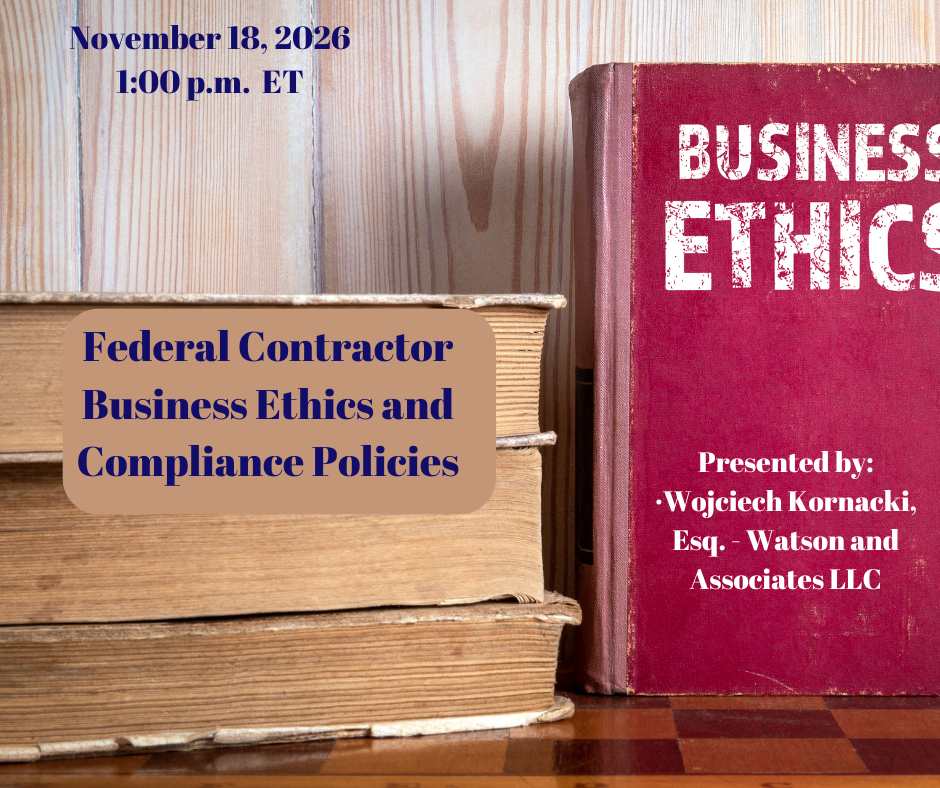
As the largest purchaser of goods and services in the world, the United States Government requires f...
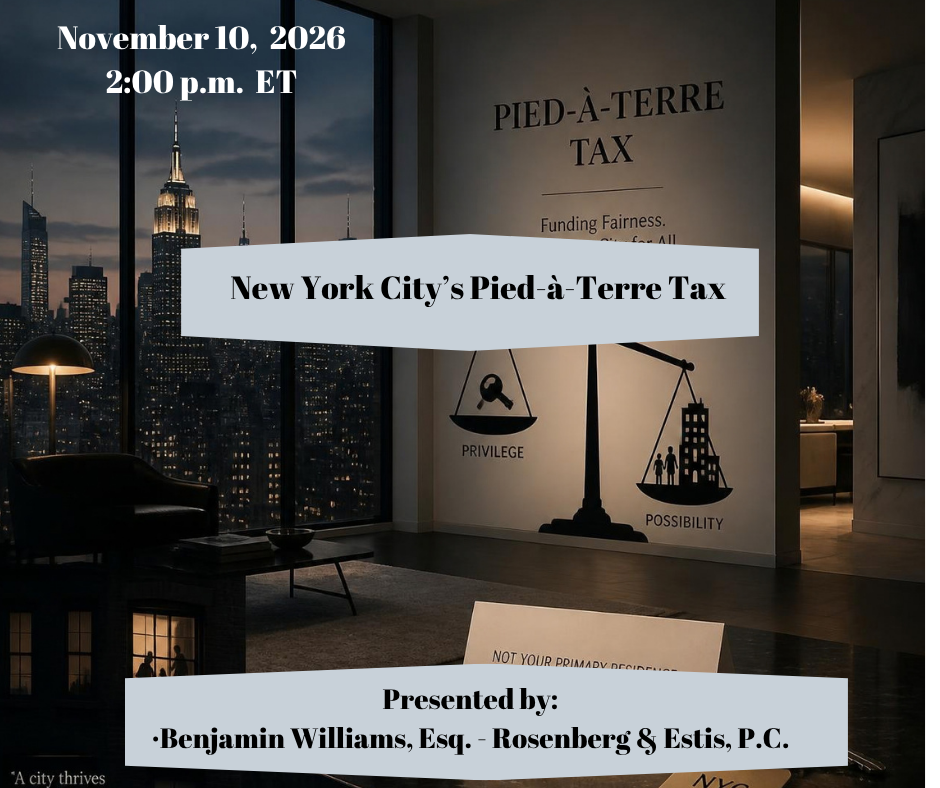
New York City’s new Non-Primary Residence Property Surcharge—commonly known as the pied-...

The practice of law places legal professionals under extraordinary and often chronic stress, making ...