
Exciting new series on “Voice, Body and Movement for Lawyers – How to connect with the jury and find Justice Through Dramatic Technique!”
Click here to find out more
Tens of billions of dollars have been lost in Europe’s biggest tax fraud in history, the Cum-Ex scandal. Up to now, the scandal – and government efforts to prosecute those complicit in it – have been largely limited to Europe. Now, with a new Administration in DC and more aggressive prosecutors filling up US agencies, can we now expect that US enforcement attention will focus on this scandal? And start seeking to hold those involved responsible? This program will explain briefly the history and scope of what led to this scandal, and explain the risks of enhanced US enforcement efforts. It will explain what US agencies are likely to be looking at, and set out what theories of liability are likely to be the premise for additional liability. Finally, it will set out risk factors about which financial firms, and counsel, should be aware.

Class action litigation presents significant legal and business challenges for employers and corpora...
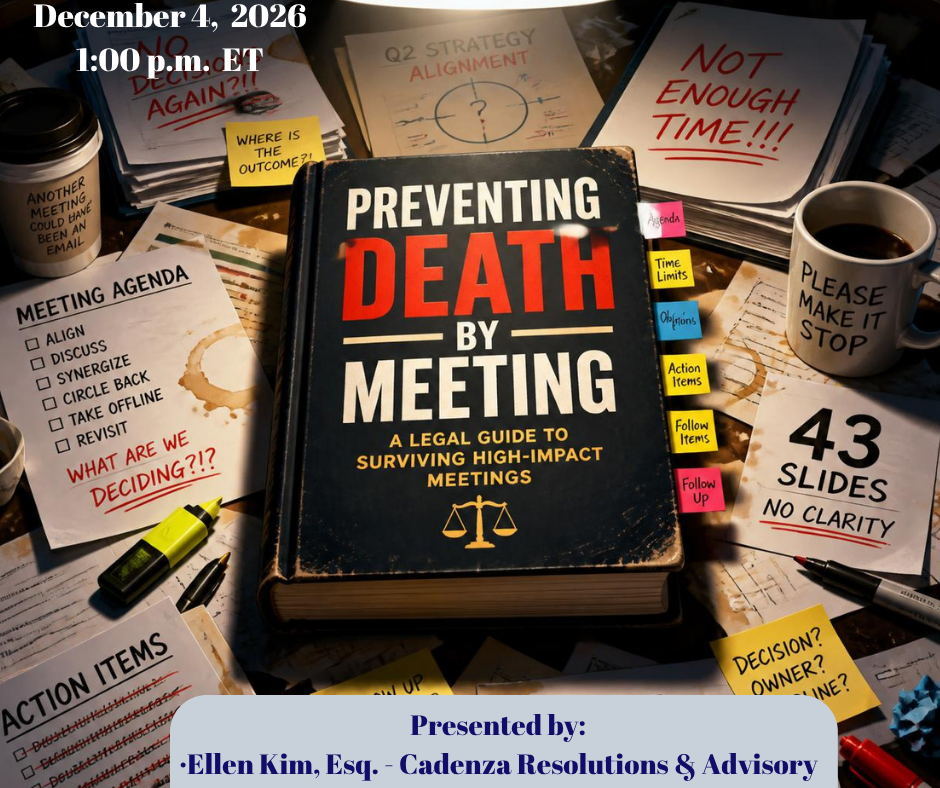
Lawyers lose hundreds of billable and operational hours every year to poorly managed meetings. Unfoc...

This course is meant for lawyers of all levels and areas of practice, and in it, we will explore way...
During this course you will take a deep dive into federal bid protest litigation at the U.S. Court o...
This course on trade secrets litigation provides real-world best practices through all key stages of...
Adverse and derogatory information often has devastating effects on a contractor's ability to win co...
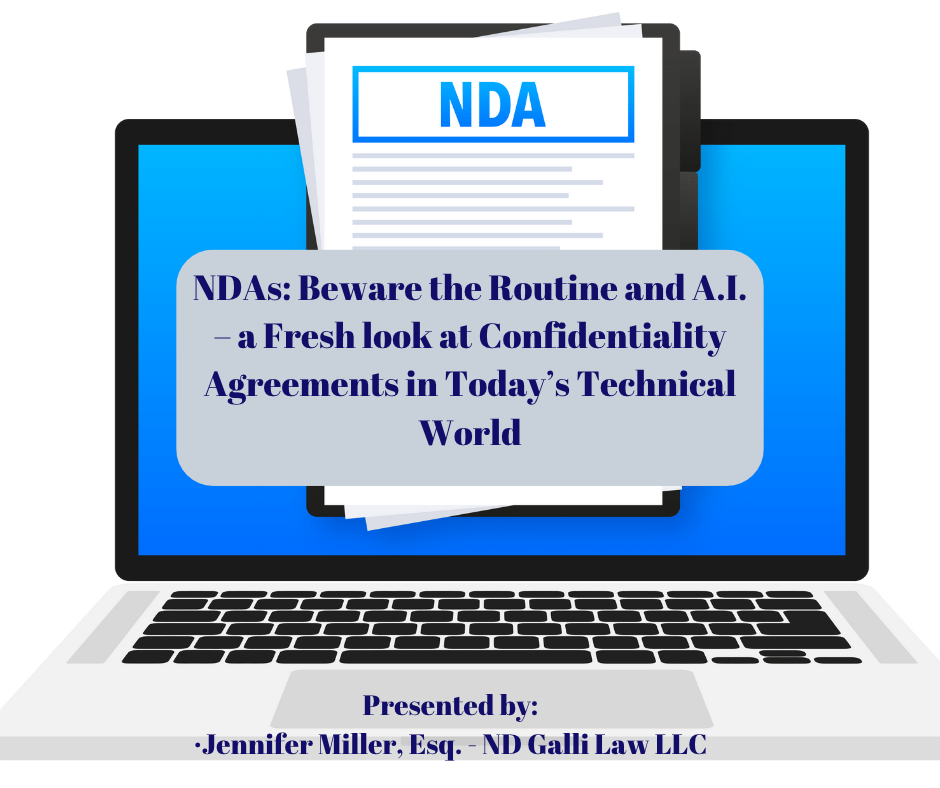
Confidentiality Agreements (also called NDAs) are too often treated as routine. So routine, th...
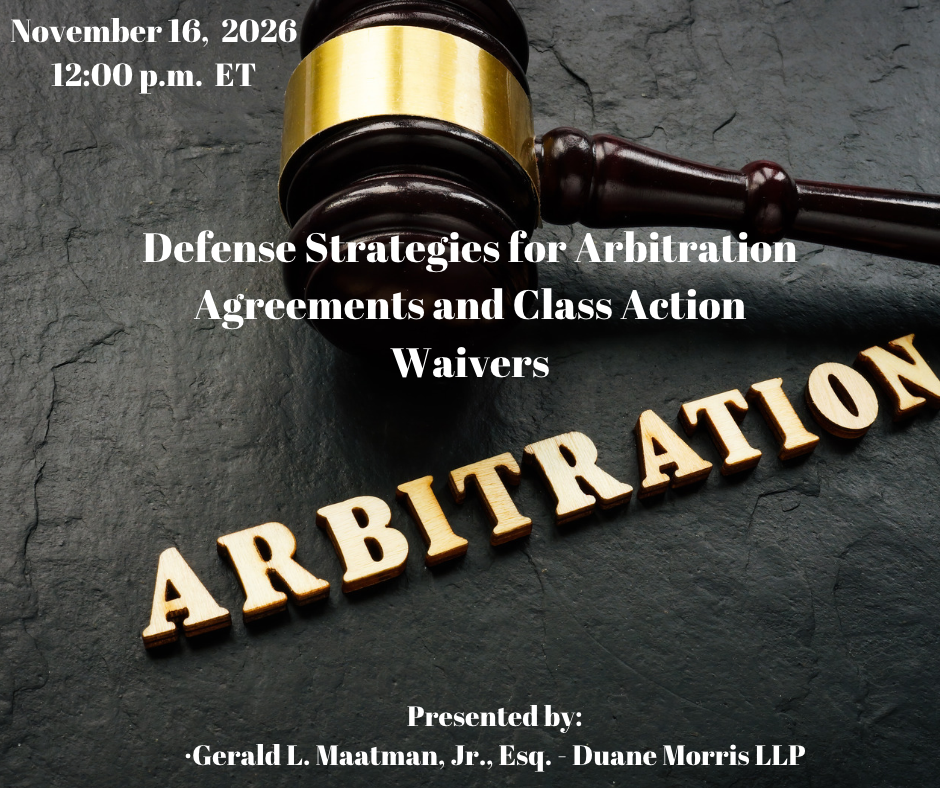
Class action waivers in arbitration agreements remain enforceable, but a decade of U.S. Supreme Cour...

Turn decades of client relationships into lasting equity. This practical CLE shows attorneys how to ...

New York City’s new Non-Primary Residence Property Surcharge—commonly known as the pied-...