
Exciting new series on “Voice, Body and Movement for Lawyers – How to connect with the jury and find Justice Through Dramatic Technique!”
Click here to find out more
This presentation will provide you with creative tools for conducting cross-examination. From achieving basic witness control to becoming more in tune to the subtle nuances of space and proximity in the courtroom and how to use these to your advantage, I share with you some of the lessons that I've learned over the last two decades as a criminal defense attorney. Ironically, some of the things that we as lawyers overlook or only address in passing can be just as important, if not more, than the things that we spend the most time preparing.
This presentation will reduce these techniques to simple, easy to apply rules that can be referred to before and during trial preparation.
Confidentiality Agreements (also called NDAs) are too often treated as routine. So routine, th...
This course on trade secrets litigation provides real-world best practices through all key stages of...
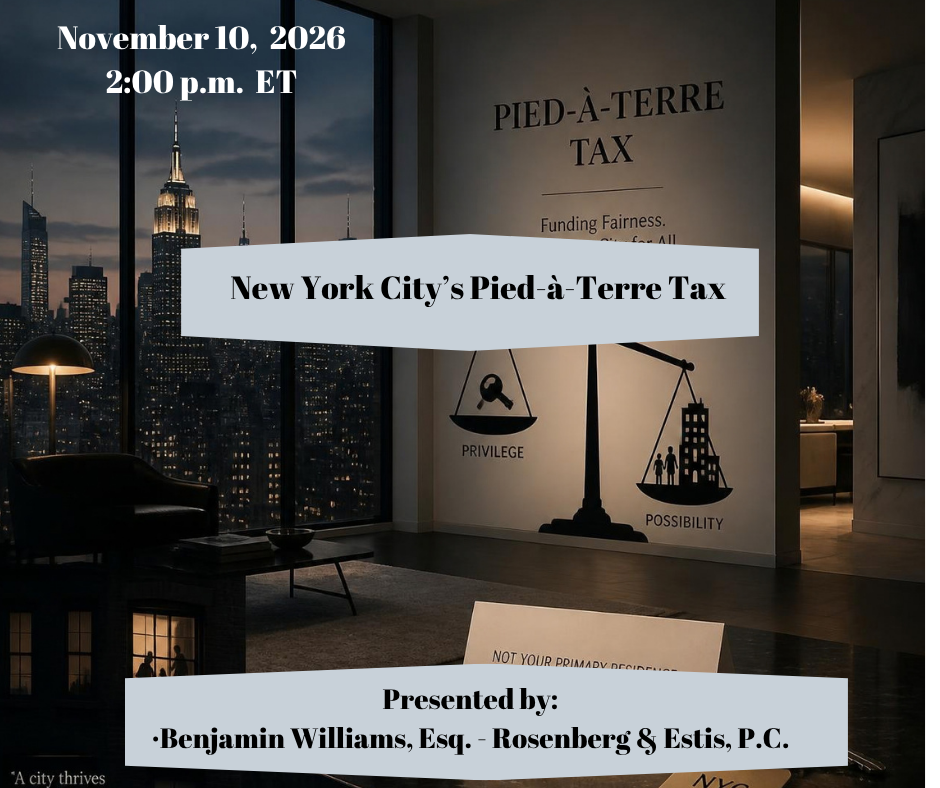
New York City’s new Non-Primary Residence Property Surcharge—commonly known as the pied-...
Class action waivers in arbitration agreements remain enforceable, but a decade of U.S. Supreme Cour...
Adverse and derogatory information often has devastating effects on a contractor's ability to win co...
This program provides a practical roadmap to mastering every stage of the discovery process in civil...
The practice of law places legal professionals under extraordinary and often chronic stress, making ...
This program provides trial attorneys with a thorough grounding in the three principal currency repo...
Class action litigation continues to expand in both number of filings and monetary exposure, with se...

I was wrongfully separated from the military and I will get no military pay and disability retiremen...