
Exciting new series on “Voice, Body and Movement for Lawyers – How to connect with the jury and find Justice Through Dramatic Technique!”
Click here to find out more
The Supreme Court in Bostock confirmed Title VII anti-discrimination protections for LGBTQ+ employees, but employers must do more to build a workplace environment that allows LGBTQ+ employees to feel included and valued. What should employers do to make their workplace LGBTQ+ friendly, where LGBTQ+ employees are comfortable bringing their full selves to work? This panel will provide specific strategies on how law firms and legal departments can be fully inclusive for LGBTQ+ legal professionals and will also provide tips on addressing challenges that may arise.
Class action litigation continues to expand in both number of filings and monetary exposure, with se...
As the largest purchaser of goods and services in the world, the United States Government requires f...
Class action waivers in arbitration agreements remain enforceable, but a decade of U.S. Supreme Cour...
Turn decades of client relationships into lasting equity. This practical CLE shows attorneys how to ...

I was wrongfully separated from the military and I will get no military pay and disability retiremen...
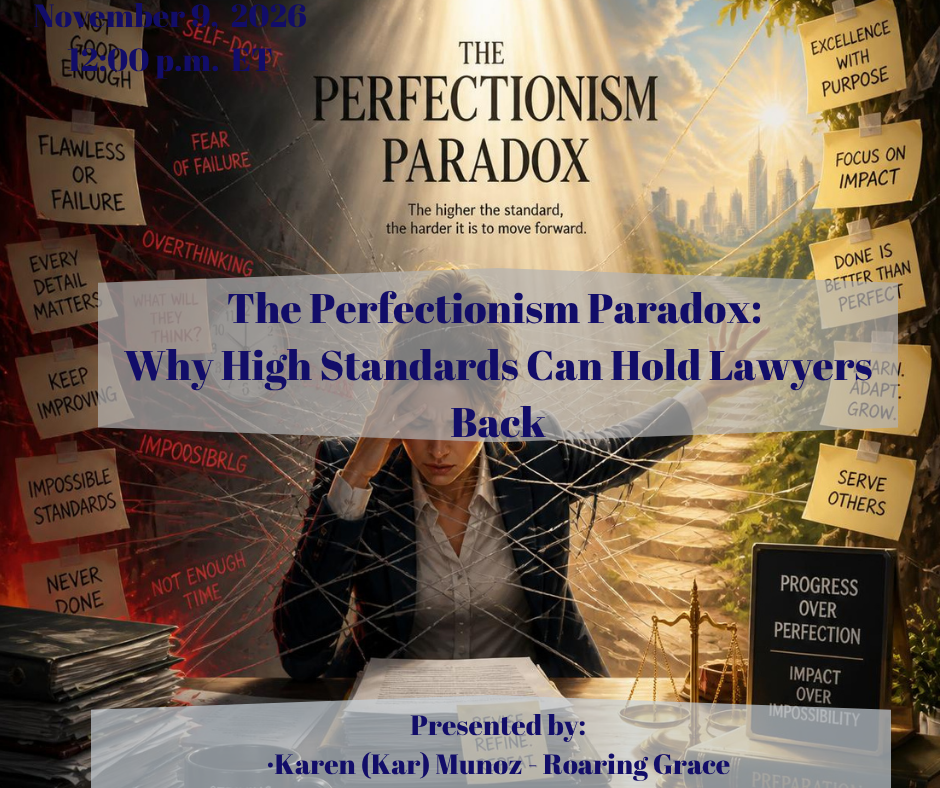
Perfectionism is often rewarded in the legal profession. It drives attention to detail, thorough pre...
Confidentiality Agreements (also called NDAs) are too often treated as routine. So routine, th...
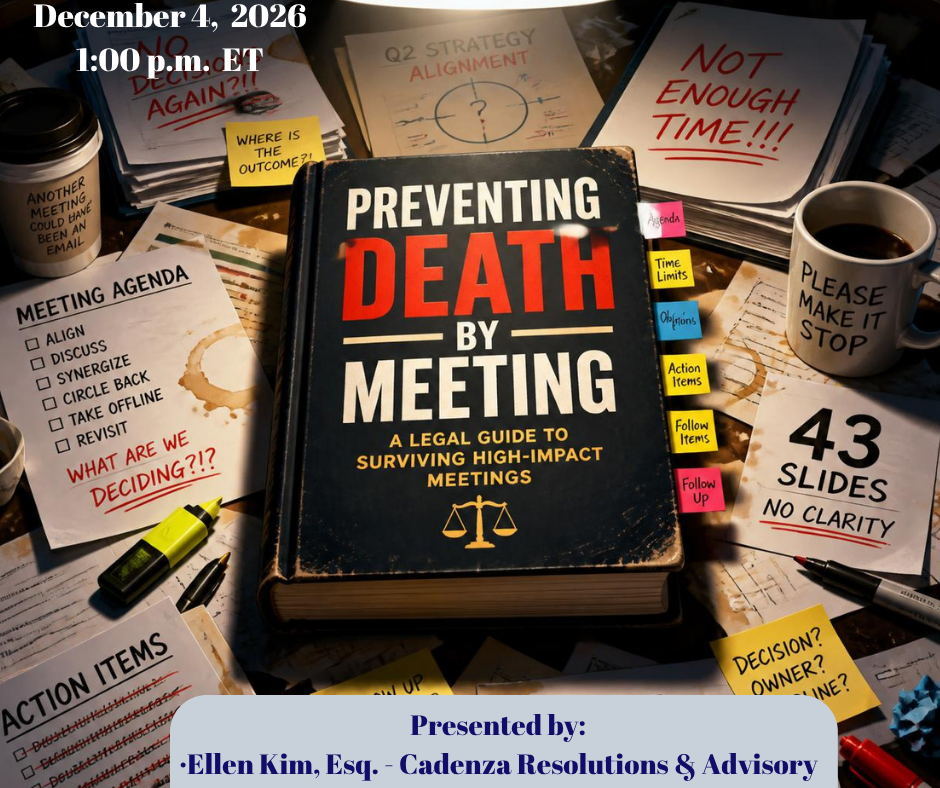
Lawyers lose hundreds of billable and operational hours every year to poorly managed meetings. Unfoc...
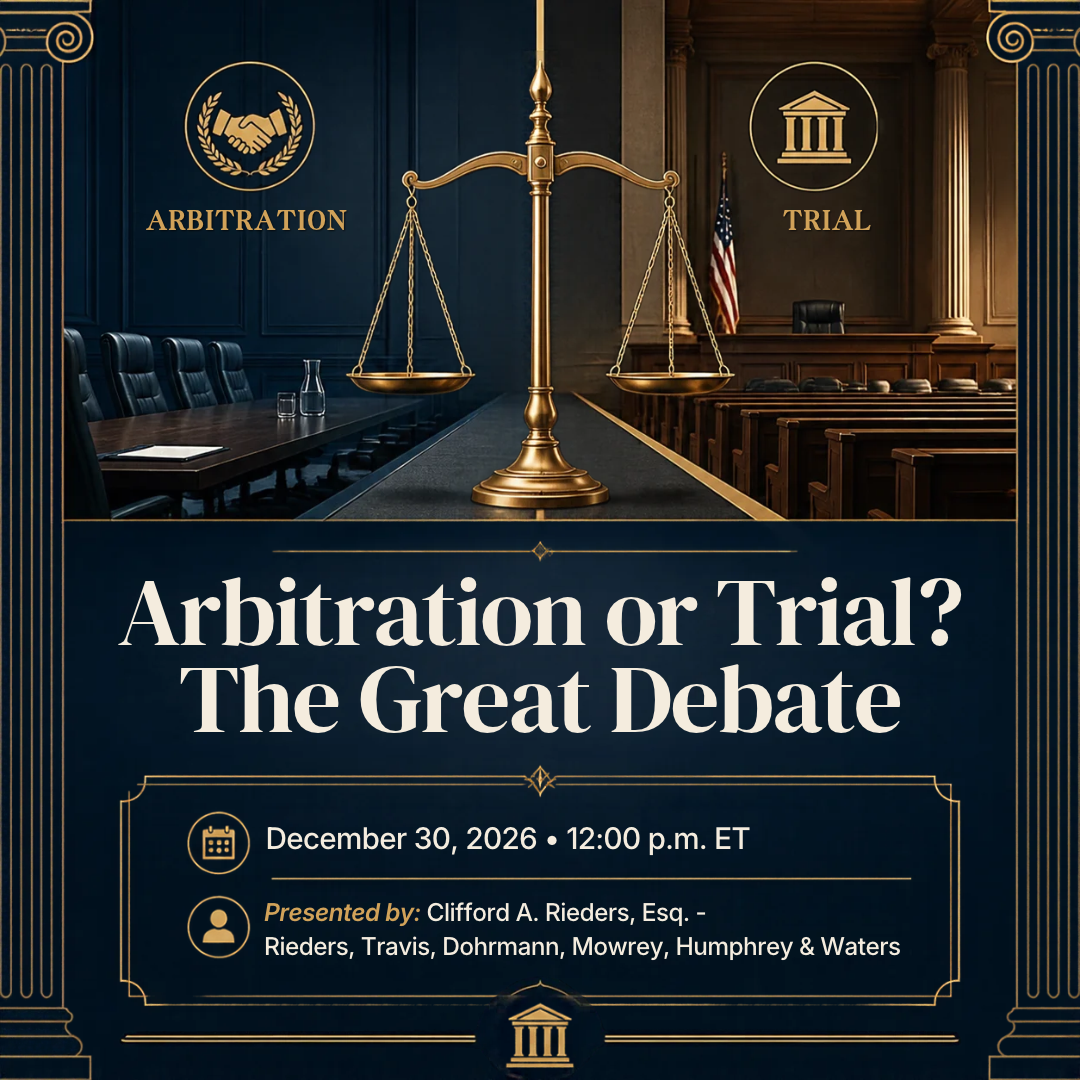
This seminar concerns a scope, jurisdiction, and exceptions to the Federal Arbitration Act. The Act ...
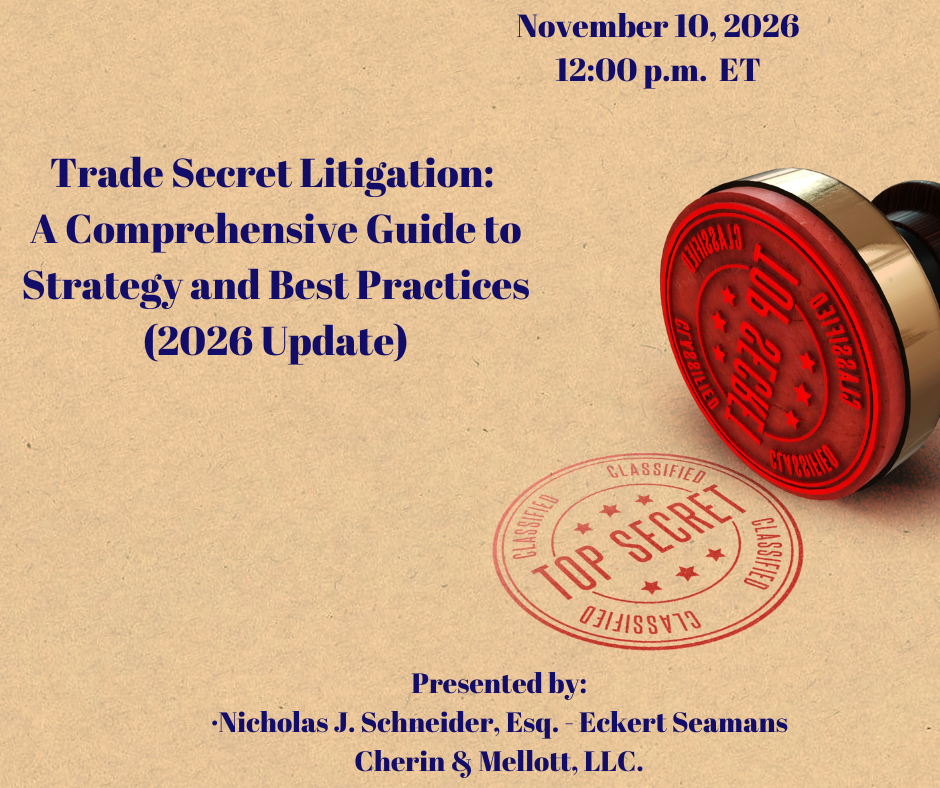
This course on trade secrets litigation provides real-world best practices through all key stages of...