
Exciting new series on “Voice, Body and Movement for Lawyers – How to connect with the jury and find Justice Through Dramatic Technique!”
Click here to find out more
Although addictive problems gather substantial media attention as deviations from a well-lived life, addictive behavior is normal human survival behavior. Addictive problems can arise from the original addictive behaviors (eating, sex, seeking attention) or the substances (e.g., alcohol, cannabis, heroin) or activites (e.g., gambling, pornography, video games) that have become available in civilization (i.e., beginning about 11,000 years ago).
This presentation will summarize the evidence about the prevalence of substance problems in attorneys, review why traditional addiction treatment (with its emphasis on powerlessness and surrender to a higher power) may not be a good fit for many attorneys, propose alternative addiction treatment approaches which are scientifically valid but not well known, and propose ideas and techniques (with a primary emphasis on self-care) for keeping addictive behavior (e.g., moderate drinking) from becoming an addictive problem or reducing mild or moderate addictive problems from becoming severe.
Learning objectives:
• To define the terms addictive behavior and addictive problem
• To recall 3 components of how to moderate alcohol use
• To recall how to conserve willpower by managing one's environment
• To recall the 3 aspects of stress management.
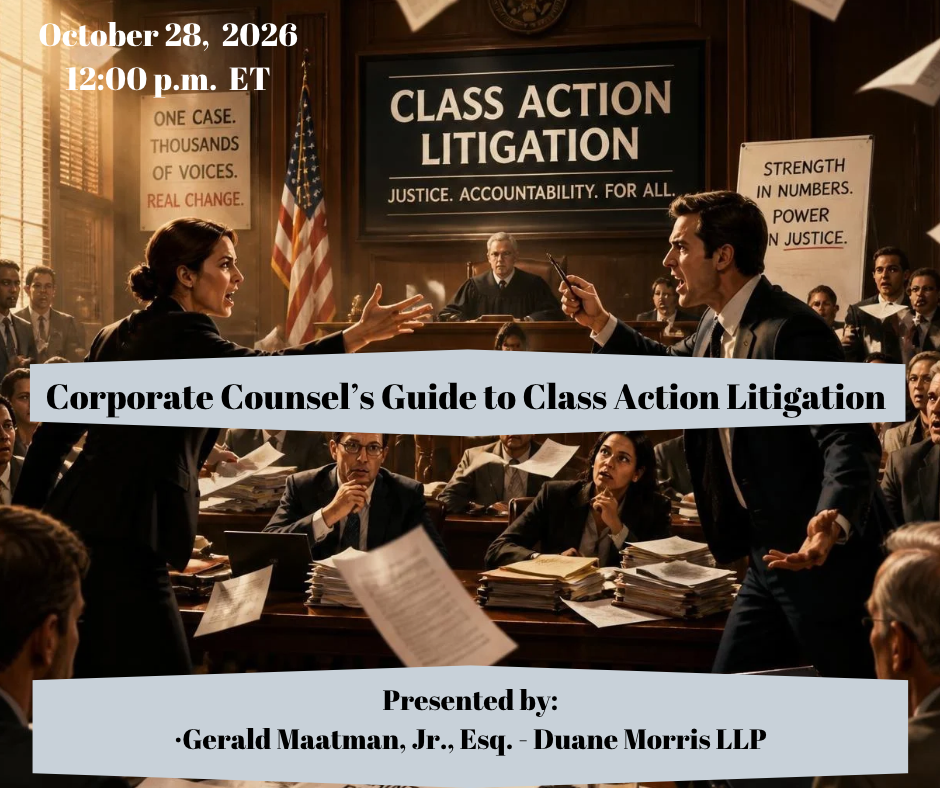
Class action litigation continues to expand in both number of filings and monetary exposure, with se...
Confidentiality Agreements (also called NDAs) are too often treated as routine. So routine, th...
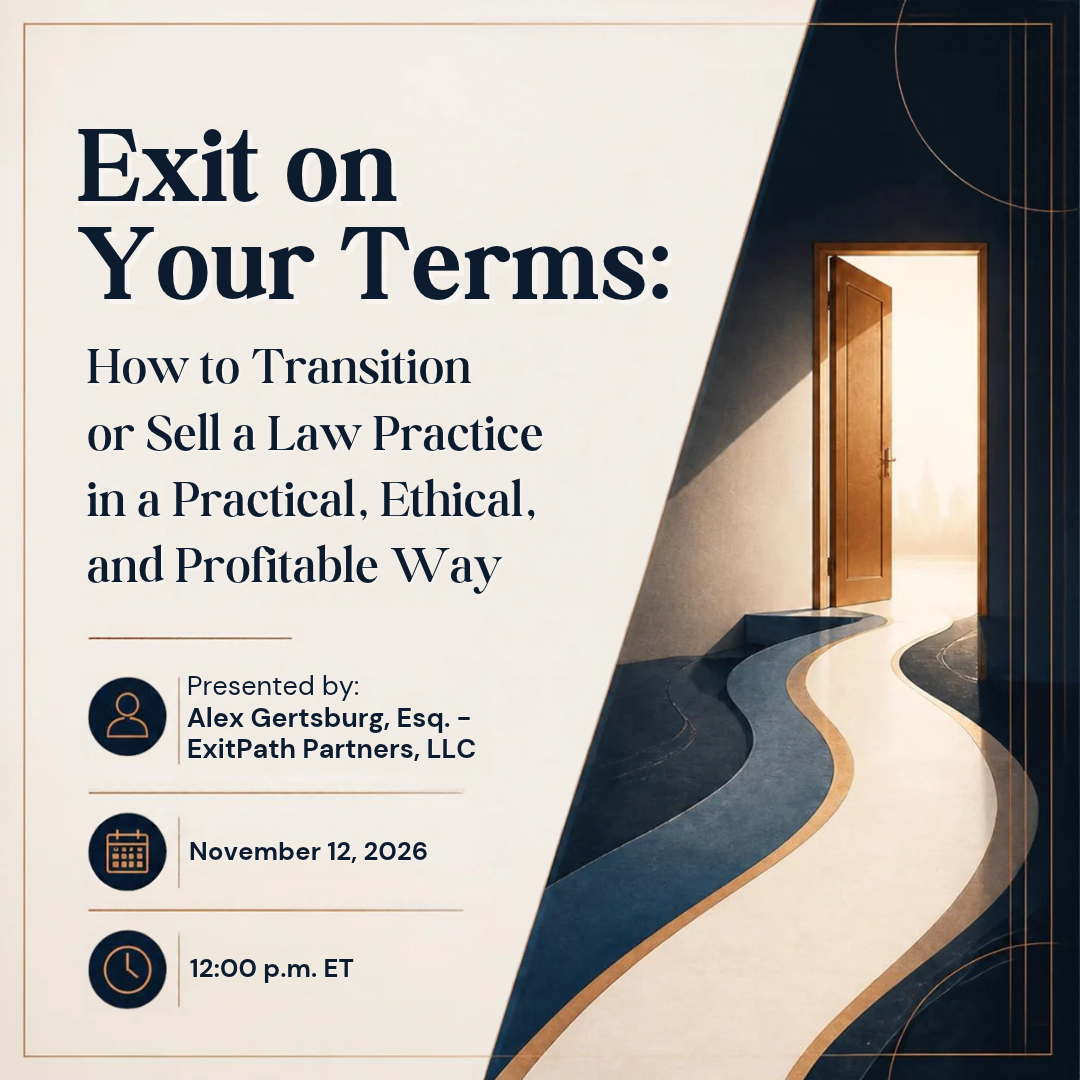
Turn decades of client relationships into lasting equity. This practical CLE shows attorneys how to ...
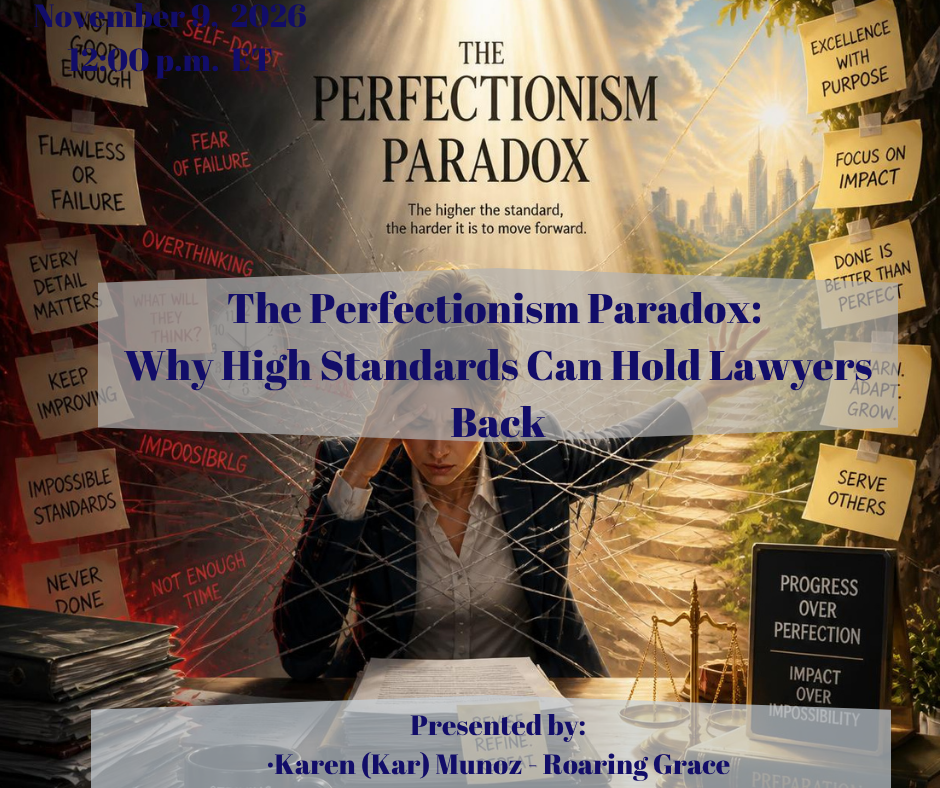
Perfectionism is often rewarded in the legal profession. It drives attention to detail, thorough pre...
This program provides a practical roadmap to mastering every stage of the discovery process in civil...

I was wrongfully separated from the military and I will get no military pay and disability retiremen...
This course on trade secrets litigation provides real-world best practices through all key stages of...
Lawyers lose hundreds of billable and operational hours every year to poorly managed meetings. Unfoc...
This seminar concerns a scope, jurisdiction, and exceptions to the Federal Arbitration Act. The Act ...
Adverse and derogatory information often has devastating effects on a contractor's ability to win co...