
Exciting new series on “Voice, Body and Movement for Lawyers – How to connect with the jury and find Justice Through Dramatic Technique!”
Click here to find out more
In this program we will discuss all facets of the Medicare Secondary Payer Act (MSP) including: reimbursement of conditional payment amounts; the recovery rights of Medicare Advantage (Part C) and Medicare Outpatient Prescription Drug (Part D) plans; future medical allocations to avoid shifting a burden of payment to Medicare; and Section 111 reporting. Further we will discuss strategies to reduce conditional payment amount where possible; how to determine when or if a future medical allocation is required; and the new Section 111 civil money penalties. This program is appropriate for all skill levels and will be beneficial to both plaintiff and defense counsel.
You will learn:
• Medicare’s right to conditional payment reimbursement for Medicare Parts A, B, C, and D
• Medicare Set asides – what are they and when do you need one
• How will the new Section 111 penalties be assessed.
During this course, you will learn about best practices and strategies for retaining intellectual pr...
Confidentiality Agreements (also called NDAs) are too often treated as routine. So routine, th...
New York City’s new Non-Primary Residence Property Surcharge—commonly known as the pied-...
The practice of law places legal professionals under extraordinary and often chronic stress, making ...
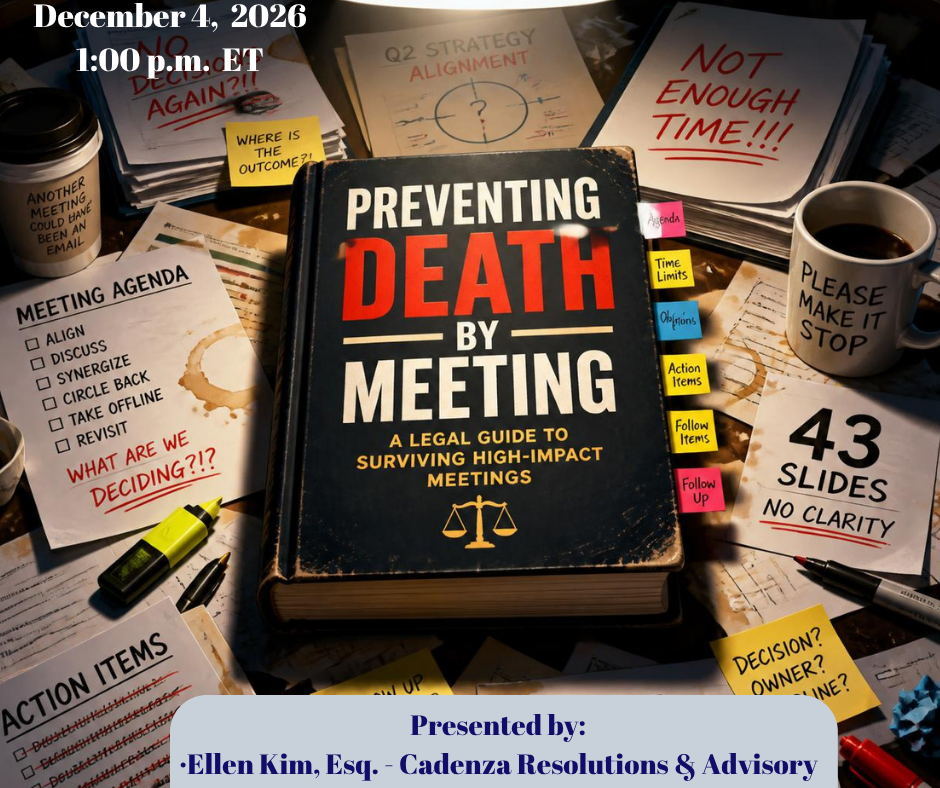
Lawyers lose hundreds of billable and operational hours every year to poorly managed meetings. Unfoc...
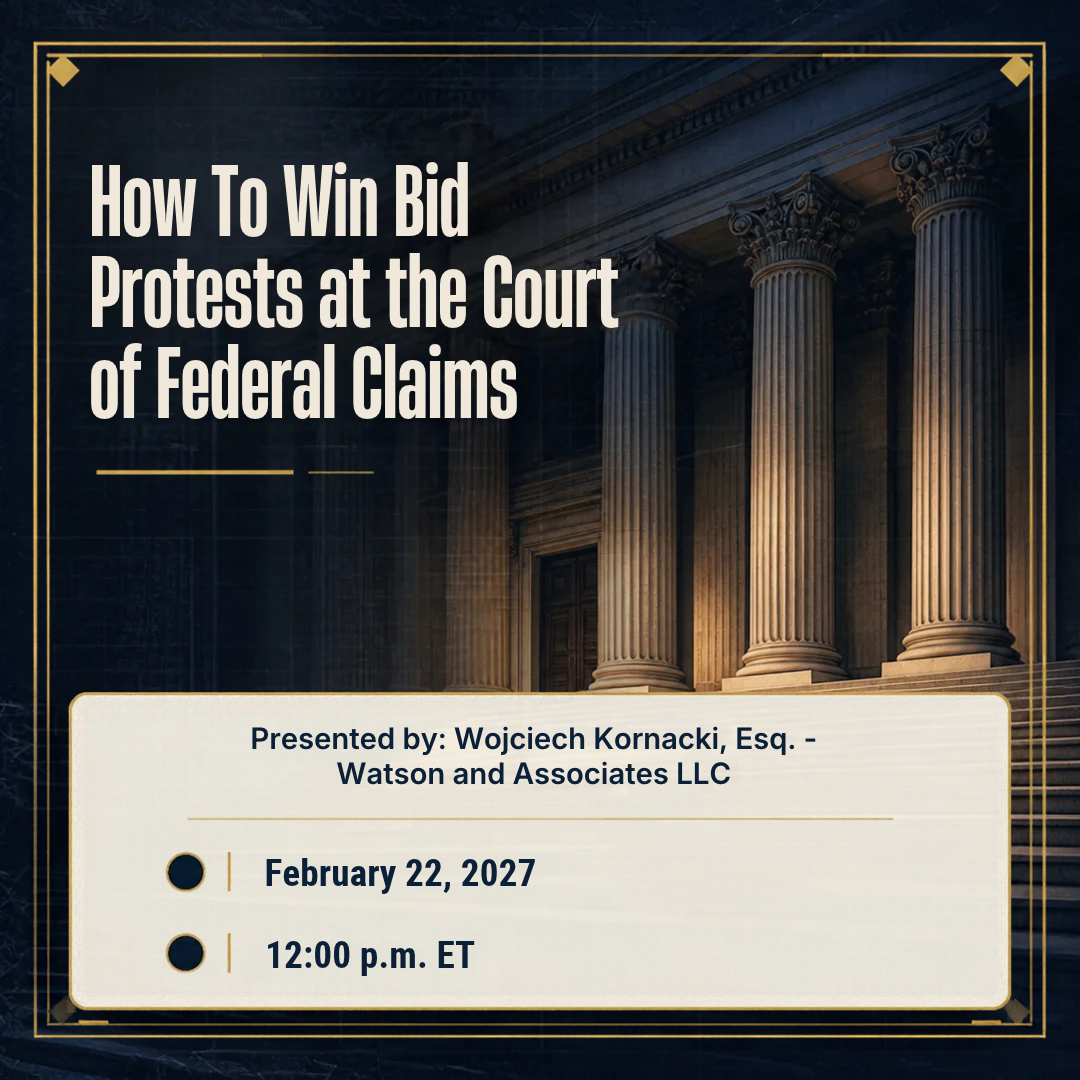
During this course you will take a deep dive into federal bid protest litigation at the U.S. Court o...

This course is meant for lawyers of all levels and areas of practice, and in it, we will explore way...
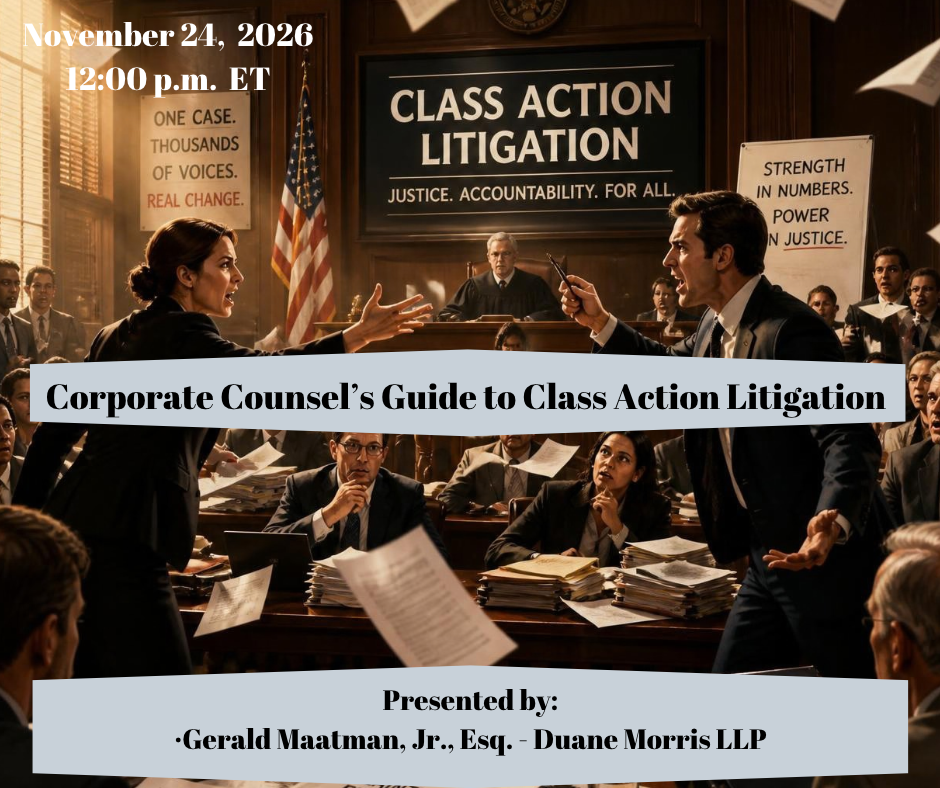
Class action litigation continues to expand in both number of filings and monetary exposure, with se...

I was wrongfully separated from the military and I will get no military pay and disability retiremen...
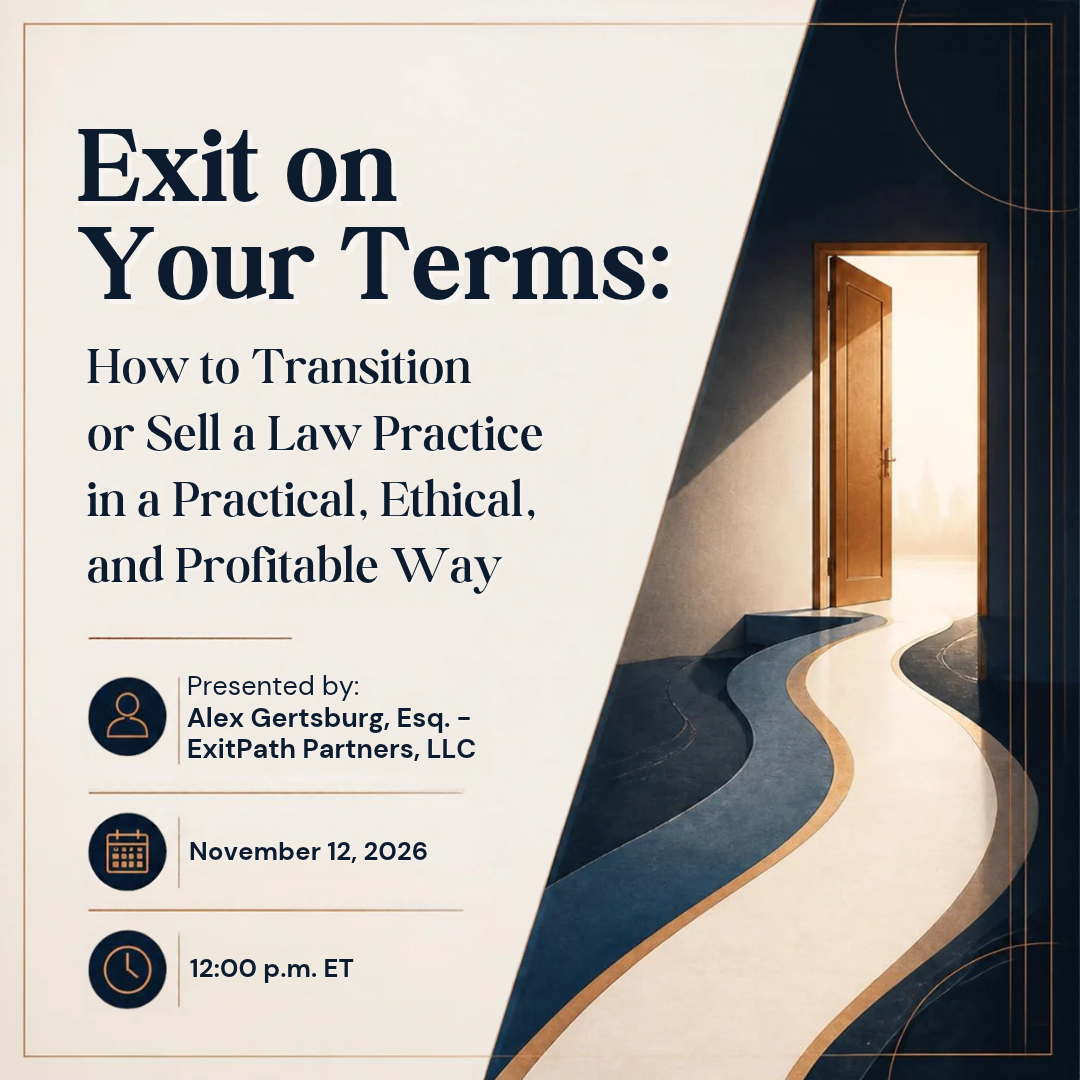
Turn decades of client relationships into lasting equity. This practical CLE shows attorneys how to ...