
Exciting new series on “Voice, Body and Movement for Lawyers – How to connect with the jury and find Justice Through Dramatic Technique!”
Click here to find out more
90% of legal services will be delivered online by 2030. Don’t get left behind as the industry goes through rapid shifts. Client expectations have changed, and legal consumers have become accustomed to having virtual meetings, paying bills online, and interacting with service providers via client portals on their smartphones.
In this session, you will gain practical instruction on how to use legal technology to collaborate with your clients on their matters online while still providing personalized, empathetic, and ethical services, understand how online legal practice billing models differ, see real-world examples of firms that have built digital-first practices that their clients love, and develop a plan for practical ways to significantly scale your law firm, improve your profit margins, and optimize the client experience.
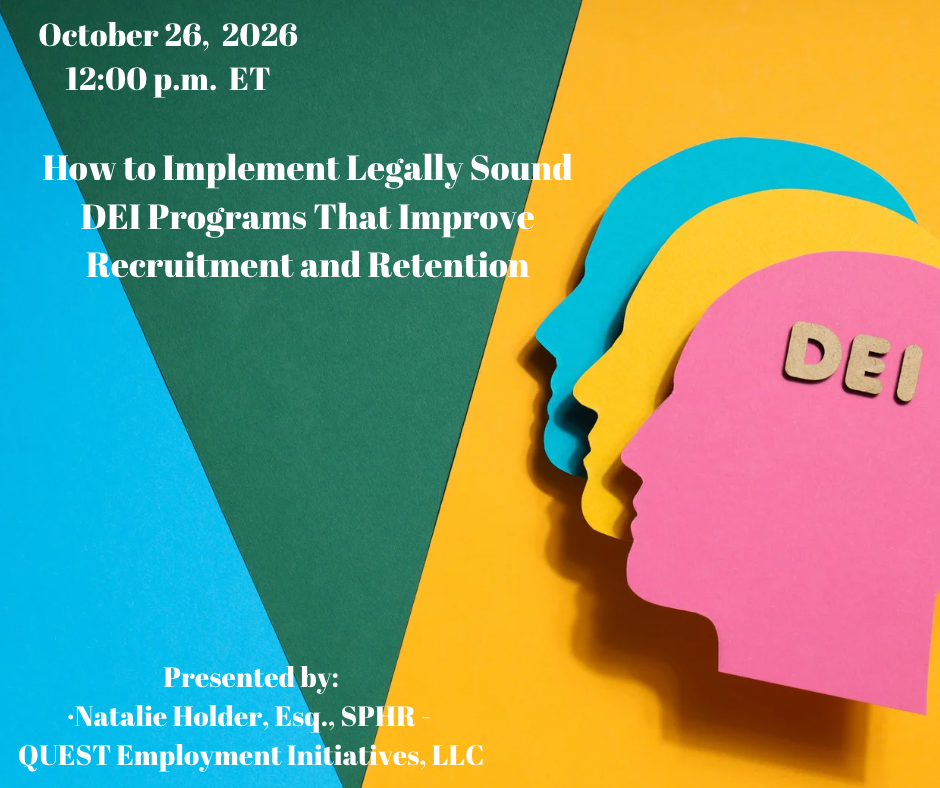
This program will discuss how to design and implement legally sound diversity, equity, and inclusion...

This program provides a practical roadmap to mastering every stage of the discovery process in civil...

2026 was a very important year when it comes to federal procurement developments, Artificial Intelli...

Adverse and derogatory information often has devastating effects on a contractor's ability to win co...

Class action waivers in arbitration agreements remain enforceable, but a decade of U.S. Supreme Cour...

Lawyers lose hundreds of billable and operational hours every year to poorly managed meetings. Unfoc...

This program provides trial attorneys with a thorough grounding in the three principal currency repo...

Turn decades of client relationships into lasting equity. This practical CLE shows attorneys how to ...

Perfectionism is often rewarded in the legal profession. It drives attention to detail, thorough pre...

New York City’s new Non-Primary Residence Property Surcharge—commonly known as the pied-...